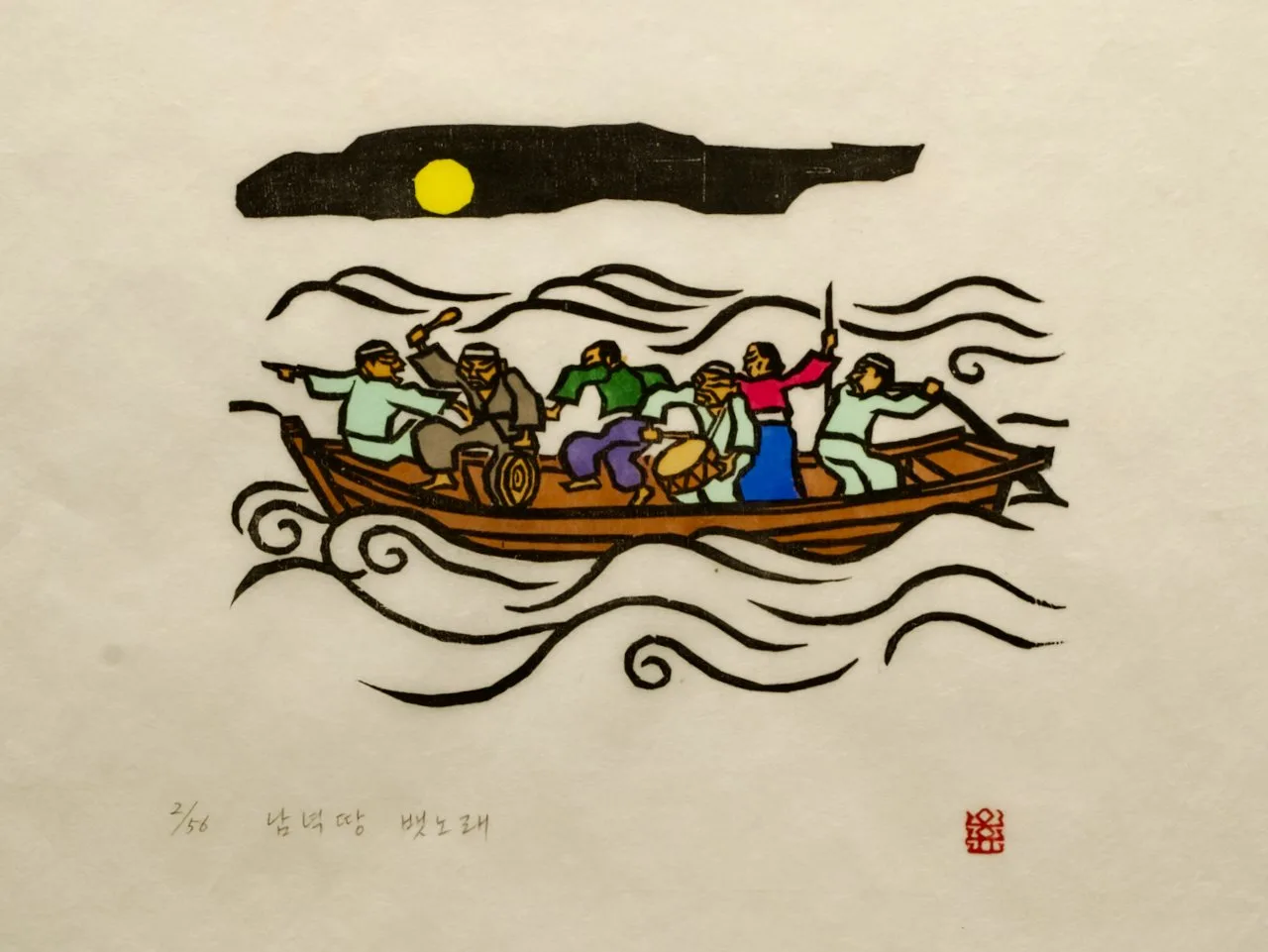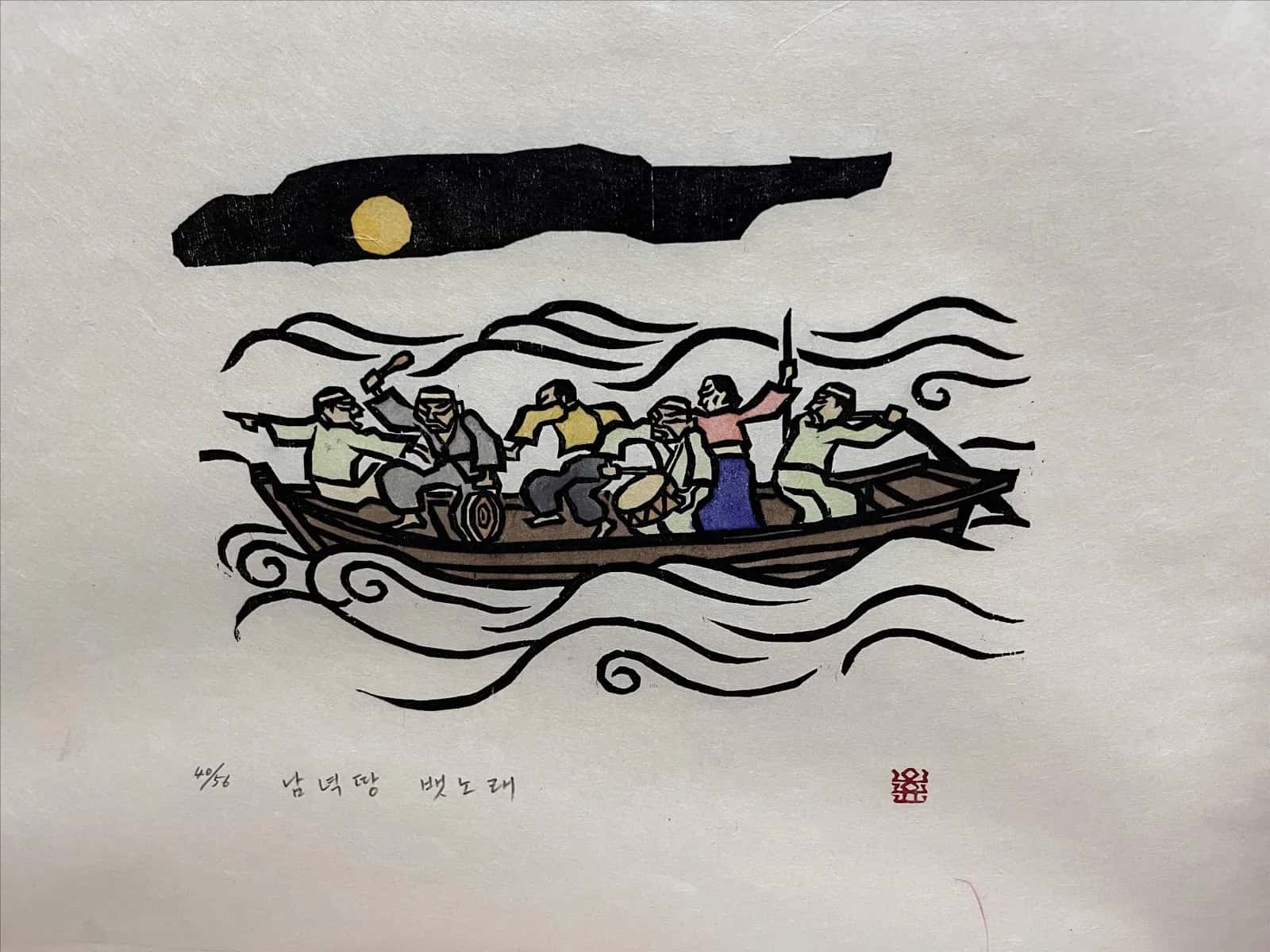
Numbers like 84.9%, 48.6%, and 95% are actually faces. Five voices from artists who once gave up on creating and came back. Behind every number, there is a person.
The Day I Gave Up Making Art — Five Artists Testify
84.9%. 48.6%. 95%. These numbers appear in news headlines, but in truth they are numbers with human faces. Behind each percentage sign is the accumulation of days lived, one person at a time.
This essay weaves together five artists' testimonies. All five seriously considered, at one point, whether they should stop making art altogether. Some rested for years; one never returned; another barely picked up the brush again.
All testimonies were collected and reconstructed under a promise of anonymity, and identifying details have been altered. But the experiential core of each event remains exactly as it was lived.
⚠️ This essay contains heavy material on financial hardship, debt, and interrupted medical care. Resources for those who need help appear at the end.
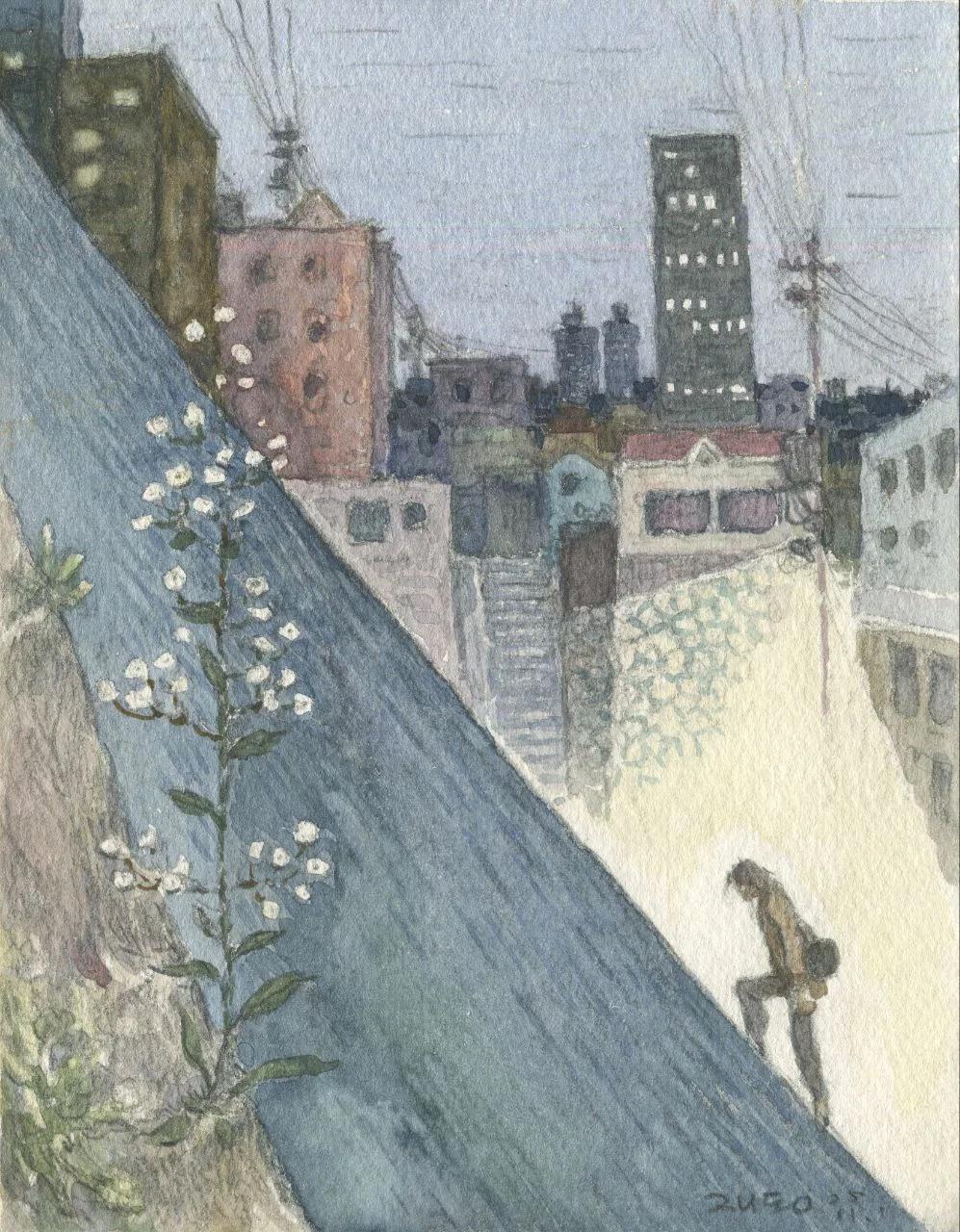
First Testimony — Jiyeon (pseudonym, painter, 32)
Studio rent and a 24% loan
"I rented my studio in 2019, right after grad school. ₩5 million deposit, ₩350,000 a month, three-year contract. The first year I covered it with part-time work, but in the second year my father got sick and his hospital bills came first."
"The rent started slipping. I went to a bank — they said I couldn't even put together the right paperwork. Second bank: 'your credit score is too low.' Third bank didn't respond at all. In the end I searched online and borrowed ₩5 million from a private lender at 24% annual interest. At the time I didn't even know that was the legal cap."
"Just the interest was ₩100,000 a month — a third of my studio rent. From that moment on, I was working a part-time job to pay the lender. Time to paint disappeared."
"The day I gave up was a rainy Tuesday. I went to the studio, rolled up my canvas and stood it against the wall, left the key, and walked out. I texted the landlord 'I'm sorry' — that was it. I thought my life as an artist was over."
And then
"I rested for two years. In that time the loan, rolled over and refinanced, grew to ₩12 million. A woman I'd met working at a café one day said, 'There's this thing called SAF — want to talk to them?' A mutual aid loan paid off the private debt first. The interest dropped to a fifth of what it was."
"These days I'm painting again. One work sold, and the proceeds went into the mutual aid fund. The thought that my money might become someone else's rent — it makes me well up."
Second Testimony — Junseop (pseudonym, music/composer, 41)
Collection calls and a canceled show
"My first album cost ₩30 million in studio rentals and mastering. Crowdfunding raised ₩15 million. I covered the other ₩15 million with a credit-card cash advance."
"The album did okay. Then a single show got canceled and I had a month with zero income. I missed a credit-card payment. One missed payment turned into late-fee interest, and two months later the collection calls started."
"The thing is, those calls came during my shows. The phone would ring five minutes before going on stage. 'If you don't deposit ₩500,000 by today…' — that's the kind of sentence you're hearing as you're about to perform. The singing wasn't going to work."
"My manager sat me down and said, 'Hyung, at this rate you're going to quit music itself.' He was right. At that point the phone scared me more than the music did."
And then
"I rested for six months. In the meantime I got connected to a counseling program run by a social enterprise, and a small mutual aid loan resolved part of the debt. It wasn't fully solved, but going from 24% to 4% interest meant I could breathe again."
"This year I'm preparing my second album. This time I'm trying to believe it's okay even if it fails. I have the sense, now, of not being alone."
Third Testimony — Youngju (pseudonym, sculptor, 58)
Hearing "no" for the first time at fifty
"I've made artworks my whole life. Grad school, nearly thirty years, eight solo exhibitions, more group shows than I can count. My work is in the MMCA collection."
"I had to relocate my studio, so I went to a bank for a jeonse loan. I had a working studio, a sales record, an Artist Welfare ID. I assumed it would go through."
"The teller looked through my papers for a long time, then said, 'Ma'am, you're a sculptor. With sculptor registered as your occupation, the documents we'd need to submit are unclear. You'd need a business registration, or proof of full-time employment.'"
"Watching thirty years of practice get blocked by a single line on a form — a strange hollowness came over me. It took me thirty years to learn how to explain my own life, and that piece of paper couldn't recognize it."
And then
"The loan was ultimately denied. Instead of going to a second-tier lender, I downsized my studio. The scale of my work shrank. I could no longer make large pieces. I don't call that 'retirement,' but my practice broke at that point."
"A fellow artist invited me to take part in SAF. She said, 'We've been pooling money to lend to younger artists at low interest. If you give us one work, that work saves one of them.' I gave a piece. I wanted the next generation to receive what I didn't."
Fourth Testimony — Doyoon (pseudonym, photographer, 27)
Putting off treatment
"I do photography. I'm a young artist, no gallery contracts yet — I freelance everywhere."
"Two years ago something felt off, so I went to the hospital. They said it was a thyroid issue. Not surgery, but I needed regular checkups and medication. The medicine alone is over ₩100,000 a month."
"I skipped a refill once because the cost of traveling outside Seoul to shoot came first. Once became twice, and three months passed. When the hospital called, I couldn't tell them the truth."
"It was too embarrassing to say I couldn't afford the medication. I said 'I've been busy.' At that moment I'd protected my pride before my own body."
And then
"Luckily a small work sold and I bought several months of medication at once. I'm seeing the doctor again. Watching the SAF campaign now, I keep thinking — there has to be a system that lets artists my age stop choosing between medicine and work. What I went through wasn't a personal problem. It was the daily reality of countless artists."
Fifth Testimony — Minja (pseudonym, Korean-style painter, 47)
Treated as "unemployed"
"I'd lived in my neighborhood for years. Knew the woman next door, the convenience-store owner, the supermarket boss. After my divorce I went to find a new place, and the landlord asked, 'What's your job?'"
"I said 'I'm a painter.' He paused for a moment and said, 'Ah… so you don't have a job, then.' I'd painted every day for thirty years, and in that instant I became unemployed."
"He asked me to double the deposit — 'risk premium, since you don't have a job.' Before the humiliation I felt sadness. The work I'd done my whole life was, to someone, simply not work."
"I considered putting down the brush. Should I have gotten a teaching certificate again? Should I have studied for the civil service exam? Those thoughts kept circling. Painting was the one thing keeping my self-respect intact, and when society didn't recognize it, I couldn't fully recognize myself either."
And then
"A few years later I went to a SAF workshop and discovered how many artists had stories of being treated as 'unemployed.' Knowing I wasn't alone — that was the deepest healing."
"I'm painting again now. I gave a work to SAF, and I heard it became one young artist's studio rent. I want our stories to keep being told, so that 'unemployed' people like me become far fewer in the next decade or two."
What the Five Testimonies Share
Five different occupations, ages, and bodies of work. Yet all five gave up making art at least once. And in every case, the reason was not money but dignity.
- Not because interest was frightening, but because interest erased the time to create
- Not because of poverty, but because poverty was internalized as the message that "my work has no value"
- Not because treatment was postponed, but because the very fact of having to postpone treatment chipped away at dignity
- Not because of rejection, but because the rejection sounded like "you don't exist"
Financial discrimination against artists is a question of dignity before it is a question of economics. This is the truth that numbers alone cannot show.
And these stories are still going
All five testimonies continue past "and then…" All five are still making art today. The common thread: someone reached out a hand.
- A word from a friend at the café
- A manager's warning
- A peer artist's invitation
- One sale at the right moment
- The sense, at a workshop, of not being alone
These gestures are not grand. They came from relationships, not institutions. And making those relationships possible is what one citizen's purchase of a single artwork can do.
A single work bought through SAF made the "and then…" of one of these five stories possible. The next "and then…" has not been written yet. Who writes it determines what next quarter's numbers will say.
If You Need Help
If this essay reminded you of your own story, please use the resources below.
- Korean Artist Welfare Foundation Counseling: 02-3668-0200 / https://www.kawf.kr
- Artist Living-Stability Loan: operated by the Korean Artist Welfare Foundation
- Mental Health Crisis Hotline: 1577-0199 (24/7)
- Suicide Prevention Hotline: 109 (24/7)
- Join the SAF Campaign: Buy a work / Donate
Frequently Asked Questions
Q. Are these real interviews? A. This essay is a narrative reconstructed from actual interviews with artists and anonymous testimonies gathered by various public-interest organizations. All names are pseudonyms, and identifying details are altered. The experiential core of each event remains exactly as it occurred.
Q. Can I share this on the news or my blog? A. Yes. Please share freely with a link back to the source. The wider these testimonies circulate, the broader the public consensus on this structural issue. Please keep excerpts within the original context.
Q. How can I help? A. Many ways, large and small. (1) Buy one SAF work, (2) share this essay on social media, (3) check in on artists you know, (4) ask your local lawmaker or city council member to expand financial support for artists, (5) join or donate to the Korean Artist Welfare Foundation.
Q. Will testimonies like these keep coming? A. Sadly, yes — they have not stopped. But if civic mutual aid like SAF grows stronger and policy reforms drawing on overseas models take hold, the tone of the testimonies could shift from "survival" to "return." One fragment of that shift is in each citizen's choice.
Related reading
If this piece helped, you may also enjoy these related articles:
Who will write the sentence that follows the "and then…" of these five testimonies? Buying one work, sharing this essay once — that is what makes you the subject of the next sentence.
To the SAF Gallery → · Donate now →
Further Reading
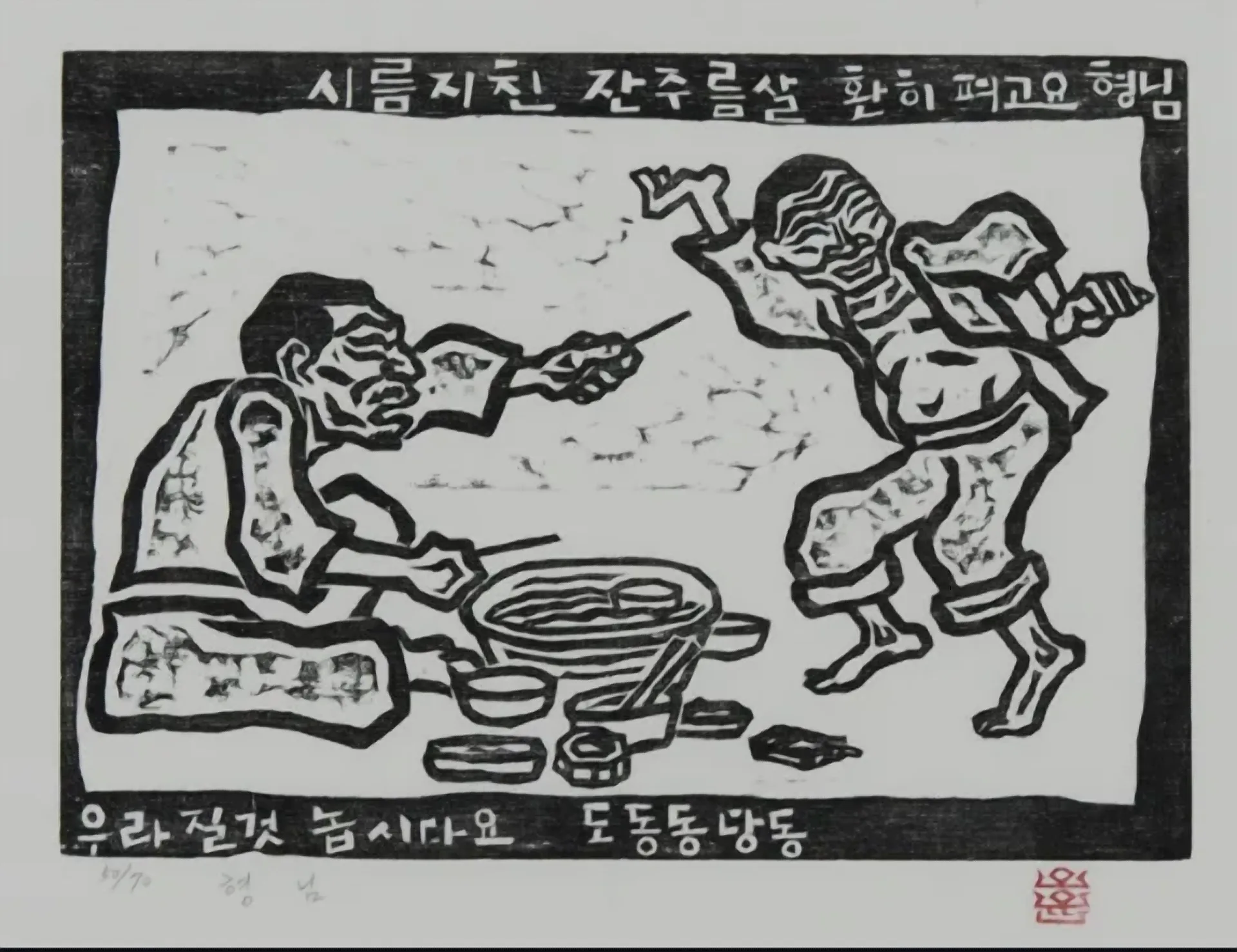
Seed Art Festival
·