A guide for collectors sensitive to price and size — single-occupant studios, officetels, renters. Seven works under ₩500,000 and 35cm, five strengths of small sizes, six placement spots, three pairing recommendations.
Under ₩500,000, Under 30cm — Seven First Pieces for Small Spaces and Small Budgets
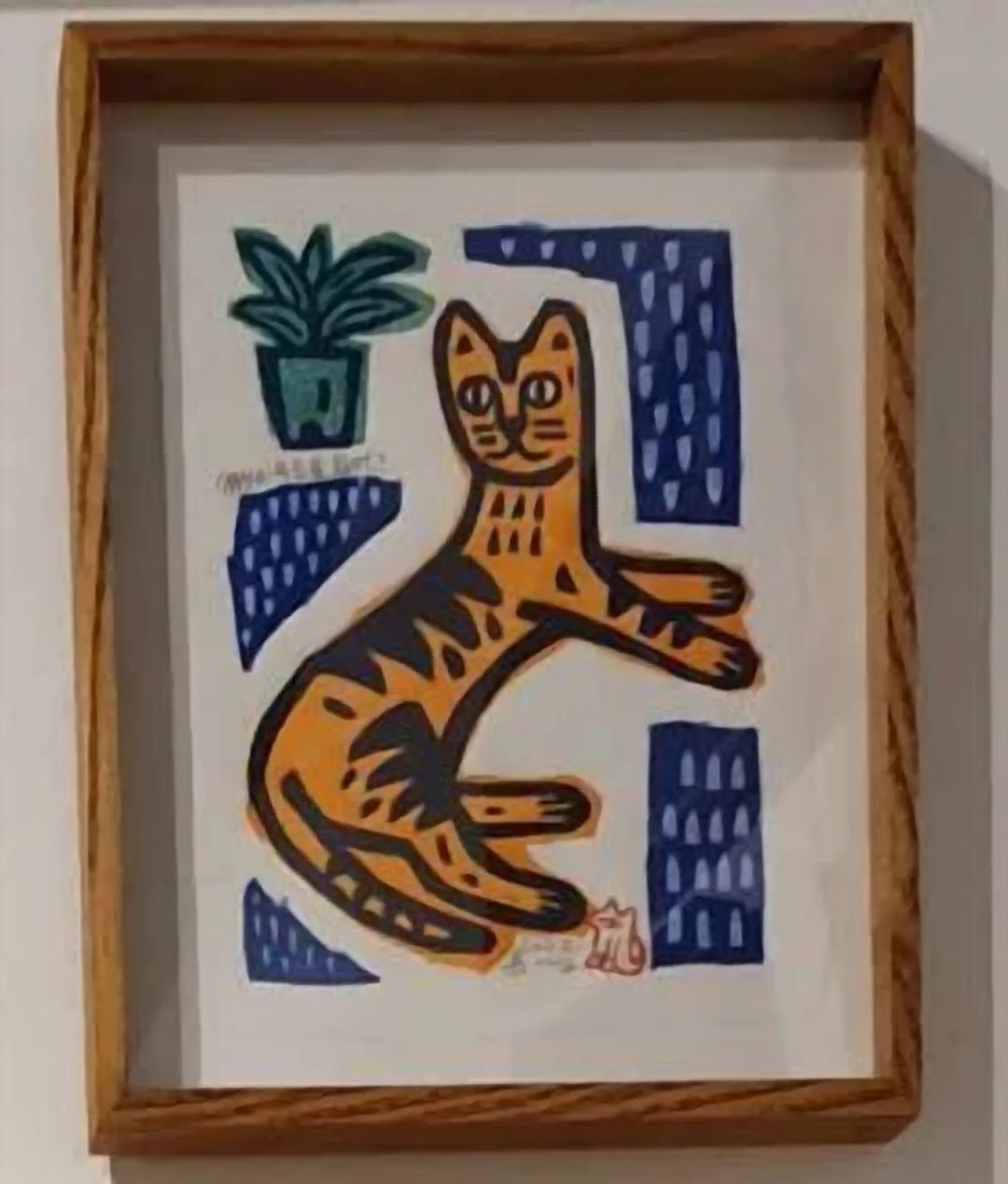
The two biggest entry barriers to art collecting are price and size. "My walls are too small for a big piece," "More than ₩500,000 feels like too much for one work" — the most common words heard from people living in single-occupant apartments, studios, and rental homes.
This piece introduces seven works chosen within two strong constraints: under ₩500,000 and under 35cm. Real first pieces possible within small spaces and small budgets — read alongside the ₩400,000 first collection guide to cover both dimensions of a first purchase: price and size.
Five strengths of small-sized works
A small work is not simply "a shrunken version of a large work." Small size has its own distinctive strengths.
Strength 1. Fits into narrow walls
Studios, officetels, and small apartments often have walls under 2 meters. Living-room-main pieces at 80–90cm have nowhere to go. But works under 30cm fit anywhere — above a desk, between bookshelves, beside the entryway, above the headboard. If large works feel cramped in narrow walls, small works shine in them.
Strength 2. Move-friendly
For renters and single-occupant residents, moving is a 1–2 times per year reality. Safely transporting an 80–90cm work during a move is a major burden, but 30cm works wrap with newspaper and bubble wrap in a couple minutes. With moving not a burden, the collection becomes "the first item in the box" rather than "another thing to move."
Strength 3. Pairing is possible
The most powerful advantage of small works. Pairing two or three pieces on one wall is impossible with large works but natural with small ones. Two pieces from the same artist's series, three works in the same medium by different artists arranged in a grid — these visual forms are only possible at 30cm or smaller.
Strength 4. Can sit on desks and consoles
Beyond wall-hanging, small works can rest on desks, consoles, shelves, windowsills. Adding an easel-frame turns the piece into a free-standing object. A single-person desk becoming the artwork's stand — not possible with large works.
Strength 5. Framing costs aren't a burden
Framing for a large work runs ₩250,000–400,000; for a small work, ₩50,000–120,000. The hidden cost of the first purchase isn't a burden at small sizes. The total budget of work + frame can be kept within the ₩500,000 range — only possible at sizes under 30cm.
Six placements for under-₩500,000, small-sized works
A placement guide for small works in tight spaces.
1. Above a desk (the desk becomes the work's pedestal)
The most useful spot in a studio. The artwork enters the field of view while working at the desk. A 30cm piece above a desk where someone works 8 hours a day — the work becomes part of daily life.
2. Between bookshelves on a narrow wall
The 30–50cm narrow wall between two bookshelves often stays empty. Place a small piece there and the bookshelves become the frame for the work. The combination of books + artwork is one of the most natural visual landscapes of a single-occupant home.
3. Beside the entryway (above the shoe cabinet)
A work under 30cm above a shoe cabinet becomes the first thing visible upon entering. Even in a narrow entryway where large pieces can't fit, one piece creates the first impression.
4. Above the headboard (the lying-down field of view)
The bedroom's closest spot. The work in the field of view of someone lying down — becomes the last image before sleep.
5. On consoles or shelves (using easel frames)
Standing a small work on an easel frame means no need to drive nails into the wall. Particularly important for renters — works can be moved out without wall damage.
6. By bathroom or restroom entrances (an unexpected spot)
Inside bathrooms is to be avoided (humidity), but the wall outside the bathroom door is a surprisingly good place for small works. Passed by several times a day, yet usually left empty.
Seven SAF picks — sorted by price
Seven works under ₩500,000 and under 35cm at SAF. Three media (photography, painting, print) and prices distributed evenly from ₩150,000 to ₩500,000.
1. ₩150,000 — Lee Yeol, Blue Baobab of Memory (photography)
- 21x29.7cm · Hahnemühle Baryta FB · pigment ink-jet print · ₩150,000
- An A4-sized fine art photograph. The most rational entry point for a first collection. The blue-toned baobab image suits calm bedrooms, studies, and corridors. Exactly the size that fits above a desk or between bookshelves.

2. ₩170,000 — Kim Lacy, Returning around 5 (square oil painting)
- 19x19cm · Oil on canvas · 2025 · ₩170,000
- A real canvas oil for under ₩200,000. The 19cm square is the perfect size to stand on a desk, between bookshelves, or on a windowsill with an easel frame. With an easel frame, your first piece begins without driving a single nail.
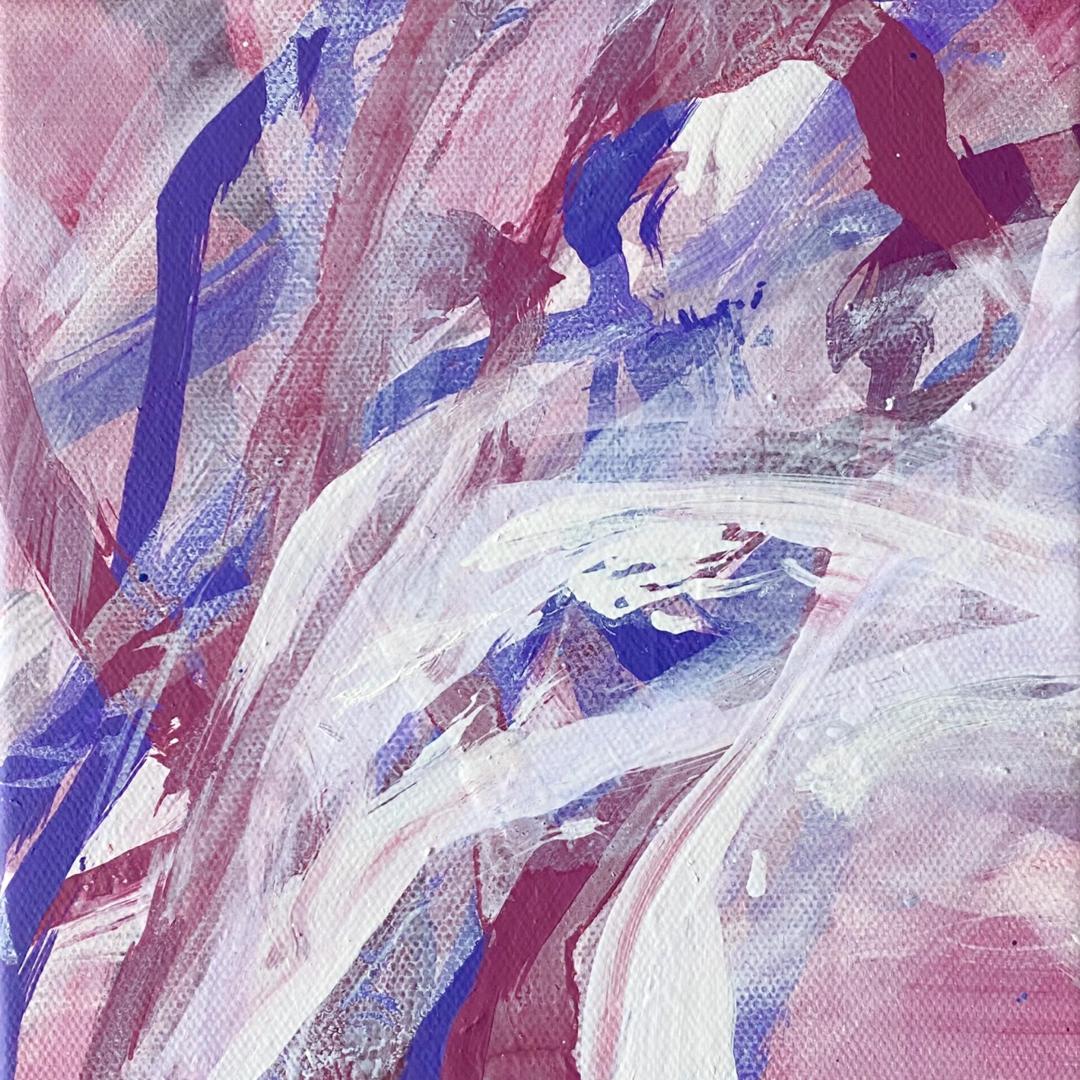
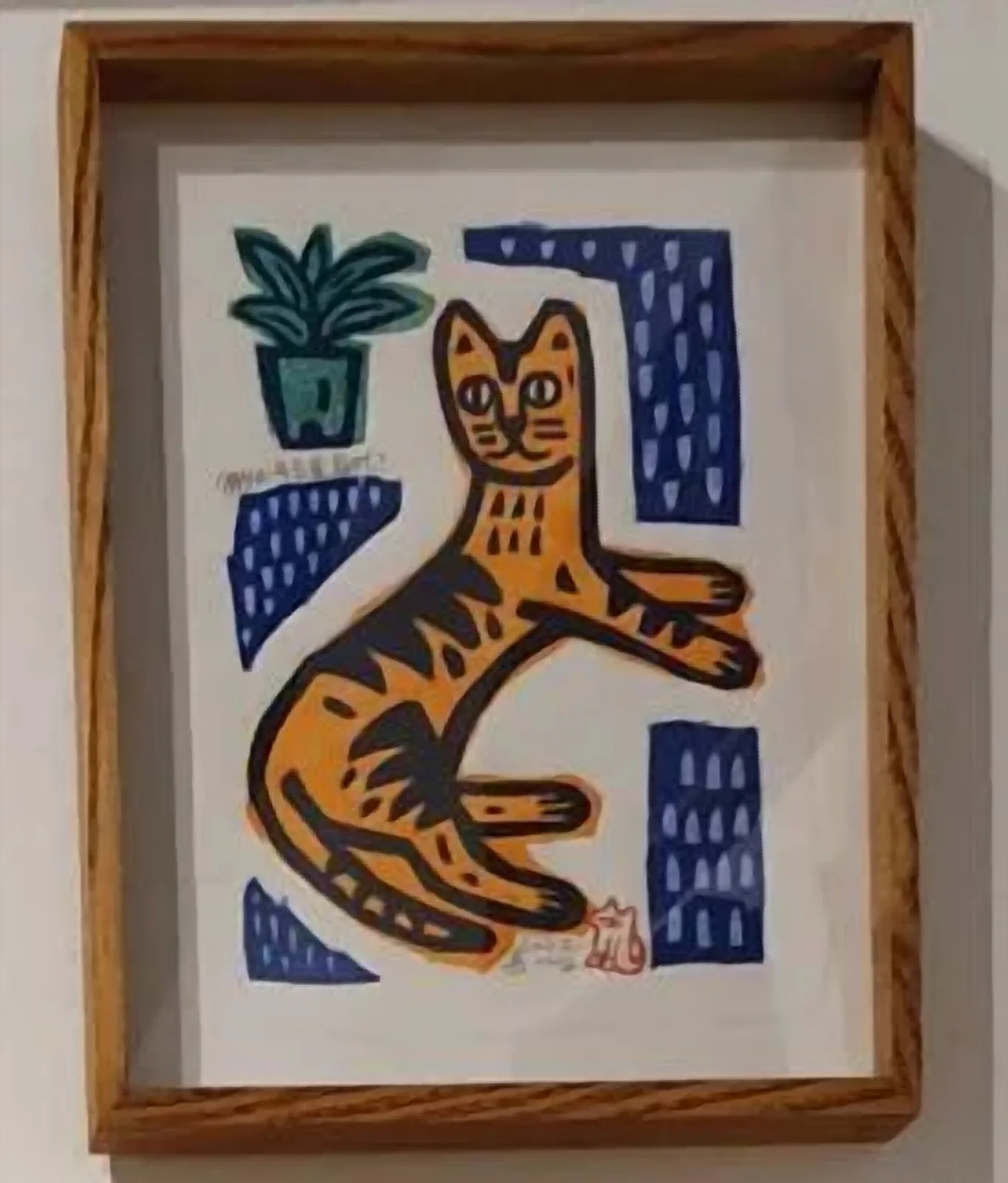
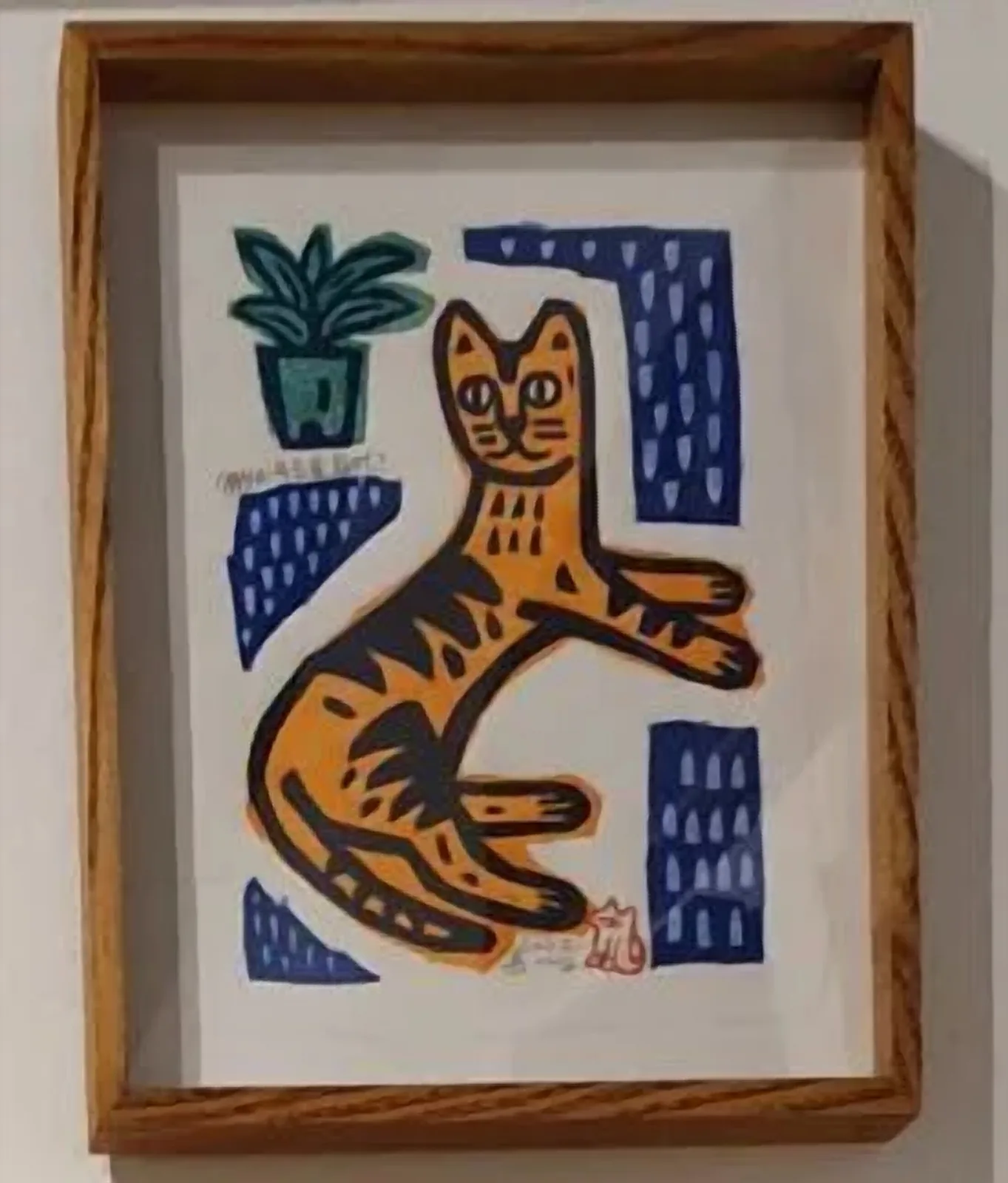
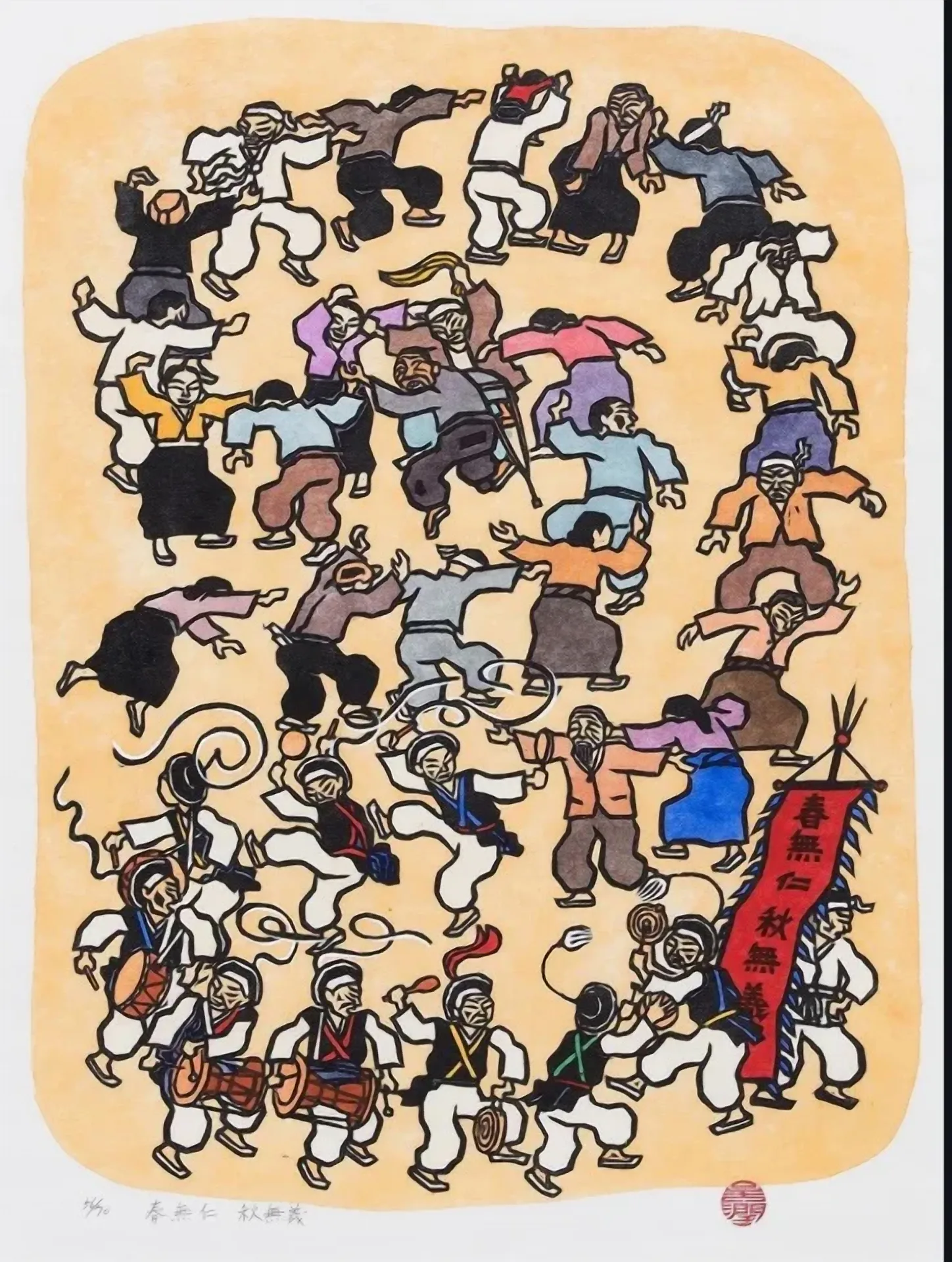
3. ₩200,000 — Lee Yun-yop, What's Going On? (palm-sized master)
- 9.5x14cm · Multi-color woodblock · ₩200,000
- The smallest work at SAF. 9.5x14cm — palm-sized, fitting onto a small console on a desk or the narrowest empty spot in a bookshelf. A multi-color woodblock by Lee Yun-yop, a National Museum of Modern and Contemporary Art-collected artist, at ₩200,000. The smallest first step into a master-artist collection.
4. ₩400,000 — Park Sung-wan, A Smile of Unwavering Spirit (small oil)
- 24.2x33.4cm · Oil on canvas · 2025 · ₩400,000
- A canvas oil under 30cm by an emerging artist. A quiet work of Korean regional landscape that fits bedrooms, studies, or entryways. The most rational price point for starting a first collection with paintings by an emerging artist.
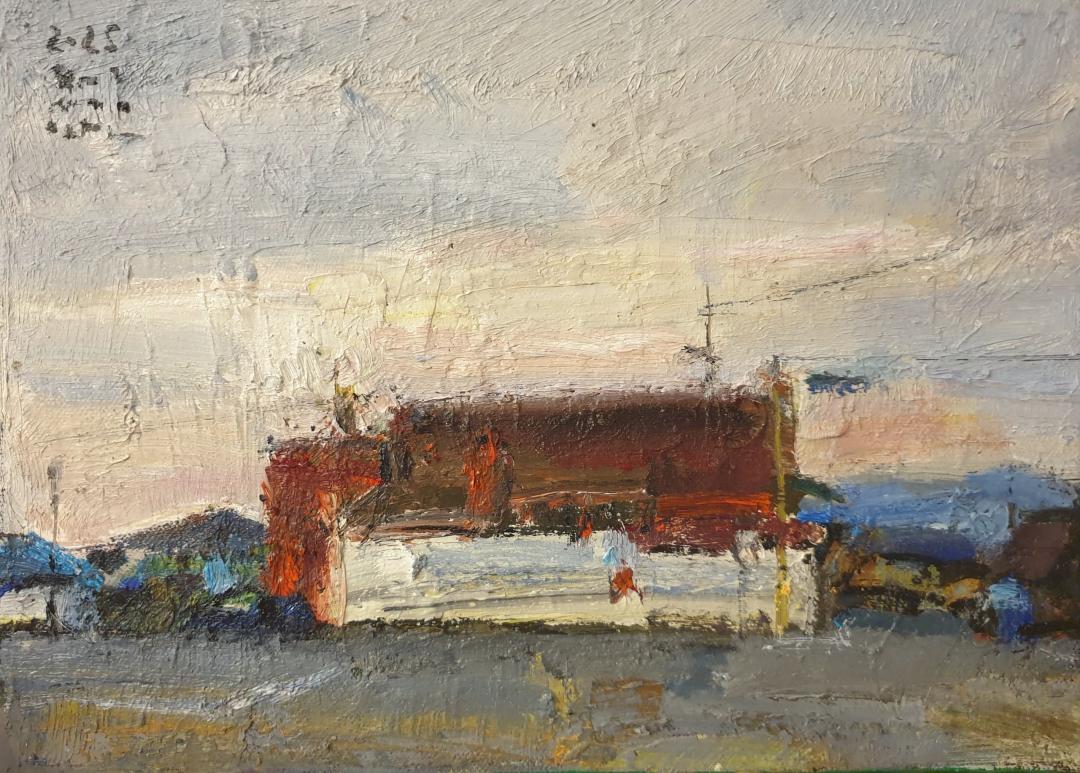
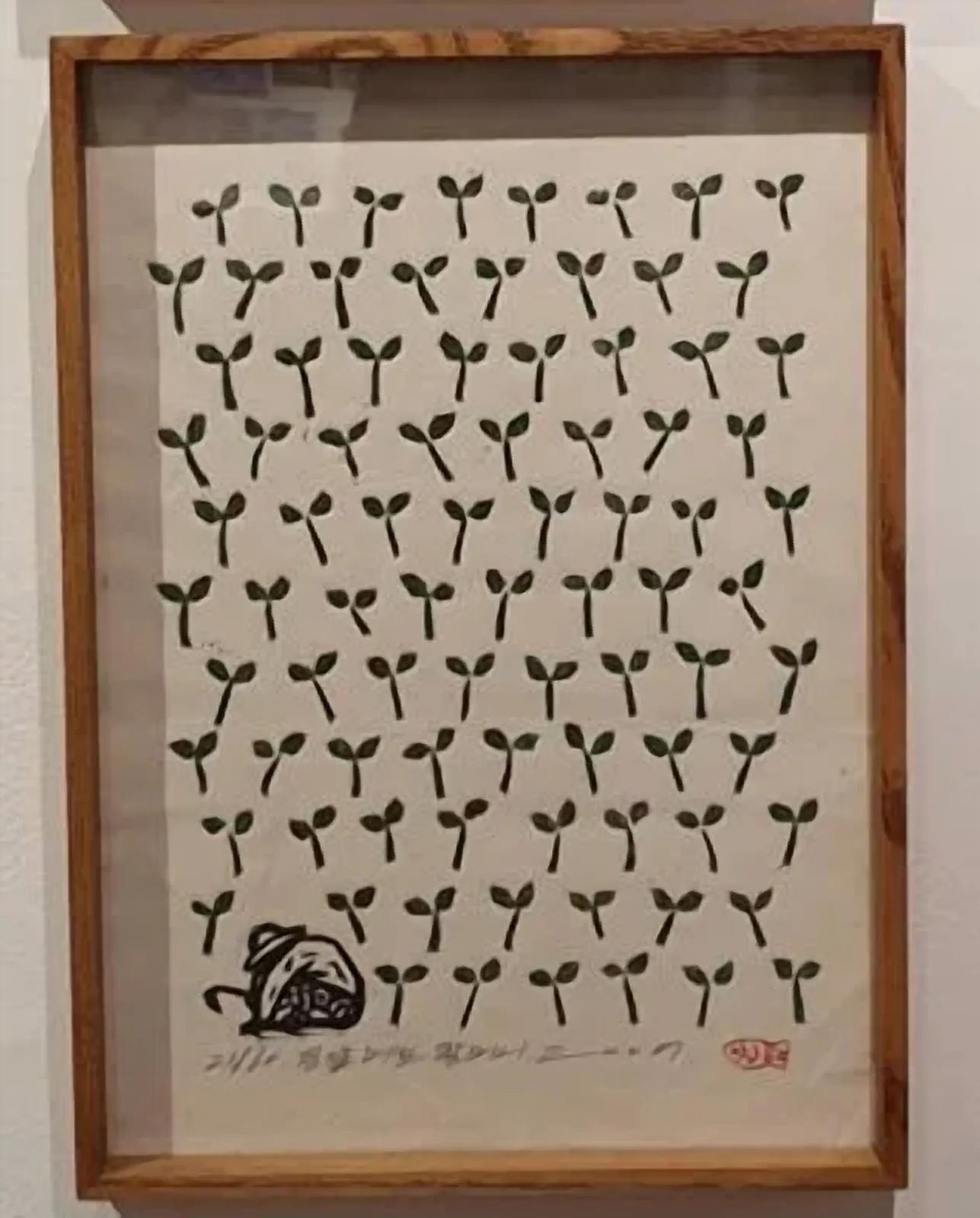
5. ₩400,000 — Lee Yun-yop, Grandmother Weeding the Bean Field 2 (limited master print)
- 25x32.5cm · Multi-color woodblock (edition of 60) · 2009 · ₩400,000
- A 60-copy limited multi-color woodblock bringing in Lee Yun-yop's farmer motif. 25x32cm is a natural size beside a bed, next to a desk, or beside a dining table. The piece where a first collection meets a master's limited edition — a good balance of meaning and price.
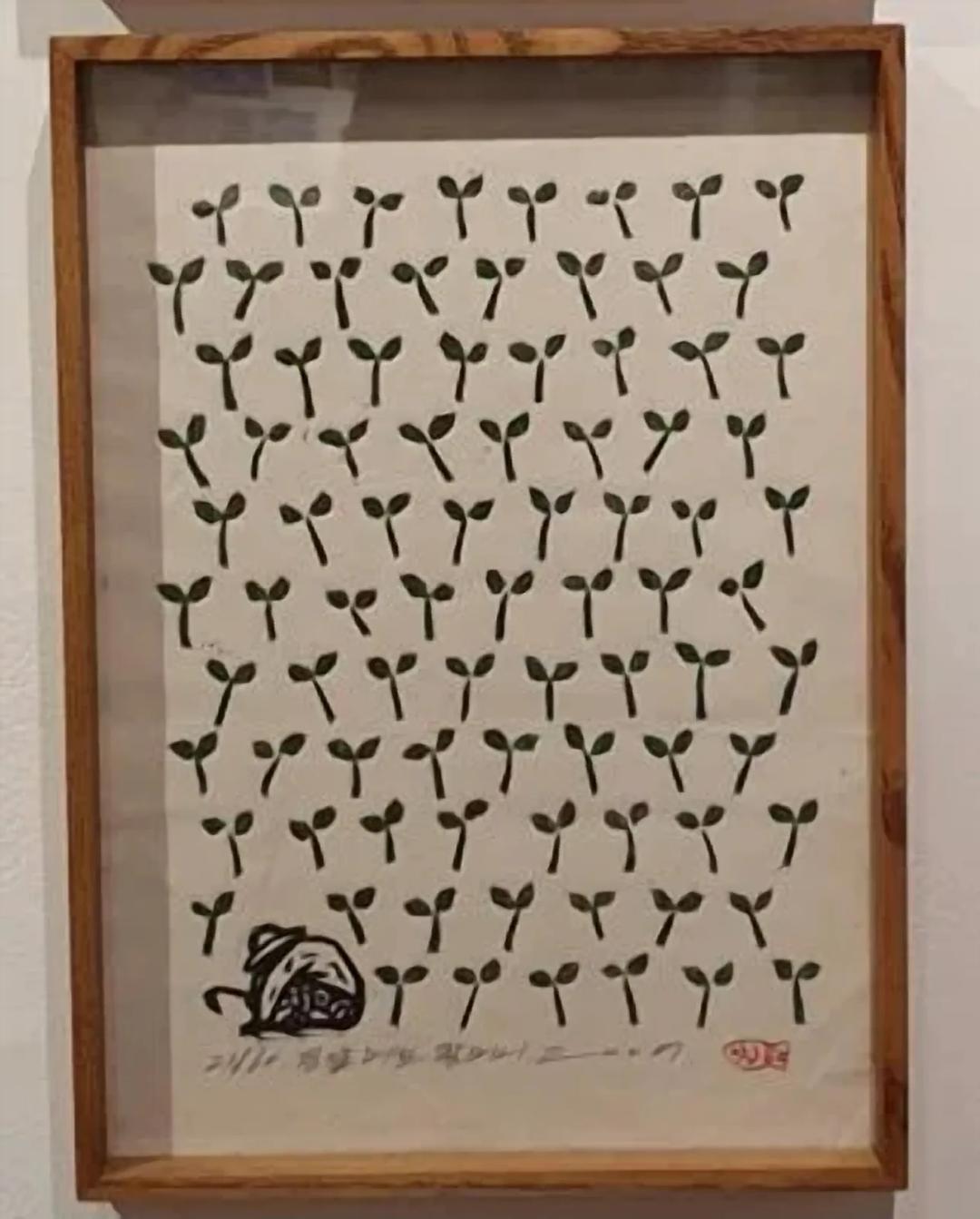
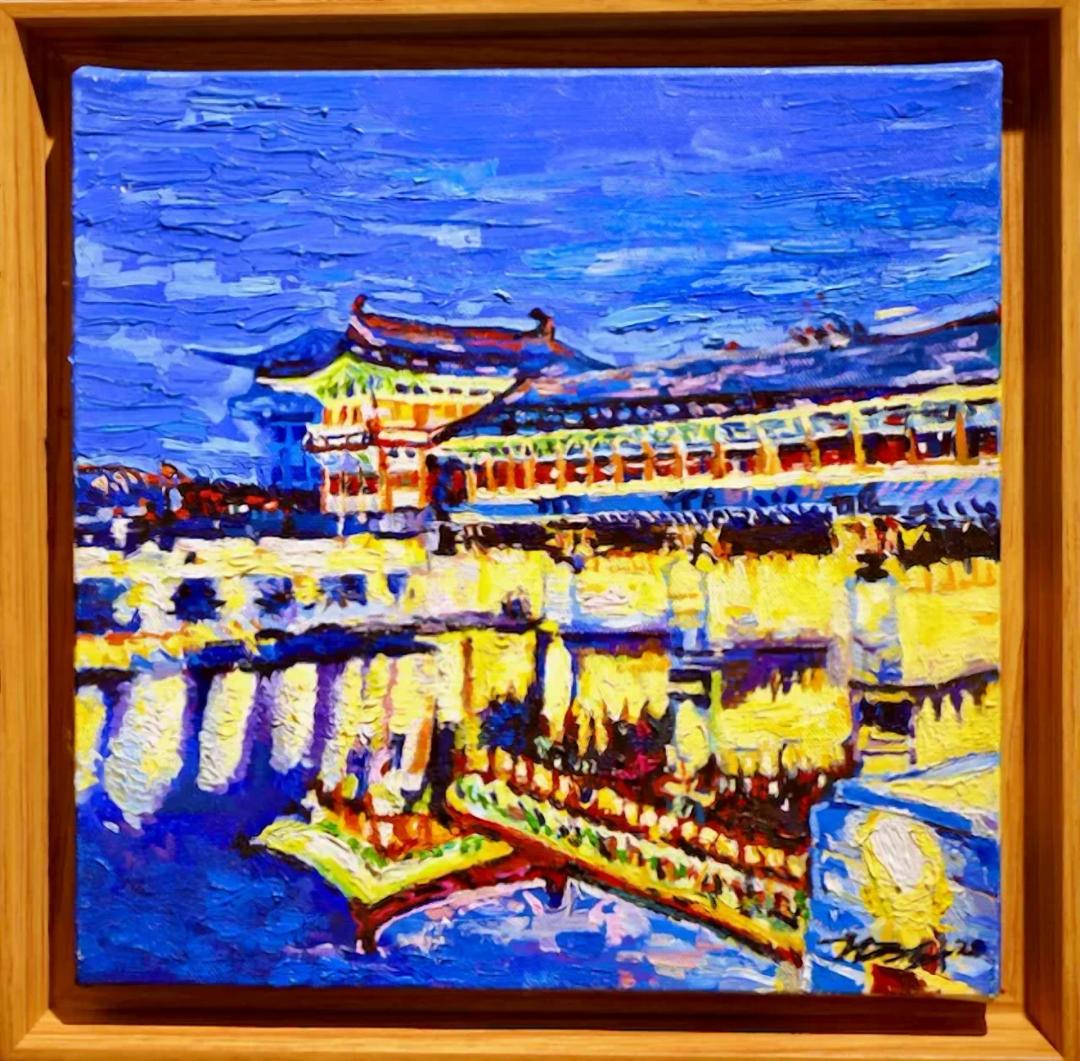
6. ₩500,000 — Kim Joo-hee, Woljeong Bridge (square oil)
- 31.8x31.8cm · Oil on canvas · 2020 · ₩500,000
- A 31.8cm square oil of Woljeong Bridge in Gyeongju. The square format suits any spot — above a desk, on a console, on a dining-area secondary wall. The calm tone of classical Korean landscape adds meditative depth to a small space.
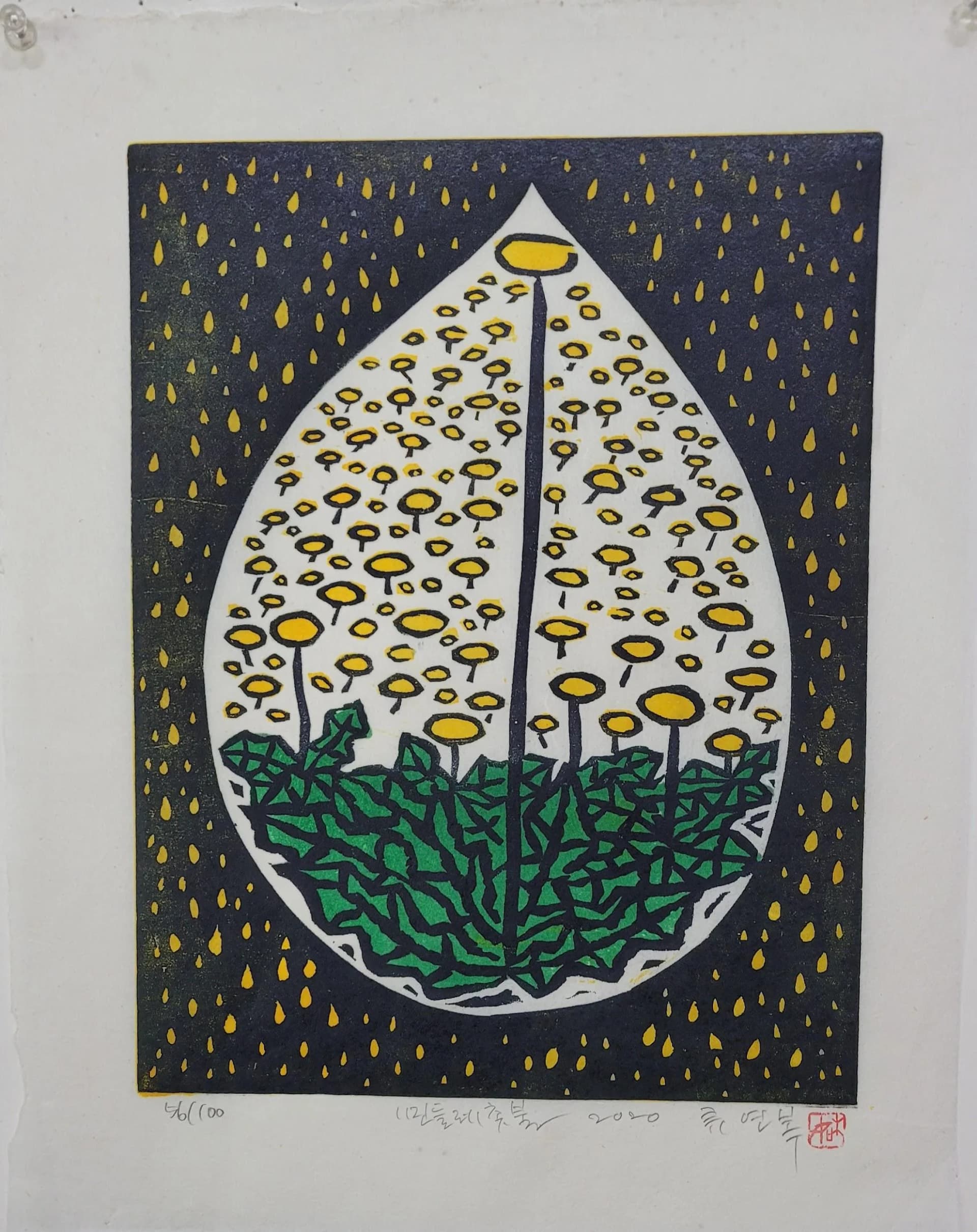
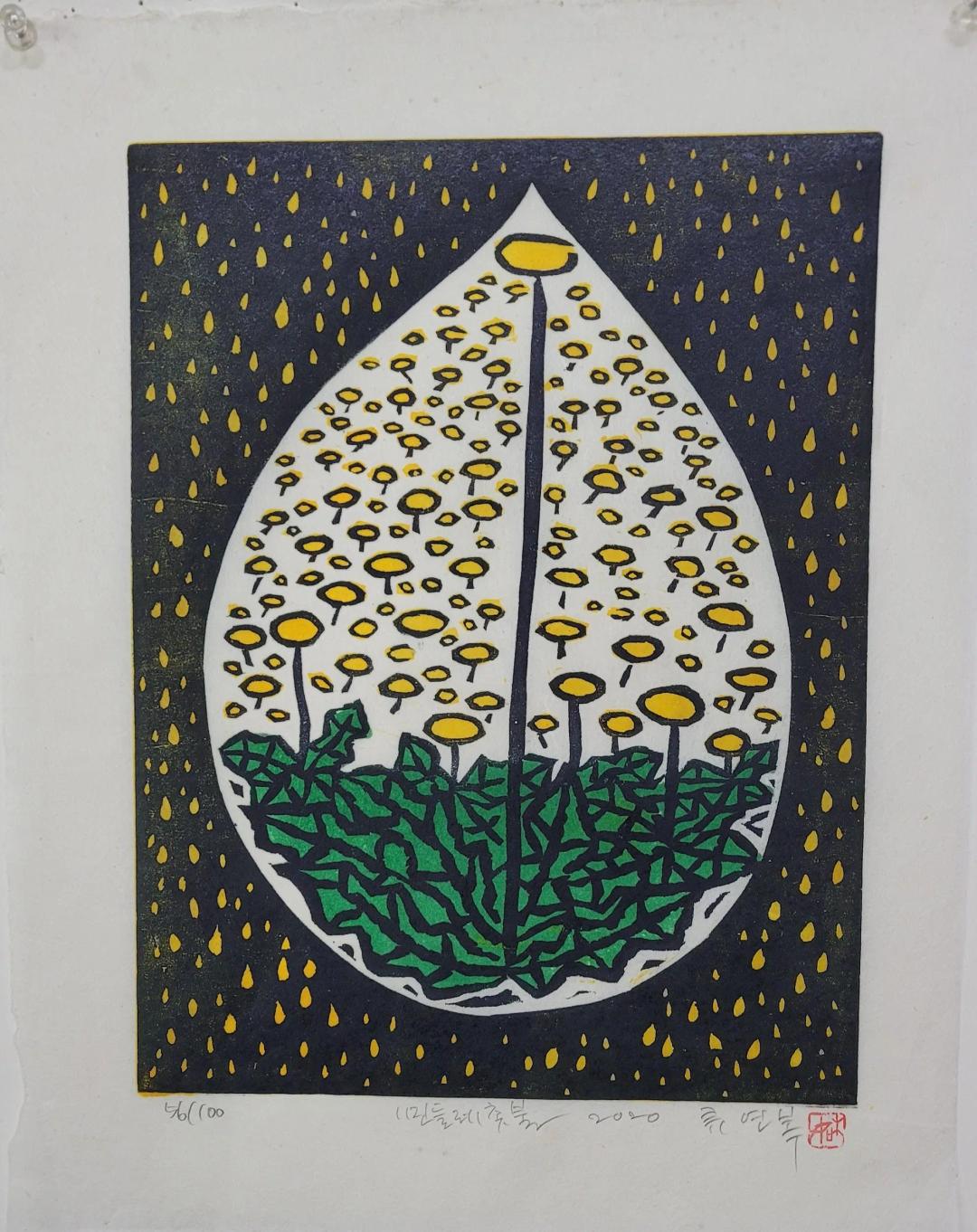
7. ₩500,000 — Ryu Yeon-bok, Dandelion Candlelight (print of hope motif)
- 30x35cm · Print · ₩500,000
- Dandelions and candlelight — two universal symbols of hope and warmth on a single surface. 30x35cm fits entryways, dining areas, bedrooms. The calm tone enters any interior without imposing. One of the safest first pieces for a small space.
Pairing small works — two or three pieces together
The most powerful form of small sizes is pairing. Hanging two pieces of an artist's series side by side, arranging two pieces of the same medium in a grid — visual forms impossible with large works.
Three recommended pairings:
- Same-artist series pairing: Lee Yun-yop What's Going On? + Grandmother Weeding the Bean Field 2 — palm-sized and 30cm placed horizontally side-by-side, comparing two grains of one artist on a single wall
- Different-medium pairing: Lee Yeol Blue Baobab of Memory (photography) + Kim Lacy Returning around 5 (painting) — the visual contrast of flat photograph and canvas oil on one wall
- Square grid: Kim Lacy Returning around 5 (19x19) + Kim Joo-hee Woljeong Bridge (31.8x31.8) — two squares stacked vertically, the visual stability of square forms
These pairing collections complete one wall — for a total of ₩300,000–700,000, the most rational form available.
Frequently asked questions
Q. Does art fit a single-occupant studio apartment? A. It fits very well. The visual impact of one piece is stronger in a tight space. In a large living room, a large work fills the space; in a tight studio, a small piece — changes the tone of the space itself. With Korean single-person households now over 35%, small-space collectors are also the fastest-growing market.
Q. I'm renting — can I drill into the wall? A. Easel frames mean no drilling. Stand the work on a desk, console, or windowsill. Alternatively, 3M Command hooks or similar adhesive hangers let you hang without wall damage. When you move, removing the hook leaves the wall intact — the most realistic form for renters.
Q. How do I keep the total cost of work + frame under ₩500,000? A. Work ₩300,000–400,000 + frame ₩50,000–100,000 = total ₩350,000–500,000. Framing for works under 30cm runs ₩50,000–120,000 at local frame shops or online custom framers in Korea. Simple wood or slim aluminum frames are the most rational choice.
Q. Are small works less valuable as assets than large ones? A. Size alone doesn't lower value. If an artist consistently works at small sizes (e.g., Lee Yun-yop's 9.5cm works), that size is the artist's signature. That said, within a single artist's catalog, smaller works tend to price lower than larger ones — so from a pure asset-value perspective, large works are typically more stable. For the asset perspective, see the investment vs. possession guide.
Q. What's the next step after starting with small works? A. The second piece guide lays out five paths. The natural next steps for a small-work collector are (1) same-artist series pairing or (2) one tier up in price (₩700,000–1,500,000) toward a living-room main — well suited after moving to a new space.
Q. Should I buy several small works at once, or one at a time slowly? A. One at a time slowly is the right answer. Even with small works, the first piece decides the grain of the next. Buying multiple at once scatters the collection. Living with one piece for 6–12 months before adding the next — builds collection consistency.
Q. Where can I see small works over ₩500,000? A. Browse the full SAF artworks filtered by price (over ₩500,000) and medium. The ₩400,000 first collection guide also covers entry points by price tier in detail.
The notion that small spaces and small budgets are barriers to art collecting — is itself a notion the art market has manufactured. Within the two constraints of ₩500,000 and 30cm, you can bring in real works by Korean contemporary artists, encounter masters' limited editions, and place canvas oils in your collection. First pieces shine brightest in small spaces.
Related reading
If this piece helped, you may also enjoy these related articles:
Browse more works under ₩500,000 on SAF →
Related Guides
Seed Art Festival
·