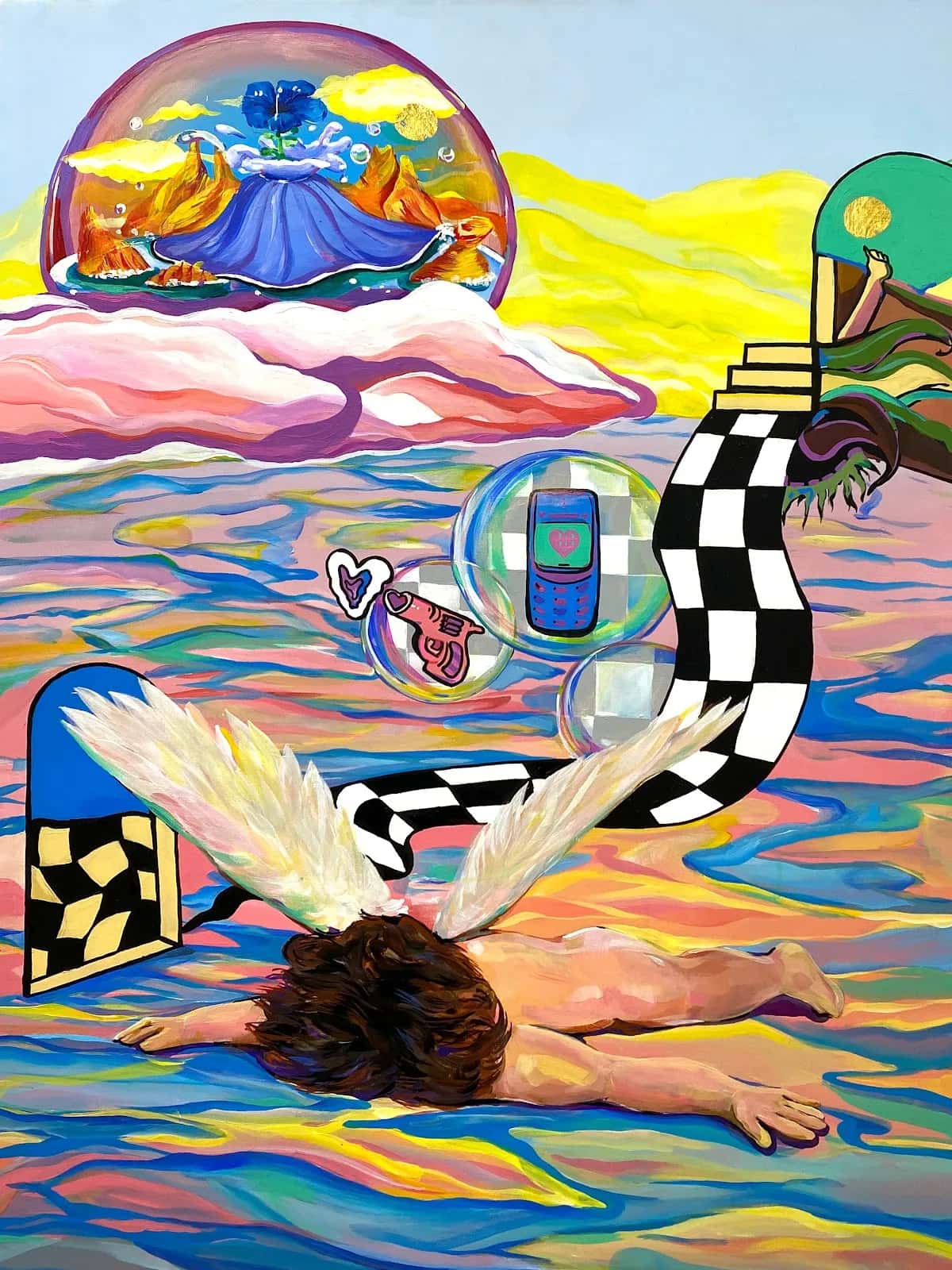
A curation guide for the step after your first artwork. Five paths for the second piece — same-artist series, medium diversification, one tier up, entering the master tier, 2D to sculpture — with recommended works per path.
Your Second Artwork — A Curation Guide for the Step After Your First Piece
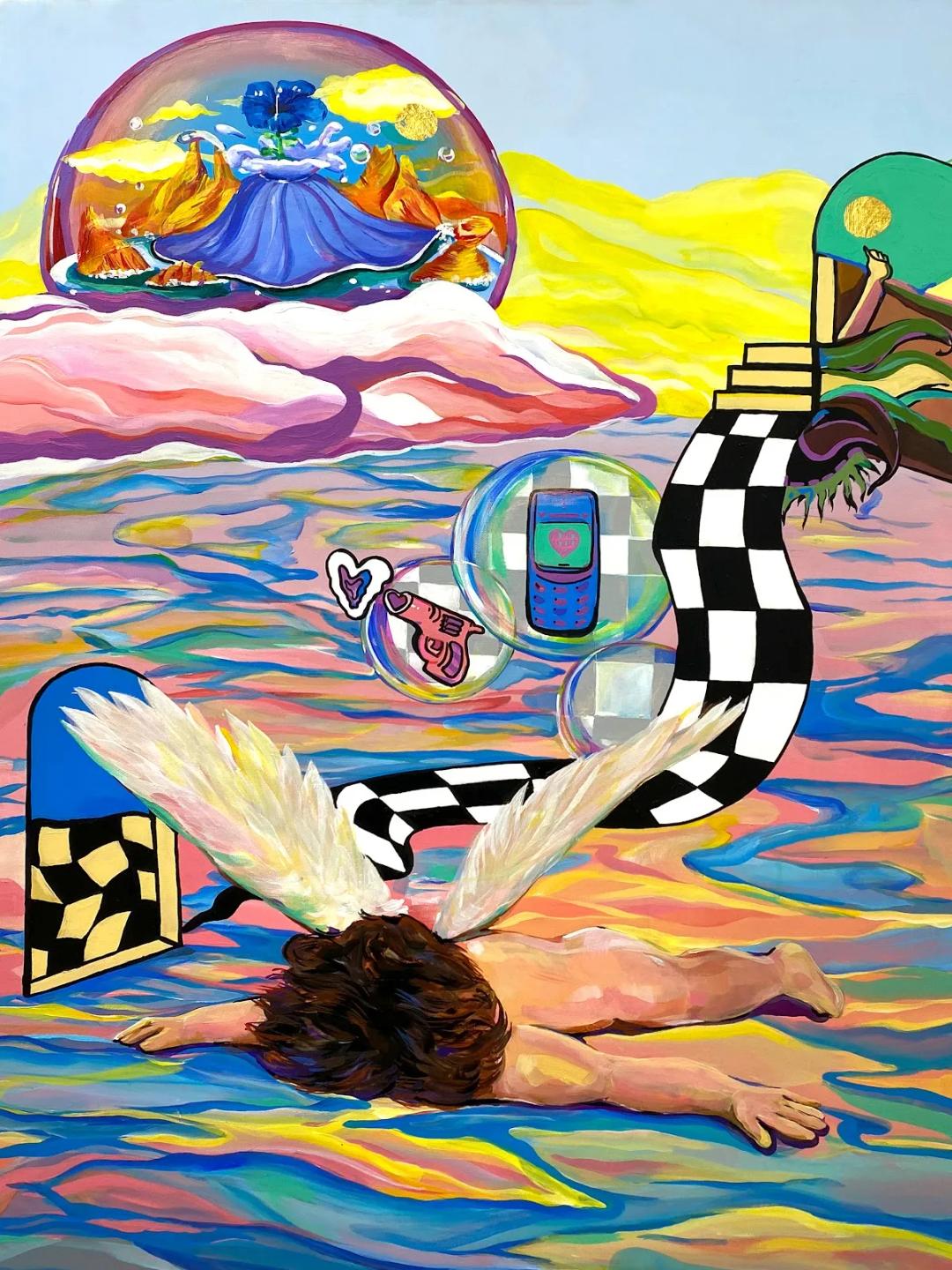
About a year after bringing in your first piece, a question naturally surfaces: "How do I choose my second piece?" The criteria you used for the first work — "Will I love this in ten years?", "Will it suit the wall?" — start to feel insufficient. A new set of criteria emerges: the relationship with your first piece, the direction of your collection, and your own grain as a collector.
This piece extends from the first-collection guides — first artwork for a newlywed home, first collection under ₩400,000, office and café curation, wedding and housewarming gifts — into the next chapter. Five intentional paths for moving from the first piece to the second, with one recommended work per path.
Why the second piece is harder than the first
The first piece is the beginning of taste. With no collection yet, whatever you choose becomes a "first piece" by definition. But the second piece is defined in relation to the first. Same artist's other work, different artist in the same medium, same medium with a different tone — each decision sets the collection's first direction.
If the first piece was closer to an intuitive choice, intentionality as a collector begins with the second piece. The question "what grain do I want my collection to have?" — which didn't arise with just one piece — appears for the first time in front of the second.
This piece doesn't force an answer. Instead it lays out five possible directions. Which path fits you depends on what you felt during your time with the first piece — what makes you want to go one step further.
Five paths for the second piece
Path 1. Extending a single artist's series
If you loved the artist of your first piece, this is the most natural path: pick the second piece from the same artist. If that artist works in a consistent series, placing #1 and #2 side by side on one wall creates a strong visual reinforcement.
The core of this path is meeting an artist's practice more deeply. One piece alone rarely reveals an artist's grain fully. When a second piece by the same artist enters, the grain emerges through the conversation between the two.
Path 2. Medium diversification (painting → print or photography)
If you started with painting, this path moves the second piece to a different medium. Painting's singular surface vs. print's limited-edition; painting's thick pigment vs. photography's flat depth — different media create a richer visual conversation when two pieces share a space.
In particular, master estate prints (Oh Yoon, Lee Cheol-soo, Lee Yun-yop) are the most rational entry into this path. Original paintings by these masters sit in inaccessible price tiers, but limited-edition prints meet their visual language under ₩1,000,000.
Path 3. One tier up in price — a living room main candidate
If your first piece was a ₩300,000–500,000 small work, this path moves to a one-tier-up price range that can serve as a living-room main piece. Typically ₩700,000–1,500,000.
The meaning of this path is a change in spatial occupation. If the first piece was a secondary spot — between bookshelves, over a bedroom headboard — the second piece moves to the main wall above a sofa, the spot that defines the room's visual tone. The shift from one piece to two happens alongside the shift from one spot to two.
Path 4. Entering the master tier
If your first piece was by an emerging artist, this path moves the second to a master with an established place in art history. Artists whose position is clear in Korean art history — Oh Yoon, Park Jae-dong, Lee Cheol-soo, Lee Yun-yop — through their limited editions or estate prints.
The value of this path is adding historical weight to the collection. If emerging artists hold possibility and future, master artists hold the time of Korean art. When two works coexist in one collection, the collector's vision expands in two directions: contemporary and historical.
Path 5. Spatial and material diversification — from 2D to sculpture
If you started with painting or print, this path moves the second piece to three-dimensional media — sculpture, ceramics, installation. Works that hang on walls and works that sit on desks or consoles occupy space in different ways.
This path is also an expansion of the collector's territory. Walls = the domain of painting, photography, print. Desks, consoles, floors = the domain of sculpture and ceramics. A collection that holds both — moves beyond visual collecting toward filling an entire space with works.
Recommended works by path
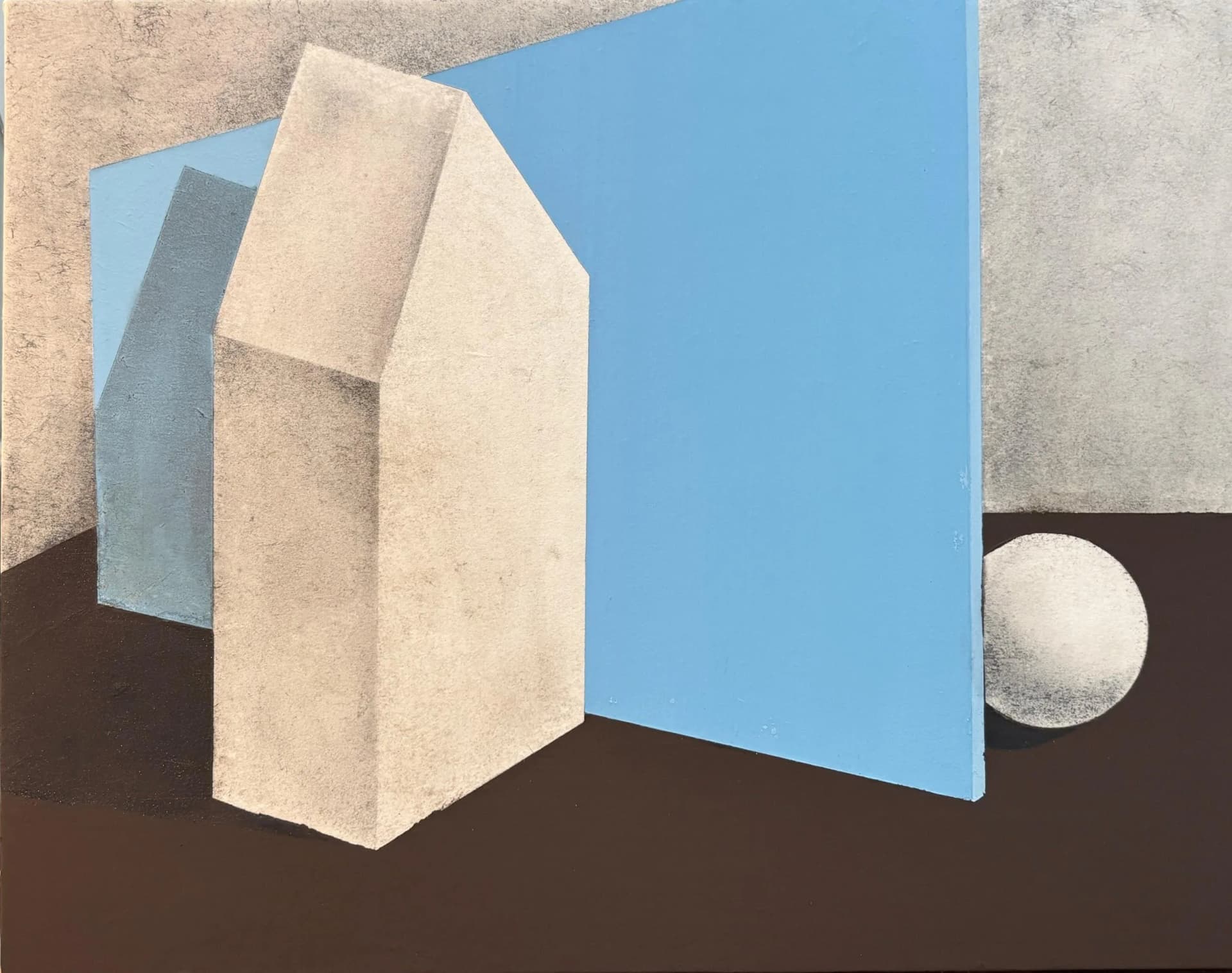
Path 1 — Jeong Seo-on, Shape of the Heart #2
- 32x40cm · Graphite powder and pigment on jangji paper · ₩600,000
- The same-artist next work for the Jeong Seo-on Between You and Me #1 recommended in the newlywed home guide. Same medium (jangji, graphite, pigment), same calm tone, with a different motif. Pairing #1 and #2 above a bedroom or in a study is the most powerful form of this path.
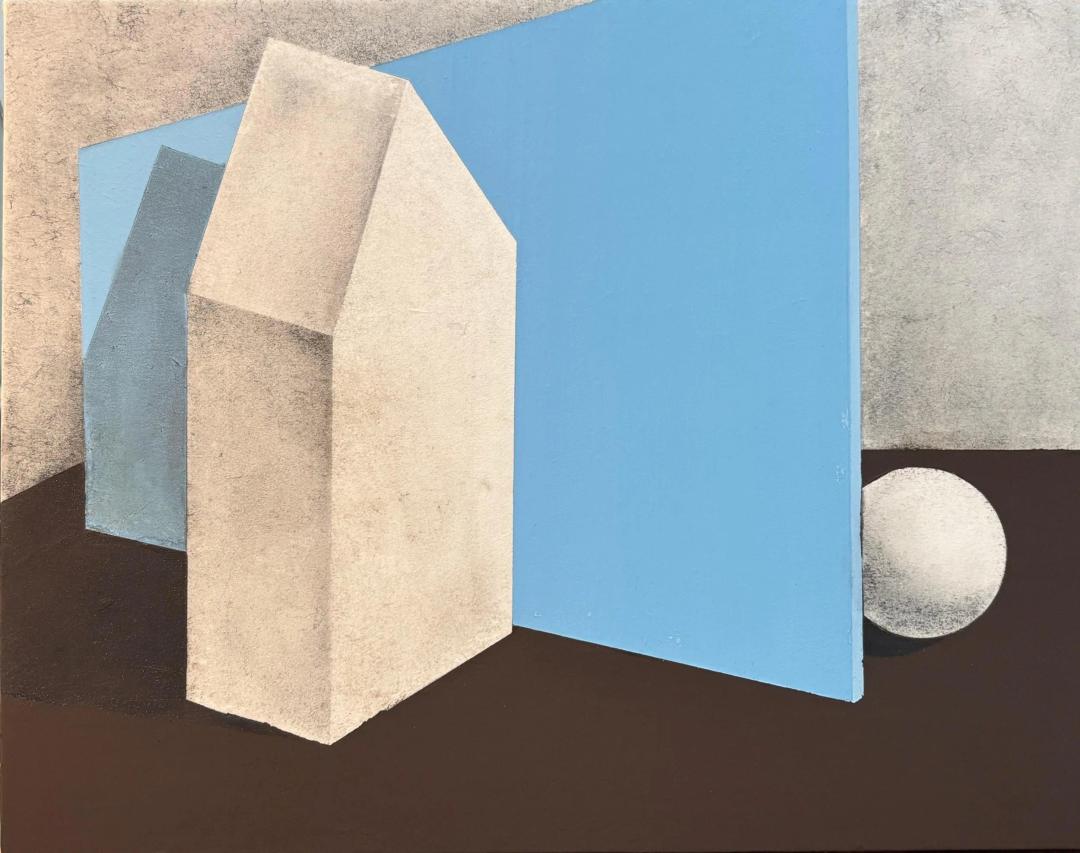
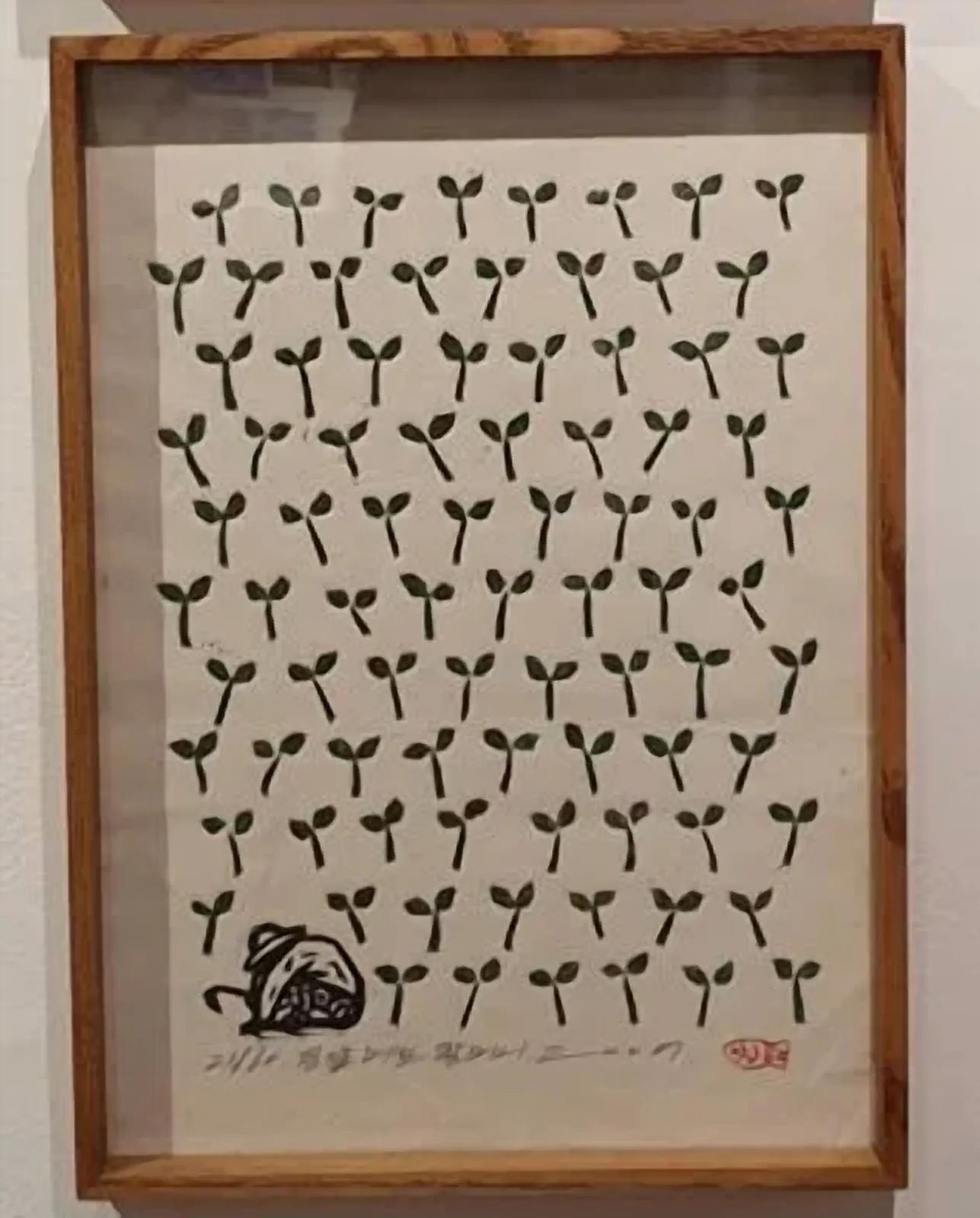
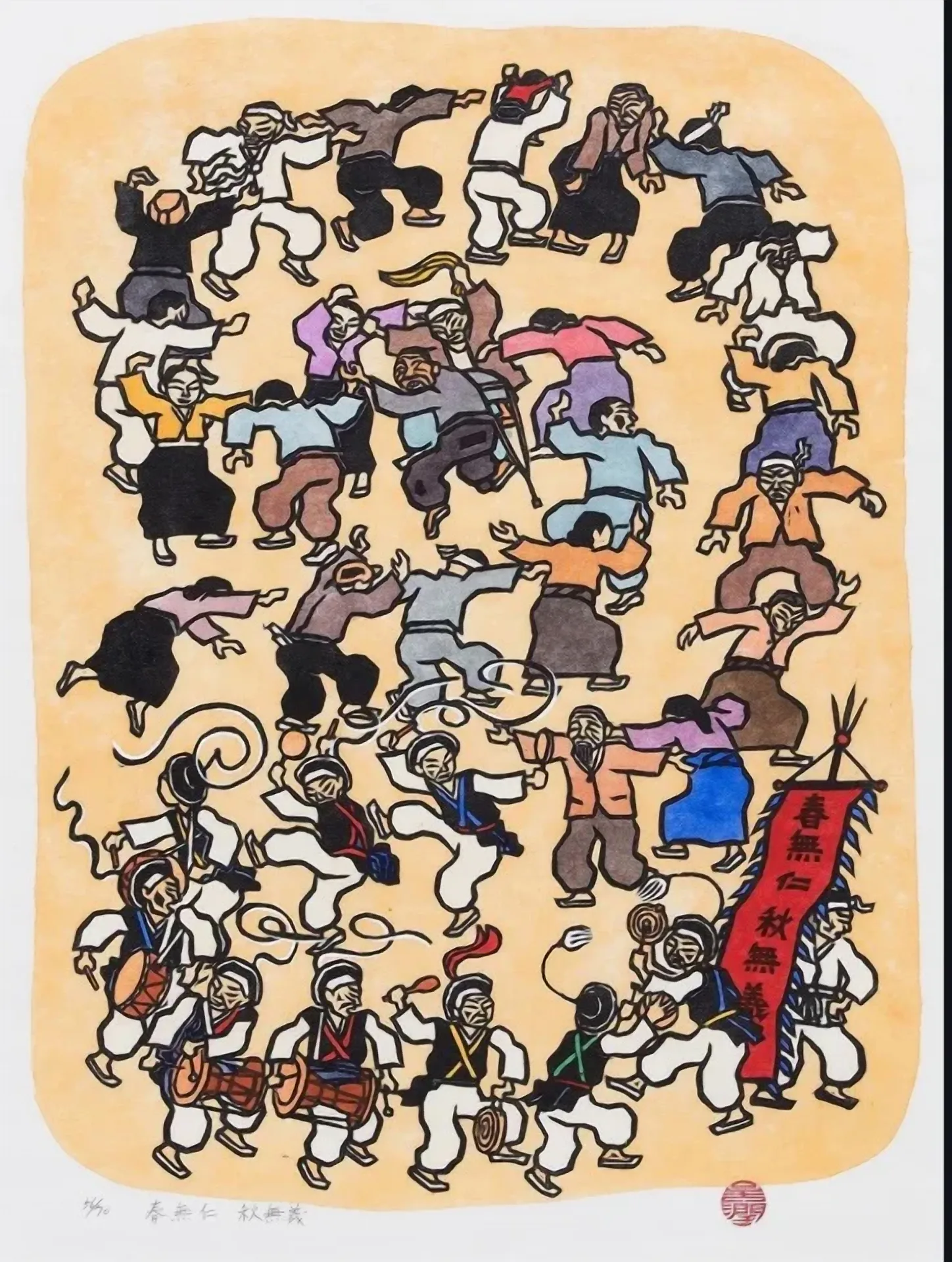
Path 2 — Lee Yun-yop, Grandmother Weeding the Bean Field 2
- 25x32.5cm · Multi-color woodblock (edition of 60) · ₩400,000
- The first entry into a master estate print for a painting-led collector. A 60-copy limited multi-color woodblock brings Lee Yun-yop's farmer and minjung motifs into your home at ₩400,000. When painting's thick pigment and woodblock's firm line meet on one wall, the conversation between media begins.
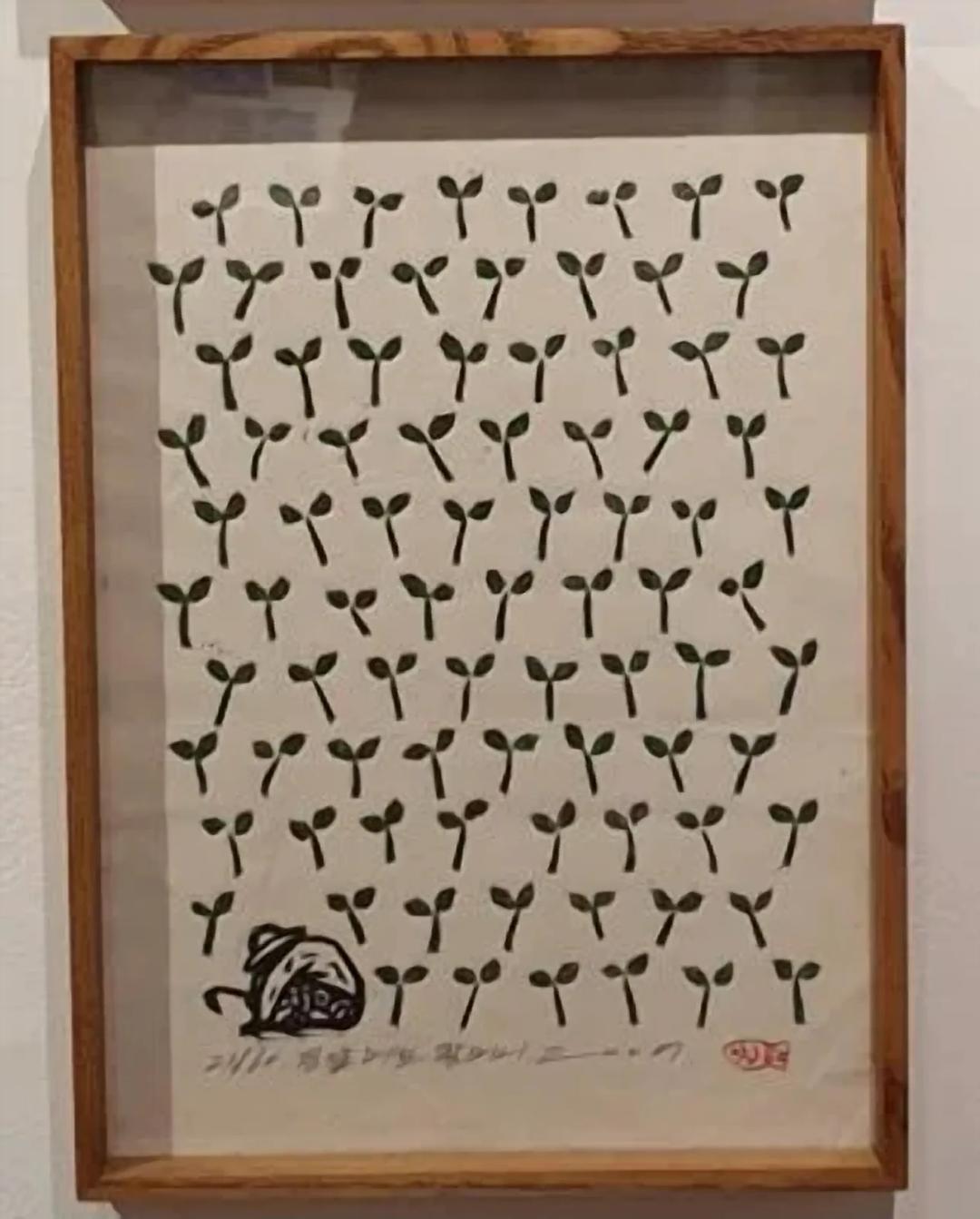
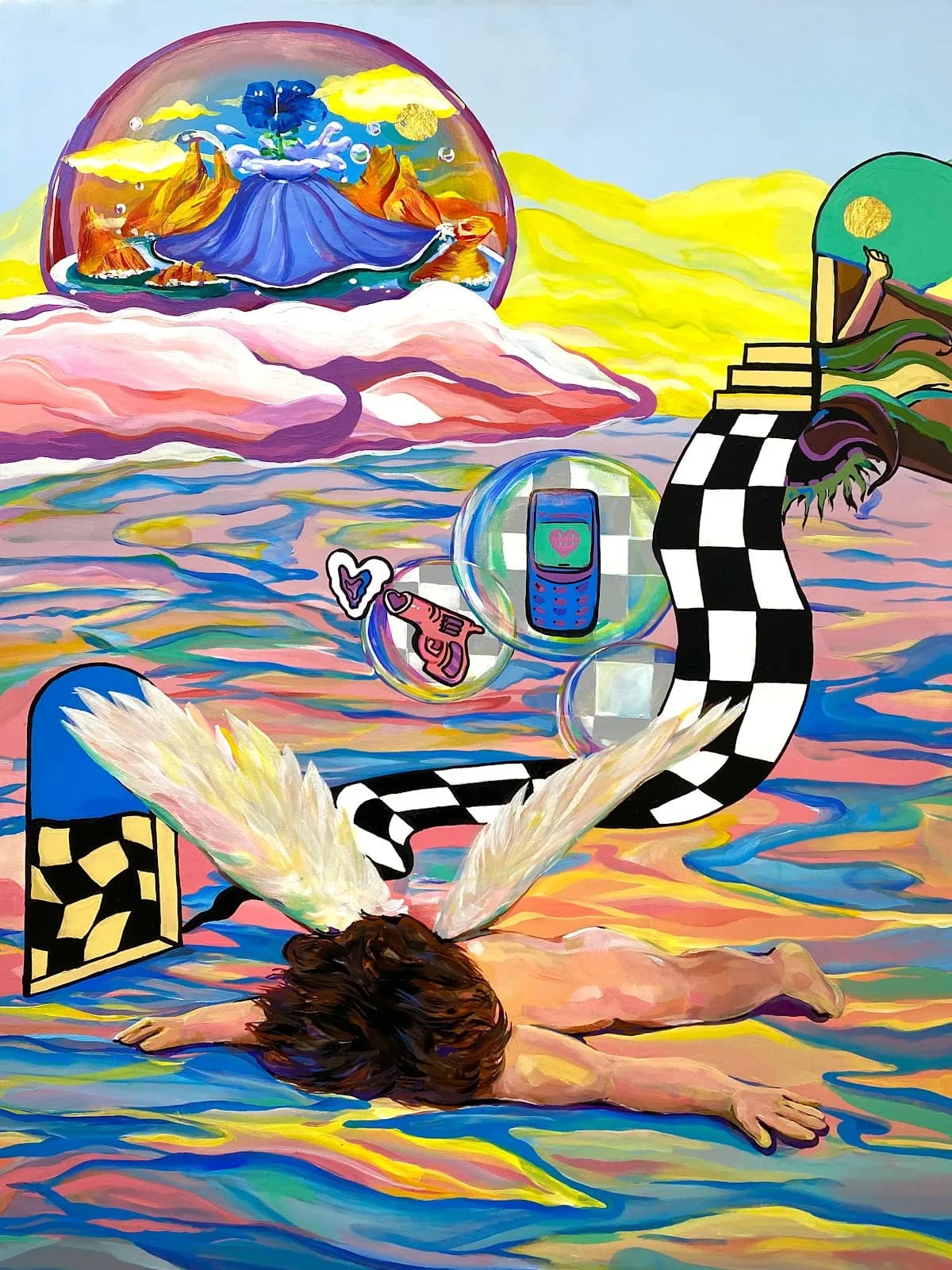
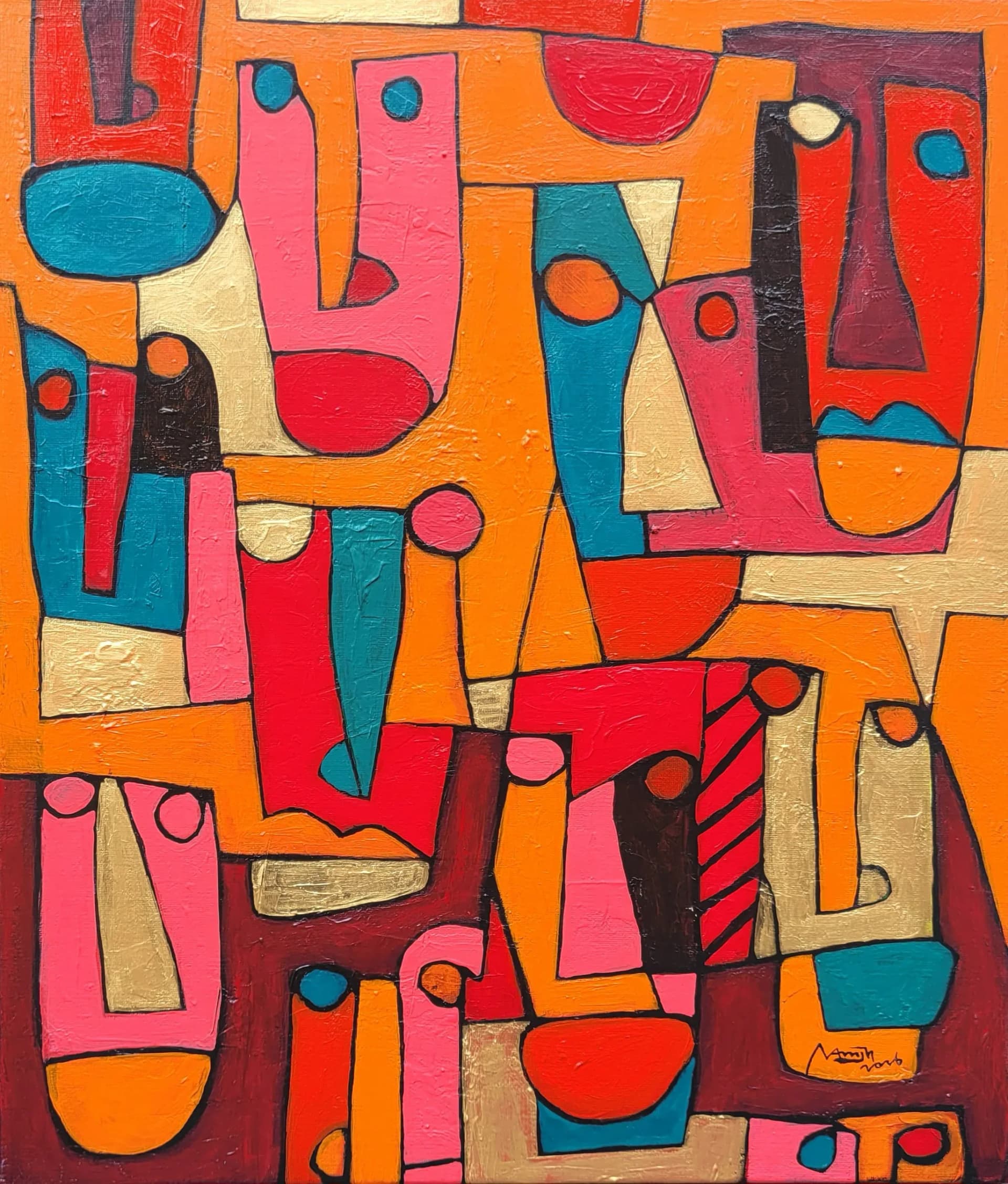
Path 3 — Han Mi-young, Lovers
- 90.9x65.1cm · Mixed media on canvas (acrylic, gold leaf) · ₩800,000
- If your first piece was a ₩300,000–500,000 small work, the 80x65cm at the ₩800,000 tier is the one-step-up size that becomes a living-room main. The warm light of gold leaf sets the living-room tone immediately. Also the living-room main recommendation in the newlywed home guide — the natural next step for collectors who began in a bedroom.
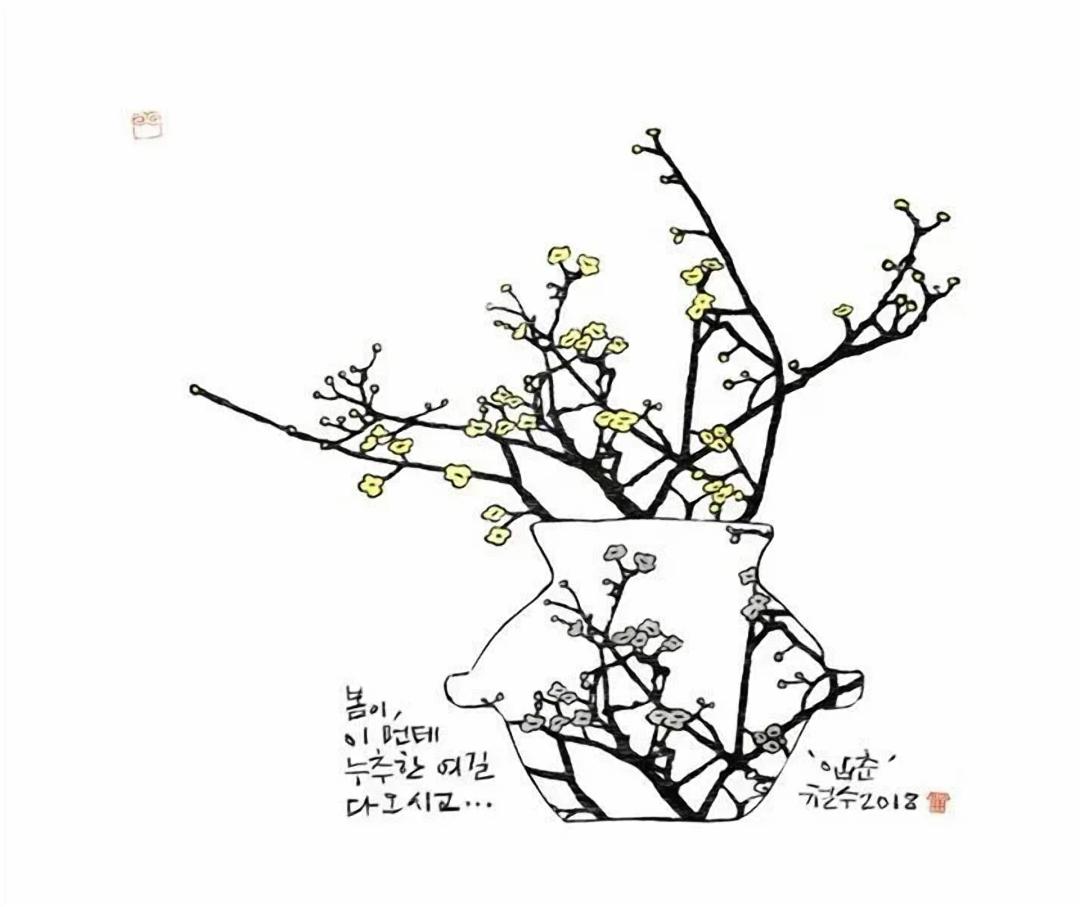
Path 4 — Lee Cheol-soo, Beginning of Spring
- 50x42cm · Woodblock on hanji paper · ₩1,200,000
- The full entry into Korean woodblock master Lee Cheol-soo. A limited edition carving the beginning of spring, adding the weight of Korean art history to your collection. Meeting an artist's signature medium (woodblock on hanji) after 30 years of practice, at ₩1,200,000. The collector choosing this path — wants to hold both the contemporary and the historical within a single collection.
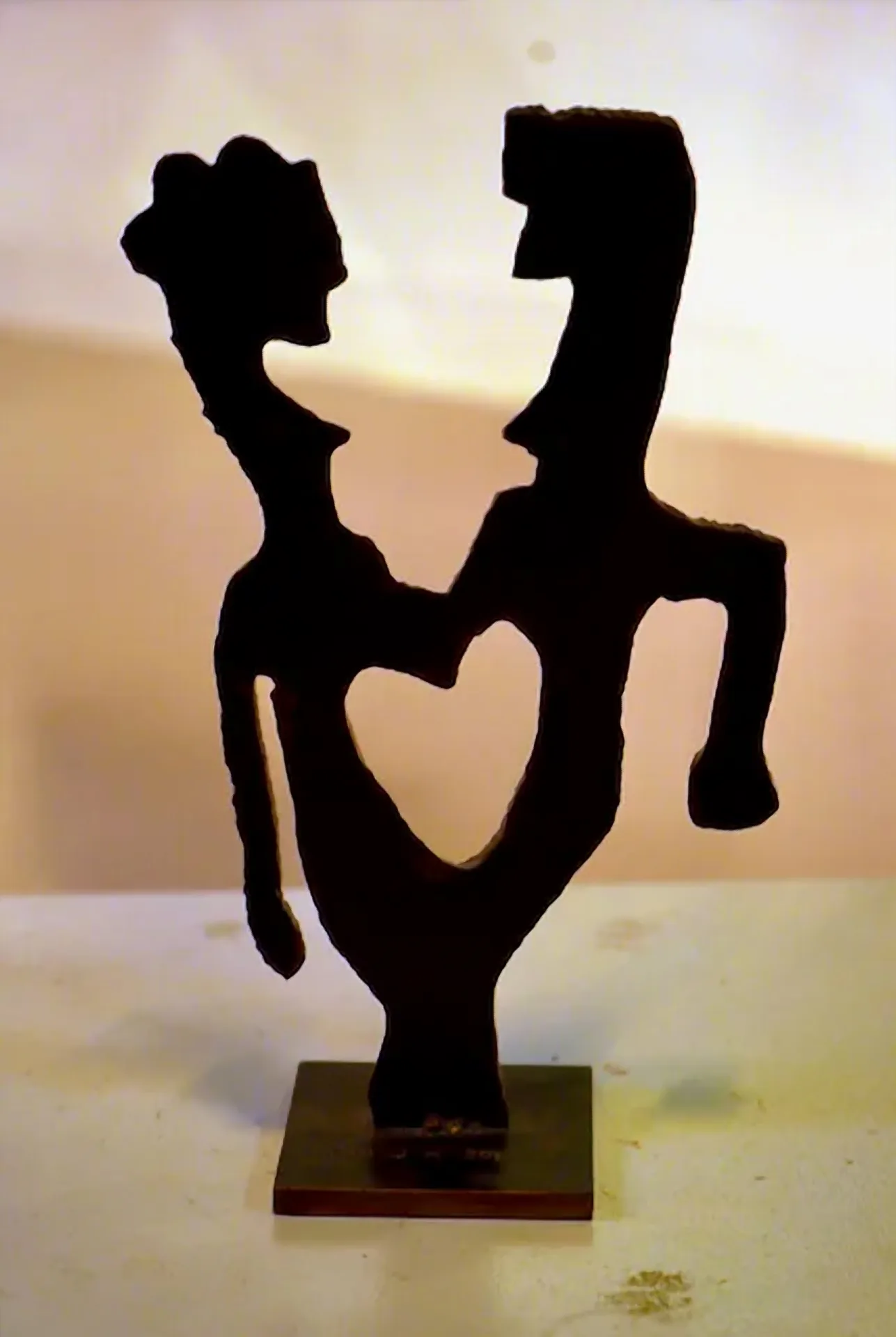
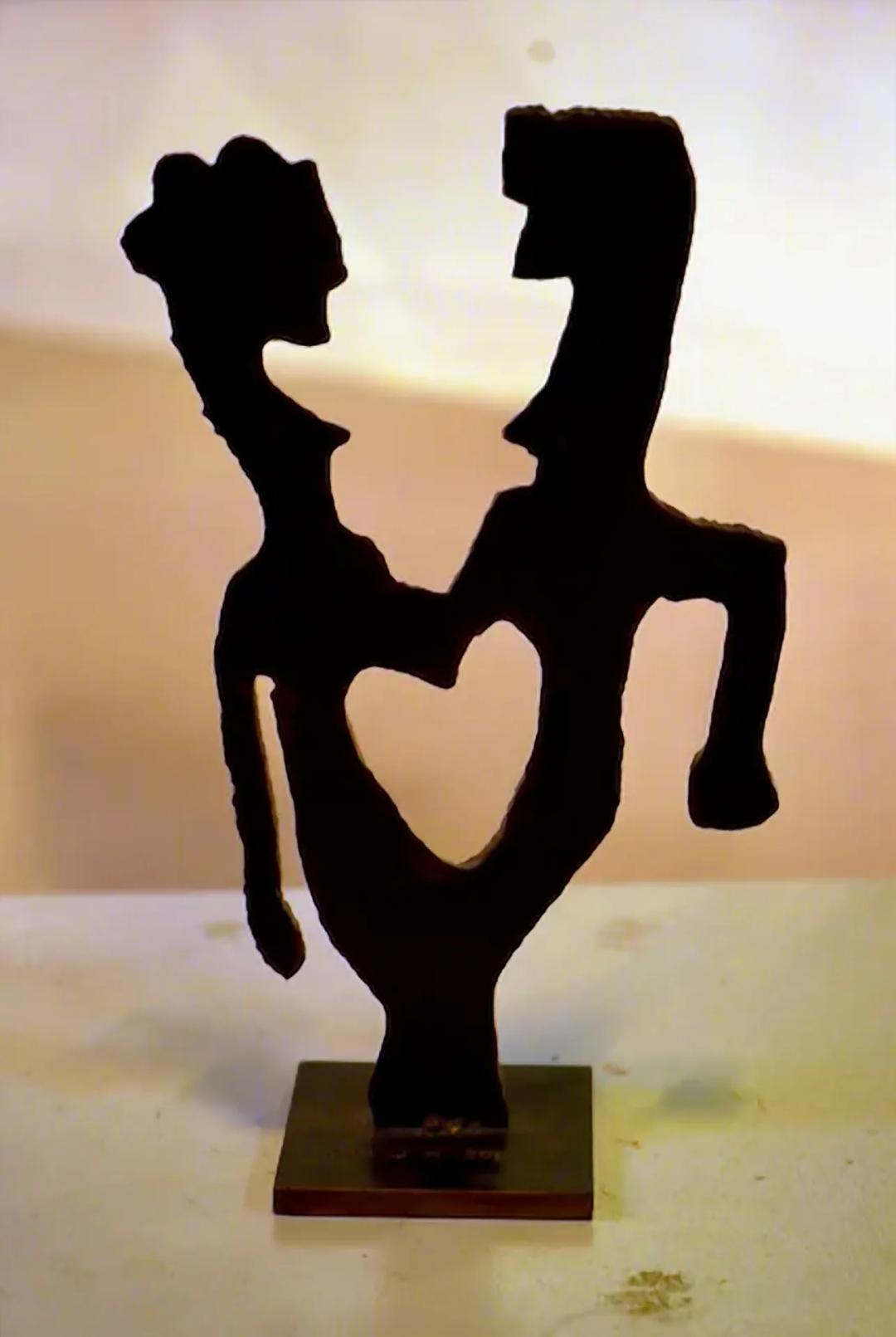
Path 5 — Kim Joo-ho, Making Love
- 33x20x9cm · 8mm steel plate sculpture · ₩1,000,000
- The first three-dimensional medium in a collection filled only with paintings, prints, and photographs. When the weight and permanence of 8mm steel meets the flatness of paintings and prints in one space, the collection finally becomes three-dimensional. Also the executive-desk recommendation in the office and café guide — the stage when a small sculpture enters the collector's desk or console.
Building a "relationship" between the first and second pieces
Whichever of the five paths you choose, one more question before deciding the second piece is — "What conversation will the two works have in the same space?"
Two directions of conversation:
- Echo: two works supporting each other through similar tone, medium, or sentiment. Path 1 (same artist) and Path 3 (same medium one tier up) move in this direction. Creates collection consistency.
- Contrast: two works meeting through differences in medium, period, or sentiment. Path 2 (medium diversification) and Path 5 (2D → 3D) move in this direction. Creates collection richness.
Both directions are right. If you enjoy a space gathering into a calm tone, echo. If you want diversity, contrast. Following your own grain — is also the work of building a collector's eye.
Frequently asked questions
Q. How long after the first piece should I buy a second? A. No fixed time, but 6 months to 2 years is natural. Live with the first piece long enough to know which grain you responded to — then choose the second. Buying too quickly risks adding a second piece before you've recognized the first one's grain, scattering the collection.
Q. Should the second piece be by the same artist or a different one? A. Depends on collection direction. To see one artist's world deeply, same artist (Path 1). To see Korean art's diverse grains, different artist (Paths 2 and 4). Same artist offers consistency, different artist offers richness — both valuable, but holding both at once is hard.
Q. Should the second piece cost more than the first? A. Not necessarily. Going up in price (Path 3) is one path, but medium diversification (Paths 2 and 5) and same-artist series extension (Path 1) can expand the grain while maintaining price. Budget follows the collection direction, not the other way around.
Q. What if I regret my first piece — how do I approach the second? A. Regretting a first piece is common. But trying to go "completely opposite" in the second piece scatters the collection. Better to keep the first piece for now and try a gradual shift in the second. Alternatively, the SAF refund policy allows exchange of the first piece before starting again.
Q. Entering the master tier with the second piece seems expensive. A. Master artists' estate prints or limited editions typically enter at ₩1,000,000–3,000,000. The Oh Yoon estate print guide and Lee Yun-yop multi-color woodblock guide detail the first master-work entry points.
Q. Which of the five paths has the most stable asset value? A. Path 4 (master tier) has the highest asset stability. Validated masters' limited editions often appreciate 1.5–2x over a decade. But collections aren't only an asset domain — read alongside the investment vs. possession guide.
Q. Is it OK to buy the second piece at the same gallery? A. A good choice. Buying from the same gallery or platform keeps provenance consistent and collection management easier, and you may receive curation and artist information support. SAF offers curation consultation to first-piece purchasers — contact contact@kosmart.org.
The second piece — is the moment self-definition as a collector begins. If the first piece could be a coincidence, the second piece starts revealing your own eye. Which of the five paths fits — there's no right answer, only the answer your time with the first piece gives you.
Related reading
If this piece helped, you may also enjoy these related articles:
Browse second-piece candidates on SAF →
Related Guides
Seed Art Festival
·