Received your first artwork and not sure what to do next? From unboxing to framing, hanging, long-term storage, and insurance — a practical guide for first-time collectors.
The Work Has Arrived
A box at the door. You open it carefully. You see the actual piece for the first time. From this moment you are a collector.
Three things to do immediately on arrival.
1. Condition check. As soon as you unwrap it, look over the surface. Check for dents, scratches, or canvas warping from transport. If you find any, contact the carrier and the artist or seller immediately. Keep the packaging and box as evidence.
2. Store the certificate. If a COA (Certificate of Authenticity) arrived with it, keep it safe. It carries the artist's signature, work details, and edition number — documents that become decisive when you later resell or insure the work. Photograph it for a digital backup.
3. Don't rush to hang it. Let the piece acclimate to your interior for a day or two before hanging. Canvas works in particular respond to temperature shifts.
Oil and Acrylic — Caring for Canvas Works
Oil and acrylic make up 52% of SAF's offering — the most common type.
Light: no direct sunlight. UV slowly bleaches pigment. Prefer a wall perpendicular to the window over one that faces it. LED lighting emits little UV and works well for art.
Temperature and humidity: 18–22°C and 50–60% humidity is the ideal preservation environment. Excessive dryness shrinks canvas and can crack paint layers. Watch especially in winter when heating runs strong.
Dust removal: a soft camel-hair brush or air duster, lightly. Never a wet cloth or rag. If unsure, leave it to a professional conservator.
Back side: dust accumulates there too. Use an air duster — do not wipe directly.
Paper Works — Prints, Watercolors, Drawings
Paper works are far more delicate than canvas. Vulnerable to light, moisture, and acid all at once.
Framing is essential. Left unframed, paper warps and the surface gets contaminated. When choosing a frame, confirm two things.
- UV-protective glazing: ordinary glass doesn't block UV. Use UV glass or acrylic (Plexiglas) to preserve color long-term
- Acid-free matting: acidic mats yellow the paper where they touch. Look for "archival" or "acid-free" labeling
The work's surface should not touch the glazing directly. A mat or spacer maintains the gap.
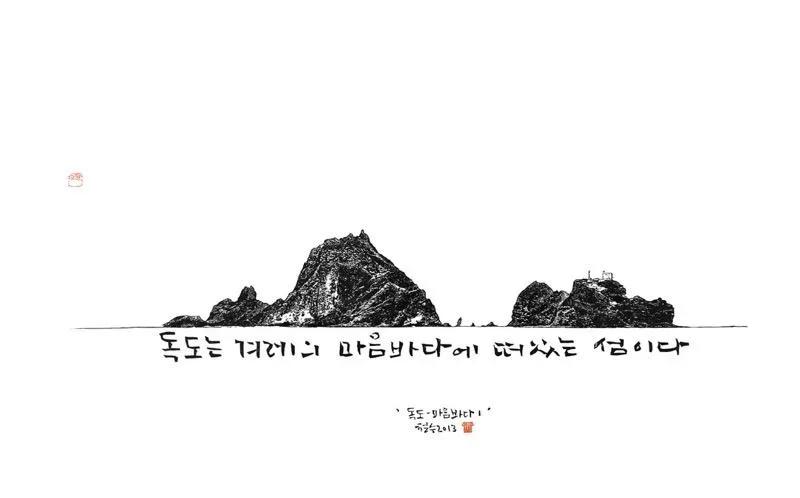
Photography — The Longevity of Pigment Prints
Most contemporary fine-art photography is printed with pigment ink. This method — archival pigment printing — can retain color for over 100 years with proper storage.
Care is the same as paper works: UV glazing or acrylic, no direct sun, humidity control.
Diasec mounting bonds the photograph directly to aluminum or acrylic panels. It can display without glazing, but avoid touching or scratching the surface.
Sculpture and Ceramics — Vibration and Impact Are the Worst Enemies
For three-dimensional works — like Yang Sun-yeol's resin sculptures — stable placement matters most.
- Place in a vibration-free spot. Avoid shelves next to washing machines or anywhere vibration transmits
- For earthquake concerns, fix the base with museum putty on the pedestal
- Ceramic cannot be restored after a fall. Choose a spot children and pets can't reach
- Dust the surface with a soft cloth, but never apply chemical cleaners to the glaze
Choosing a Frame — Glazing and Mounting
Framing offers several choices.
Glazing comparison:
| Type | Pros | Cons | Use for |
|---|---|---|---|
| Regular glass | Cheap | No UV block, strong reflection | Not recommended |
| UV-protective glass | Good color preservation | Some reflection | Most works |
| Anti-reflective glass | Minimal reflection | Expensive | Rooms with complex lighting |
| UV-protective acrylic | Light, safe | Static attracts dust | Large works, kids' rooms |
Mounting methods:
- Art mounting: work fully adhered to the mat. Cheap but difficult to separate later
- Hinge mounting: only the top is fixed, the rest hangs free. Archival standard
- Floating mount: the work appears to float inside the frame. A contemporary look
Hanging — Tools by Wall Type
Two wall types are most common in Korean apartments.
Drywall (gypsum board): light, small works use drywall anchors. For light works under about 1 kg a small nail can do; heavier pieces need a drywall anchor. Above 5 kg, you must find a stud inside the wall and fix into it.
Concrete walls: you need a drill and concrete anchors. If the job is beyond you, calling a professional installation service is how you protect the work. The larger the piece, the more professionals earn their keep.
For two or more pieces in a row, use two hooks to prevent the frame from rotating.
Long-Term Storage — If You're Not Hanging Yet
If space is limited or a move is coming:
- Store upright: canvas works stand vertically. Lying flat causes sagging or pressure from anything stacked on top
- Wrap: acid-free glassine or archival tissue around the surface. Plastic traps moisture and invites mold — avoid
- Humidity: damp warehouses or basements are out. Keep interior humidity below 60%
Insurance — Yes, You Can Insure Art
Art insurance is simpler than it sounds. A few basics.
Works in the home may be partially covered by standard household-goods insurance, but the cap is low. Specialized fine-art insurance covers appraisal-valued loss, theft, damage, and fire.
Prepare before purchasing insurance:
- Photos of the work (front, back, signature area)
- Purchase receipt or sales confirmation
- Certificate of Authenticity (COA)
- Appraisal documentation (if available)
If your collection totals more than a few tens of millions of won, dedicated fine-art insurance is worth considering.
Once damaged, art is hard to restore. Proper care from day one is the cheapest choice.
Related Guides

Explore Further
Related reading
If this piece helped, you may also enjoy these related articles:
Seed Art Festival
·