A 300,000-won print and a 35,000,000-won sculpture can hang in the same exhibition. We break down the five factors behind artwork pricing using real data from SAF 2026.
The Art Market Has No Price Tag
At a grocery store, an apple has a price. Art is different. Why is this painting ₩1M and that one ₩30M? No formula is obvious, and first-time buyers feel lost.
There is a formula — just invisible. Standards the market has honed over time. Know five of them and most prices become legible.
One: Size
Larger generally costs more — more material, more time.
Korea's market uses a distinctive unit: the ho (號) system, running from 0 to 500 in standard sizes.
| Ho | Approx. size | Notes |
|---|---|---|
| 0 ho | 18×14 cm | Postcard-size |
| 10 ho | 53×41 cm | For small walls |
| 30 ho | 91×65 cm | Living-room workhorse |
| 50 ho | 117×91 cm | Mid-size with spatial presence |
| 100 ho | 162×130 cm | Needs a wide space |
"A 30-ho painting" means roughly 91×65 cm. Artists compare prices and galleries quote markets in "per-ho" terms for this reason.
Yang Sun-yeol's resin sculpture series makes the size–price link visible. A small sculpture (1.2×1.2×28.5 cm) runs ₩5M, mid-size (40×40×65 cm) ₩12.6M, large (60×60×130 cm) ₩35M. Material and labor scale close to linearly.
Two: Materials and Technique
Two reasons materials change price: production cost and longevity.
Oil paint mixes pigment with linseed oil. It takes months to dry and, well cared for, lasts centuries. Rembrandt endures for this reason. Acrylic dilutes with water and dries fast. Easier to handle and generally cheaper in materials.
Prints are different. Multiple impressions lower per-unit price but can raise total sales. Woodblock, lithograph, etching — each technique has different difficulty and material feel.
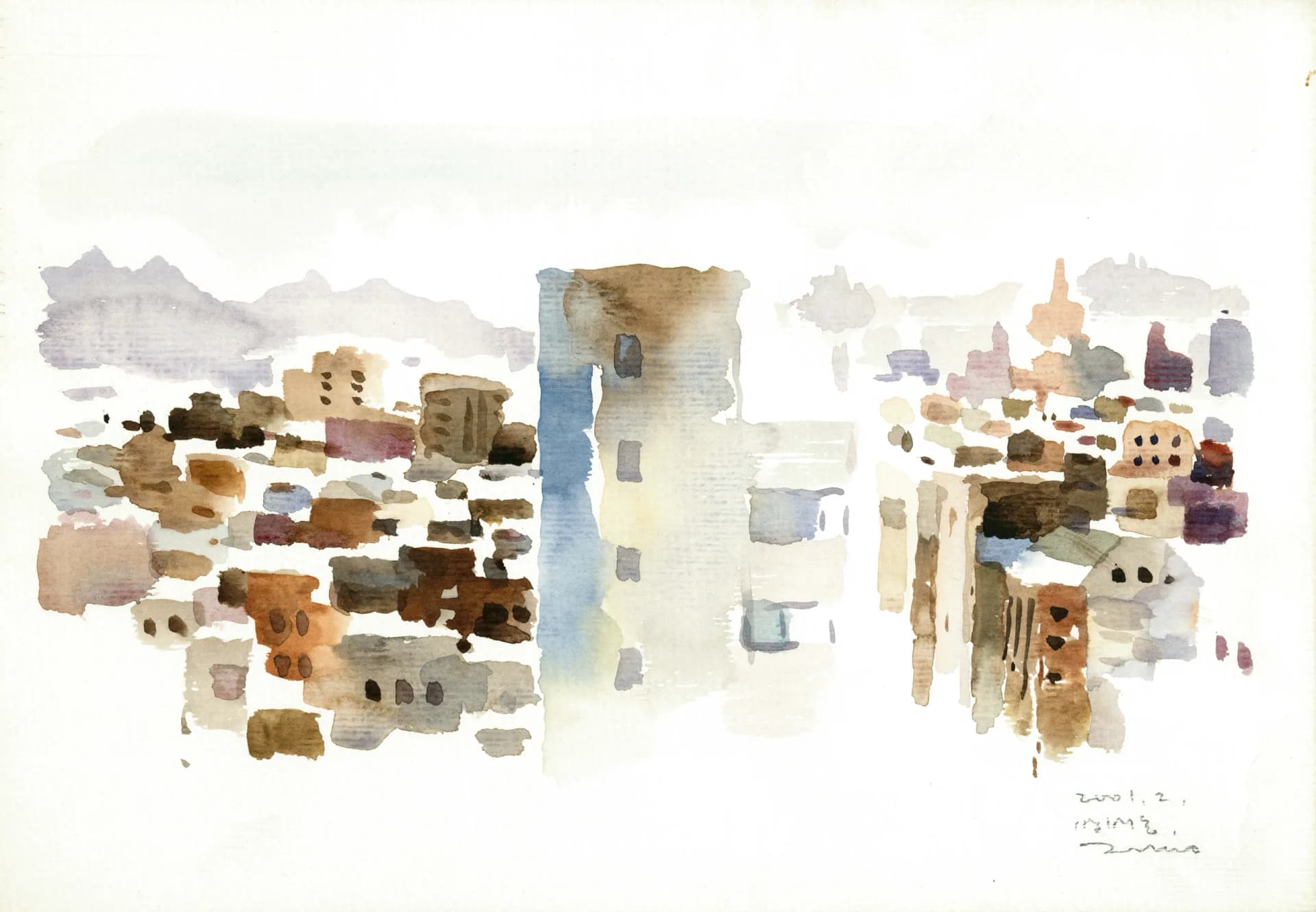
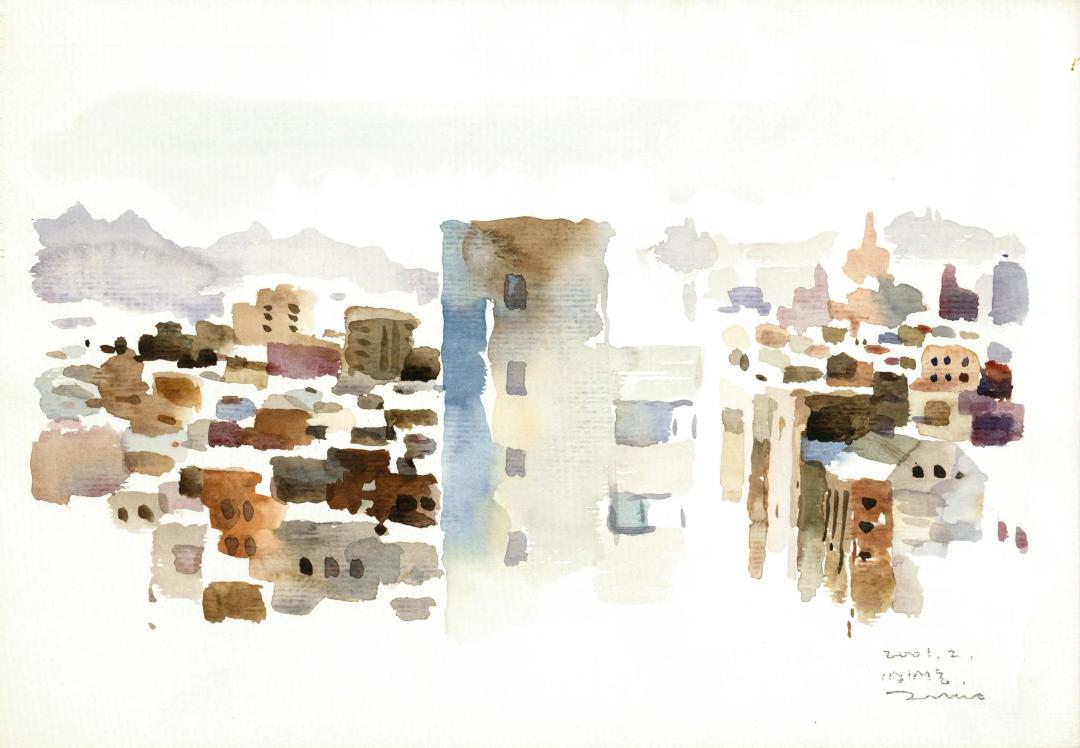
Watercolor is light-sensitive by nature and requires more care. Park Jaedong's watercolors sit in the ₩5M range because size combines with career and technique.
Three: Artist's Trajectory
"Trajectory" isn't simply how long. The market reads more specific signals.
- Collecting institutions: pieces held by MMCA, Seoul Museum of Art, or major private museums signal vetted professionals have validated the artist
- Solo-show count: 1–2 solos vs 20+ shifts market recognition
- Awards and residencies: passing competitive programs is a signal
- Critical and press coverage: reviews in art journals or major press shape the market
A new artist's 30-ho might be ₩5M, while a 30-year mid-career artist's 30-ho reaches ₩30M. Same size, same material, six times the price. That's why.
Four: Edition Quantity
Covered in a previous article, but impossible to skip here. Pricing runs: unique > small limited edition > large limited edition > open edition.
Within the same artist, 1/5 and 5/20 can price differently. Scarcity.
Five: Exhibition and Provenance
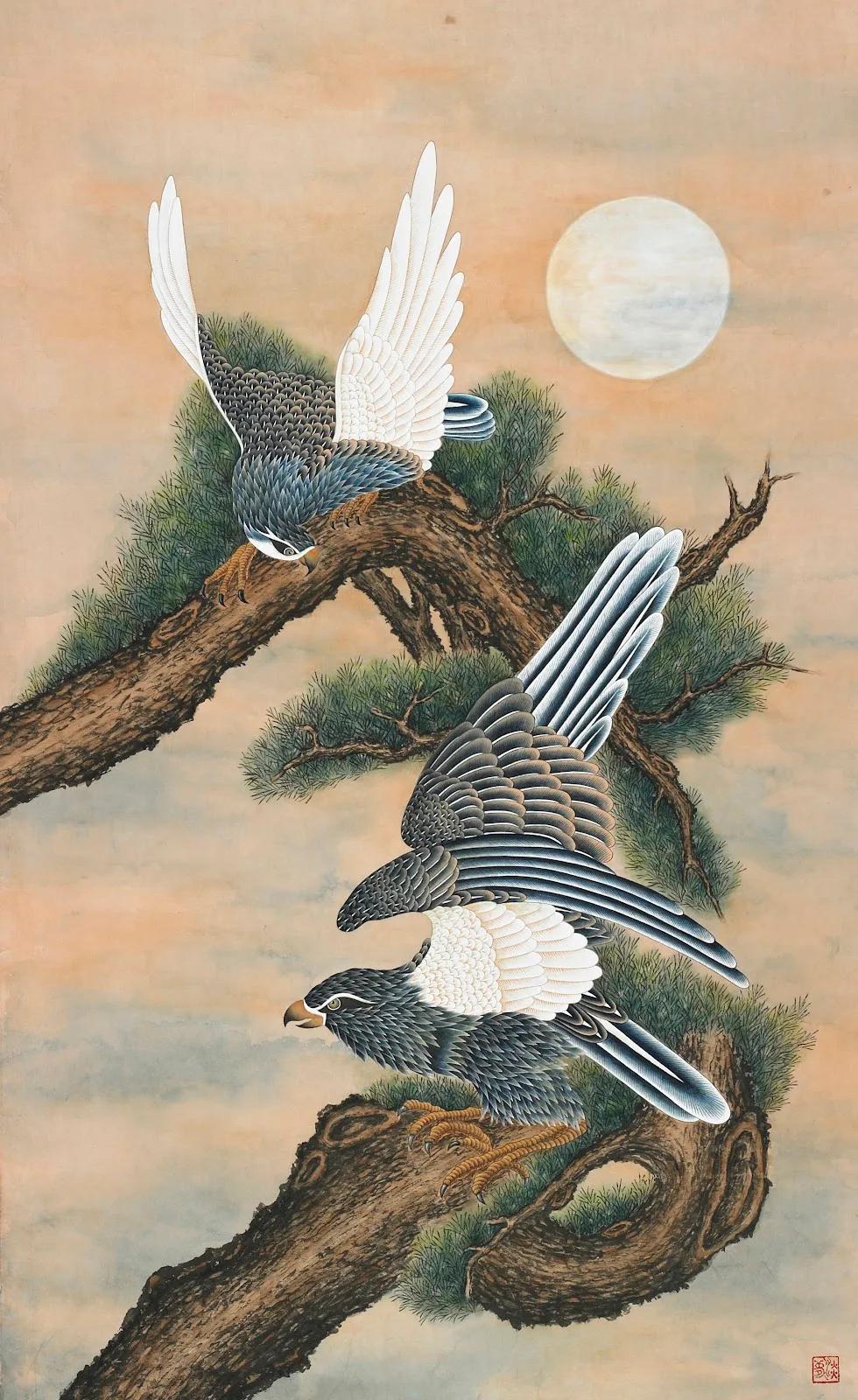
A work's résumé matters. Pieces shown at Venice Biennale or in major museum tours trade above peers.
Past owners matter too. A work that lived in a famous collector's or corporate collection carries a verification stamp by virtue of that history. An auction record becomes a market reference point.
SAF's Transparent Pricing
All SAF 2026 works are priced by the artists themselves. No gallery-commission inflation.
The price distribution across 903 works shows the reality.
| Range | Works | Share |
|---|---|---|
| Under ₩300,000 | 26 | 3.2% |
| ₩300,000 – ₩1M | 242 | 30% |
| ₩1M – ₩2M | 309 | 38.3% |
| ₩2M – ₩5M | 170 | 21.1% |
| Over ₩5M | 60 | 7.4% |
Most works concentrate between ₩1M and ₩5M, and a meaningful share sit under ₩1M.

Starting out, browse the lower end of the distribution first. ₩300K art prints exist. So do ₩1.6M Oh Yun posthumous prints. A work's value is not decided by the price tag alone.
Related Guides
Related reading
If this piece helped, you may also enjoy these related articles:
Seed Art Festival
·