Price
₩1,400,000
Shipping
Conditional free shipping
Secure payment
SSL secure payment system
Certificate
Certificate of authenticity included
Cancel/Refund
Withdrawal possible within 7 days after delivery
Art protects art
8 out of 10
artists are shut out by banks
354
loans extended to fellow artists
95%
repayment rate — trust comes full circle
~KRW 140M
interest saved vs. predatory rates
Until the next exhibition, the next performance. For artists, income gaps are an unavoidable reality. For fellow artists forced into predatory loans just to afford paint, canvas, and studio rent, proceeds from this artwork become the Seed Fund — extending a fair hand at fair rates.
Voices of fellow artists
“아이들 모르게 나만 3일을 굶었던 기억.”
— 50대, 연극인
“돈이 없어 절박했던 치과 치료를 못 받고 있어요. 병원을 제때 가야 하는데, 안 가고 웬만하면 참는 것이 이젠 습관이 돼버렸습니다.”
— 50대, 배우
“돈이 없어서 귀 치료를 계속 미뤘고, 그로 인해 양쪽 귀 다 증상이 악화됐습니다.”
— 30대, 음악인
“병원에 입원 중이신 어머니의 병원비를 낼 수 없어, 퇴원을 미루기도, 받아야 할 검사와 치료를 포기하실 수밖에 없었습니다.”
— 50대, 배우/방송인
“임대료 연체로 인해 단체 사업장이자 거주지에서 비자발적으로 퇴거해야 하는 상황이 있었습니다. 금융권은 물론 예술인 대출도 도움이 되지 못했습니다.”
— 50대, 배우
“경제적 형편의 문제로 갈 곳이 없어 고시원, 연습실 등을 전전하다 한동안 노숙을 한 적이 있습니다.”
— 30대, 음악인
“하루 4시간도 채 못 자며 알바와 연극을 병행하지만, 공연을 할수록 빚만 늘어가는 상황이 계속되어 공연을 그만두기로 함.”
— 30대, 배우
“작품보다 매달의 금전적 해결을 우선순위로 집중해야 하는 상황이 아쉽습니다. 예술인으로서 큰 수익을 내려면 작품이 잘 돼야 하는데, 작품보다 매달 소일거리 찾기에 집중해야 함이 악순환 속에 갇혀있는 느낌이 듭니다.”
— 40대, 음악인
“당장의 매달 닥쳐오는 대출금으로 인해 공연을 접고 알바에 집중한 적이 많음.”
— 50대, 배우
“독촉 전화로 연습과 공연에 지장을 주고, 이로 인해 심리적 부담감과 압박이 하루하루를 고통스럽게 하고 다음날이 두려워짐.”
— 40대, 연극인
“돈이 없으면 삶이 무너지는데 예술 창작은 꿈도 못 꾸죠.”
— 50대, 예술가
“지인들에게 돈을 빌리면서 드는 그 치욕감과 인연 단절, 그리고 갚지 못하면서 밀려오는 압박감, 무력감.”
— 50대, 만화가/미술가
“힘들 때는 친한 지인의 경조사에 참석할 수도 없을 정도였고, 그로 인해 인간관계조차 단절된 적이 있다.”
— 50대, 배우/방송인
“서민을 위한 제도임에도 예술인이라는 이유로 증빙이 부족할 때 자괴감을 느낍니다.”
— 30대, 영화/방송인
“연극배우라고 하자 '무직자'라고 대출담당으로부터 들었던 것.”
— 50대, 배우
94 artworks sold, each becoming a seed of solidarity
One artwork becomes the oxygen that keeps a fellow artist creating.
Sales proceeds go to the artist mutual-aid fund.
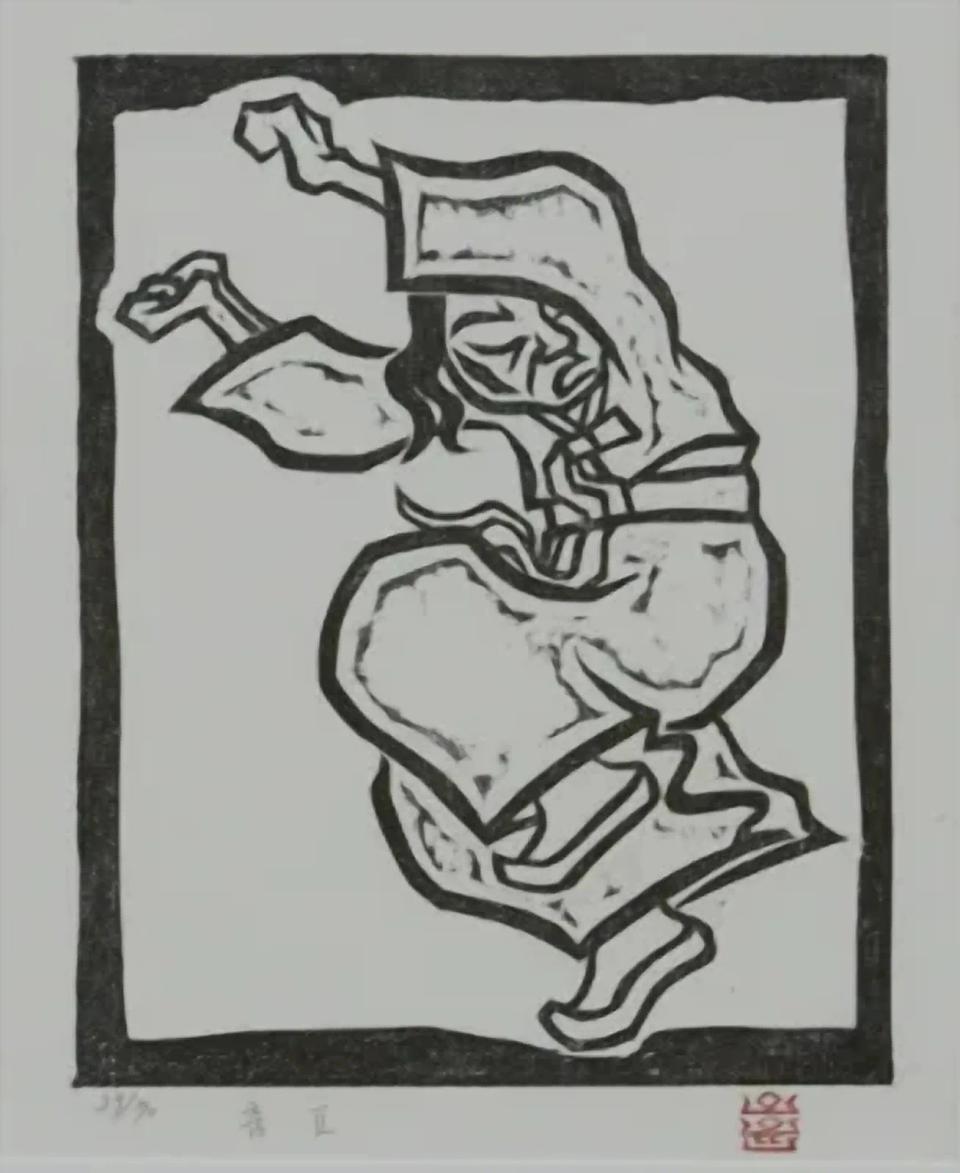
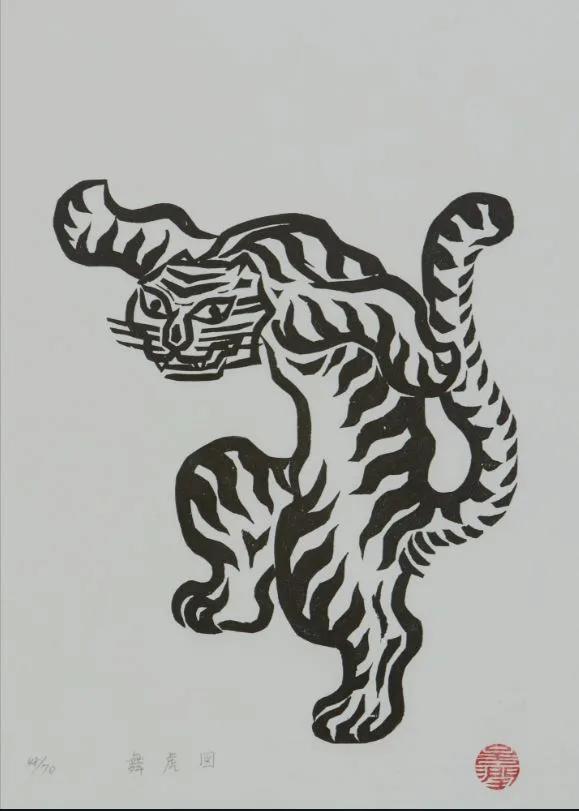
Black Bird
O Yun
About the Artist
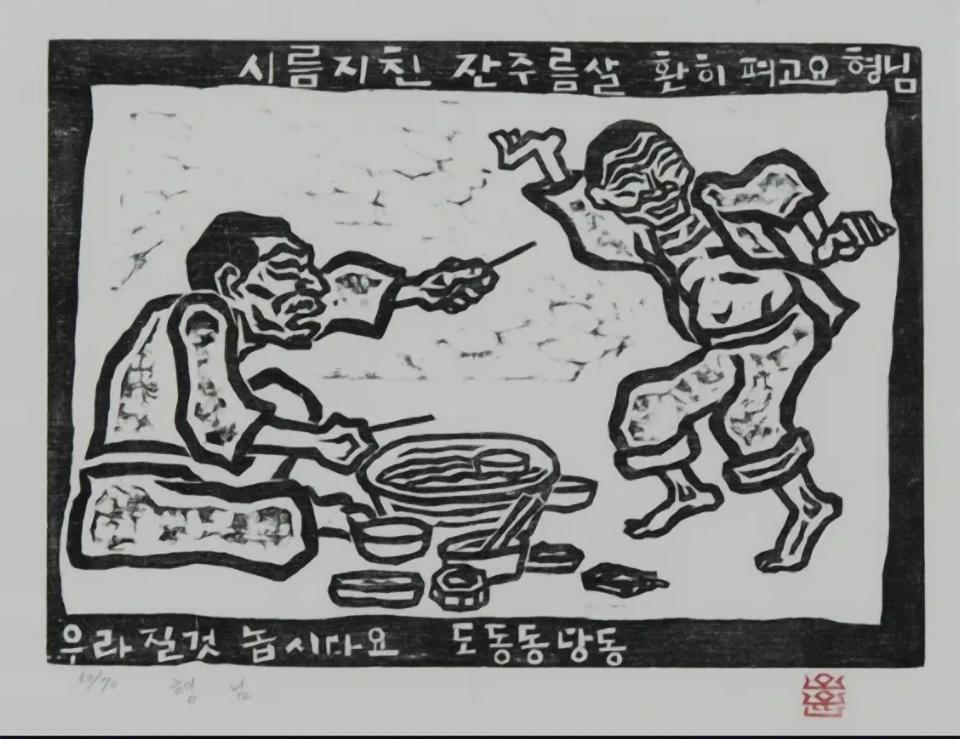
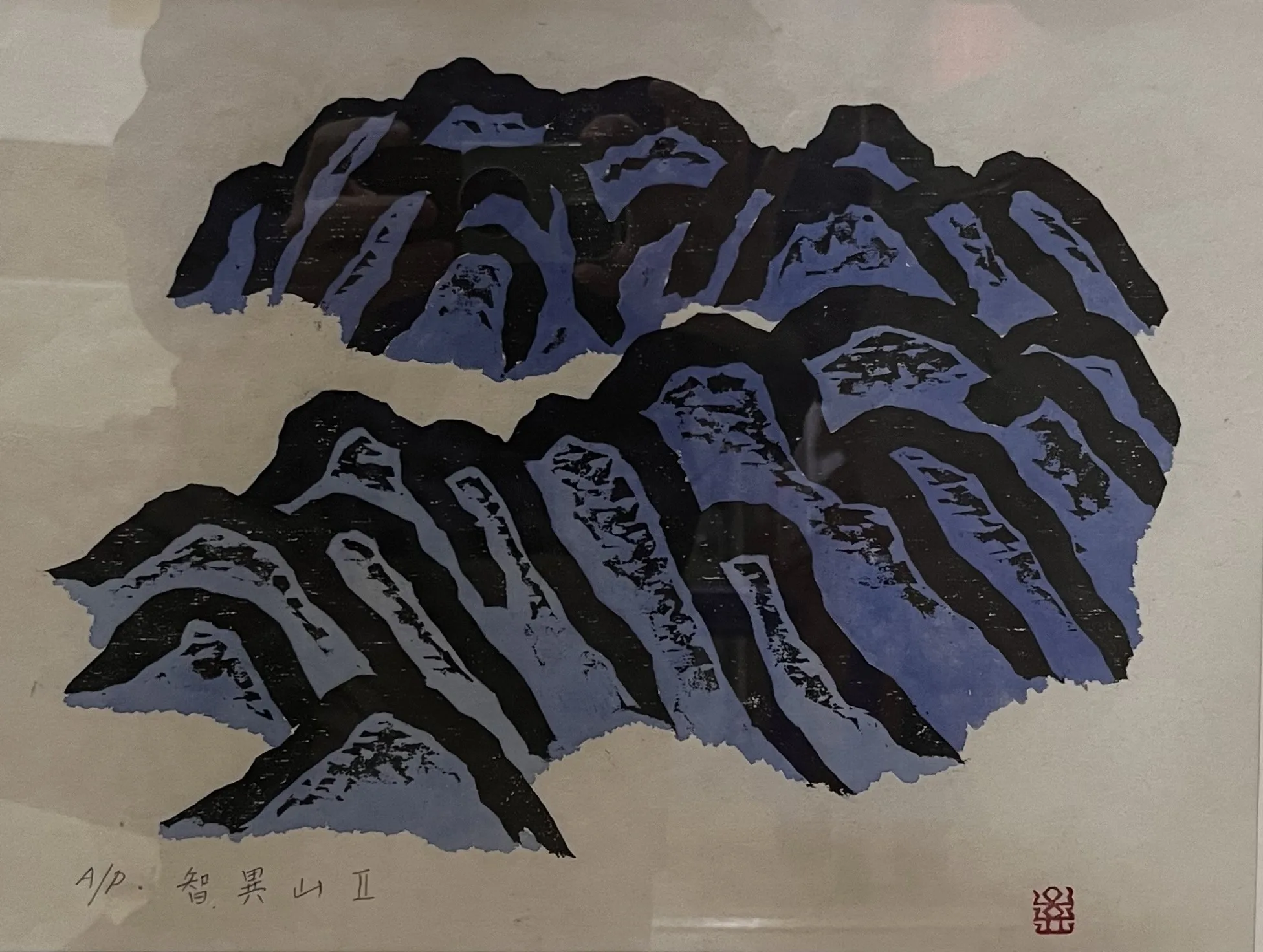
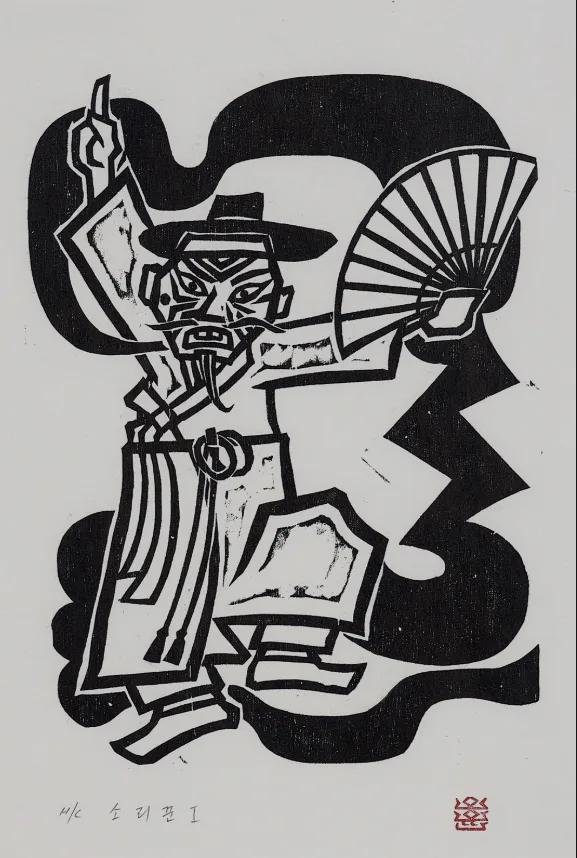
Oh Yun was a towering figure in Korean contemporary art, the most passionate and honest artist of the tumultuous 1980s, who elevated the lives of ordinary people into art. Born to Oh Youngsu, the author well known for the novel Seaside Village, he grew up in a fertile artistic environment, yet his gaze was always directed toward the lives of common people standing on barren ground rather than the glamorous art world. Despite receiving a Western aesthetic education studying sculpture at Seoul National University, he yearned not for a preserved aesthetics confined to museums but for living art that breathed in the streets and on the ground. After much deliberation, the medium he chose was woodblock printing. The woodblock, which leaves an irreversible mark with each cut of the knife, was the most fitting tool to express his robust and powerful artistic spirit. The most essential sentiment running through Oh Yun's works is the harmony between han (a deep-seated Korean emotion of sorrow and resentment) and sinmyeong (the ecstatic vitality that breaks through it at once). The figures in his prints are never frail or weak. Their gestures, depicted with bold, rough lines—especially their dynamic shoulder movements in dance—symbolize a powerful life force that rises above the pain of oppressed reality. He reinterpreted folk subjects such as mask dance, shamanism, and dokkaebi (Korean goblins) with a modern sensibility, powerfully imprinting upon an art world accustomed to Western aesthetics the question of what constitutes a Korean archetype. For him, printmaking was not merely a technique for reproducing images but a ritual of communication—etching the pain of the times with his blade and sharing it with the public. He was wary of art becoming the exclusive property of a privileged few. Under his conviction that 'art should be shared by many,' his generous practice of lending his prints for poetry book covers and labor movement leaflets exemplifies his commitment to the public nature of art. From grand works satirizing the grotesque desires of capitalism to warm drawings comforting hard lives, his work was always rooted in a deep trust and love for humanity. Although he died of liver cirrhosis at the tragically young age of 41 in 1986, the marks he carved remain an unfading, deeply resonant legacy more than 40 years later. In 2026, we live in an era more technologically dazzling than ever, yet Oh Yun's rough woodblock prints continue to move us deeply—perhaps because of the authenticity they contain. He demonstrated through his own life and work how an artist should confront the times, and how the most Korean qualities can reach universal human values. Oh Yun is gone, but the people's dance he carved into wood never stops, and his art endures as the most humane and luminous record in Korean art history.
Other works by O Yun