Art protects art
8 out of 10
artists are shut out by banks
354
loans extended to fellow artists
95%
repayment rate — trust comes full circle
~KRW 140M
interest saved vs. predatory rates
Until the next exhibition, the next performance. For artists, income gaps are an unavoidable reality. For fellow artists forced into predatory loans just to afford paint, canvas, and studio rent, proceeds from this artwork become the Seed Fund — extending a fair hand at fair rates.
Voices of fellow artists
“The memory of going hungry for three days, alone, so my children wouldn't know.”
— 50s, theater artist
“I've been putting off urgent dental treatment because I can't afford it. I should be seeing a doctor regularly, but enduring instead of going has become a habit.”
— 50s, actor
“I kept delaying ear treatment because I had no money, and the symptoms in both ears worsened.”
— 30s, musician
“I couldn't pay my hospitalized mother's bills, so we had to delay her discharge, and she had to give up tests and treatment she needed.”
— 50s, actor/broadcaster
“Because of money troubles I had nowhere to go — drifting between gosiwon rooms and rehearsal studios, and for a while sleeping rough.”
— 30s, musician
“Because of unpaid rent, my collective was forced to vacate our shared workspace and home. Neither bank loans nor artist loans could help.”
— 50s, actor
“Without money, life collapses — and creating art? Out of the question.”
— 50s, artist
“It's painful that solving this month's money problems has to come before the work itself. As an artist, I can only earn well when the work succeeds — yet I have to chase odd jobs every month instead. It feels like being trapped in a vicious cycle.”
— 40s, musician
“Debt collection calls disrupted my rehearsals and performances, and the psychological burden made every day painful and the next day frightening.”
— 40s, theater artist
“Many times the loan payments looming each month forced me to step away from performing and focus on part-time work.”
— 50s, actor
“Sleeping less than four hours a night, juggling part-time jobs and theater — but the more I performed, the more debt piled up. Eventually I decided to quit performing.”
— 30s, actor
“When things were hardest, I couldn't even attend close friends' weddings or funerals — and as a result, relationships were severed.”
— 50s, actor/broadcaster
“When I said I was a stage actor, the loan officer called me "unemployed."”
— 50s, actor
“The shame and severed friendships that came with borrowing from people I knew, the pressure of failing to pay it back, the helplessness.”
— 50s, cartoonist/visual artist
“Even with programs meant for low-income citizens, I feel shame when I can't produce enough documentation simply because I'm an artist.”
— 30s, film/broadcasting professional
94 artworks sold, each becoming a seed of solidarity
One artwork becomes the oxygen that keeps a fellow artist creating.
Sales proceeds go to the artist mutual-aid fund.
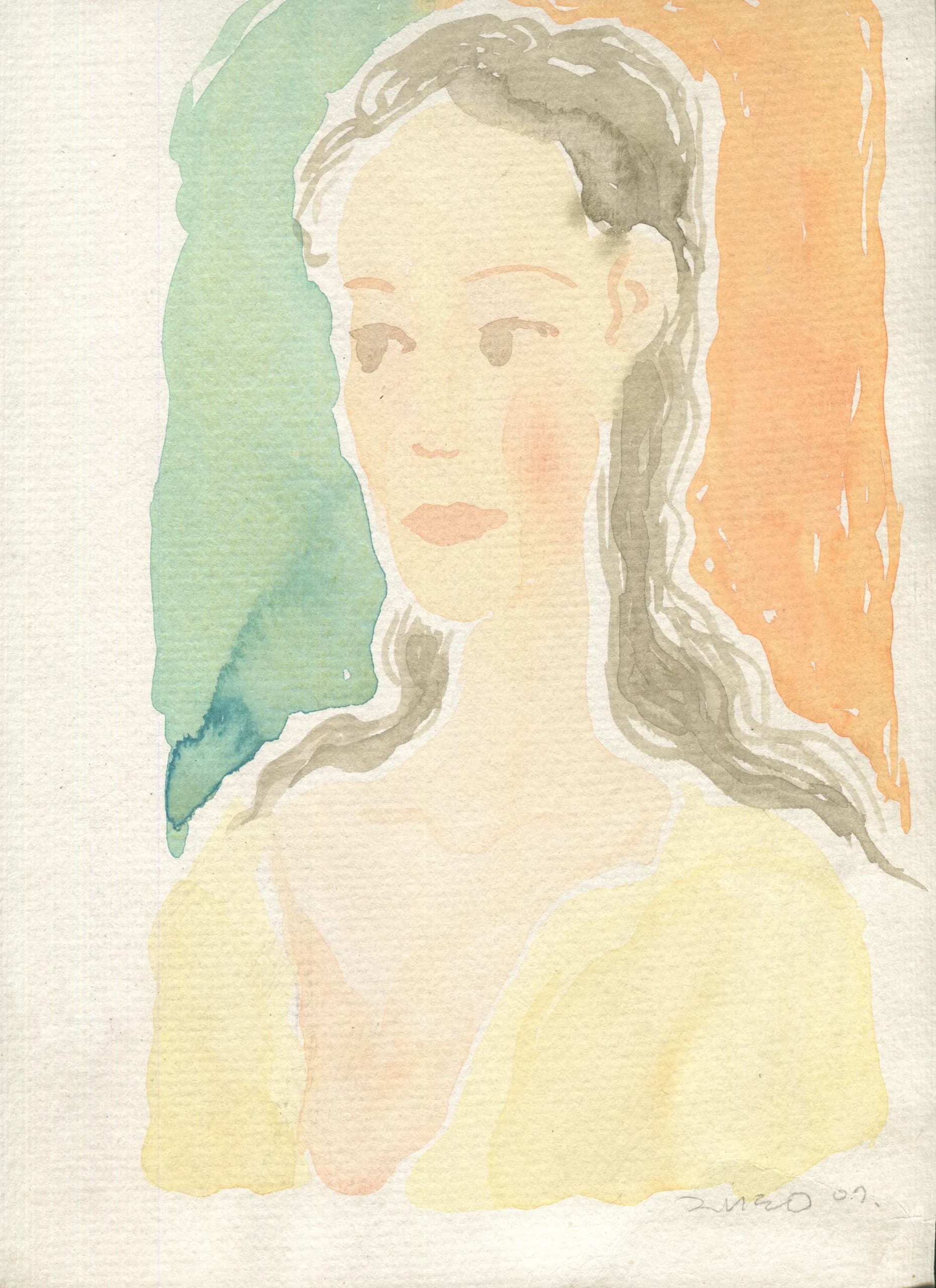
Roh Moo-hyun
Park Jae-dong
About the Artist
Park Jaedong — The Godfather of Korean Editorial Cartooning Park Jaedong (born December 20, 1952) is one of Korea's most influential cartoonists and art educators, having debuted in the cartoon world in 1974. Born in Beomseoeup, Ulsan, he moved to Busan around age ten and grew up immersed in comics at his father's manhwa-bang (comic book rental shop). The son of a looked-down-upon comic shop owner went on to enter the Painting Department at Seoul National University, a proud achievement for his humble family. After a long period of searching, he embarked on the path of an editorial cartoonist. After teaching art at Hwimun High School and Junggyeong High School from 1979, he joined the Hankyoreh newspaper at its founding in 1988 and serialized the editorial cartoon column Hankyoreh Geulimpan for eight years. Through sharp satire and social commentary during the 1980s and '90s, he earned the reputation as the master of Korean editorial cartooning, with critics noting that "Korean editorial cartooning can be divided into before and after Park Jaedong." In 1984, he joined Reality and Utterance (Hyeonsilgwa Bareon), the pioneering Minjung art collective, working alongside major contemporaries such as Oh Yun, Lim Oksang, Kim Jeongheon, and Kang Yobae. His work is recognized not merely as political satire but as art that elevates the lives and social voices of ordinary people. In 1996, he founded the animation company Odolttogi and produced the TV editorial cartoon segment Park Jaedong's TV Manpyeong for MBC Newsdesk, crossing the boundaries between comics and motion pictures. Webtoon artist Kang Full has credited Park's editorial cartoons as the inspiration for his own career, and the animation sequence depicting the May 18th Gwangju Uprising in the film 26 Years was also produced by Odolttogi, underscoring Park's broad influence on Korean comics and visual culture. His statement — "The more power oppresses the public, the fiercer and more powerful cartoonists' works become" — encapsulates his artistic spirit. He received the 10th Kobau Cartoon Award, the 4th Democratic Press Award, and the 1st Hankyoreh Award for expanding the social role of comics. As a professor in the Animation Department at the Korea National University of Arts, he has also devoted himself to nurturing the next generation, inspiring countless young artists with his educational philosophy: "There is no right answer in art — think of yourself as a cartoonist right now and start drawing." His major publications include Palm Art, Life Comics, and Silk Road Sketch Journey Vols. 1 & 2.
About this work
〈Roh Moo-hyun〉 is a Painting work by Park Jae-dong. Created in 2026 on Watercolor on paper, measuring 20.8x29.3cm. Available as an original Korean contemporary artwork at SAF Online.
Related materials
Korean media · Original Korean article
This article text is currently available in Korean. Open the source to read the original version.
Korean media · Original Korean article
This article text is currently available in Korean. Open the source to read the original version.
Korean media · Original Korean article
This article text is currently available in Korean. Open the source to read the original version.
Magazine
Park Jae-dong — The Father of Korean Editorial Cartooning, and the World Beyond the Daily Comic
Park Jae-dong (b. 1952), the father of Korean editorial cartooning. Eight years at the Hankyoreh, Reality and Utterance collective, and a practice integrating painting, animation, and teaching — with 5 curated picks.
2026-05-10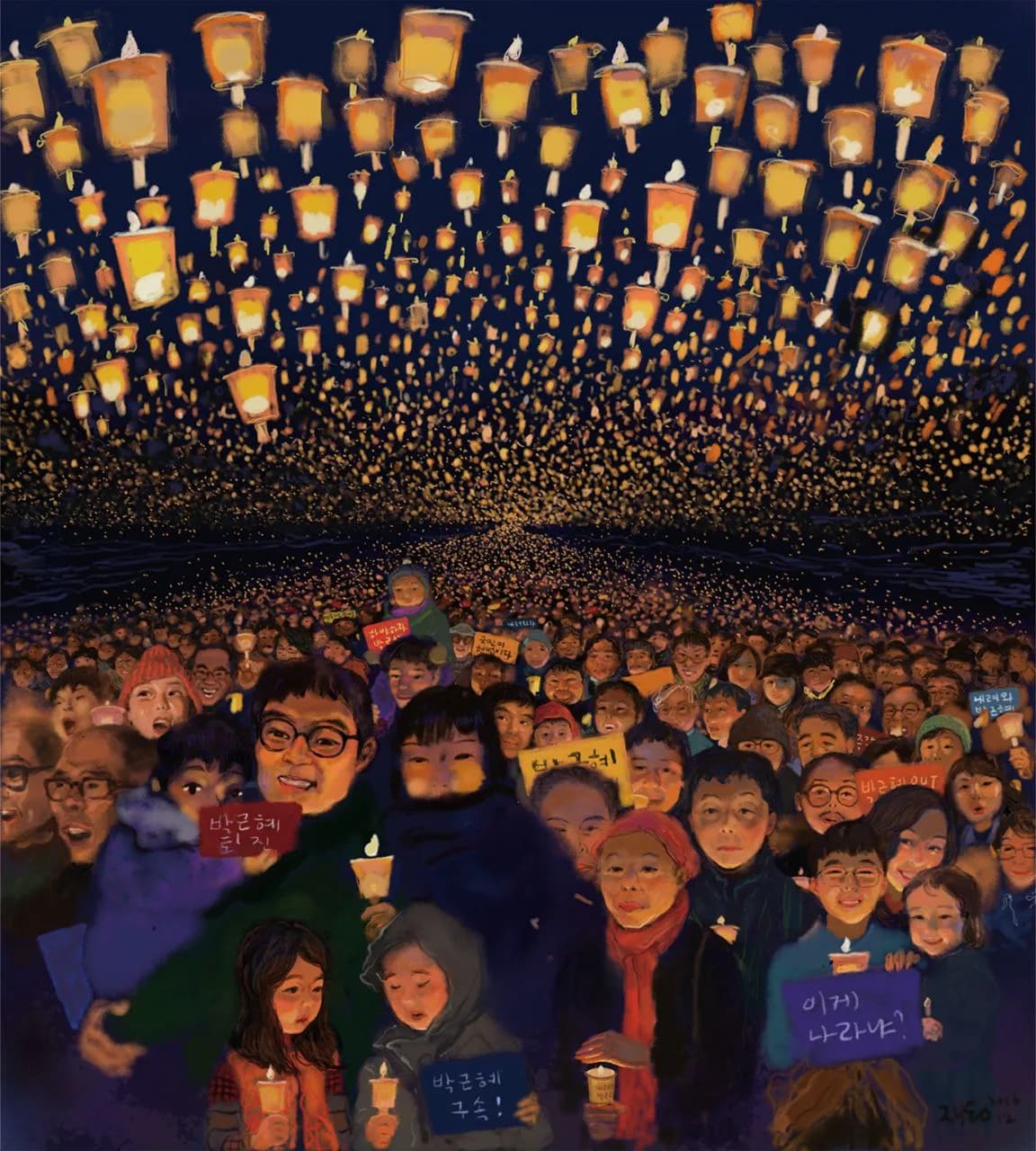
Solidarity Through the Brush: 25 Works by Park Jaedong
Among the 127 SAF 2026 artists, Park Jaedong submitted the most — 25 works in total. 6 watercolor originals, 15 art prints, plus the Roh Moo-hyun series. What conviction lies behind that choice?
2026-04-07Other works by Park Jae-dong
View All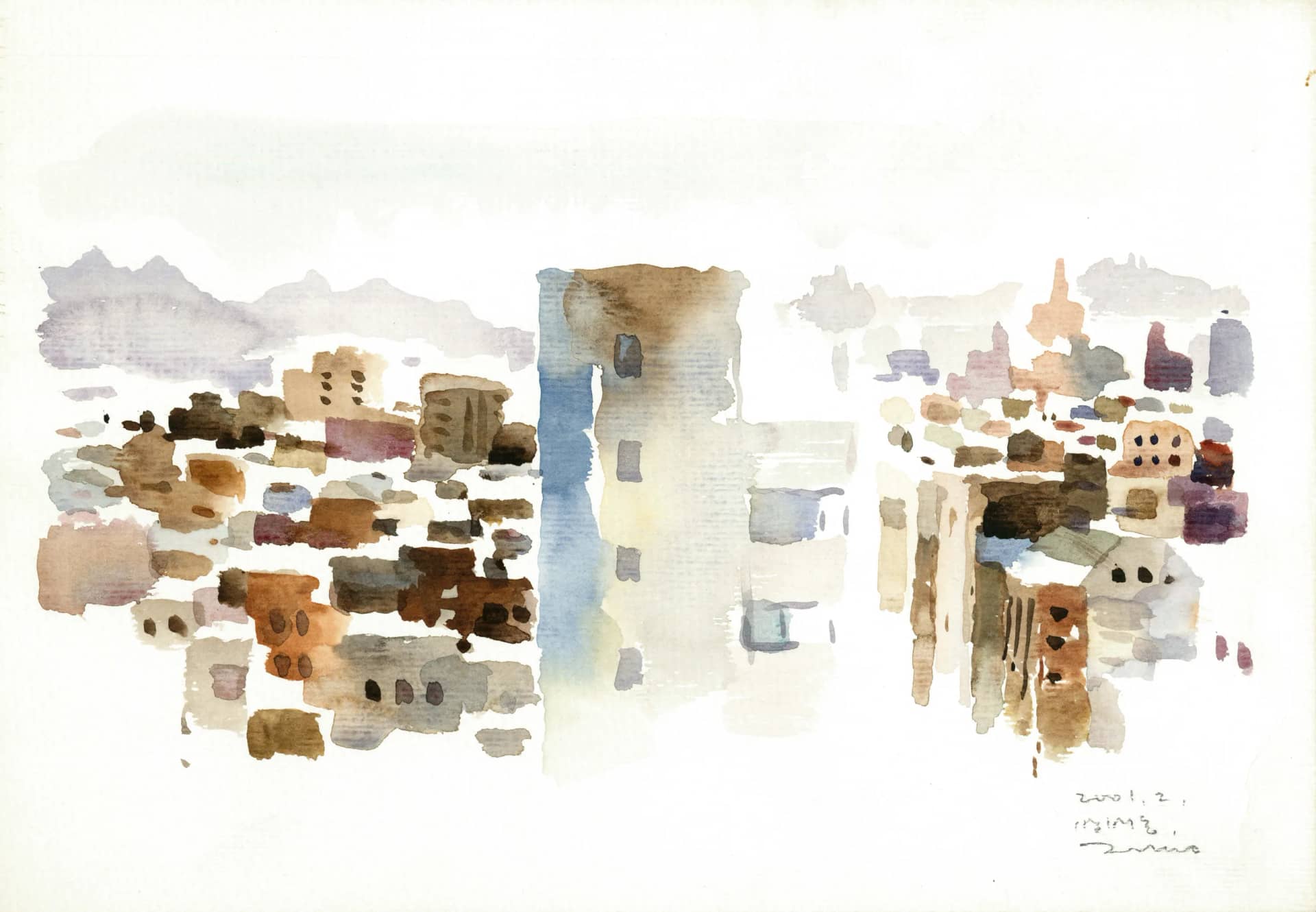
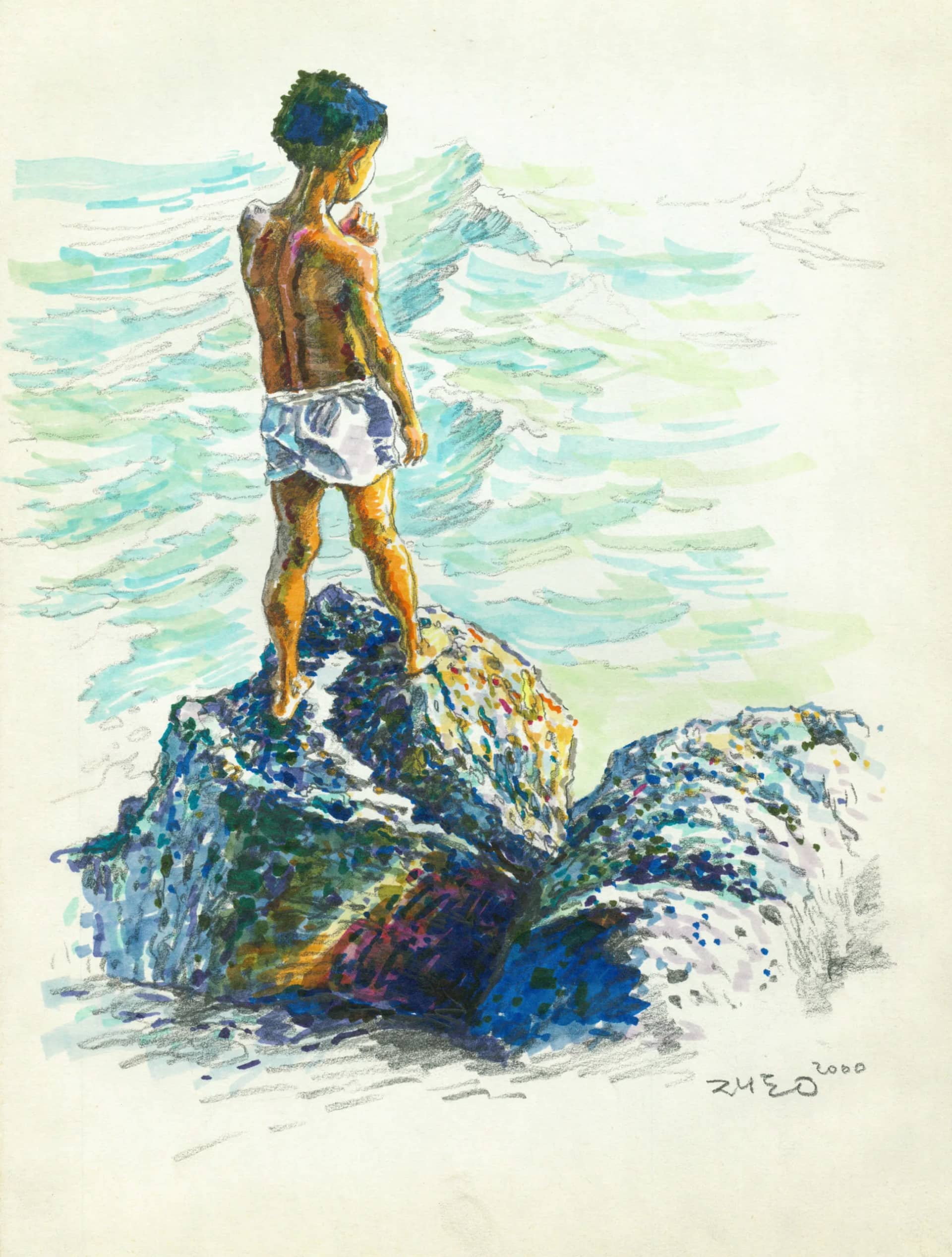
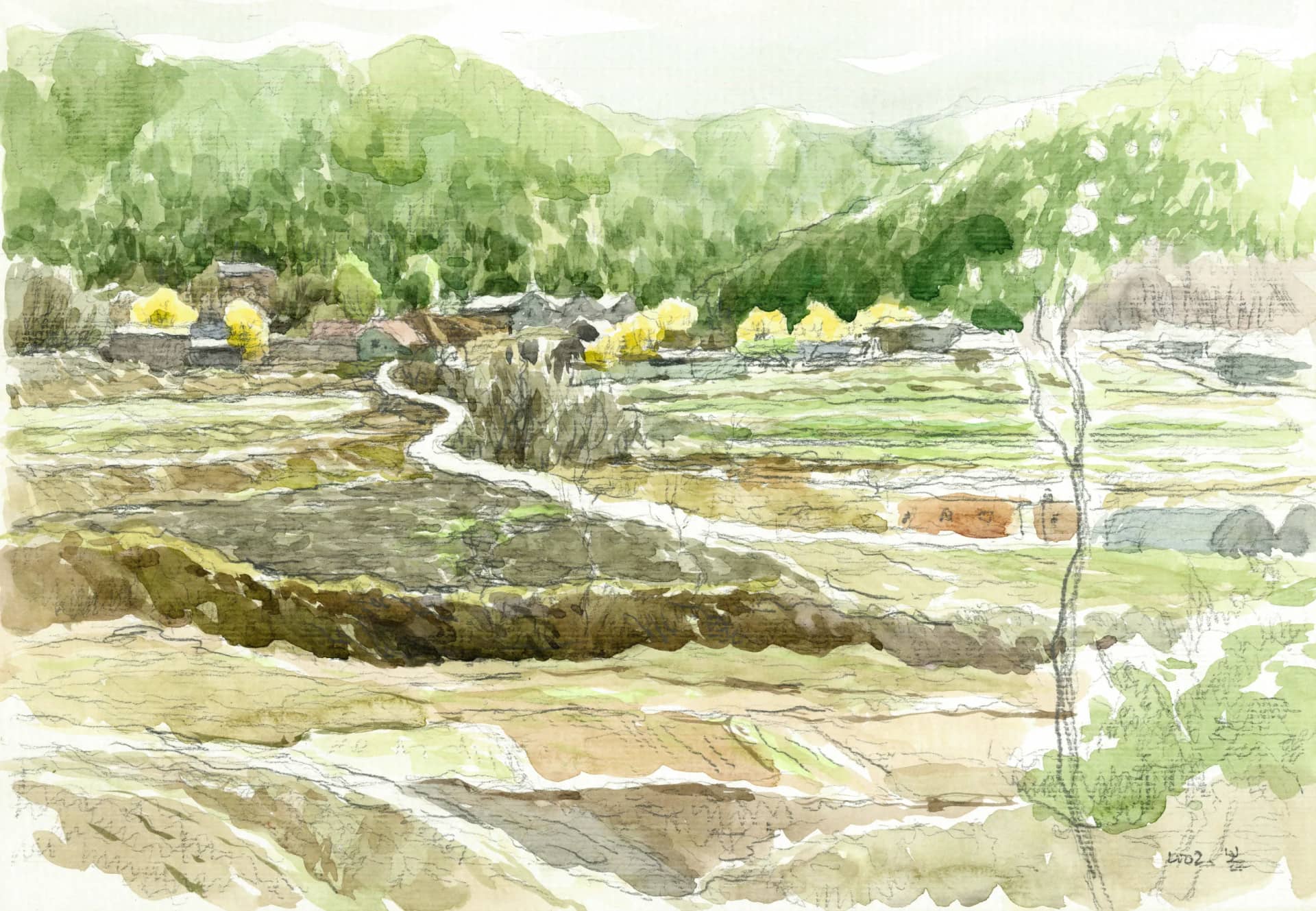
More Painting Artworks
View all Painting
Recently Sold
94 artworks sold recently