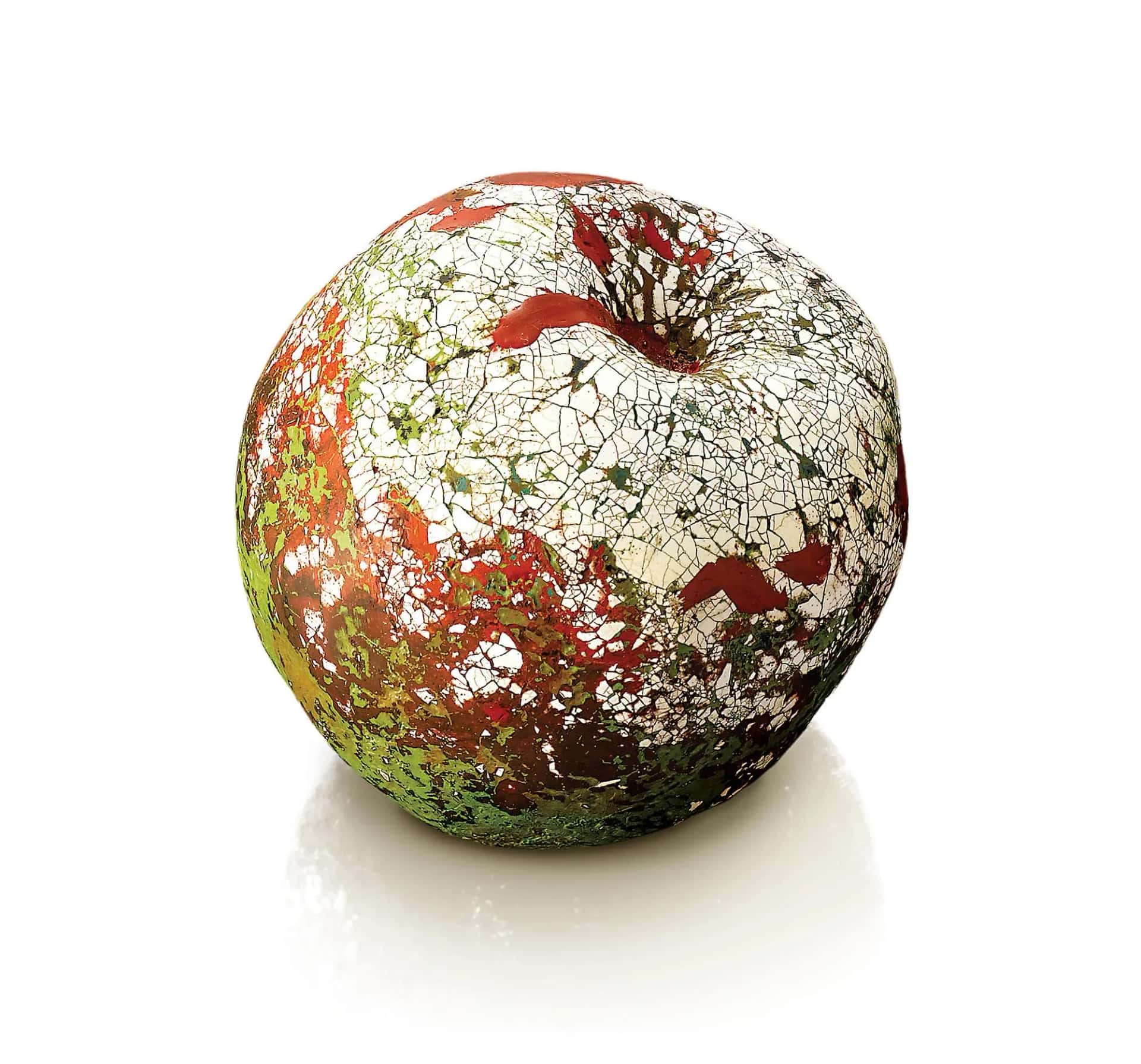
Art Walk
Enjoy art through bite-sized stories
If contemporary art feels intimidating, that is rarely the viewer’s fault. The Art Walk section closes the distance with short pieces on how to look at a work, where it sits in art history, and how to get more out of a gallery visit.
Understanding a work is less about “getting the right answer” and more about asking small questions: why this color, why this size, why this medium? The articles here walk you through those questions slowly, with one work at a time.
We also map the broader currents of Korean contemporary art — from the 1980s minjung woodblock prints to the rise of Dansaekhwa, to the photography and media art of the 2000s — so you can see where today’s artists are coming from.
When something resonates, follow the link to the gallery and explore that style up close. Browsing by medium or price range is the easiest way to start.
Stories in this category
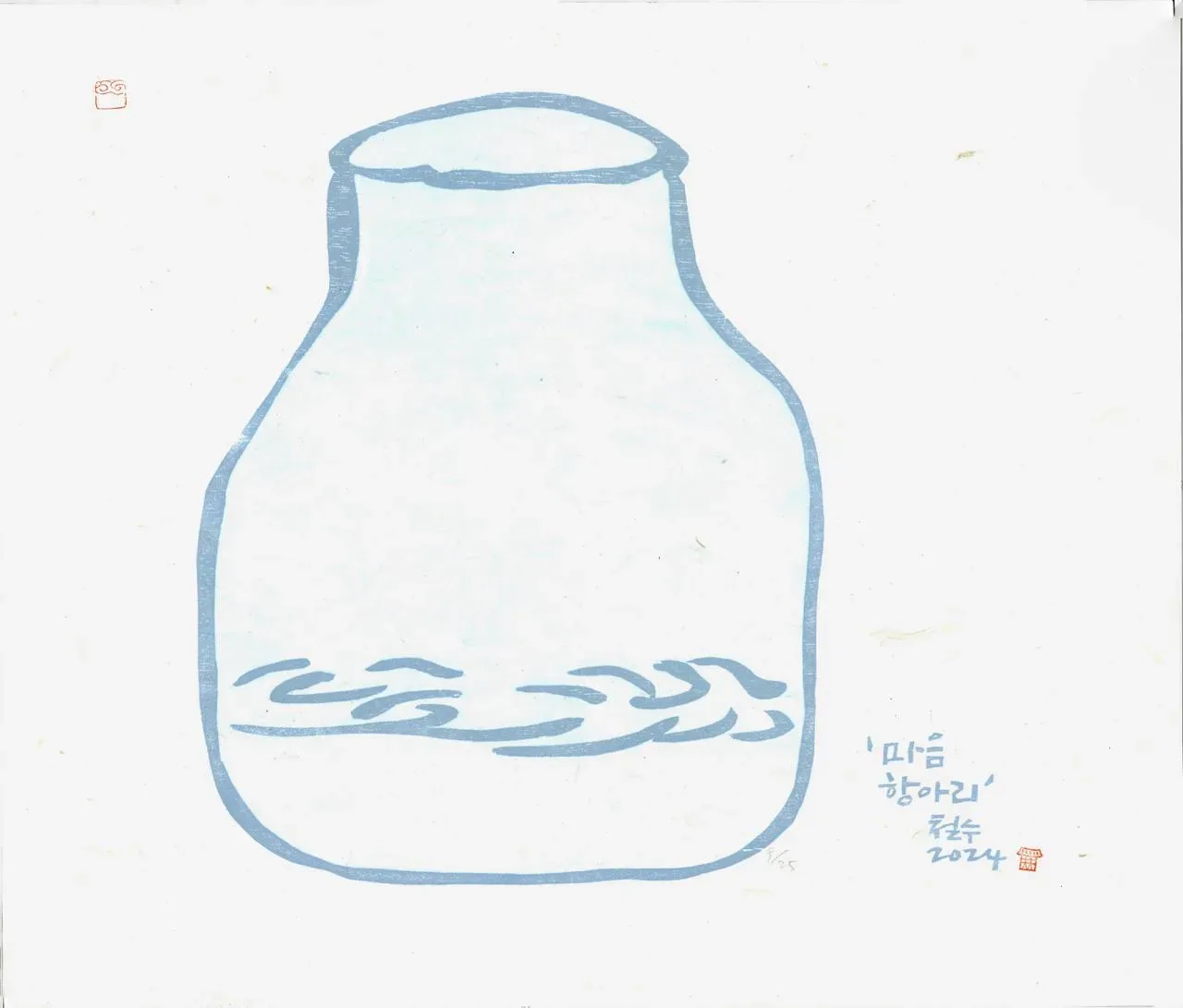
From ₩34 Million to ₩700 Million: Three Years of SAF Mutual Aid
The ₩34 million raised at the first Insadong exhibition in 2023 was the seed. Three years later: 354 loans, ~₩700 million deployed, 95% repayment. The numbers say one clear thing — artists pay back their debts.
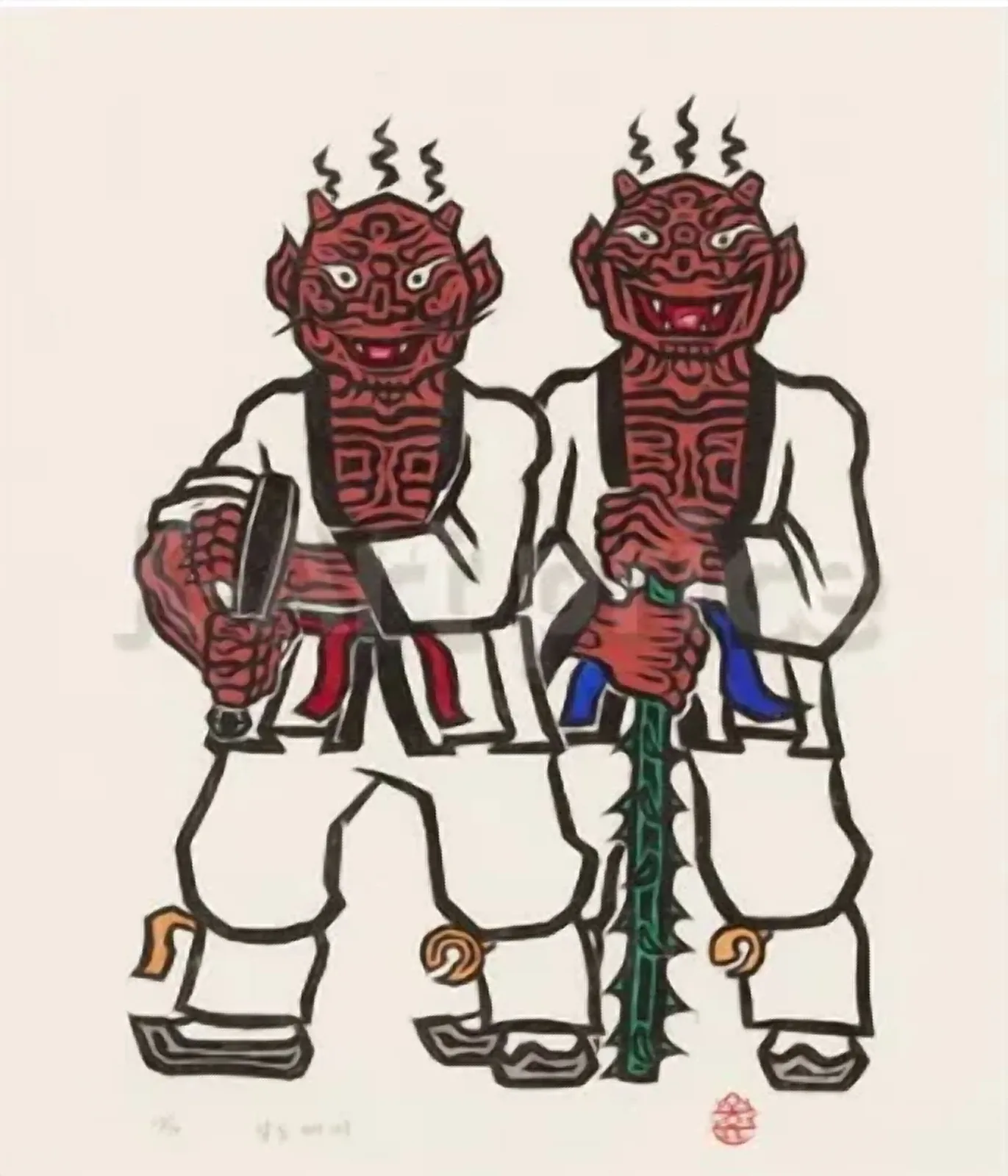
Called "Unemployed": The Truth About Being a Professional Artist
"I told them I was a theater actor. The loan officer said I was unemployed." This single testimony captures the structural exclusion facing 84.9% of Korean artists from mainstream banks. Why is the work of an artist so easily read as no work at all?
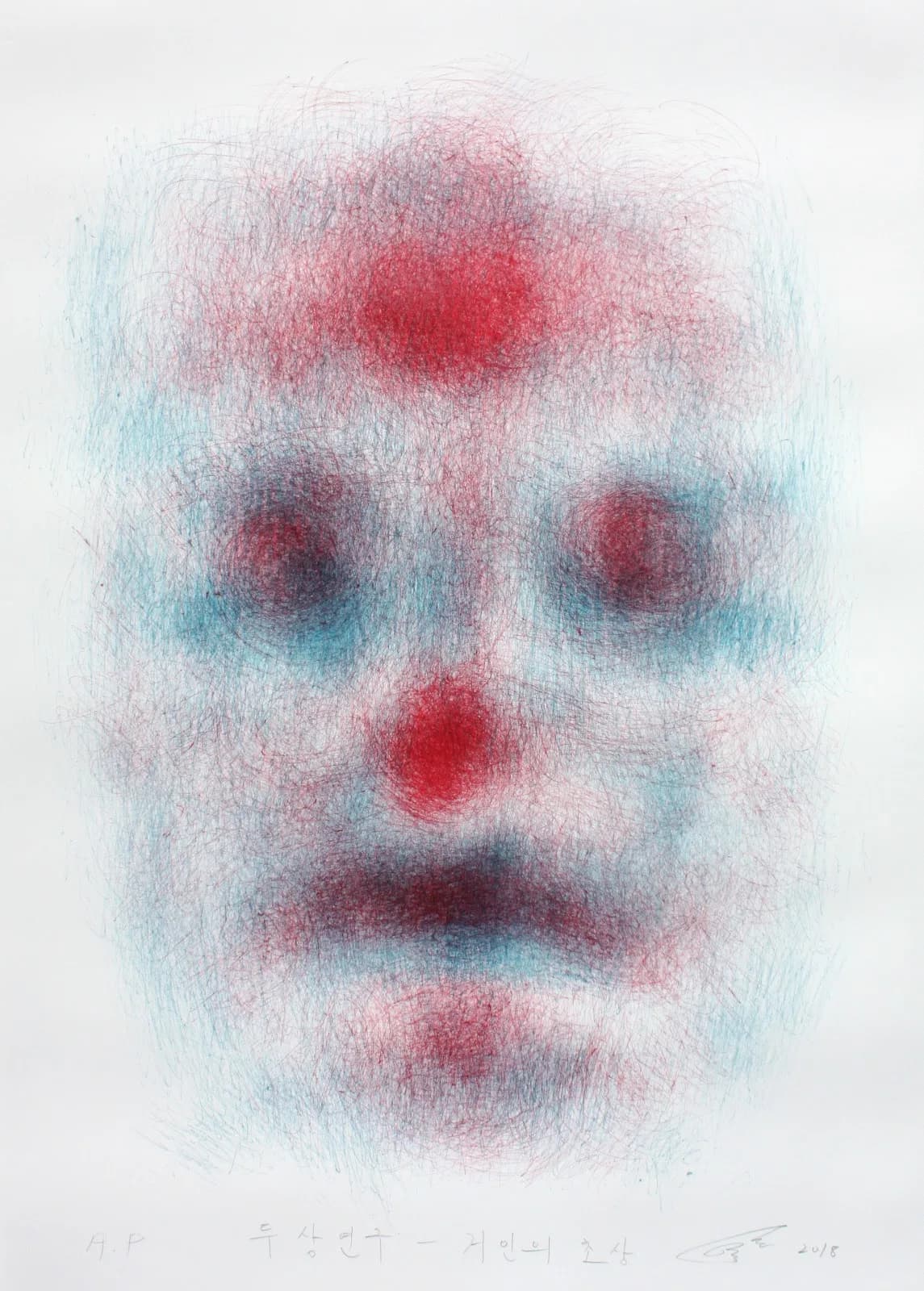
The World of Printmaking: Can There Be Multiple Originals?
"Isn't a print just a copy since there are multiple copies?" That question is the perfect starting point. This piece walks through the four major printmaking techniques — woodblock, intaglio, lithography, and screen printing — and explains why edition numbers guarantee value, and why O Yun's posthumous prints are still originals four decades later.
Total 75 stories
Frequently asked questions
Q. Contemporary art feels intimidating — how should I approach it?
Don’t try to find the right answer; ask small questions. "Why this color?", "Why this size?" — those are the basics of looking. Pause for one minute in front of a work, and whatever answer comes to mind is your own valid response.
Q. What are the major movements in Korean contemporary art history?
1970s Dansaekhwa (monochrome abstraction in dialogue with Western minimalism); 1980s minjung art (Oh Yoon, Park Jae-dong, Min Jeong-gi — woodblock prints, social realism); 1990s media art (Nam June Paik lineage); 2000s onward photography, installation, and digital diversification. A single master’s work often reveals the texture of its era.
Q. How are prints made? Are they real artworks?
A print is a real artwork made from an artist’s original plate (woodblock, etching, silkscreen, etc.) in a limited edition. They split into "lifetime prints" (pulled by the artist) and "estate prints" (printed posthumously by family or foundation). Both come with the artist’s signature or edition number plus a certificate.
Q. How do I find exhibitions and visit them?
MMCA (4 branches), the Anguk-Samcheong gallery district, the Hannam-Itaewon global galleries, the Seongsu-Euljiro alternative spaces, Gwangju Biennale, Art Busan, KIAF — the museum and gallery guide series in this magazine maps routes and visit tips.
Q. Where can I view and buy works by Korean artists?
SAF Online gathers 213 contemporary Korean artists across painting, print, photography, sculpture, and digital art. Filter by price, browse by artist, and read magazine interviews — all on one page.
Ready to start your collection?
213 artists, artworks available online.