Price
₩4,000,000
Art protects art
8 out of 10
artists are shut out by banks
354
loans extended to fellow artists
95%
repayment rate — trust comes full circle
~KRW 140M
interest saved vs. predatory rates
Until the next exhibition, the next performance. For artists, income gaps are an unavoidable reality. For fellow artists forced into predatory loans just to afford paint, canvas, and studio rent, proceeds from this artwork become the Seed Fund — extending a fair hand at fair rates.
Voices of fellow artists
“The memory of going hungry for three days, alone, so my children wouldn't know.”
— 50s, theater artist
“I've been putting off urgent dental treatment because I can't afford it. I should be seeing a doctor regularly, but enduring instead of going has become a habit.”
— 50s, actor
“I kept delaying ear treatment because I had no money, and the symptoms in both ears worsened.”
— 30s, musician
“I couldn't pay my hospitalized mother's bills, so we had to delay her discharge, and she had to give up tests and treatment she needed.”
— 50s, actor/broadcaster
“Because of money troubles I had nowhere to go — drifting between gosiwon rooms and rehearsal studios, and for a while sleeping rough.”
— 30s, musician
“Because of unpaid rent, my collective was forced to vacate our shared workspace and home. Neither bank loans nor artist loans could help.”
— 50s, actor
“Without money, life collapses — and creating art? Out of the question.”
— 50s, artist
“It's painful that solving this month's money problems has to come before the work itself. As an artist, I can only earn well when the work succeeds — yet I have to chase odd jobs every month instead. It feels like being trapped in a vicious cycle.”
— 40s, musician
“Debt collection calls disrupted my rehearsals and performances, and the psychological burden made every day painful and the next day frightening.”
— 40s, theater artist
“Many times the loan payments looming each month forced me to step away from performing and focus on part-time work.”
— 50s, actor
“Sleeping less than four hours a night, juggling part-time jobs and theater — but the more I performed, the more debt piled up. Eventually I decided to quit performing.”
— 30s, actor
“When things were hardest, I couldn't even attend close friends' weddings or funerals — and as a result, relationships were severed.”
— 50s, actor/broadcaster
“When I said I was a stage actor, the loan officer called me "unemployed."”
— 50s, actor
“The shame and severed friendships that came with borrowing from people I knew, the pressure of failing to pay it back, the helplessness.”
— 50s, cartoonist/visual artist
“Even with programs meant for low-income citizens, I feel shame when I can't produce enough documentation simply because I'm an artist.”
— 30s, film/broadcasting professional
68 artworks sold, each becoming a seed of solidarity
One artwork becomes the oxygen that keeps a fellow artist creating.
Sales proceeds go to the artist mutual-aid fund.
Encore
Lee Hocheol
About the Artist
Looking into the Cracks of Everyday Life — Painter Lee Ho-cheol
Lee Ho-cheol was born in Seoul in 1958. A graduate of Hongik University, he has steadily pursued his artistic practice with a focus on painting and printmaking. Without making grand pronouncements, he has consistently refined his own visual language, devoting many years to exploring the possibilities of figurative painting.
Awards and Exhibitions
Lee first came to public attention in 1978 when he received an Encouragement Award at the 1st JoongAng Fine Arts Prize Exhibition. He later solidified his standing as an artist by winning consecutive honors, including the Monte Carlo Art Grand Prize Exhibition in 1990 and the Grand Prize at the Gongshin Art Festival in 1994. Yet more striking than his impressive record of awards is the unwavering continuity of his practice. Rather than being swept along by external trends or artistic movements, Lee has persistently questioned and developed his own painterly language.
His exhibition history is equally substantial. In 1990, he held his first solo exhibition at Kumho Museum of Art, and since then he has presented approximately twenty-five solo exhibitions at major Korean galleries including Noh Gallery, Pyo Gallery, Arario, and Sun Gallery. He has also been active on the international stage, participating in such events as the International Impact Art Festival in Kyoto, the 8th JAALA Exhibition in Tokyo, and Fifty Years of Korean Contemporary Painting at Seoul Gallery, along with more than 300 group and invited exhibitions in Korea and abroad. This sustained record of showing his work not only in solo exhibitions but also through group and curated exhibitions demonstrates how faithfully he has remained engaged with the art world over the years.
Artistic World — Landscapes Inside Drawers
Art critic Seo Seong-rok has remarked that looking at Lee Ho-cheol’s paintings feels like reading a diary. Ordinary objects encountered in daily life — dining tables, glasses, chairs, drawers, neckties, clocks, bags, coffee cups, gloves, hats, ballpoint pens, and laptops — fill his canvases. Like a room whose owner has briefly stepped away, these objects rest quietly in their proper places. A stillness, as though time itself had stopped like a broken clock, envelops the entire image.
Yet this quietude is not simply that of a conventional still life. As one looks more closely, strange details begin to emerge. Within a half-open drawer unfolds a distant sky; endless railroad tracks appear; a hazy field comes into view. Hats and gloves drift freely in midair, while objects far larger than the drawers themselves are somehow contained within them. In this way, a world beyond reality suddenly intrudes into the realm of the everyday.
His paintings may appear faithful to daily life, but in fact they are open toward what lies beyond it. The whole and the unexpected, the rational and the irrational, consciousness and the unconscious collide within a single frame. From the tension born of these collisions, the viewer gains the freedom to dream. Anyone exhausted by the repetitive cycle of everyday life may feel a sense of release in front of his paintings, as though finally able to breathe more freely.
Peeking In — Drawers Not Yet Opened
This act of “peeking in” is a key language running throughout Lee’s work. The greatest charm of his paintings lies in the moment when a closed drawer opens and an entirely different world unfolds beyond the gap. His paintings skillfully awaken a psychology akin to the thrill of receiving a parcel and wondering what might be inside, or the curiosity one feels about the backstage just before a theater curtain rises.
What is important is that the drawers are never fully open. They are half-open, or even when open, their interiors are angled away from view so that the whole cannot be seen. Many more drawers remain firmly shut. This very refusal to reveal everything stimulates the viewer’s imagination all the more powerfully. Suggestive devices such as shadows cast from windows, awnings, and carefully rendered interior structures support this effect.
Breaking the Frame — Moving Beyond the Picture
Lee Ho-cheol’s work does not stop at drawers and objects; it extends its interest to the very frame of painting itself. In his works, the frame is already painted within the picture, making an external frame unnecessary. By drawing the frame into the painting, he transforms it into a central pictorial element.
Taking this a step further, Lee has also experimented with altering the shape of the canvas itself. Moving away from the conventional rectangular format, he has actively embraced a variety of shaped canvases. This is an act of breaking down the boundary between inside and outside the painting. It expresses not merely a desire to dream of freedom within an imaginary pictorial space, but a will to bring that freedom into actual space. In works featuring white porcelain, including moon jars, he delicately depicts the marks left by the potter’s wheel and the traces of white clay on the ceramic surface, creating a distinctive painterly texture in which brushstrokes can almost feel abstract.
Collections
Lee Ho-cheol’s works are held in the collections of numerous institutions and corporations, including Samsung Group, the Seoul Museum of Art, Asiana Airlines, Kukdong Group, Gongyeong Construction, Chunggu Group, Bosung Group, Hanjin Group, Kumho Group, Woobang Construction, Daewoo Group, Dong-A Group, Hanshin Engineering & Construction, Newcore, Kookje Group, Poonglim Group, Youngchang Piano, Anam Watch, Severance Hospital, Yangju City Museum of Art, Samsung Medical Center, Arario Group, the Judicial Research and Training Institute, Asan Medical Center, the Busan Museum of Art, Daejeon Museum of Art, Gwangju Museum of Art, and the Jeonnam Museum of Art.
Overseas, his works are also housed in collections in places including the Embassy of Mexico, Poland, Hong Kong, Dubai, Nigeria, Spain, Belarus, Belgium, Shanghai, Monaco, Türkiye, Scandinavia, Bolivia, South Africa, and Greece.
About this work
〈Encore〉 is a Painting work by Lee Hocheol. Made on Acrylic on canvas, measuring 73x61cm. Available as an original Korean contemporary artwork at SAF Online.
Key Career Highlights
Awards
- Grand Prize, Mexico Olympics Commemorative Art Exhibition (1968)
- Grand Prize, JoongAng Ilbo Art Exhibition
- Grand Prize, Monaco Royal Art Exhibition
- Grand Prize, Gongsan Art Festival
- Sun Art Prize, Grand Prize
Collections
Samsung Group, Seoul Museum of Art, Asiana Airlines, Kukdong Group, Gongyeong Construction, Cheonggu Group, Bosung Group, Hanjin Group, Kumho Group, Woobang Construction, Daewoo Group, Dong-A Group, Hanshin Engineering & Construction, Newcore Group, Kukje Group, Punglim Group, Youngchang Piano, Anam Watches, Severance Hospital, Yangju Municipal Museum, Samsung Medical Center, Arario Group, Judicial Research and Training Institute, Daejeon Museum of Art, Gwangju Museum of Art, Jeonnam Provincial Museum of Art, Asan Medical Center, Yeongam Museum, Shilla Hotel, Intercontinental Hotel, Beijing Hotel, Oak Premium Hotel, Hilton Hotel, Swiss Grand Hotel, Orakai Hotel, Sheraton Hotel, and over 100 other venues including overseas hotels and golf courses. Embassy of Mexico, Poland, Hong Kong, Dubai, Nigeria, Spain, Belarus, Abrabe Millette, Belgium, Shanghai, Monaco, Turkiye, Scandinavia, Bolivia, South Africa, Greece, and numerous other international public institutions.
Related materials
Korean media · Original Korean article
This article text is currently available in Korean. Open the source to read the original version.
ARTPARK · Original Korean article
This article text is currently available in Korean. Open the source to read the original version.
Korean media · Original Korean article
This article text is currently available in Korean. Open the source to read the original version.
Magazine
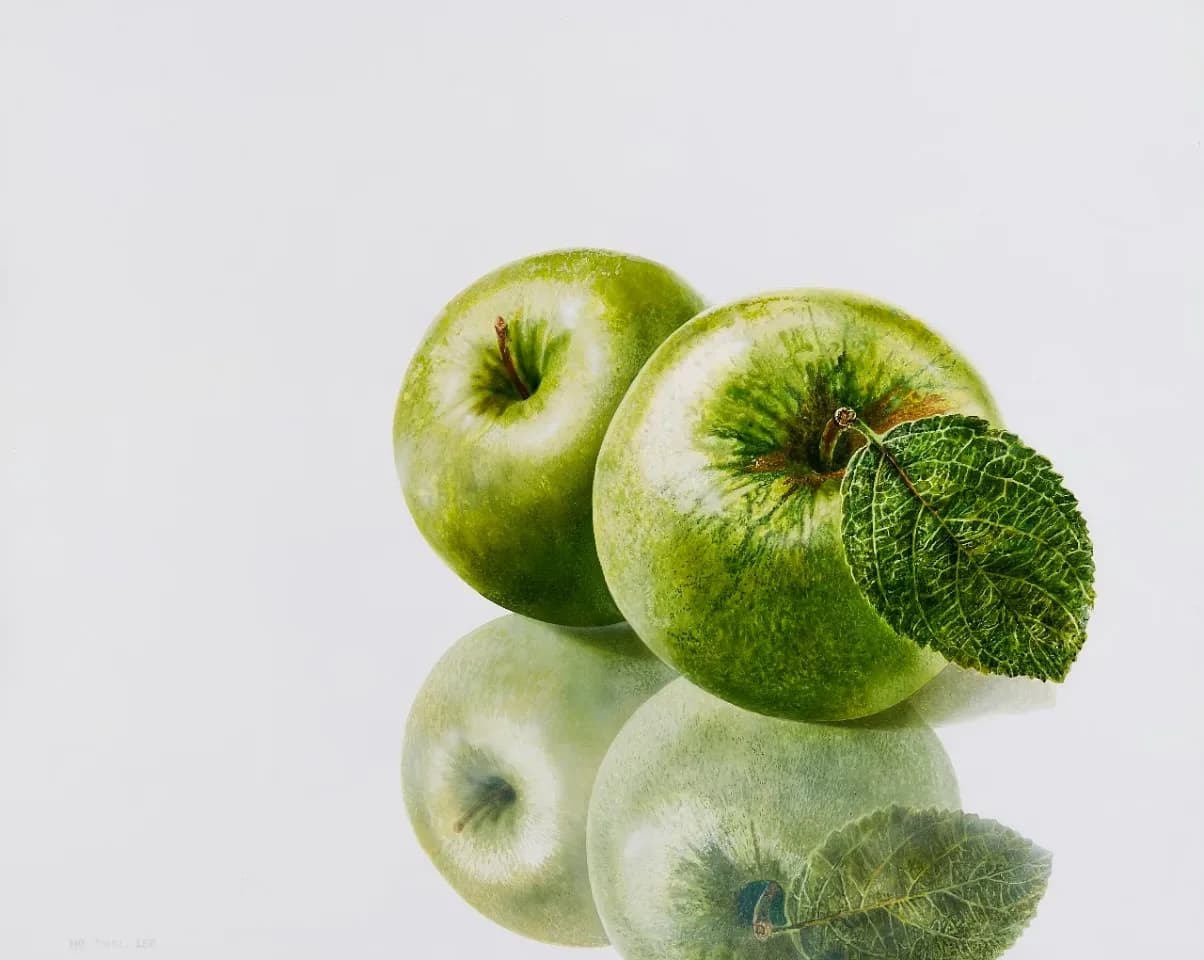
Lee Ho-cheol: A World Held in Fifteen Canvases
Open a drawer and find the sky. Lee Ho Chul paints the everyday while slipping endless train tracks and floating hats inside half-open drawers. 15 SAF works.
Apr 8, 2026 · Seed Art Festival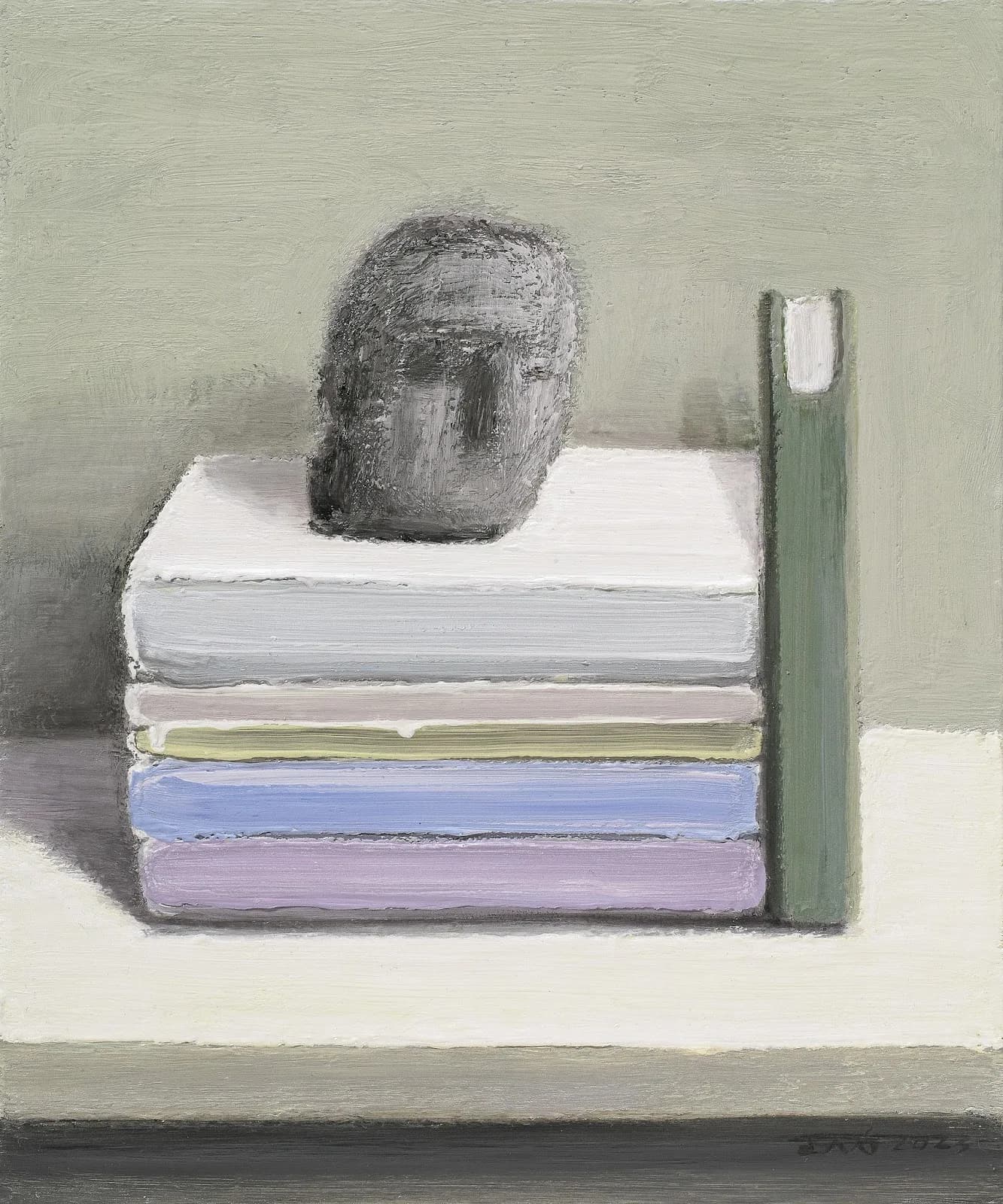
SAF Painters — From Korean Painting to Abstraction
The 40+ painters of SAF 2026, read across six lineages — from Reality and Utterance founders to KAIST-trained painters, Brussels sculpture MFAs, and Goryeo-Buddhist-painting masters.
Apr 20, 2026 · Seed Art Festival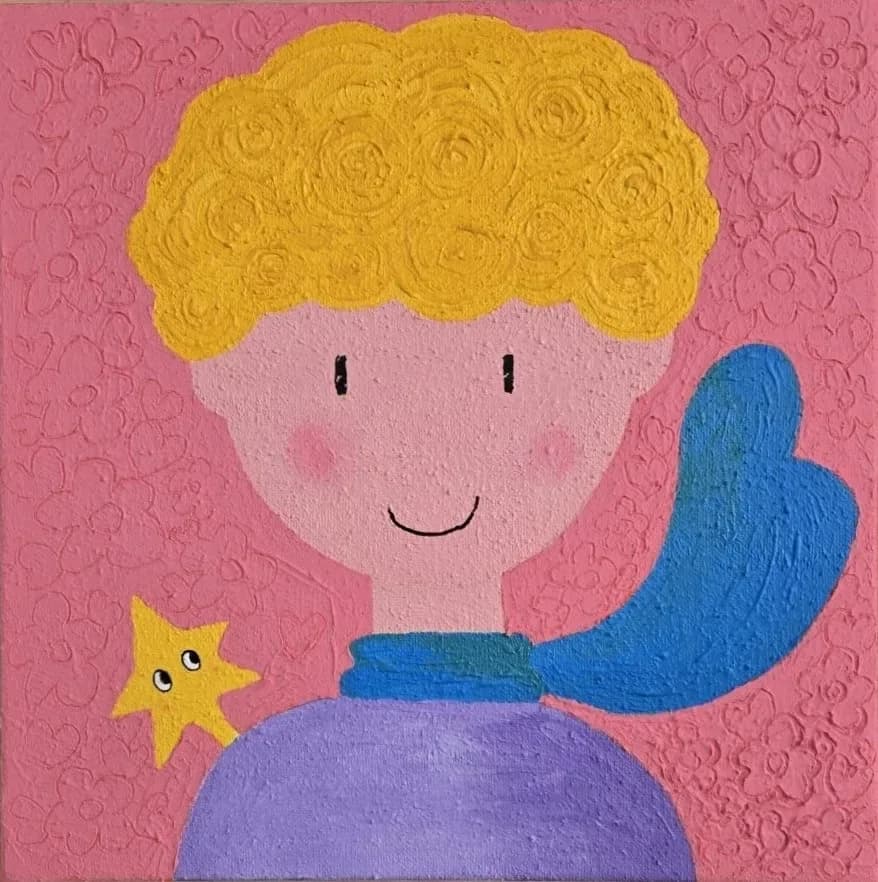
Contemporary Art Pricing — Artist, Medium, Size, Date: 4 Factors of Korean Art Market
“Is this price fair?” The question every buyer asks. To answer it you need to understand the four forces that set art prices: artist, medium, size, and date.
May 2, 2026 · Seed Art FestivalOther works by Lee Hocheol
View All


Purchase Safety
More Painting Artworks
View all Painting
Hometown Village Scenery
Park Jae-dong
₩4,000,000

Boy by the Sea
Park Jae-dong
₩5,000,000

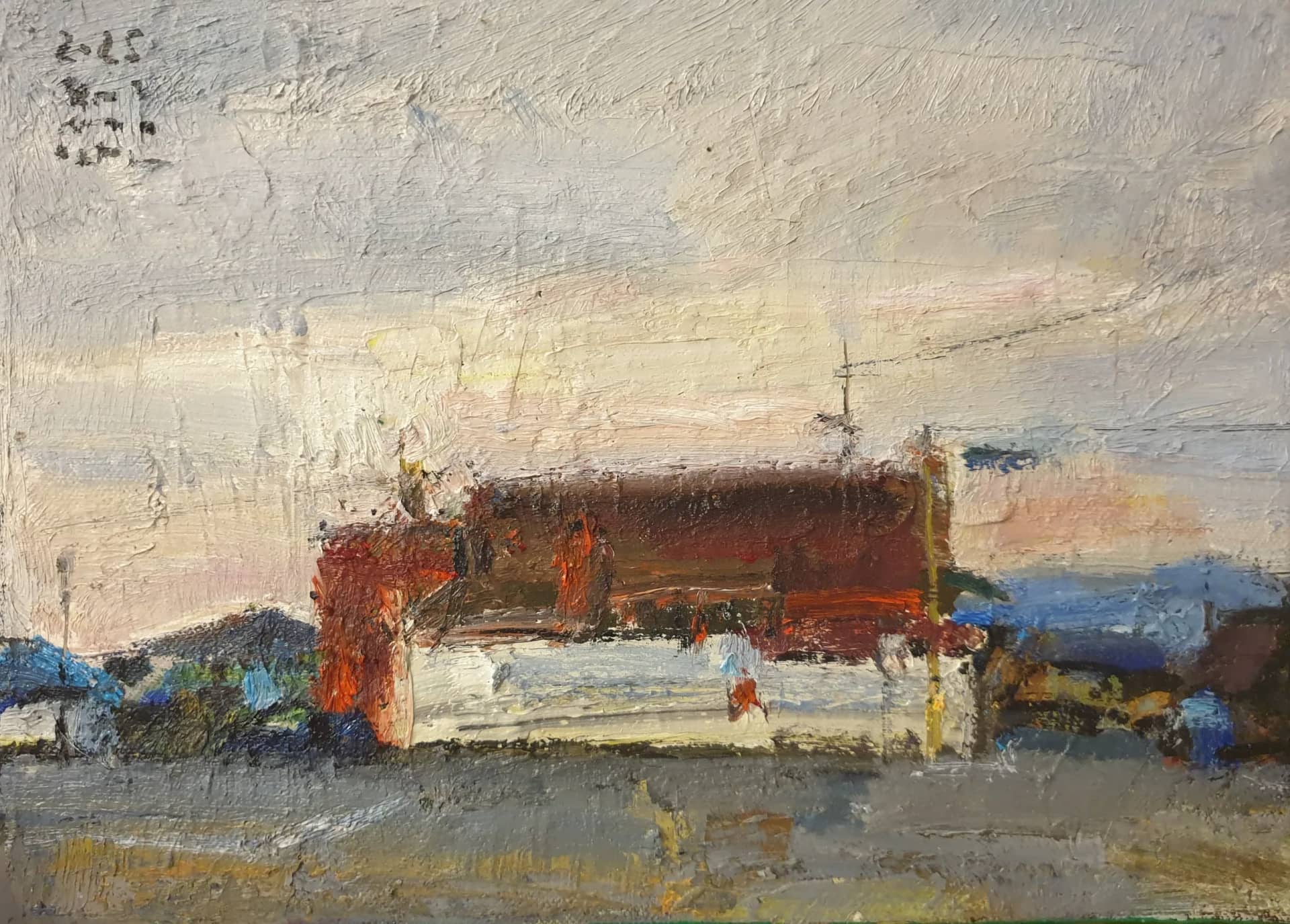
Cityscape
Park Jae-dong
₩5,000,000
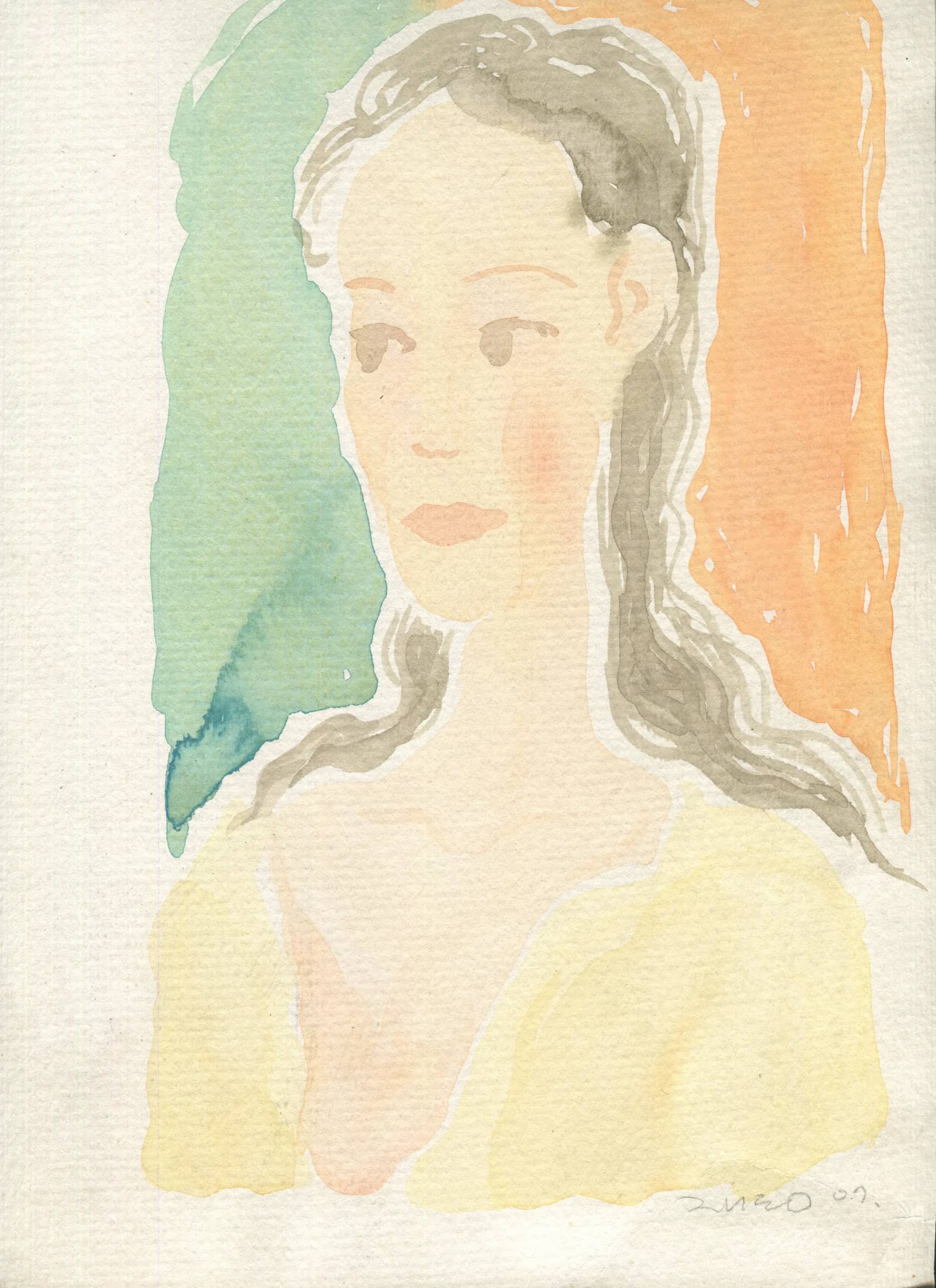
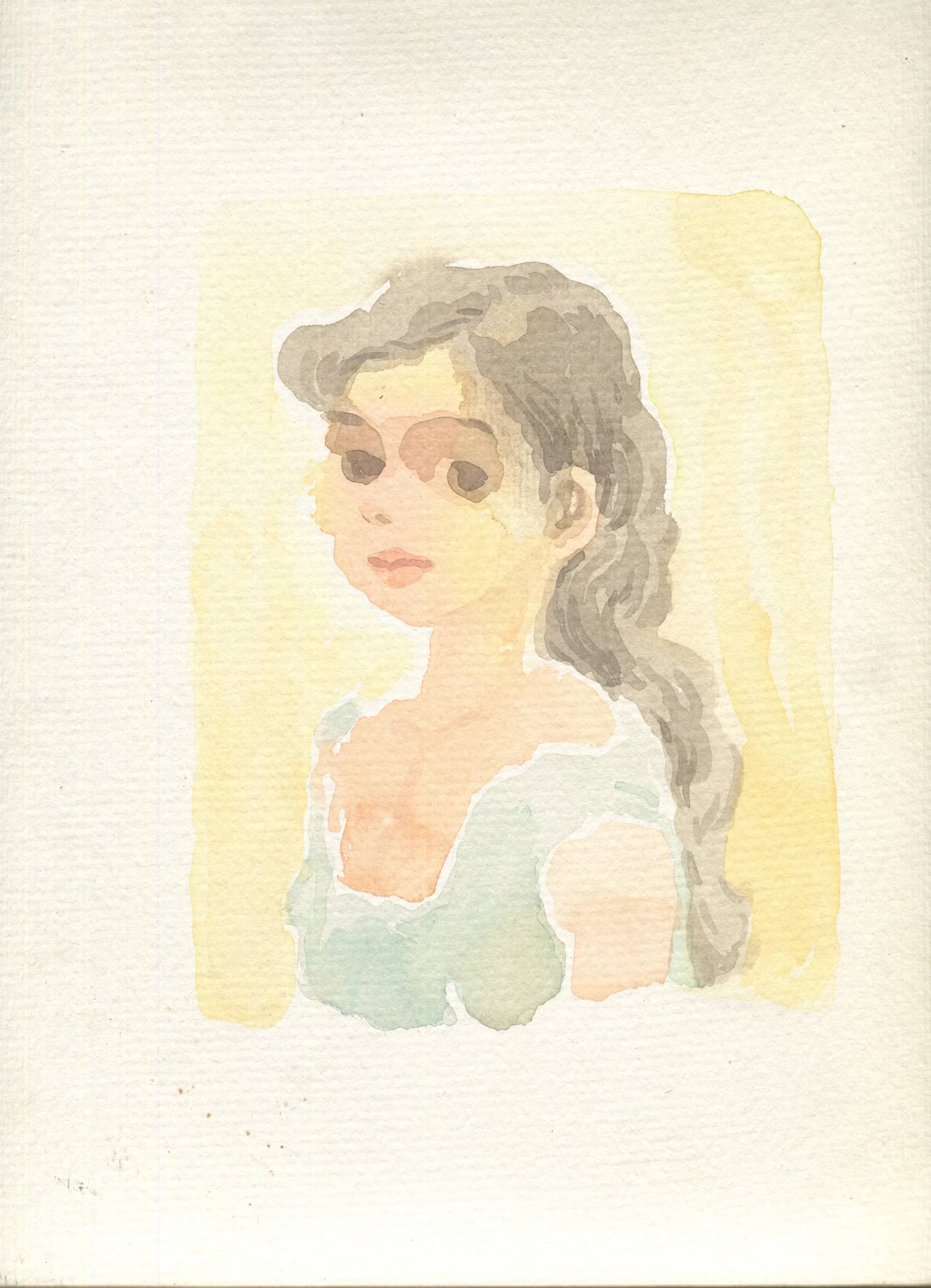
Woman
Park Jae-dong
₩3,000,000
Girl
Park Jae-dong
₩3,000,000
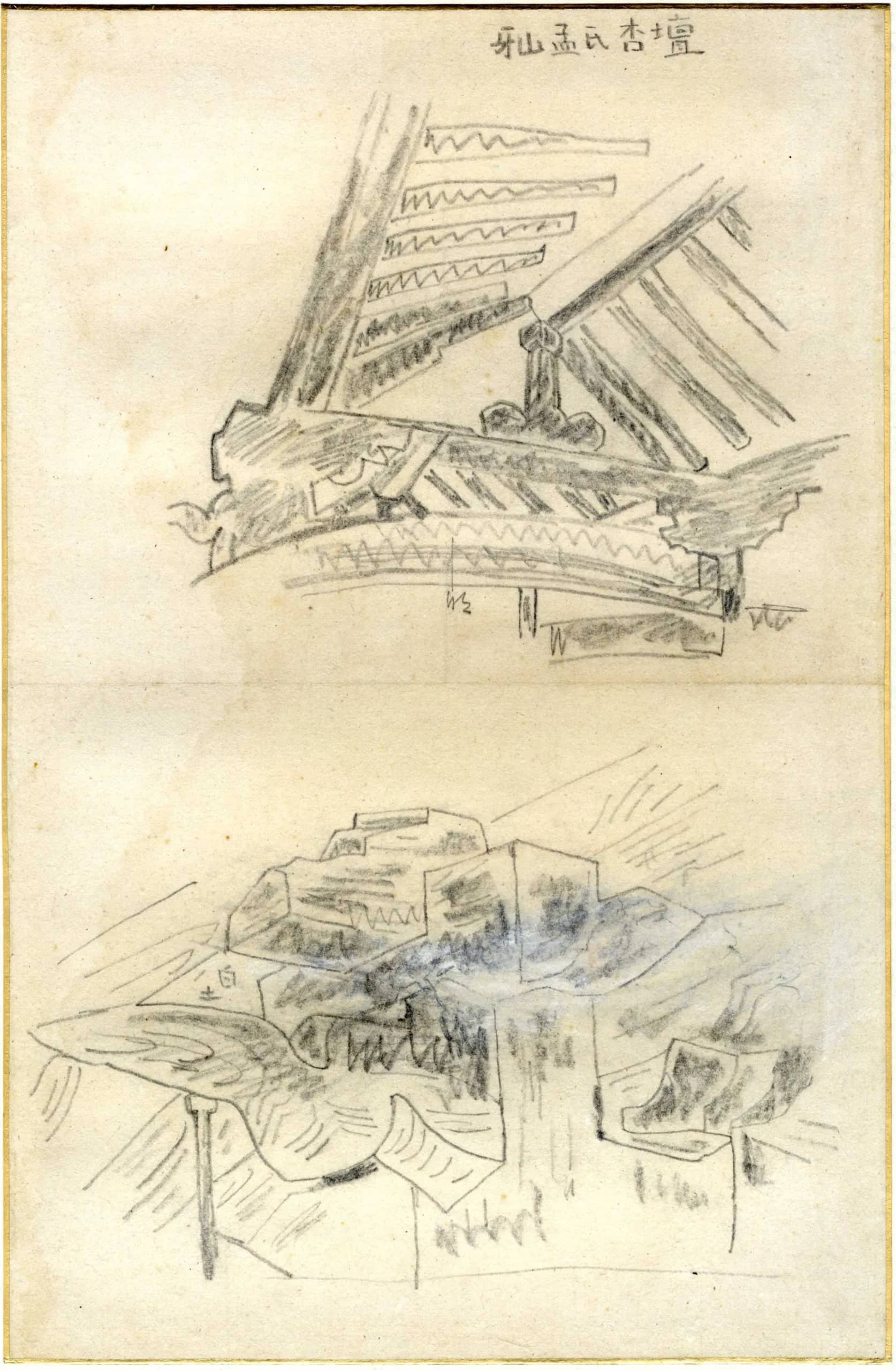
Gangjaeng Rice Mill
Park Seongwan
₩400,000
Price
₩4,000,000


Two beginnings made by one piece
- For you —
- One-of-a-kind in the world
- For the artist —
- the next month of their practice
- For a fellow artist —
- a new ₩3,000,000 path of low-interest support
354 artists have walked this path of recovery; 95% returned to open it for the next.