The gaps of the everyday,
and what shows through them
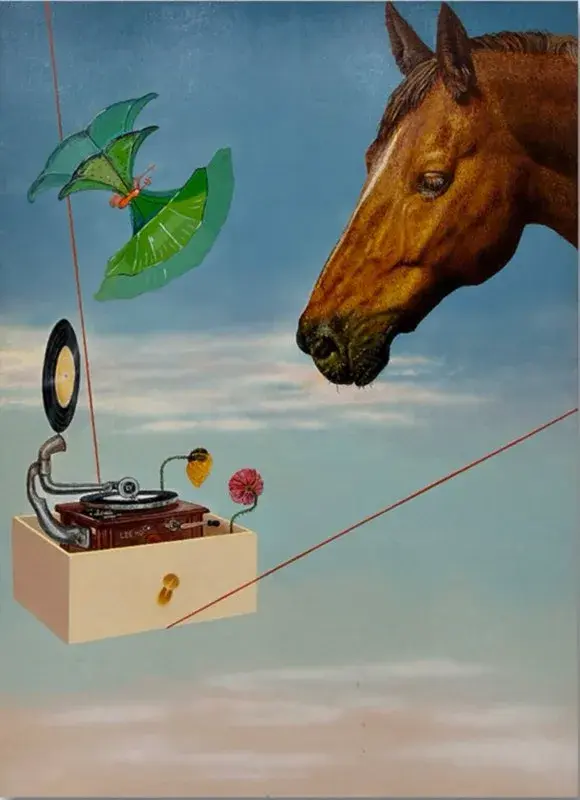
A drawer opens halfway — and beyond it, a sky stretches endlessly.Painter and printmaker who finds another world inside the ordinary.
Looking in —
a world that opens from inside the ordinary
Lee Hocheol was born in Seoul in 1958 and graduated from Hongik University's Department of Western Painting. Without grand pronouncements, he has steadily refined his own visual language across decades — devoting himself to exploring the possibilities of figurative painting while remaining faithfully present in both solo and group exhibitions.
He first came to wider attention in 1978, when he received an Encouragement Award at the inaugural JoongAng Fine Arts Prize Exhibition — an early signal of what would become a long and consistent career. He went on to receive recognition at the Monte Carlo Art Grand Prize Exhibition in 1990.
His first solo exhibition was held at Kumho Museum of Art in 1990. In the decades since, he has presented approximately twenty-five solo exhibitions at major Korean galleries including Noh Gallery, Pyo Gallery, Arario, and Sun Gallery, and participated in over 150 group exhibitions domestically and internationally — including the International Impact Art Festival in Kyoto and the 8th JAALA Exhibition in Tokyo.
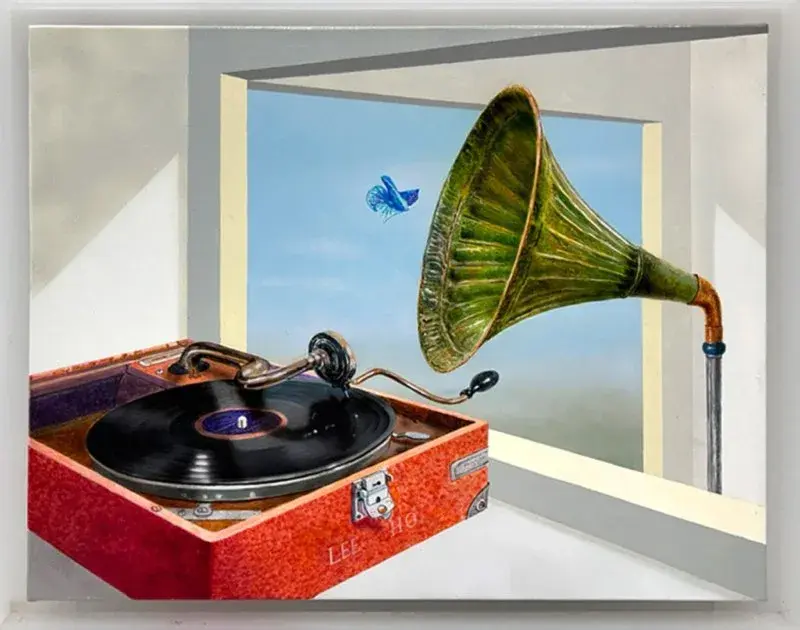
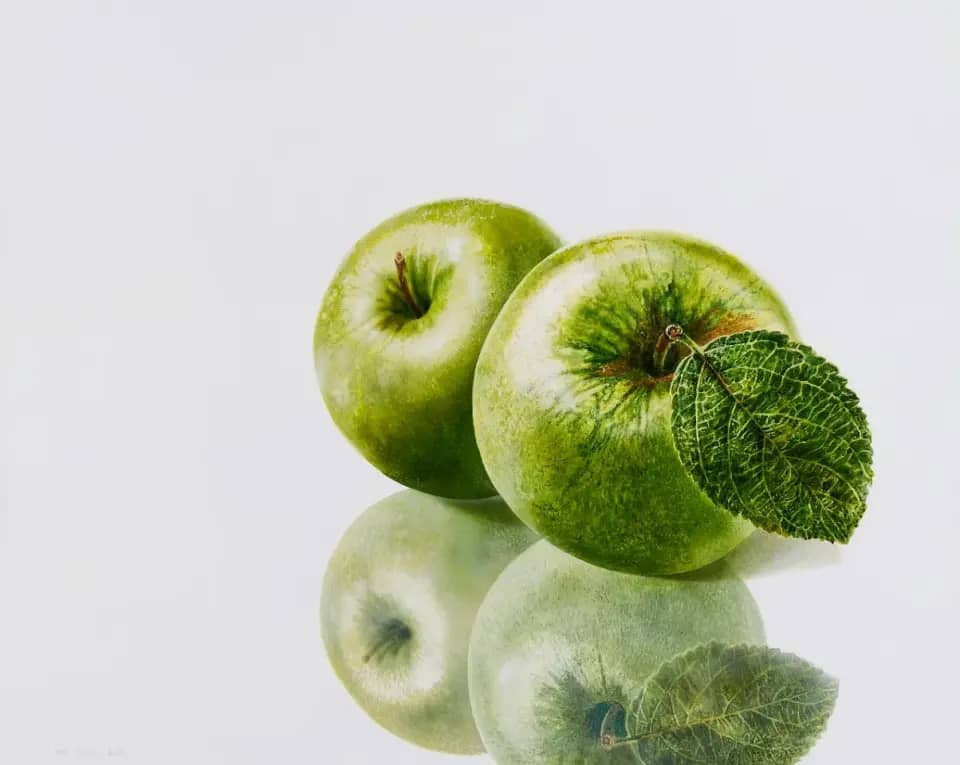
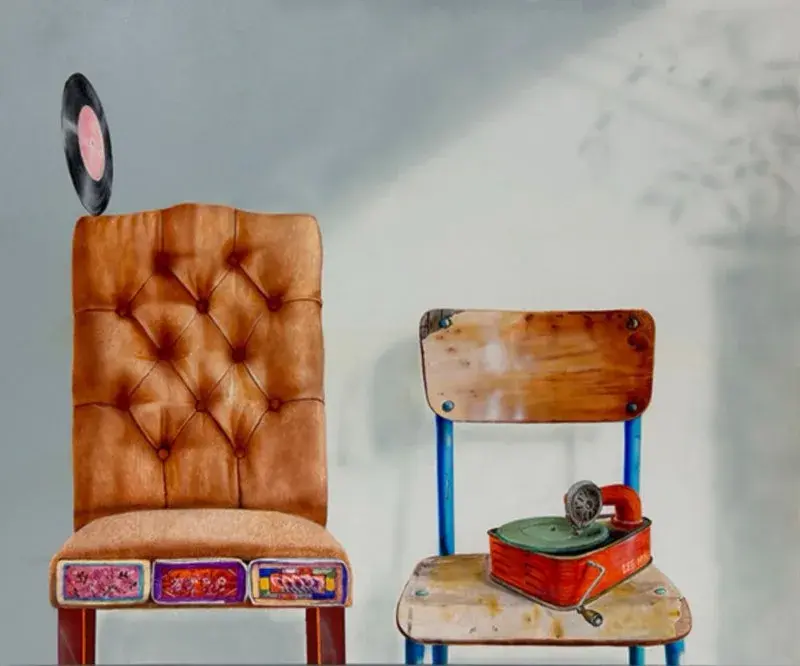
At the centre of his work are the objects of daily life: dining tables, glasses, chairs, drawers, neckties, clocks, bags, coffee cups, gloves, hats, ballpoint pens. Art critic Seo Seong-rok has written that looking at his paintings feels like reading a diary. The objects rest quietly in their proper places, like a room whose owner has briefly stepped away, a stillness as though time had stopped like a broken clock.
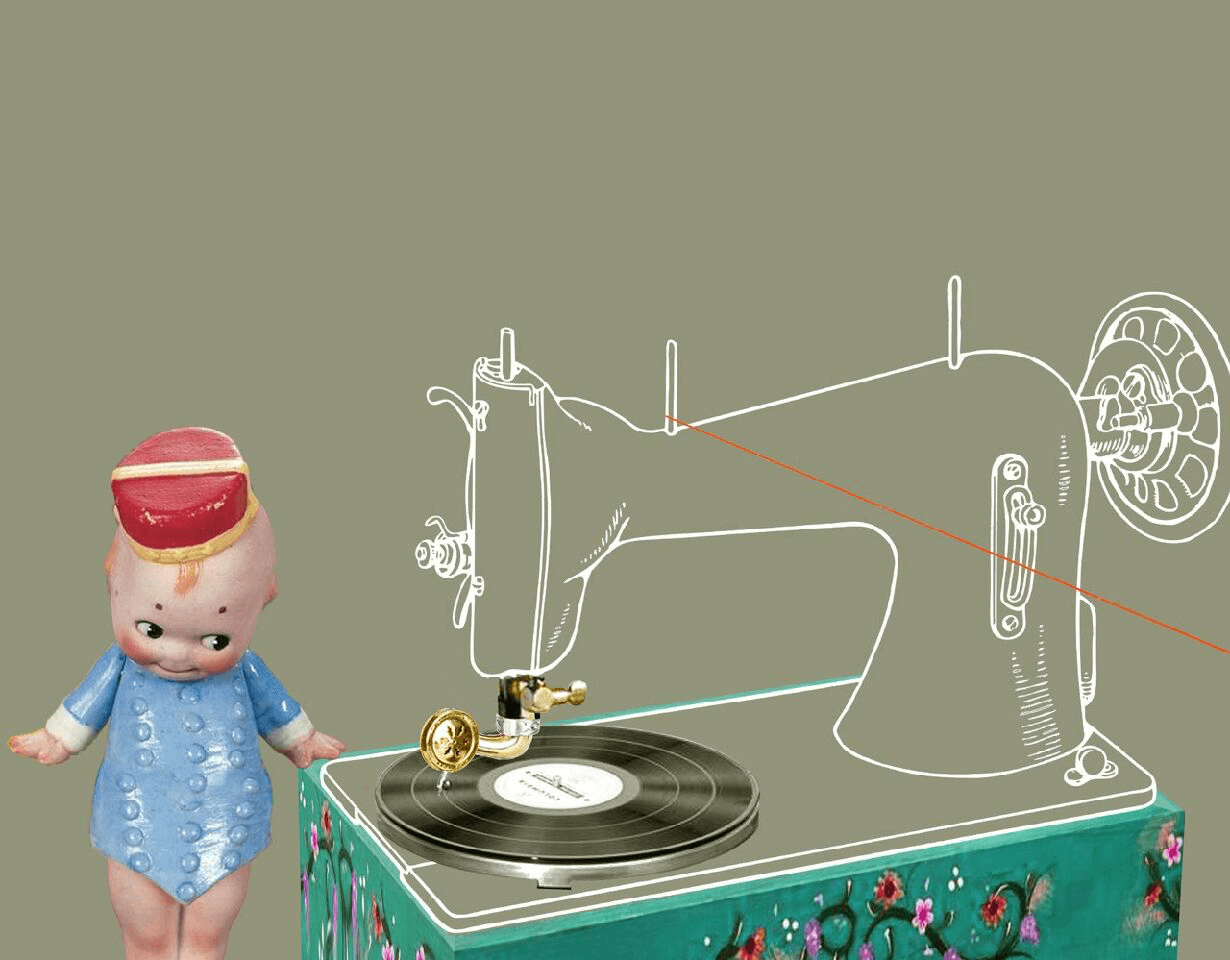
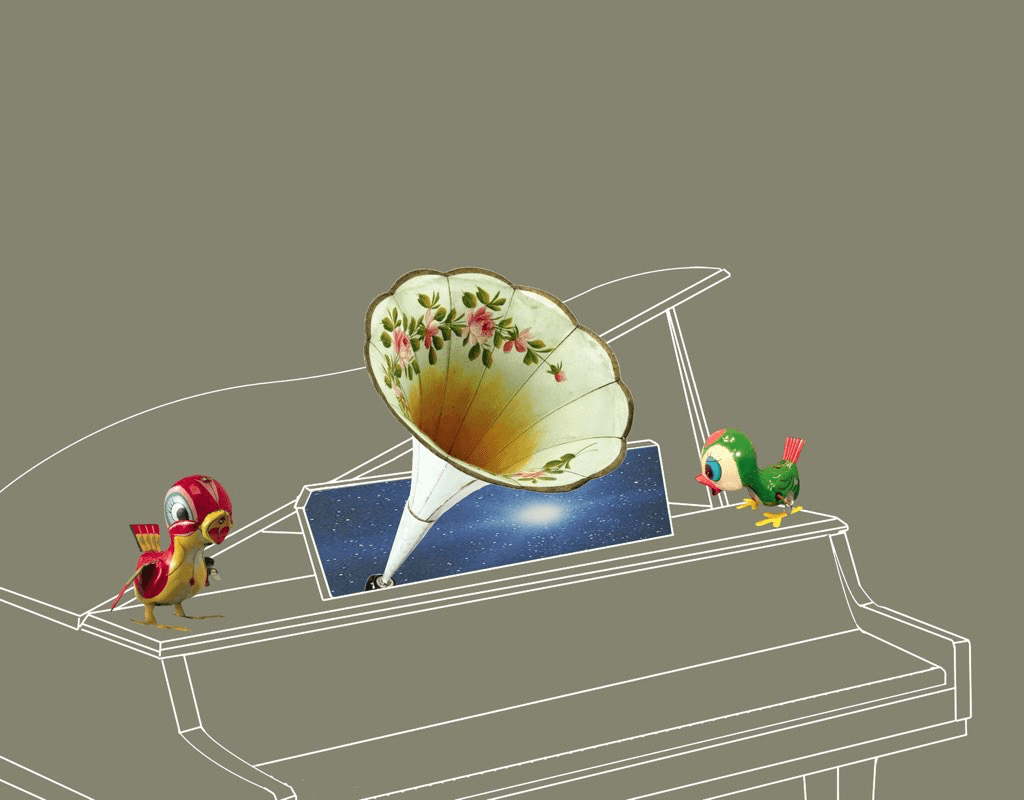
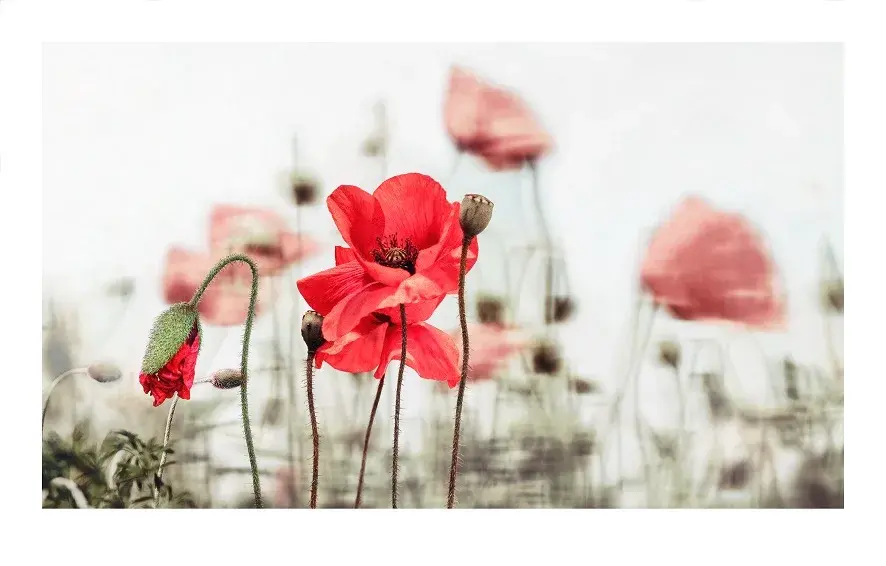
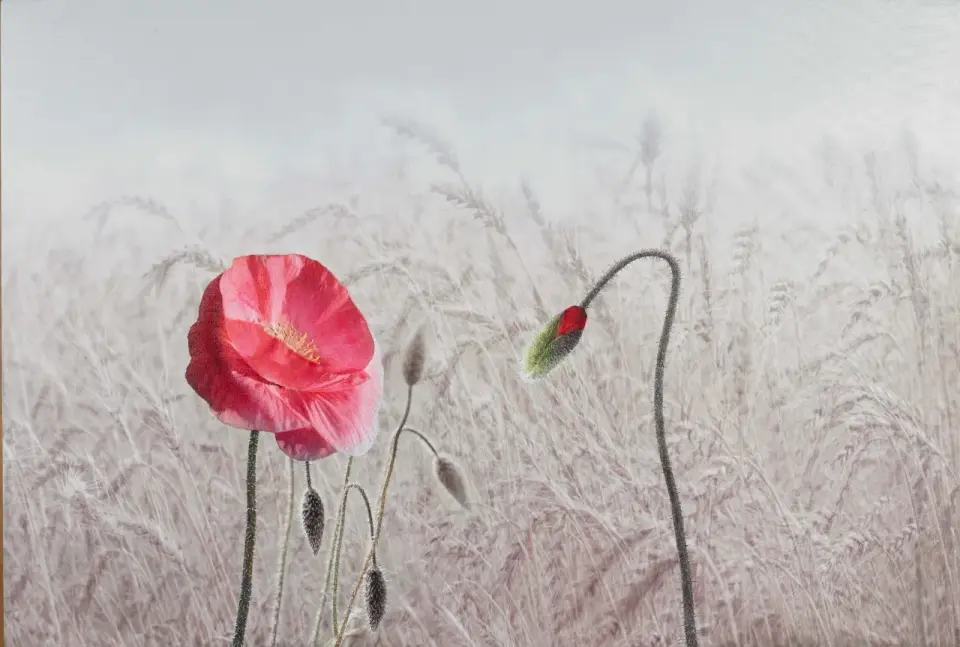
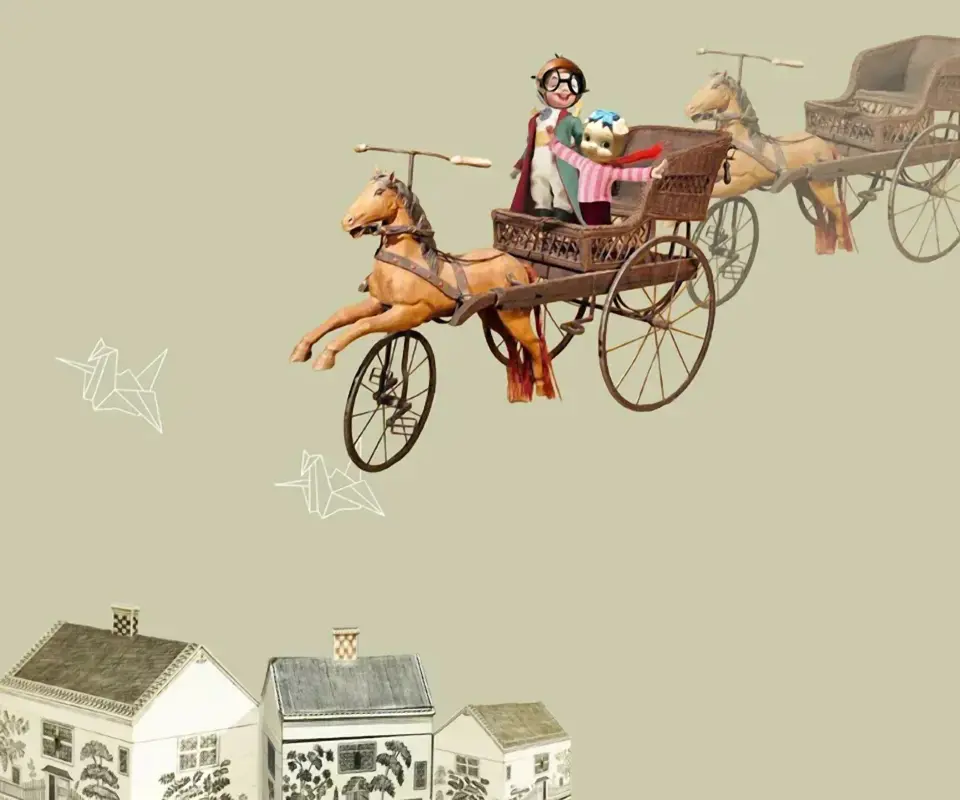
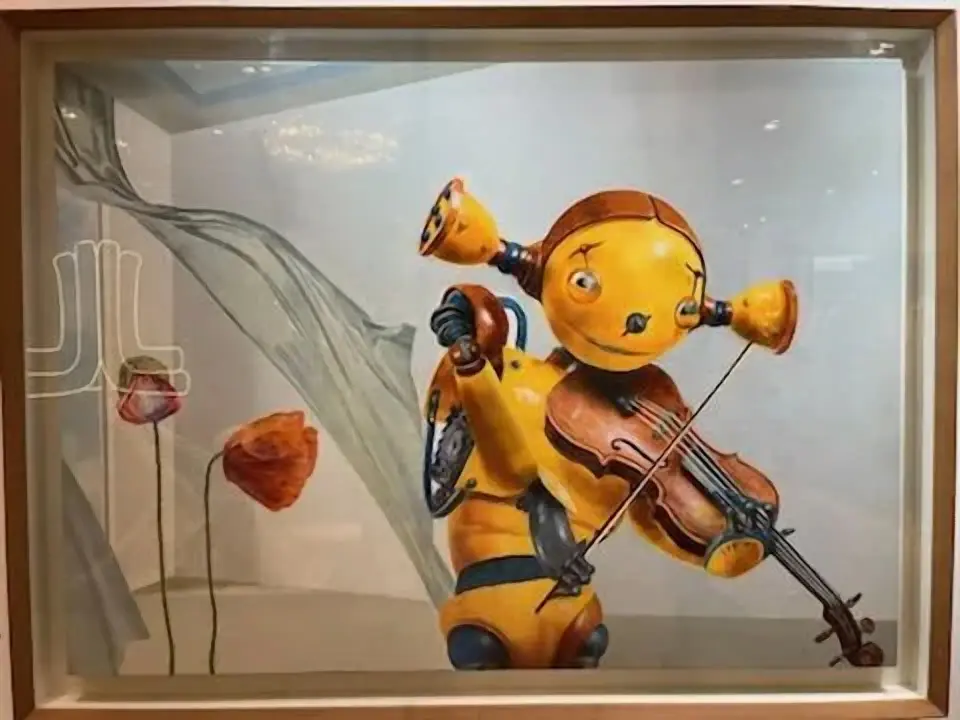
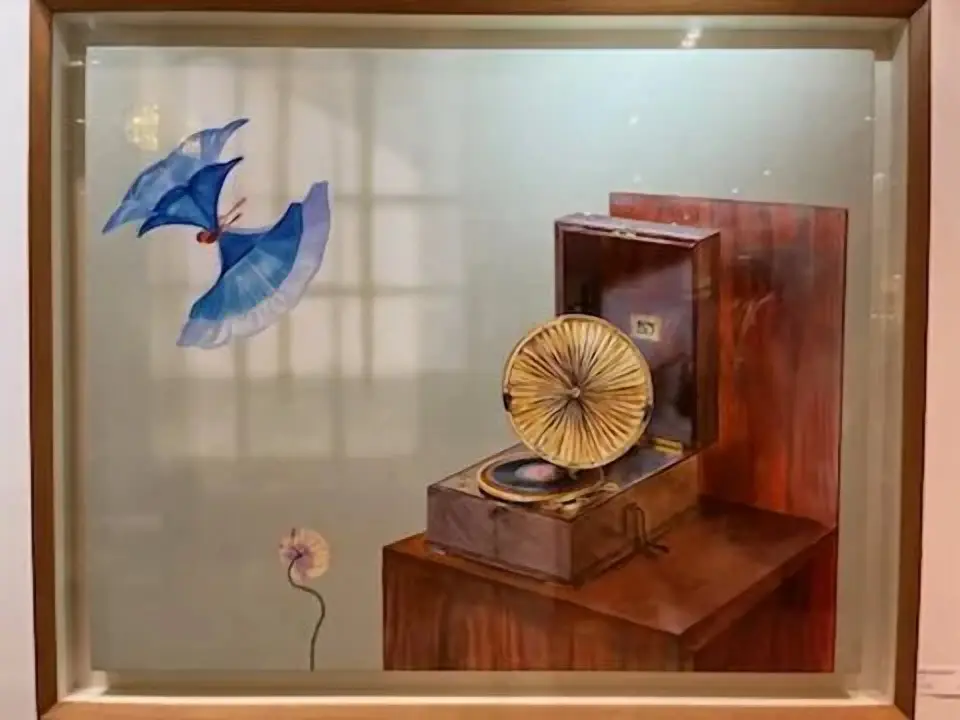
Yet this quietude is not simply that of conventional still life. As one looks more closely, strange details begin to emerge: within a half-open drawer, a distant sky unfolds, endless railroad tracks appear, a hazy field comes into view. Hats and gloves drift freely in midair. Objects far larger than the drawers themselves are somehow contained within them. A world beyond reality suddenly intrudes into the everyday — and the viewer gains the freedom to dream.
Three signatures of the work
- 1
Peeking in (들쳐보기)
The greatest charm: a closed drawer opens, and an entirely different world unfolds beyond the gap. The drawers are never fully open — and this refusal to reveal everything stimulates the imagination all the more powerfully.
- 2
Breaking the frame
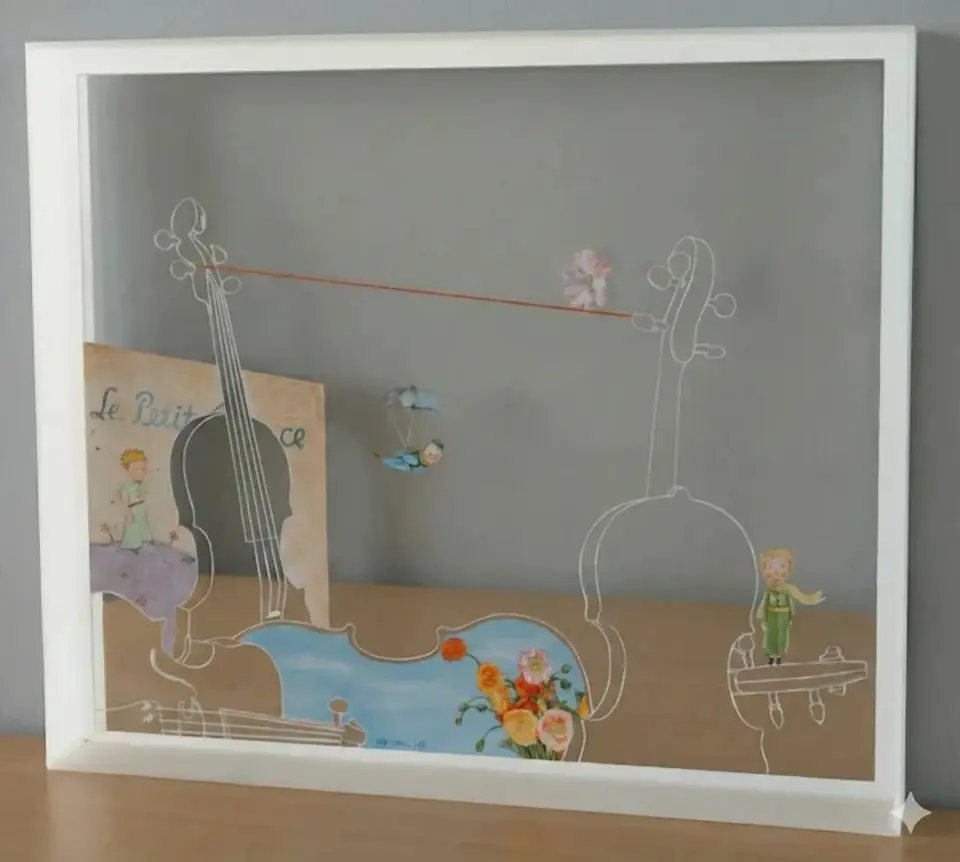
In his paintings, the frame is already painted within the picture — making an external frame unnecessary. He has also experimented with shaped canvases, breaking down the boundary between inside and outside the painting itself.
- 3
Moon jar and white porcelain
In his white porcelain works — including moon jars (달항아리) — he delicately depicts the marks left by the potter's wheel and the traces of white clay, creating a painterly texture in which brushstrokes feel almost abstract.
The artist's timeline
- 1958Born in Seoul.
- 1970sGraduates from Hongik University, Department of Western Painting.
- 1978Encouragement Award, inaugural JoongAng Fine Arts Prize Exhibition (제1회 중앙미술대전).
- 1990First solo exhibition, Kumho Museum of Art (금호미술관), Seoul. Monte Carlo Art Grand Prize Exhibition.
- 1990s–International exhibitions: International Impact Art Festival (Kyoto), 8th JAALA (Tokyo), 50 Years of Korean Contemporary Painting (Seoul Gallery).
- ongoingApproximately 25 solo exhibitions at Noh Gallery, Pyo Gallery, Arario, Sun Gallery and others; over 150 group exhibitions in Korea and abroad.
Selected collections
- Seoul Museum of Art, Busan Museum of Art, Daejeon Museum of Art, Gwangju Museum of Art, Jeonnam Museum of Art, Yangju City Museum of Art
- Samsung Group, Asiana Airlines, Arario Group, Hanjin Group, Kumho Group, Daewoo Group and numerous other domestic corporate collections
- Judicial Research and Training Institute, Severance Hospital, Asan Medical Center, Samsung Medical Center
- International collections: Embassy of Mexico, Poland, Hong Kong, Dubai, Nigeria, Spain, Belgium, Monaco, Türkiye, Greece, South Africa and others
Three essays —
on the work and its world
1The gaps of everyday life — looking into the ordinary
The objects in Lee Hocheol's paintings are unremarkable: a dining table, an armchair, a clock, a pair of glasses, a drawer, a coffee cup. They are the furniture of a life lived quietly — a room between moments, a pause in the day. Art critic Seo Seong-rok has described the experience of looking at his work as reading a diary: the feeling of encountering private time made visible.
Yet the paintings are not diaries of the merely ordinary. The closer one looks, the more the image shifts. A half-open drawer reveals not the interior of a chest of drawers but a distant sky. Railroad tracks run into the distance where the back of a drawer should be. A field appears, hazy and endless. The ordinary contains the inexhaustible — and the viewer finds themselves standing at a threshold between the familiar and the unknown.
The tension between these two registers — the rational and the irrational, the conscious and the unconscious, the whole and the unexpected — is the generating condition of his paintings. This is not surrealism in a historical sense, but something quieter: a systematic attention to the cracks that exist in any life, and to what might be glimpsed through them.
2Between painting and printmaking — a sustained practice
Lee Hocheol's practice spans both painting and printmaking — two mediums that share certain structural concerns: the question of the image's boundary, the relation between surface and what lies beneath, the repeatability of a form. The drawer, the frame, and the shaped canvas are all preoccupations that resonate differently across medium.
In his paintings, the frame is already incorporated into the image itself: the work contains its own boundary, making an external frame unnecessary. This self-framing is an act of pictorial self-sufficiency, but also a form of questioning — at what point does a picture become a world? He has extended this question further by moving beyond the conventional rectangular canvas, working with shaped formats that break the boundary between picture plane and actual space.
In the white porcelain works — including his paintings of moon jars — he describes the marks of the potter's wheel and the traces of white clay with such delicacy that the brushstrokes begin to feel abstract. The representational subject becomes a site of painterly sensation: this is figurative painting that does not stay still within its own conventions. Across four decades of sustained output, the practice has remained committed to this single inquiry — the possible worlds available inside the ordinary.
3Faithfully present — an artist who stayed in the field
What is perhaps most striking about Lee Hocheol's career is not any single prize or exhibition, but the weight of his continued presence. In a field that rewards novelty and visibility, he has been distinguished by consistency: approximately twenty-five solo exhibitions across major Korean galleries, participation in over three hundred group and curated exhibitions in Korea and internationally, and a collecting history that spans public museums, hospitals, hotels, embassies, and corporate collections across five continents.
He first made his name known in 1978, with an encouragement award at the inaugural JoongAng Fine Arts Prize Exhibition — a moment of early recognition that he followed with decades of quiet, steady building. The prizes came, including recognition at Monte Carlo in 1990. But the more telling measure is the unbroken record of showing work, the refusal to step away from the field.
He joins SAF not as a subject of its cause but as a fellow artist in solidarity — so that those who come after might work without the financial barriers he has navigated, and so that the field he has faithfully occupied for nearly five decades might remain open to the next generation.
The half-open drawer is Lee Hocheol's signature, but it is also a proposition: that the ordinary always contains more than it shows, that a crack in the everyday is an opening toward something else. Across painting and printmaking, across four decades and hundreds of exhibitions, this is the single question he has continued to ask — and the asking has not grown old.
Selected Works
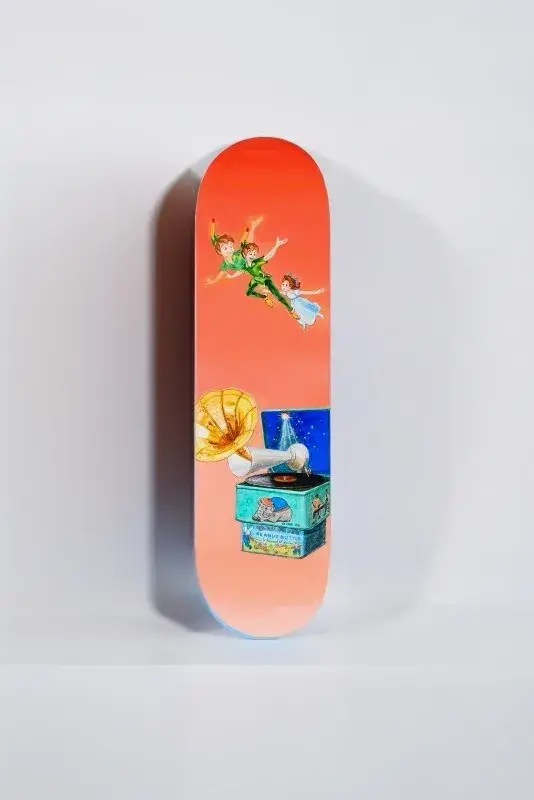
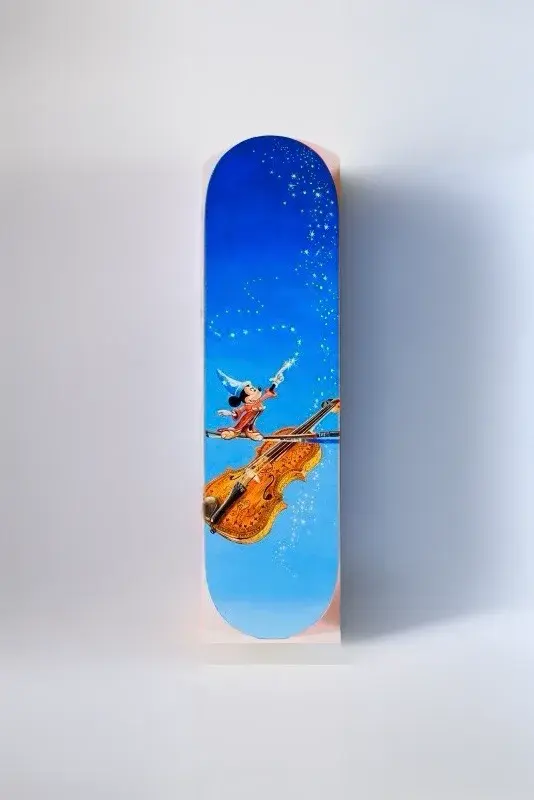
17 works are featured here.
Lee Hocheol joined this campaign in solidarity with fellow artists. Every work sold flows directly into the artists' mutual-aid loan fund— a purchase becomes the next month's lifeline for an artist navigating financial exclusion today.