Meet the Artist
Stories behind the artists and their works
Behind every artwork is a life of decisions. SAF 2026 brings together 213 Korean artists who chose to put their work into a mutual-aid campaign for fellow artists. Their interviews, studio notes, and reflections give you the context that turns a passing glance into a lasting connection with a piece.
Korean contemporary artist interviews often live behind academic prose. The SAF magazine asks simpler questions in the artists’ own words, so first-time visitors can build a real sense of who made the work — and why.
Every featured artist is a “solidarity artist”: they donated work knowing the proceeds would fund low-interest loans for peers excluded from primary banking (84.9% of Korean artists). Their stories are personal, but they also reveal the structural reality of Korean art-making.
Found an artist you connect with? Their full SAF collection is one click away — original works, gallery-direct pricing, free shipping, and 7-day returns.
Stories in this category
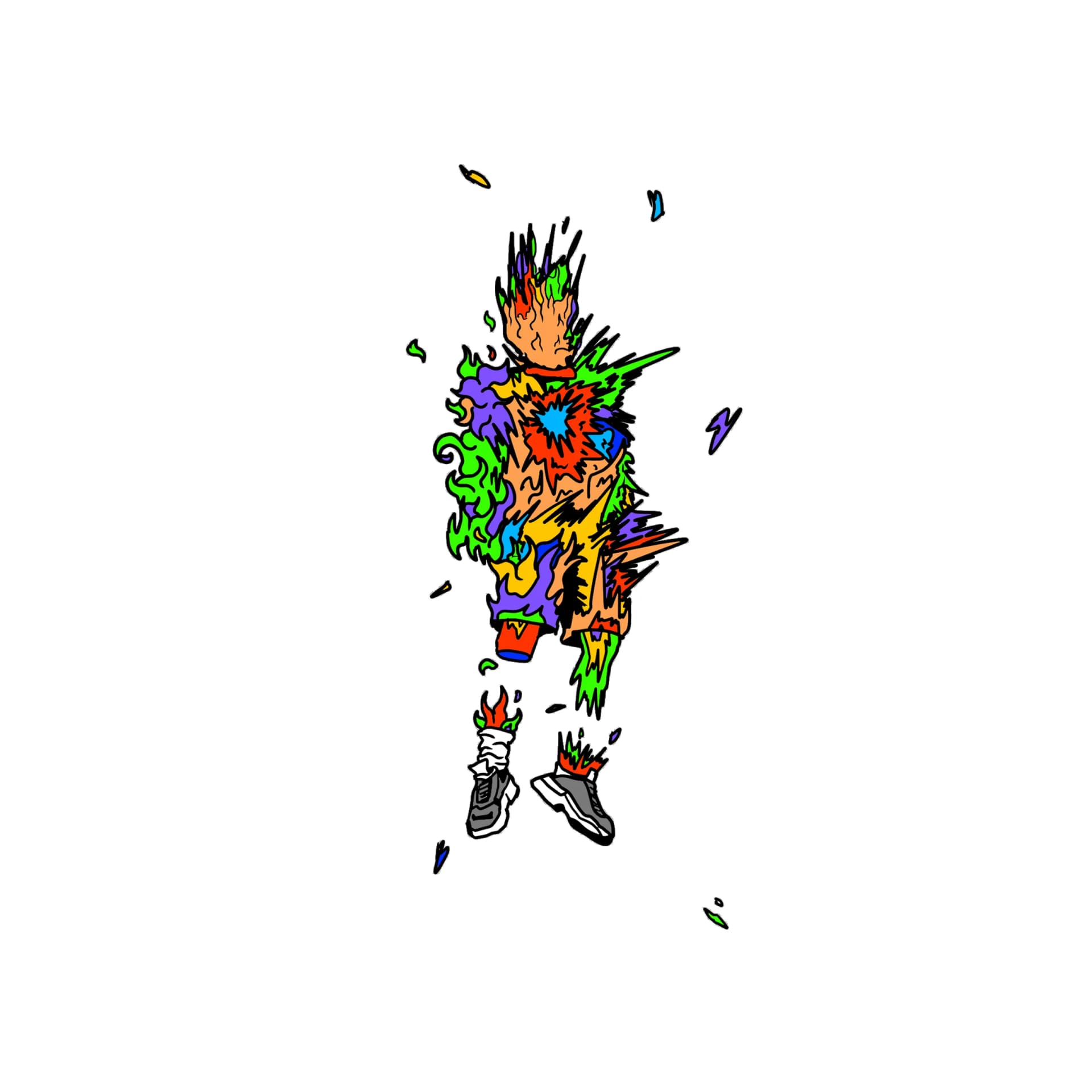
Go Dong-hyeok (VAPPLE): Three Scenes from an Illustrator Who Says Consume Your Emotions
Illustrator Go Dong-hyeok, working under the name VAPPLE, invites viewers to "consume your emotions." A close look at three digital prints submitted to SAF.
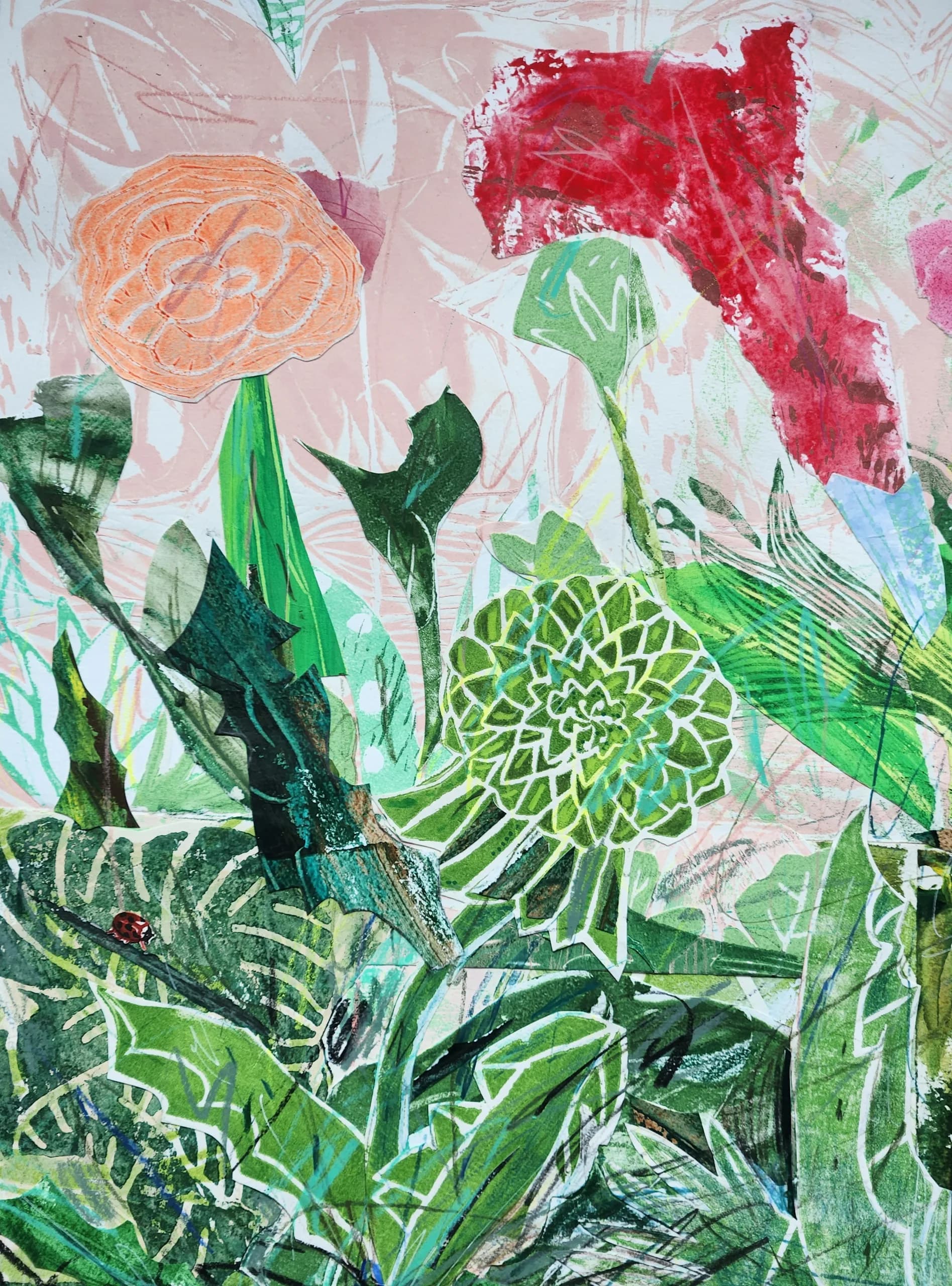
Jo Yeongsuk: Layers of Nature, One Painting
Painter Jo Yeongsuk brings a printmaker''s hand to a single canvas. A close reading of her work at Seed Art Festival, following her own words: "perhaps a self-portrait."
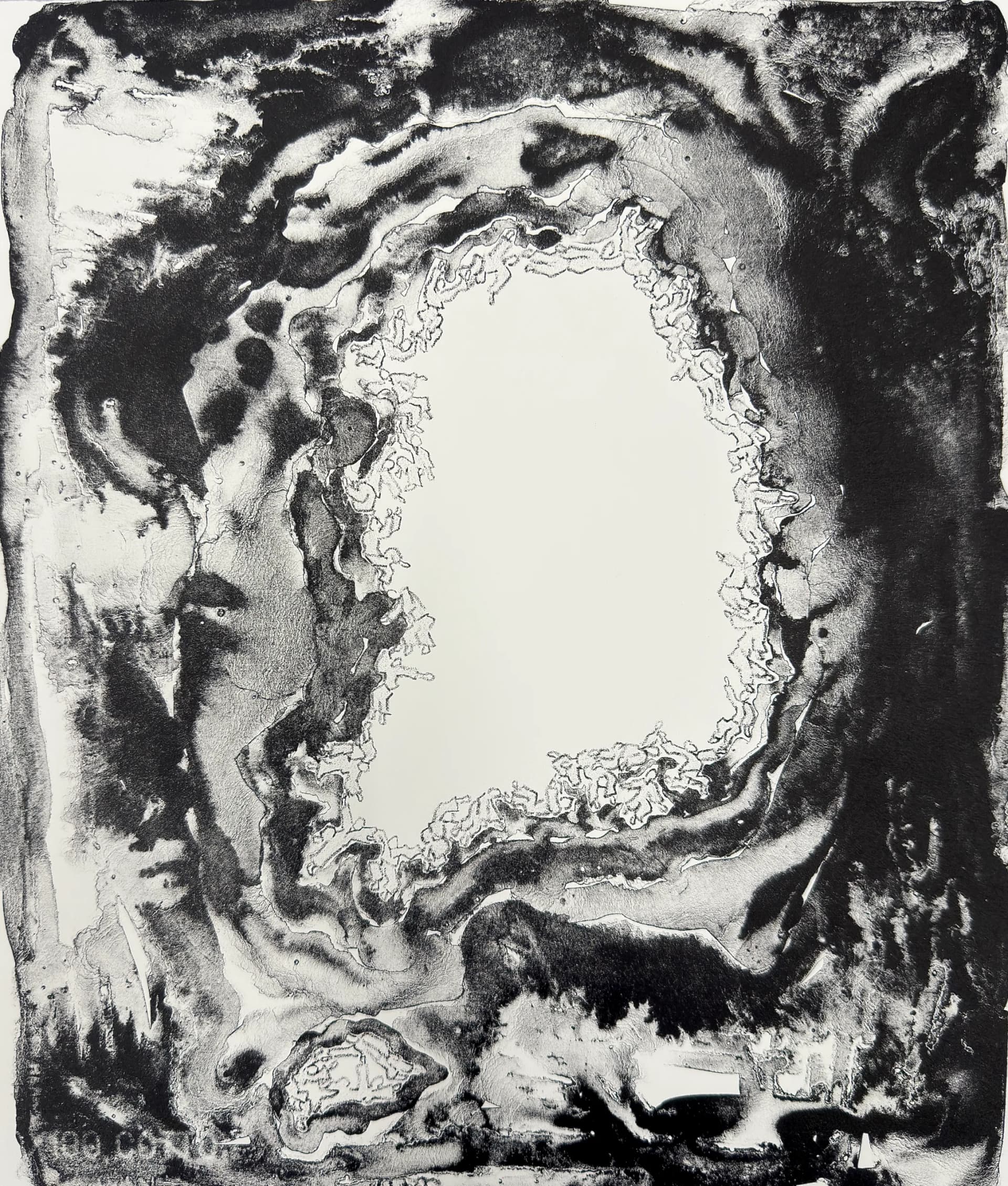
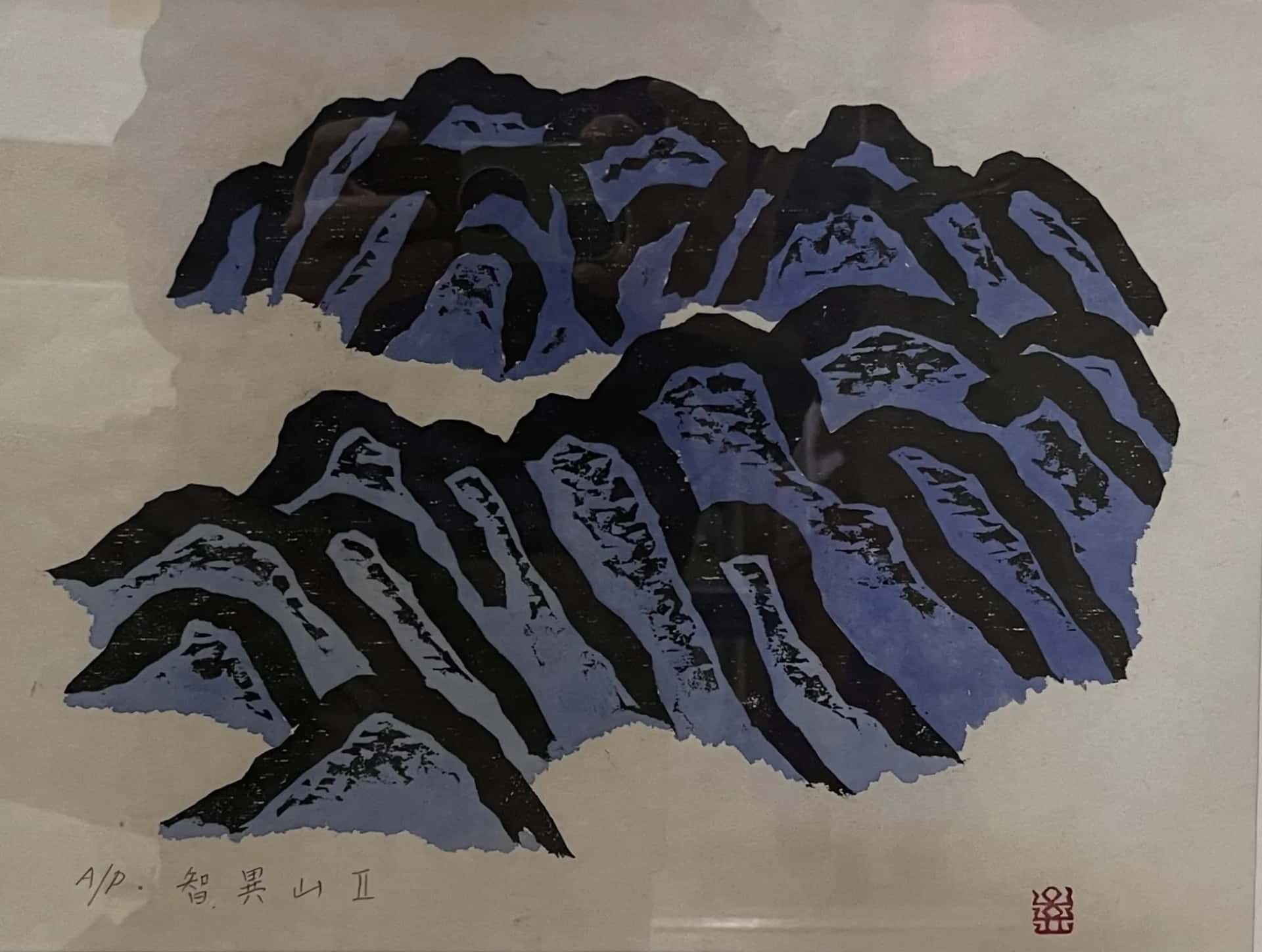
Kim Yang-won: A White Clearing Left in the Middle of the Black
A short note on Kim Yang-won and their print in the Oh Yoon 40th anniversary exhibition, read through the black-and-white contrast on the page itself.
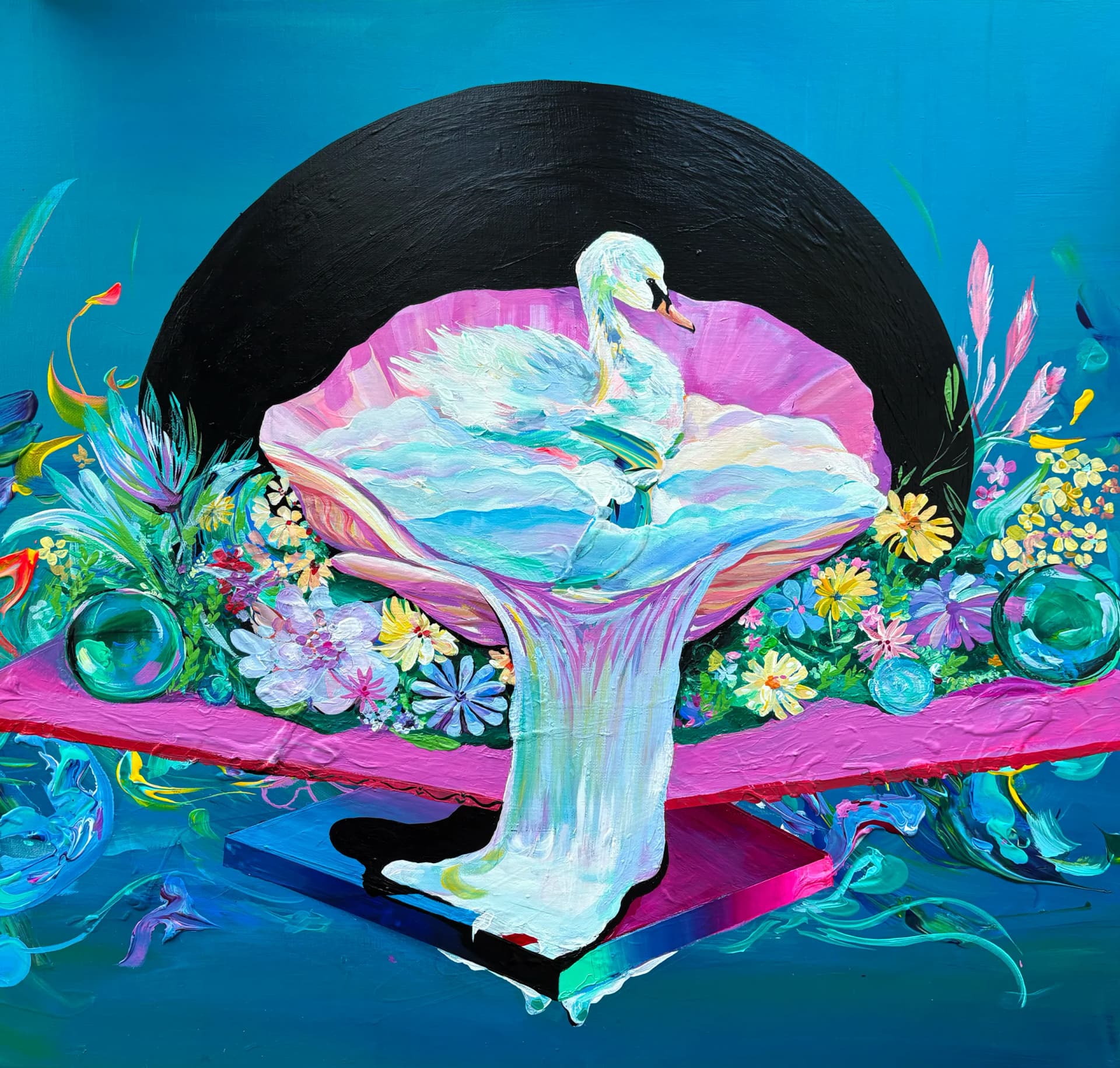
Han Mi-yeong: A Screen Where Angels, Serpents, and Swans Live
Han Mi-yeong borrows angels and goddesses from myth to paint contemporary anxiety and choice. A reading of her surreal, color-saturated world through three works at Seed Art Festival.
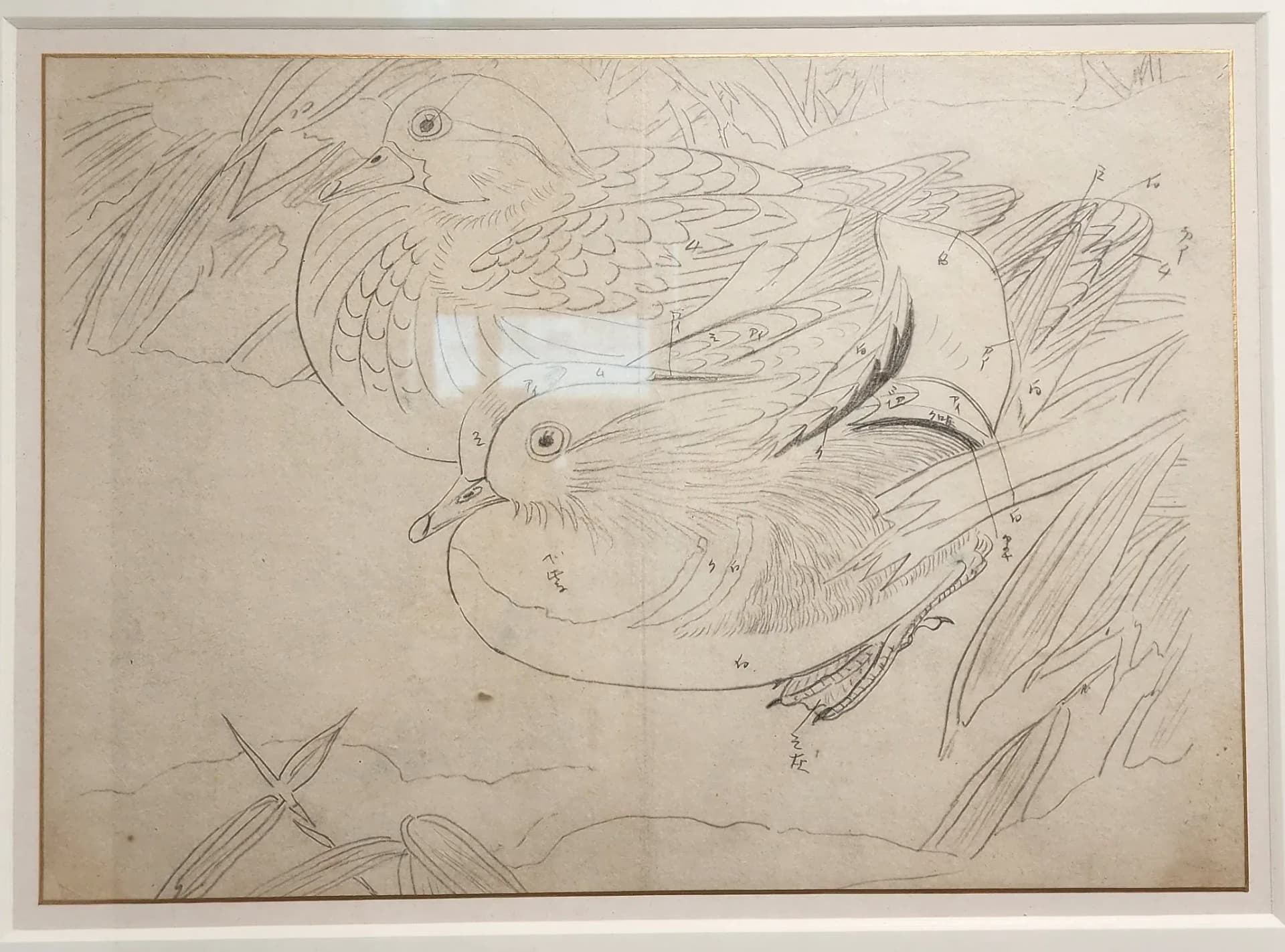
Park Saeng-gwang: Before the Obangsaek, the Pencil Went First
Park Saeng-gwang (1904–1985) painted shamans and history in obangsaek. The 71 works at SAF are what came before the color — a lifetime of pencil drawings from Jinju to Jeju, Kamakura and India.
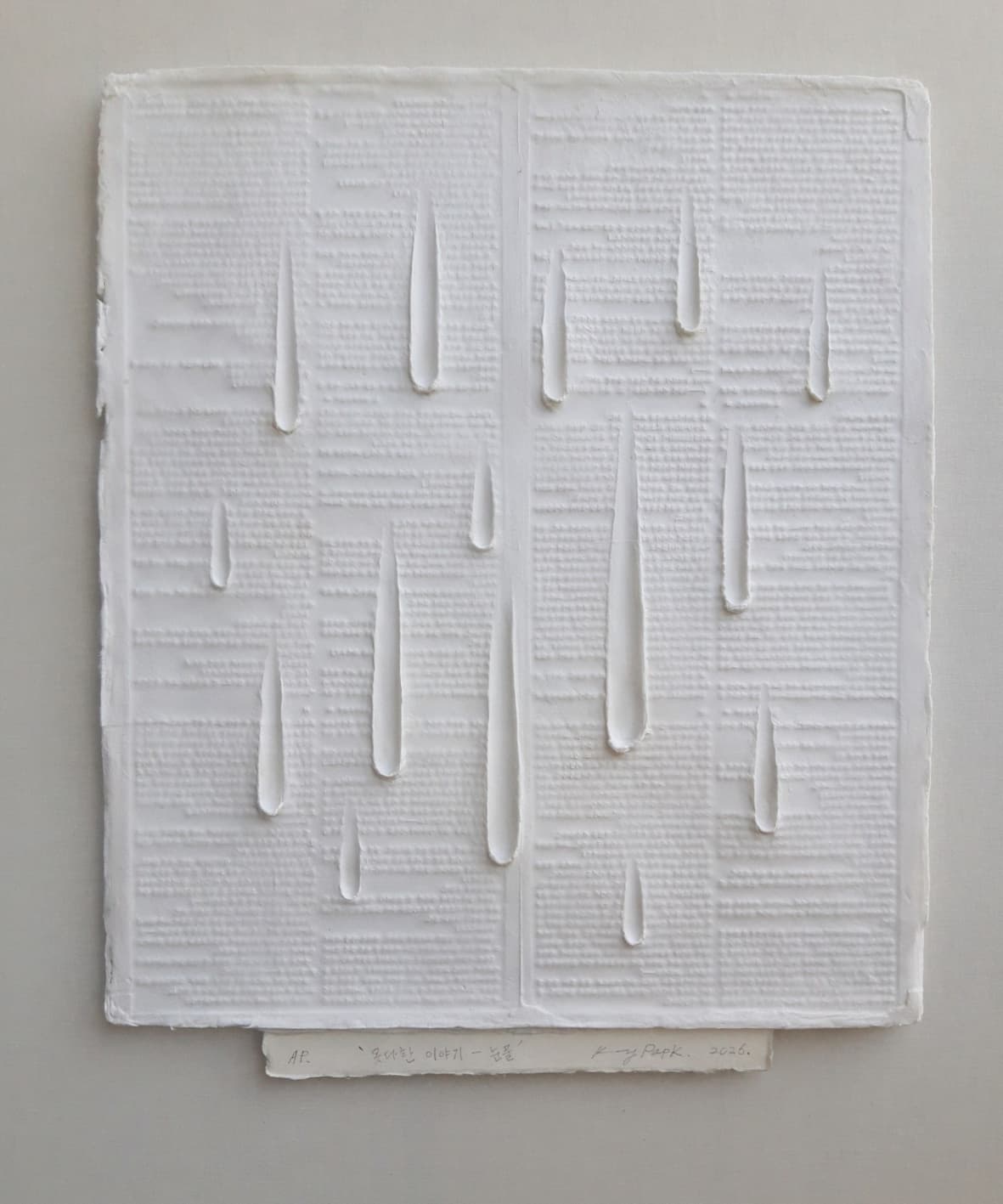
Park Gwang-yeol: Tears Falling Through Cast Type
Printmaker Park Gwang-yeol moved from copperplate etching to hand-cast cotton paper. A close reading of a single work made from vanished letterpress plates once used in Seoul'\''s Eulji-ro.

Han Gyeonghwa: A Beast Carved in Wood, a Portrait of Someone Crossing Fifty
Printmaker Han Gyeonghwa studied Oriental painting then printmaking at Sungshin Women'\''s University and showed at the National Museum of Modern and Contemporary Art'\''s 2007 survey of Korean printmaking. A single woodcut of a beast standing on two legs marks where she is now.
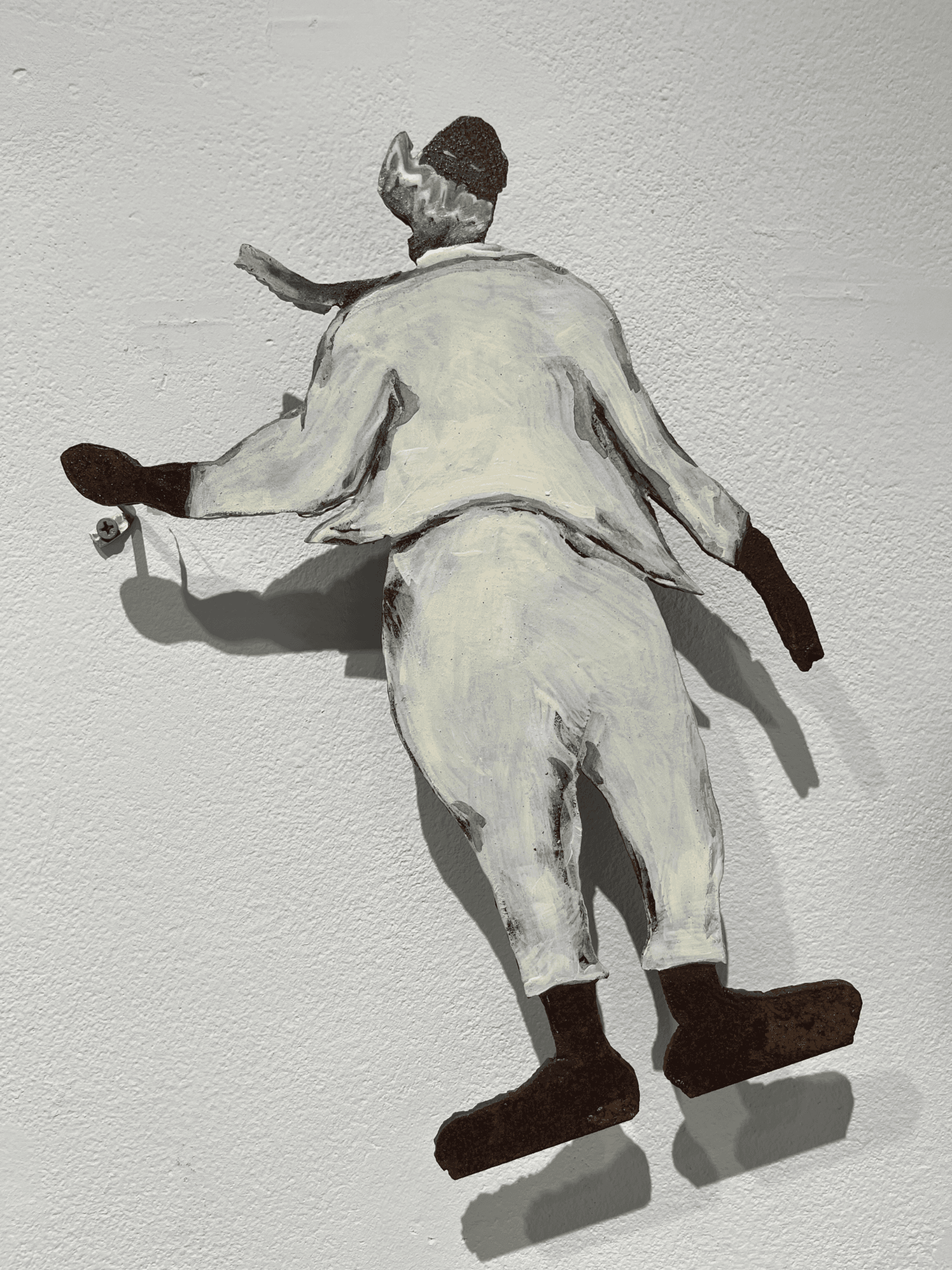
Han Suk: Where Rusted Iron Blooms — Calling Back the Spirits of Donghak
Working from Seohak-dong Art Village in Jeonju, Han Suk corrodes iron plate until it blooms into flowers. A guide to her work through the solo show "Gaenam, Blooming Today as a Flower," on the Donghak Peasant Revolution, and her three pieces on SAF.
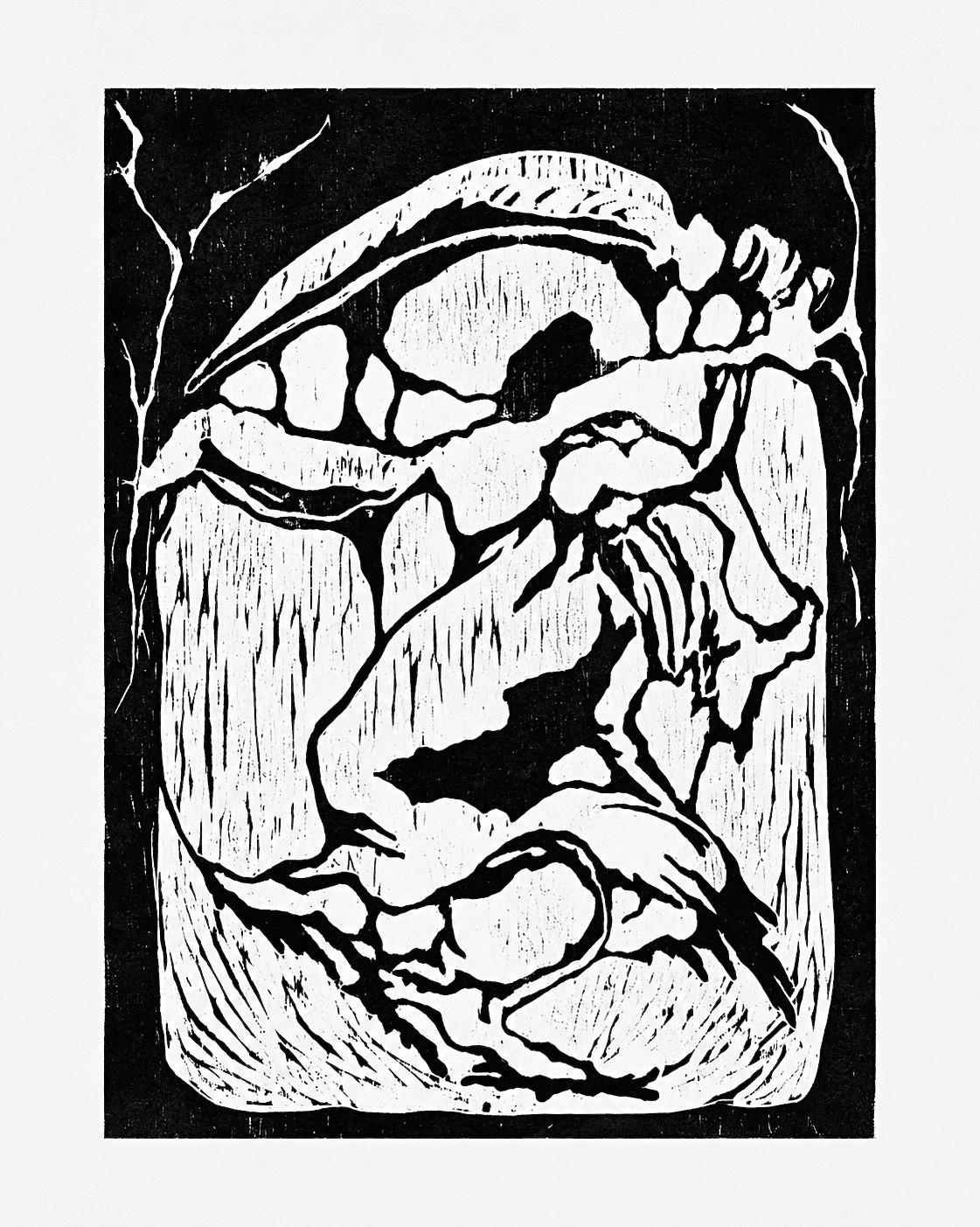
Park Bo-woo: Lightning Under the Skin, a Tribute to Oh Yoon
Born in 1999, Park Bo-woo explores the body and personal pathology through the materiality of lithography. A single woodblock print pays tribute to Oh Yoon''s "Dance."
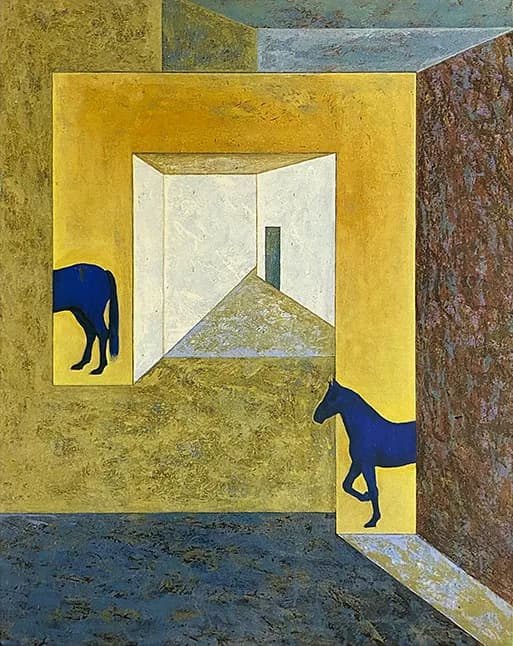
Park Eun-sun: Paintings That Change With the Angle You Stand At
Park Eun-sun works in lenticular print, a medium that shows different scenes depending on where you stand. A guide to her work and five pieces on Seedfest.
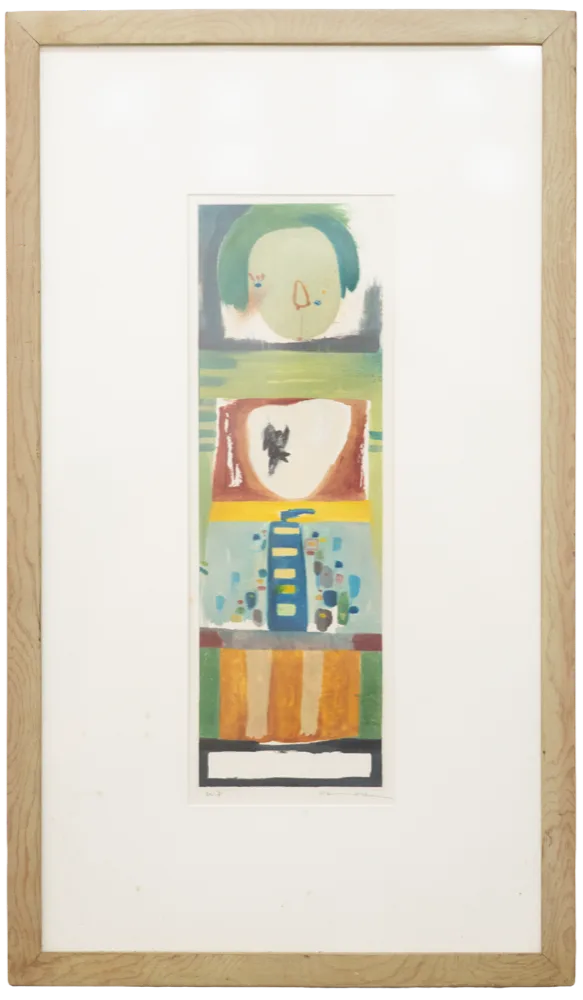
Park Yeong-seon: Layers of Color in Two Lithographs
Park Yeong-seon, who trained in printmaking in China and now lives in Auroville, India by their own account. A close read of two lithographs on Seedfest.
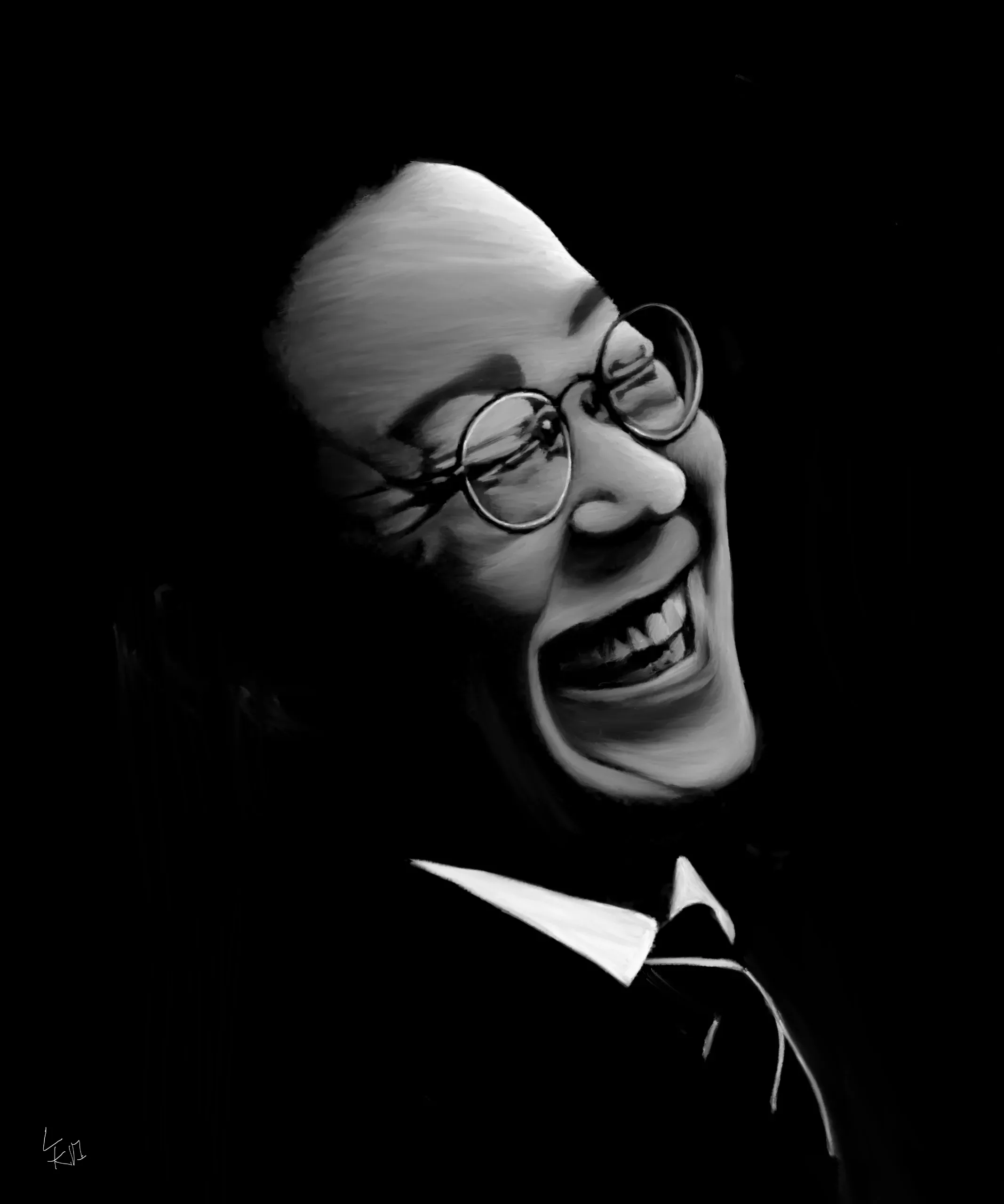
Rim Ji-eon: One Laughing Face, Two Bouquets
A short note on three works by Rim Ji-eon — what repeats across them, and the one painting that breaks the pattern.
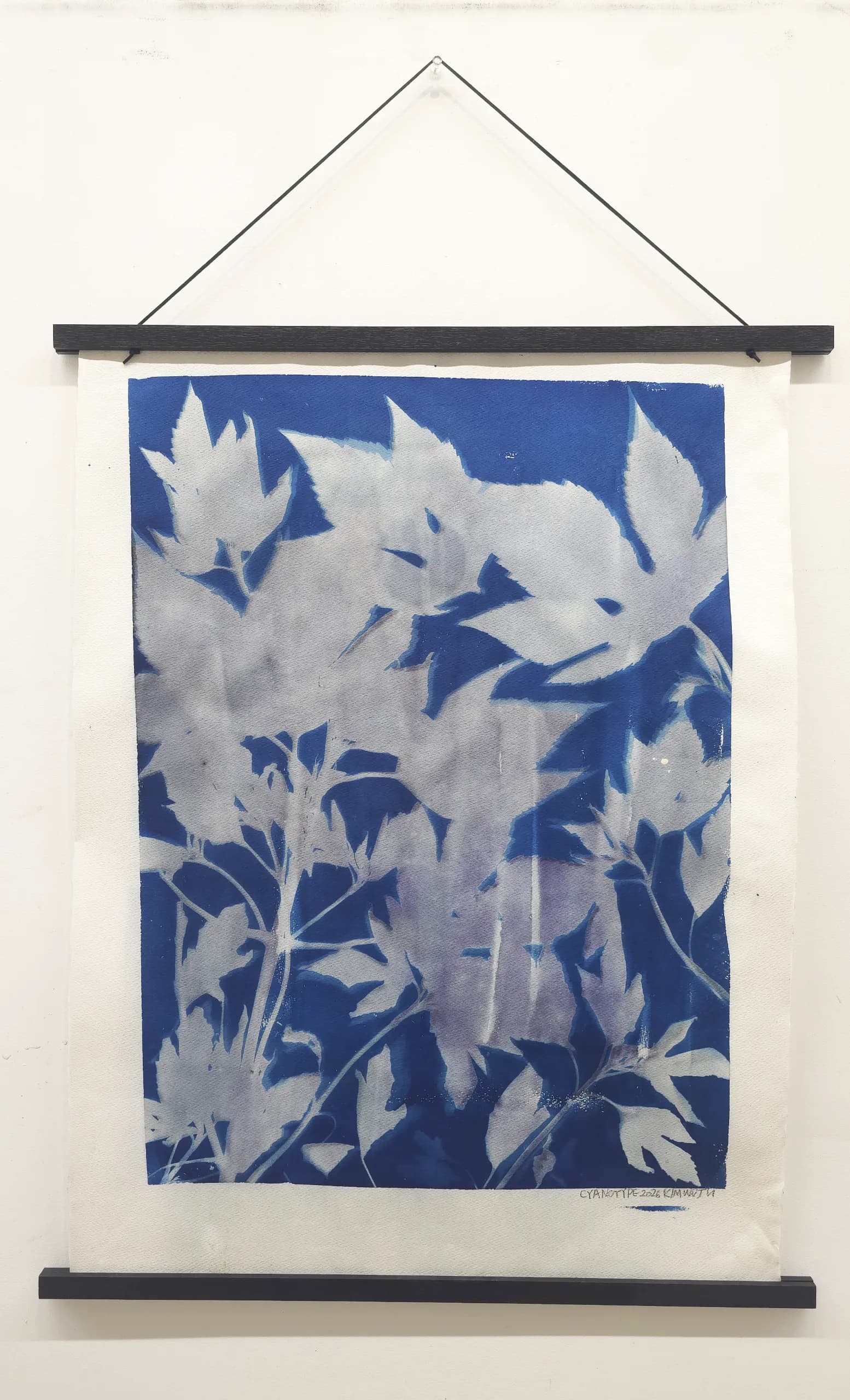
Kim Wuju: Wildflowers Gathered in the City, Between Collage and Cyanotype
Kim Wuju paints wildflowers she gathers in the city, stitching them into collaged canvas fragments or fixing their shadows with cyanotype. A guide to five works on SAF.

Choe Hyesu: Two Playgrounds Buried Under Gold Leaf
Visual artist Choe Hyesu trained in sculpture in Belgium. A close reading of two panels from her Playground series, where cement and imitation gold leaf bury playground equipment down to bare silhouettes.
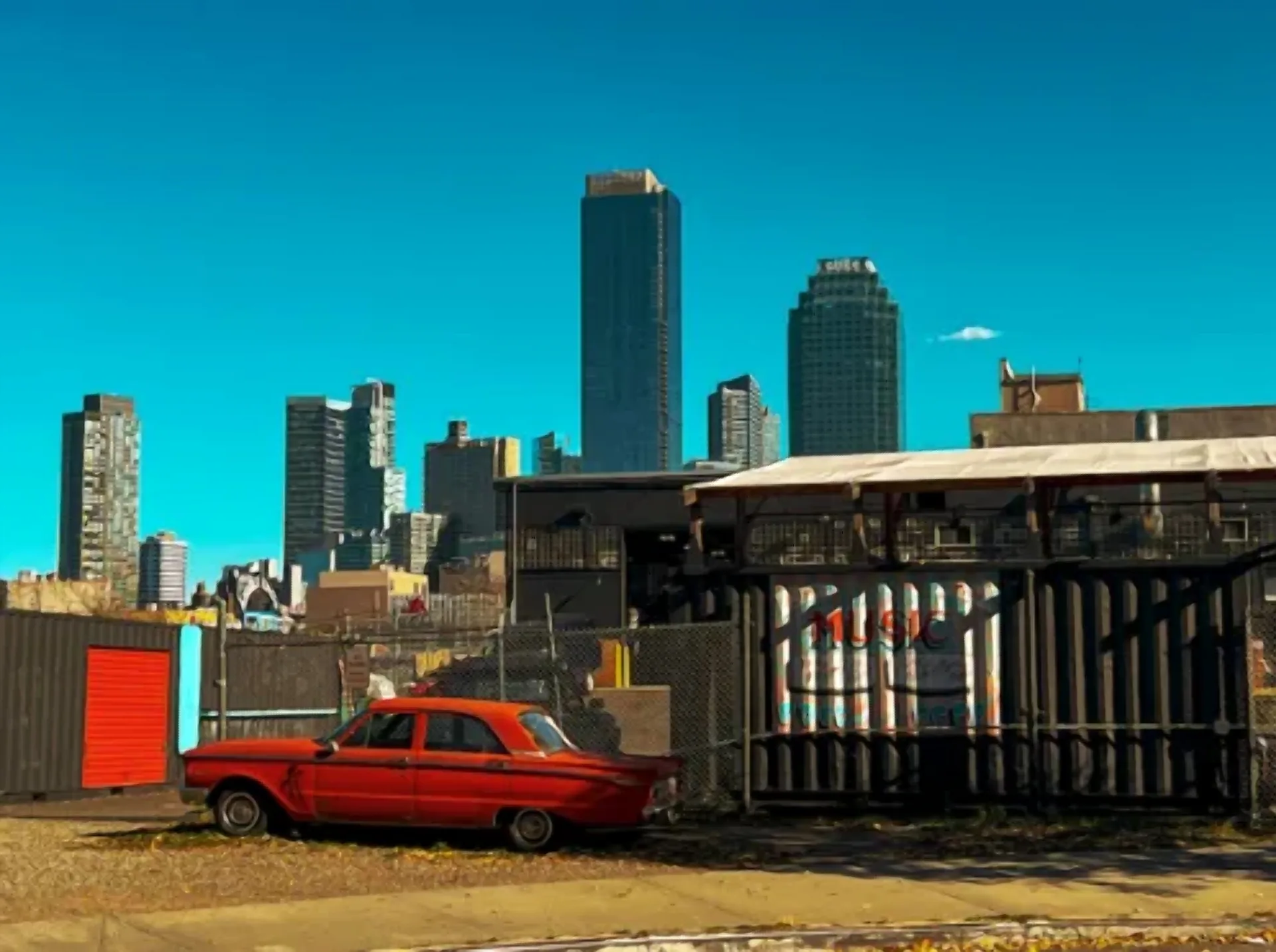
An So-hyeon: When an Actor Picks Up a Camera, the City Becomes a Set
An So-hyeon is an actor and photography-based visual artist who repaints chance encounters with the city in heightened, painterly color. A reading of critic Bae Min-young'\''s review alongside her three works at Seed Art Festival.

Lee Mun-hyeong: From the Magpie-and-Tiger to Matisse's Study
Lee Mun-hyeong paints Korean folk tigers and rebuilds the chaekgeori bookshelf with Matisse cutouts, Dalí clocks and Kusama dots. A guide to seven works where Joseon folk painting meets homage.
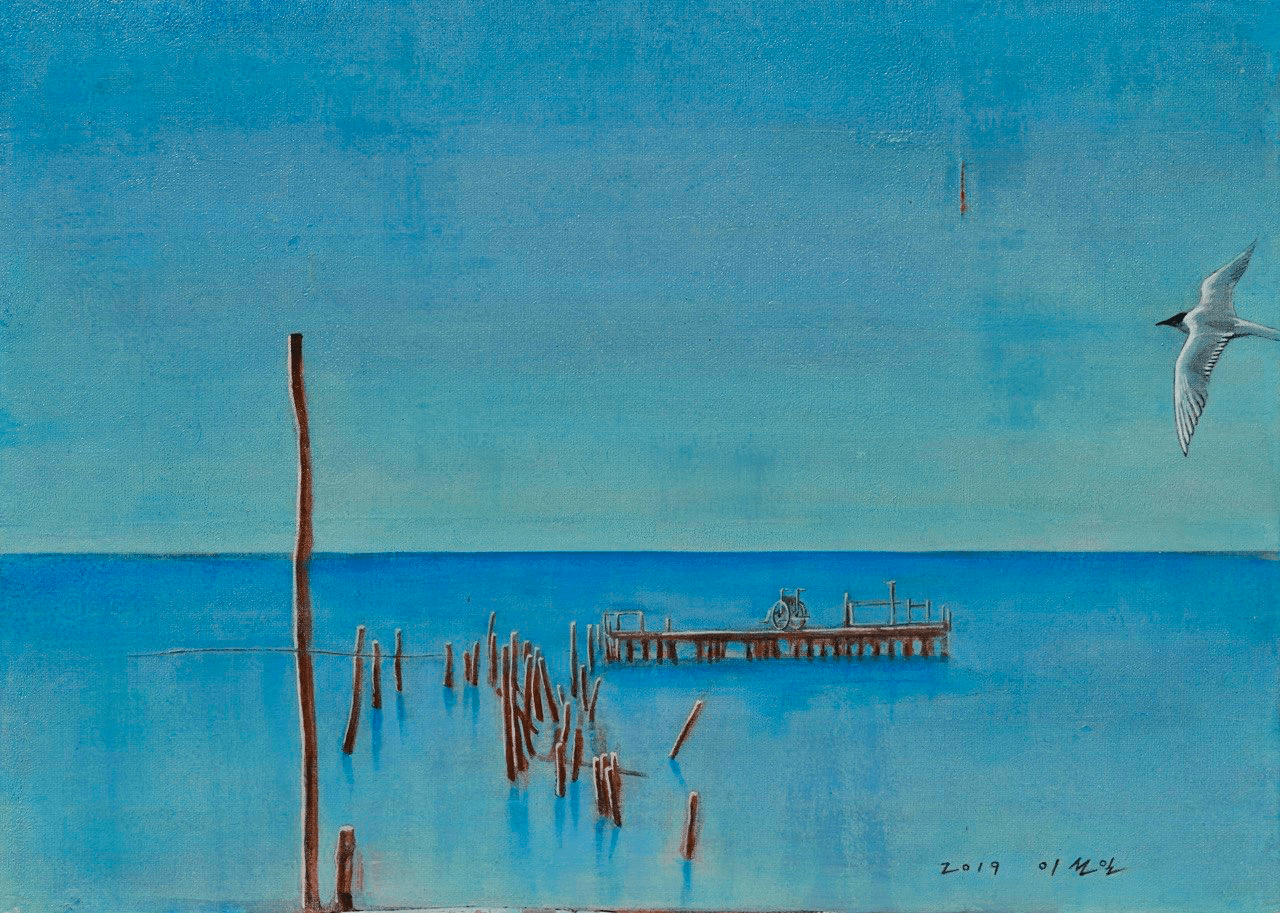
Lee Seon-il: Painting the Village He Lives In
From his studio in Jangsu Village, Lee Seon-il paints the neighbourhood he lives in and the villages that were broken — Gangjeong, Miryang, Yongsan. A guide to the painter and his work at the Seed Art Festival.
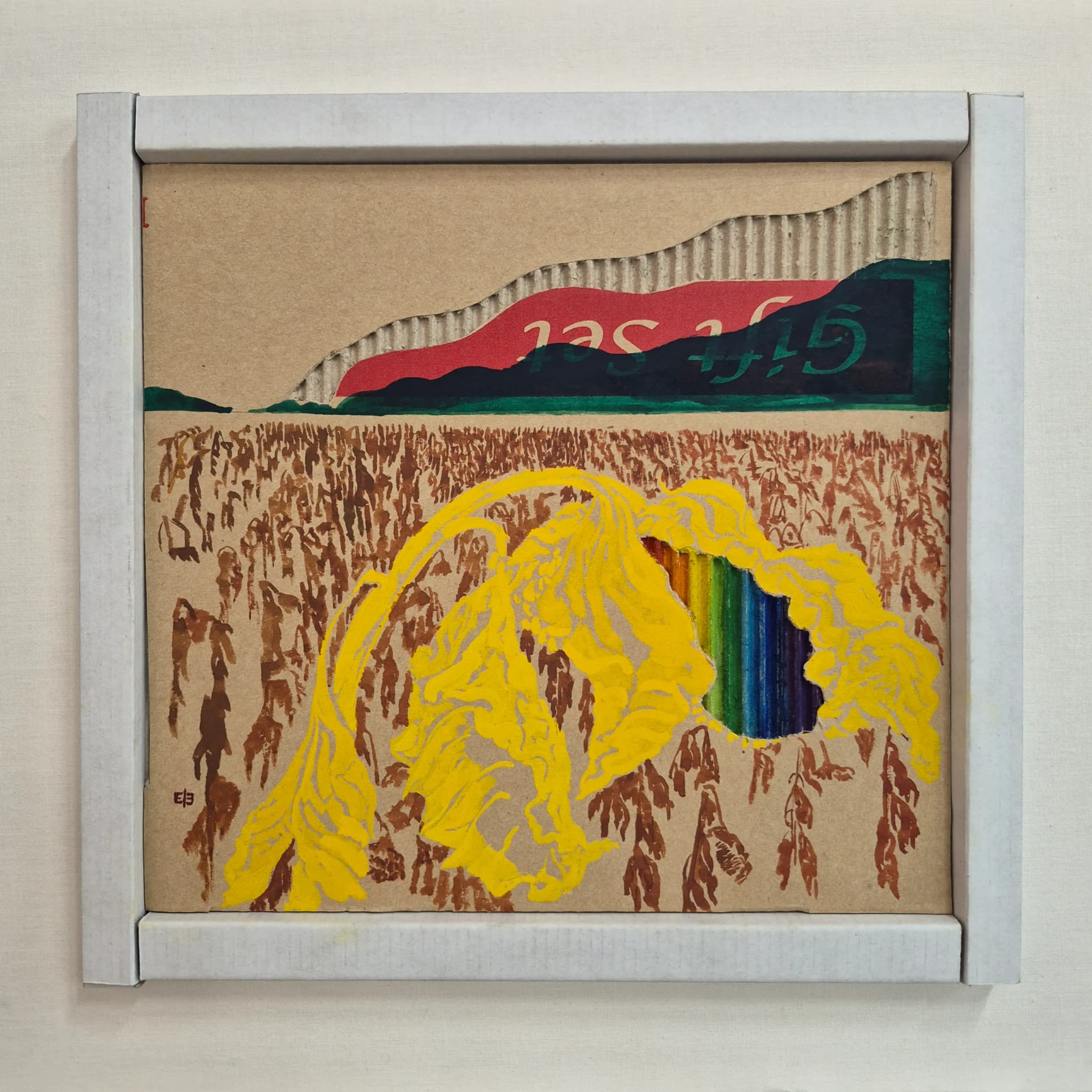
Sin Hui-seop: From Black Plastic Bags to Borderland Landscapes
Sin Hui-seop once painted black plastic bags drifting through the city. Studying North Korean painting led him to a doctorate in unification humanities and walks along the DMZ. A guide to his work and his SAF entry Gift Set.
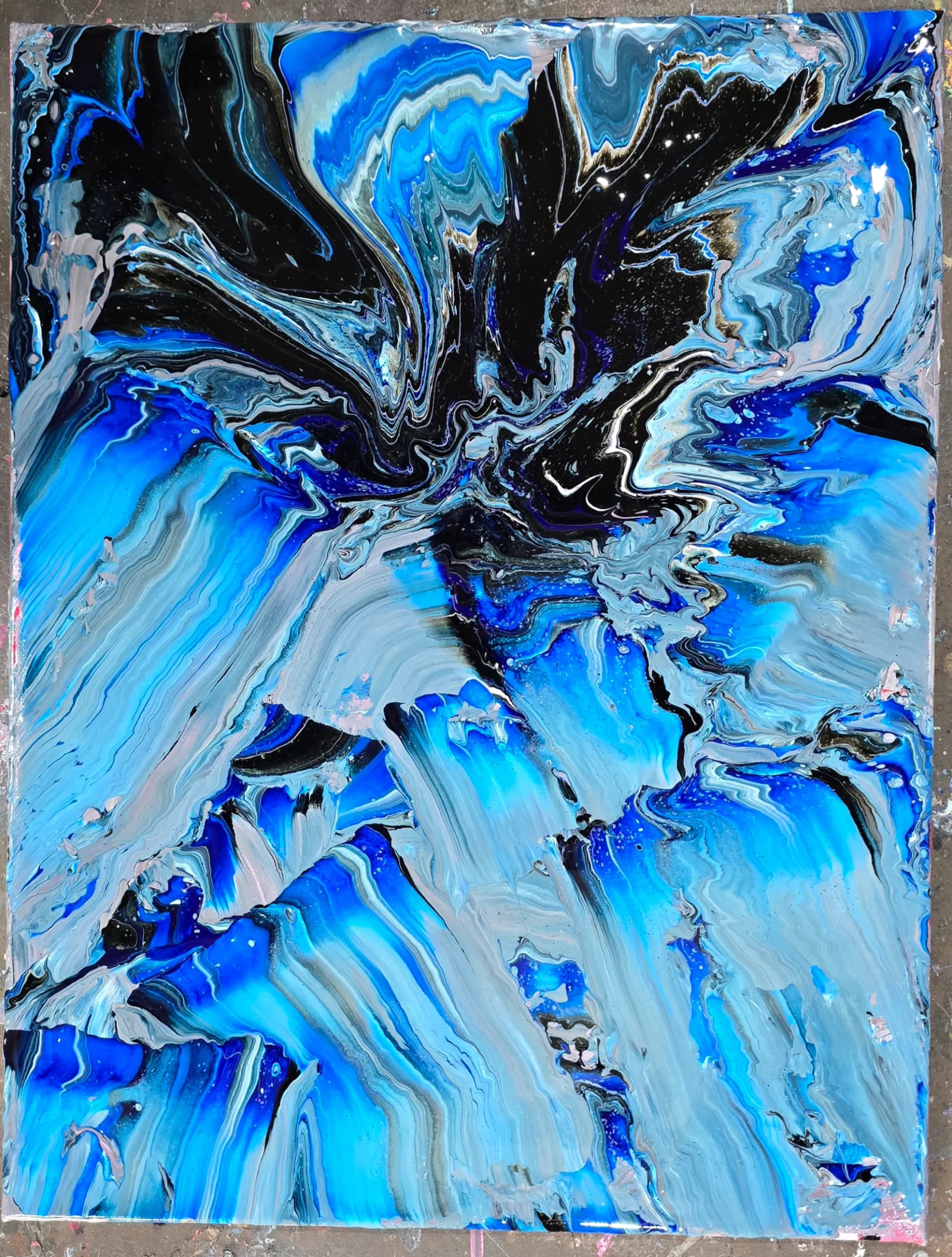
Kim Ki-yong: A Painter Who Traded the Brush for a Welding Torch
Kim Ki-yong majored in traditional Korean painting, then found himself welding stainless steel in a factory workshop. A guide to the sculptor behind "Ink Painting Made of Steel," and his SAF work Wandering Brush.
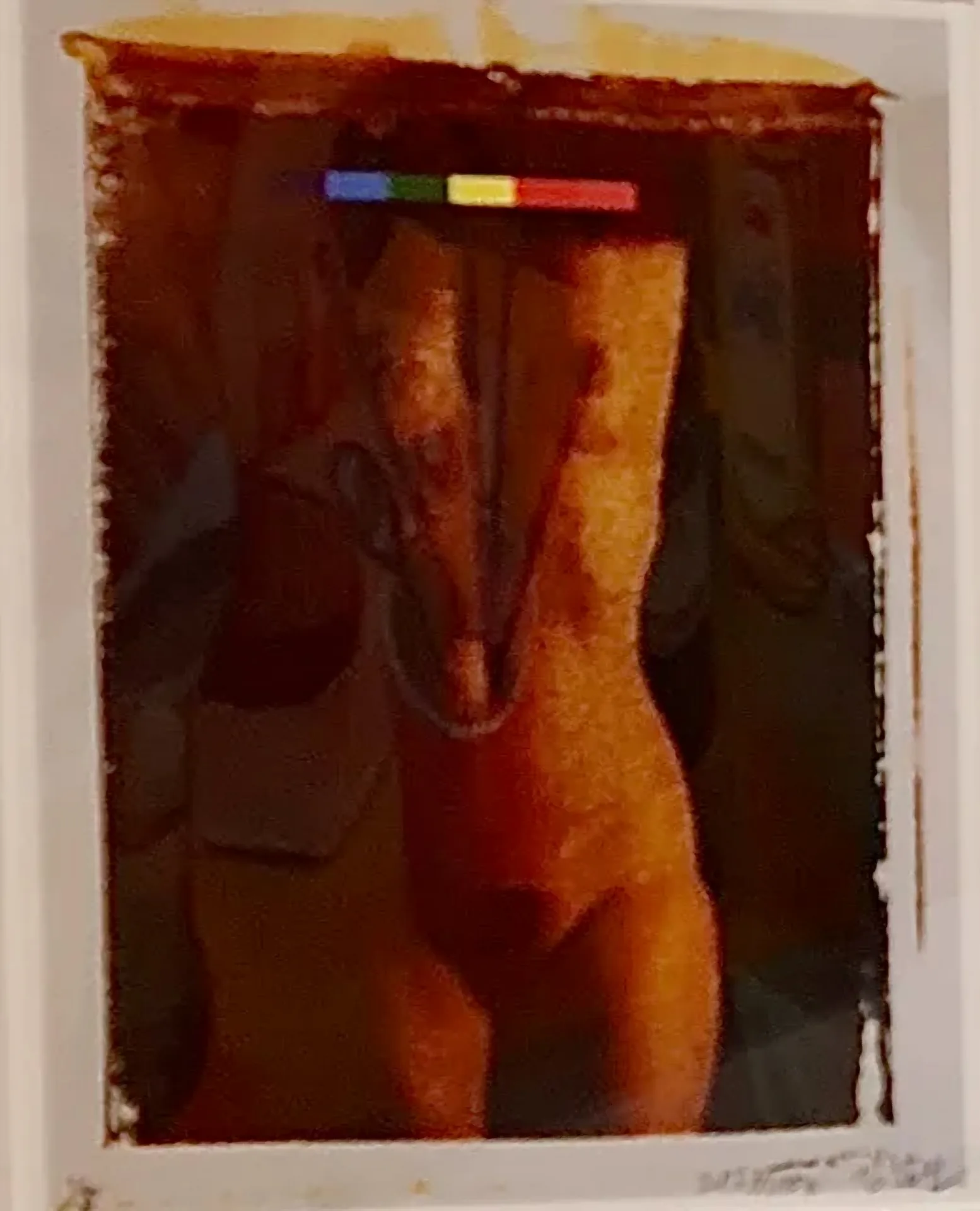
Kim Nam-jin: From the Nights of Itaewon to Polaroid Nudes
Kim Nam-jin photographed the nights of 1980s Itaewon on black-and-white film, then turned to Polaroid image transfer for nude photography. A guide to the photographer who became the director of Gallery Bresson.
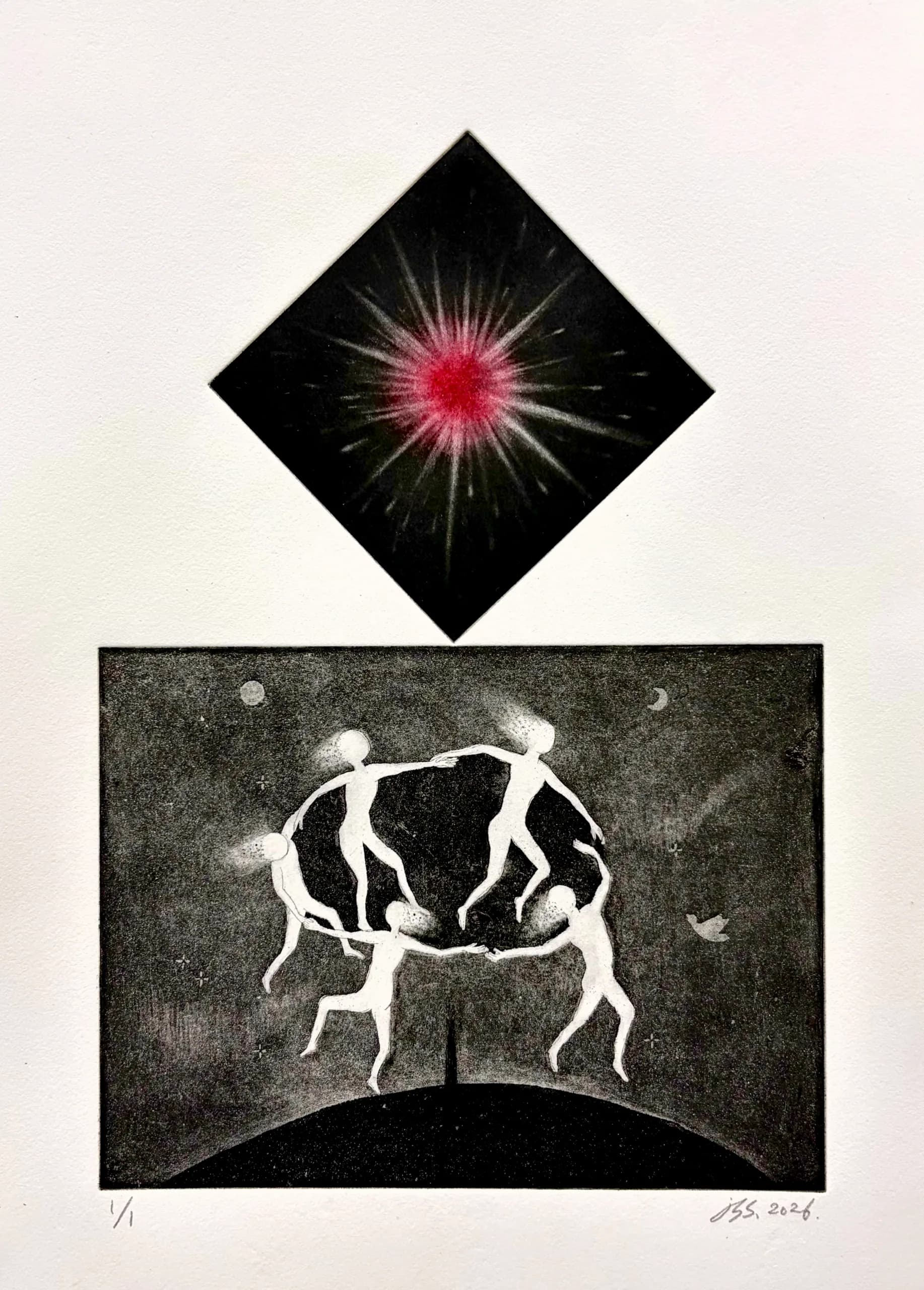
Jang Seong-suk: From Grass on a Hillside Grave to a Circle of Hands
A short note on Jang Seong-suk, who found recovery walking among the graves of Mangusan, and her print in the Oh Yoon 40th anniversary exhibition.
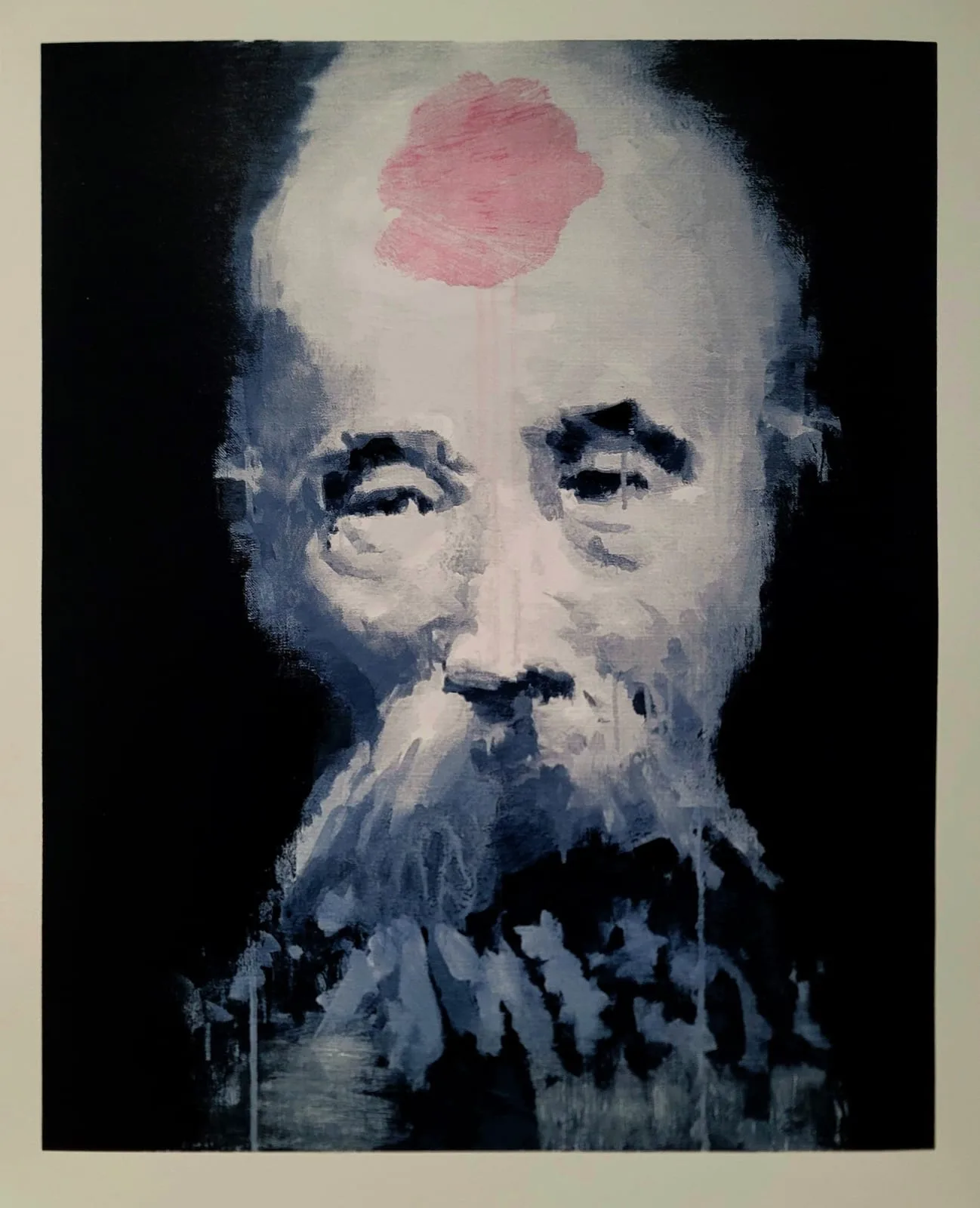
Jang Gyeong-ho: From Figurative Art of the 1980s to Portraits of History
Jang Gyeong-ho stood at the centre of 1980s Korean figurative art, worked as a curator and critic, then returned to painting faces. A guide to the artist and his serigraph of Haewol at the Seed Art Festival.
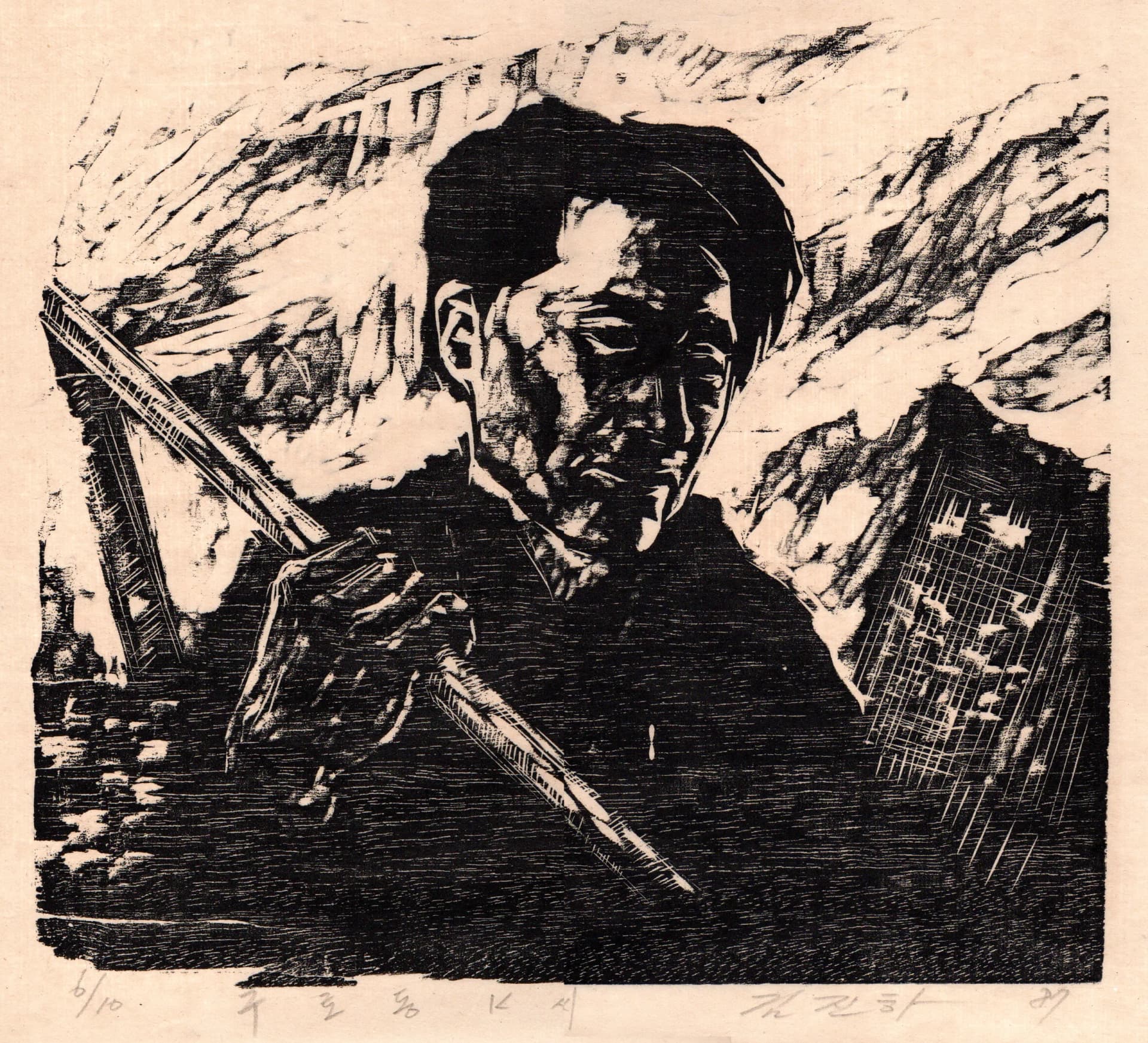
Kim Jin-ha: The Hand That Carves and the Hand That Curates
Kim Jin-ha runs Namu Art, writes criticism, and has curated some 250 exhibitions. A printmaker who also wrote the history of Korean woodblock printmaking — a guide to the artist and his 1987 print.
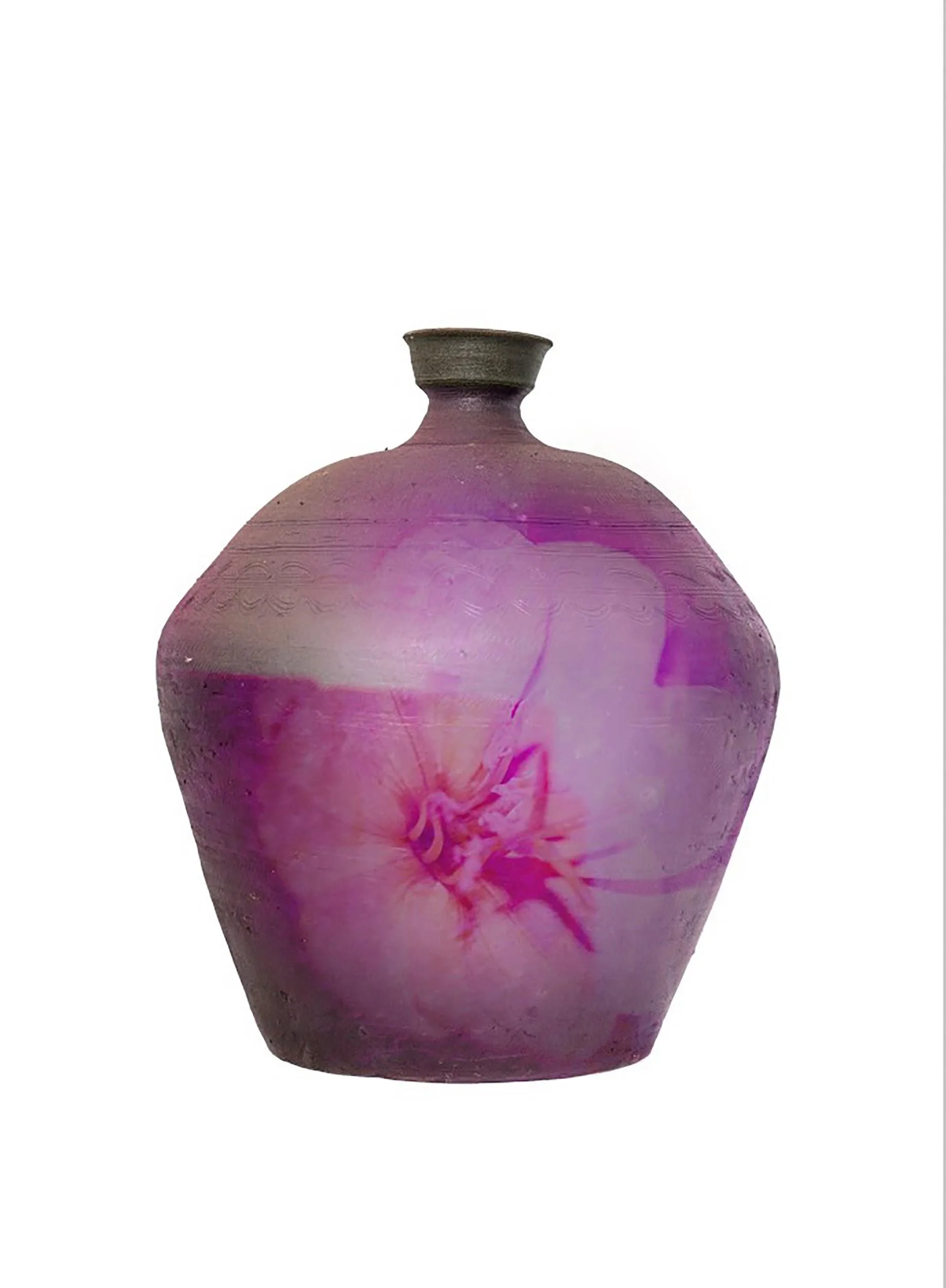
Lee Jae-jeong: A Migrant Photographer in Jeju, Framing Double Portraits
Photographer Lee Jae-jeong went to Jeju on assignment and never left. A guide to his Double Portraits series and the island he chose to document.
Total 195 stories
Frequently asked questions
Q. Who are the SAF artists?
SAF 2026 brings together 110+ Korean contemporary artists across painting, print, photography, sculpture, and digital art — from emerging artists to recognized masters. All voluntarily contributed works to address financial discrimination against fellow artists.
Q. Who conducts the artist interviews?
The SAF magazine editorial team meets each artist directly. We aim to reduce the formal distance of museum catalogs and academic writing, letting the artists describe their practice and daily studio life in their own words.
Q. How can I buy work by a specific artist I read about?
Click the artist name in the interview to reach the artist page. All available works, biography, and other magazine features are gathered there — and any work can be purchased directly. SAF is artist-direct: no gallery markup.
Q. Does the artist actually receive the proceeds?
The majority of sales proceeds go directly to the artist. A portion contributes to the artist mutual-aid fund, providing low-interest loans (5% APR, 95% repayment rate) to artists facing financial discrimination. One purchase supports both an artist and the broader Korean art ecosystem.
Q. How often are new artist interviews published?
New interviews are added at a pace of 1–2 per month. Recent additions appear at the top of the magazine and category pages. RSS and newsletter subscriptions are available.
Ready to start your collection?
213 artists, artworks available online.