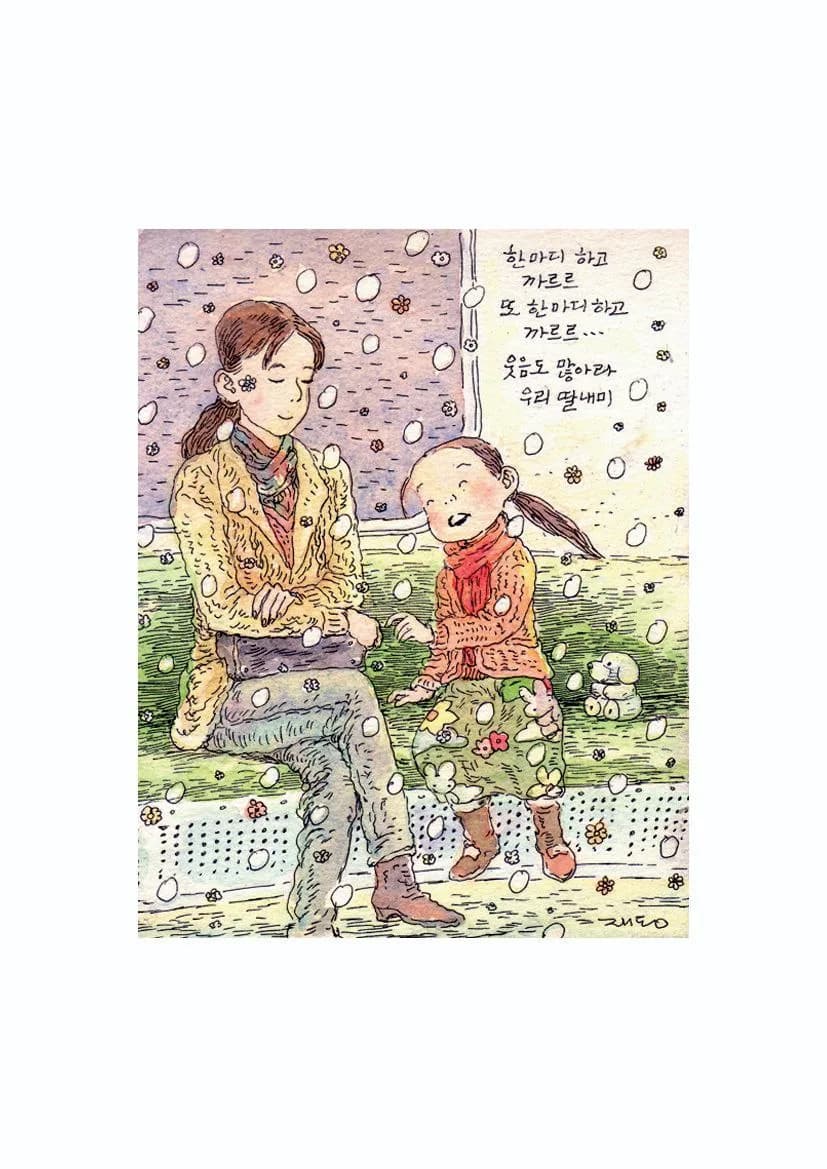
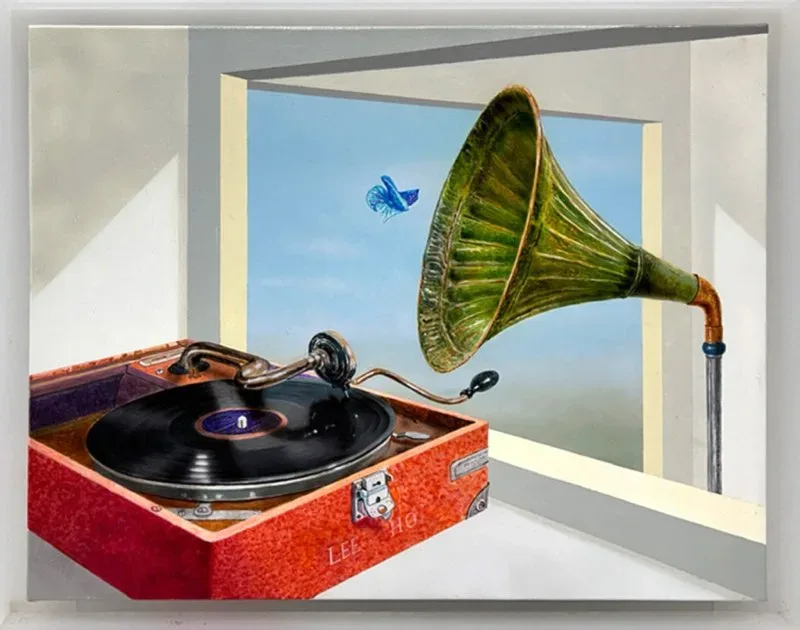
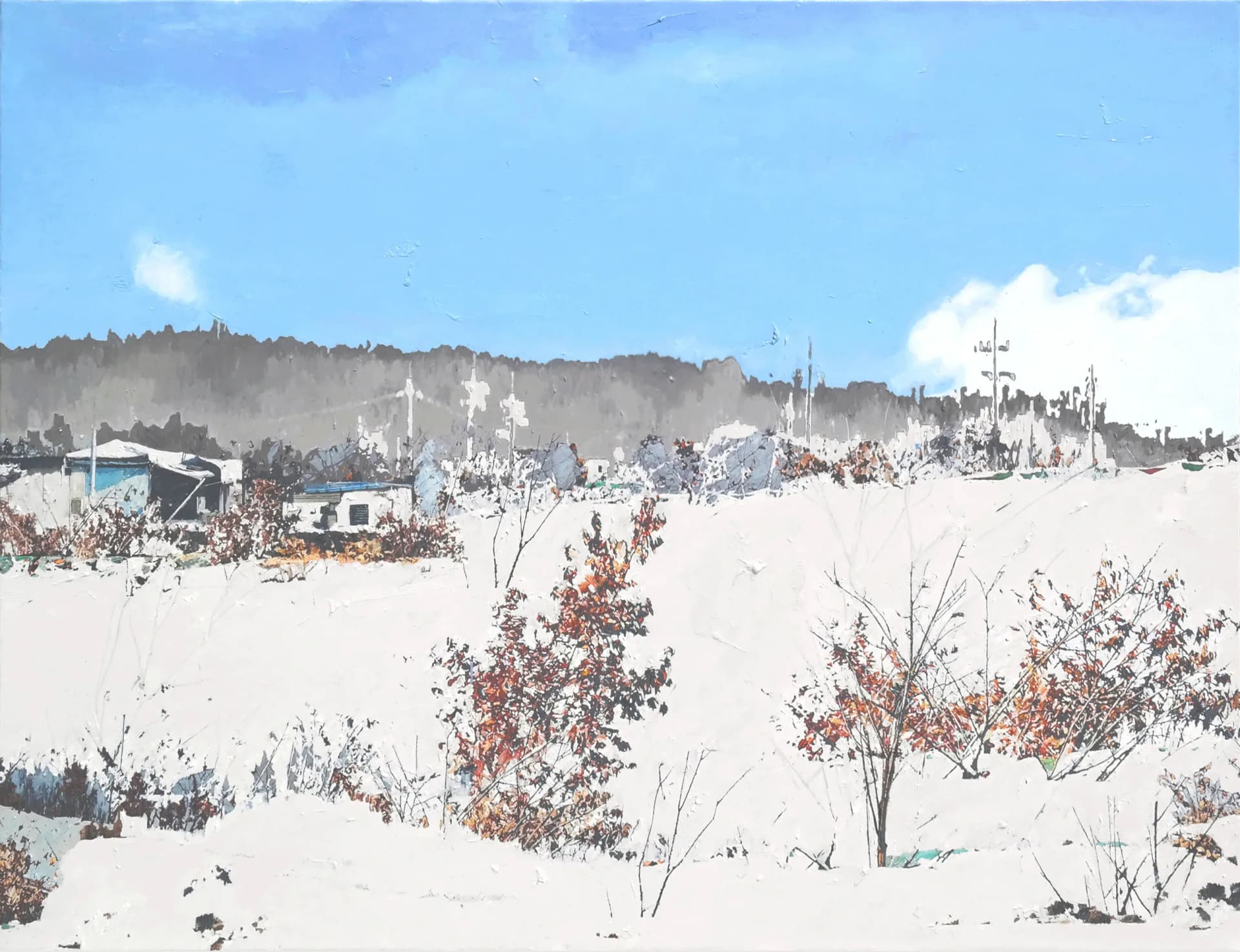
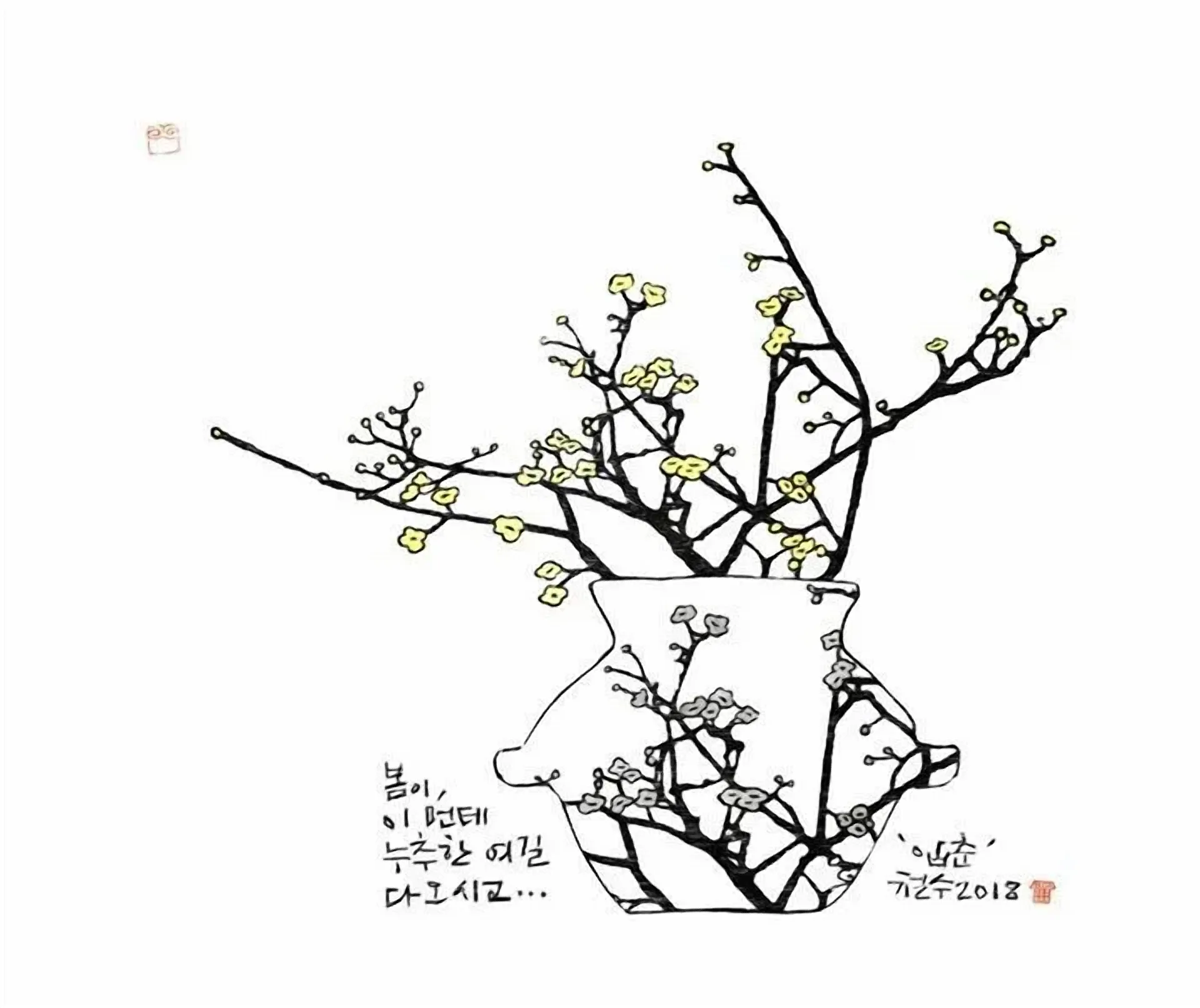
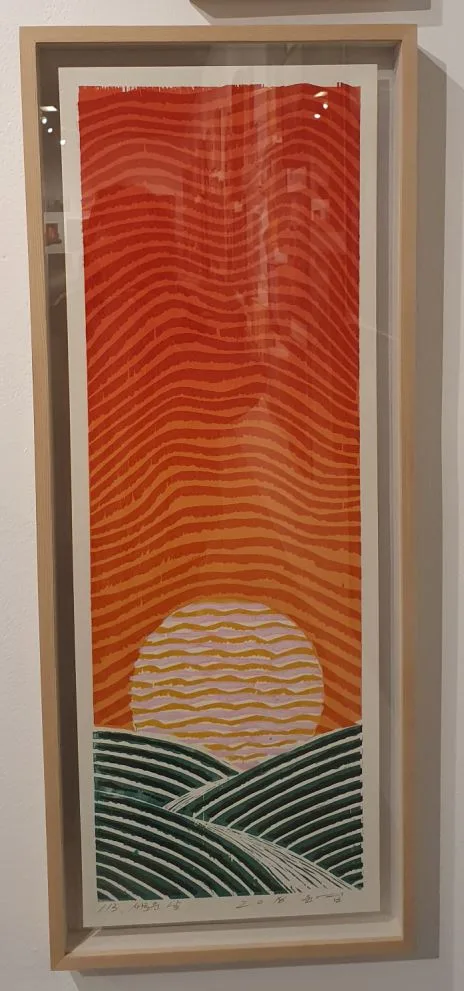
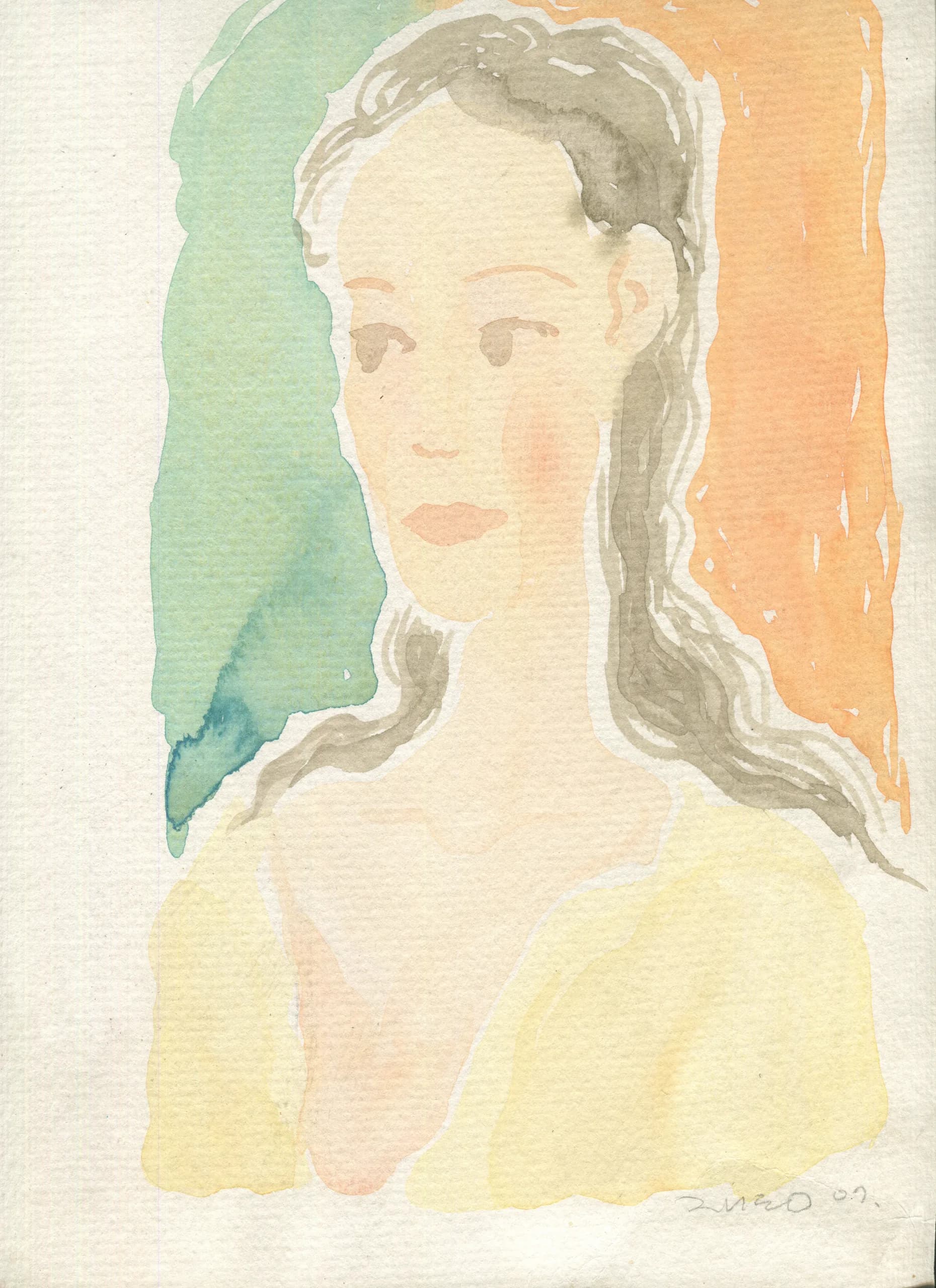
The moment of buying a first artwork is different for everyone. A first paycheck, a mother's birthday, a new home after divorce — four collectors who bought their first works through SAF tell their stories.
The People Who Bought Their First Work — Four Collectors Speak
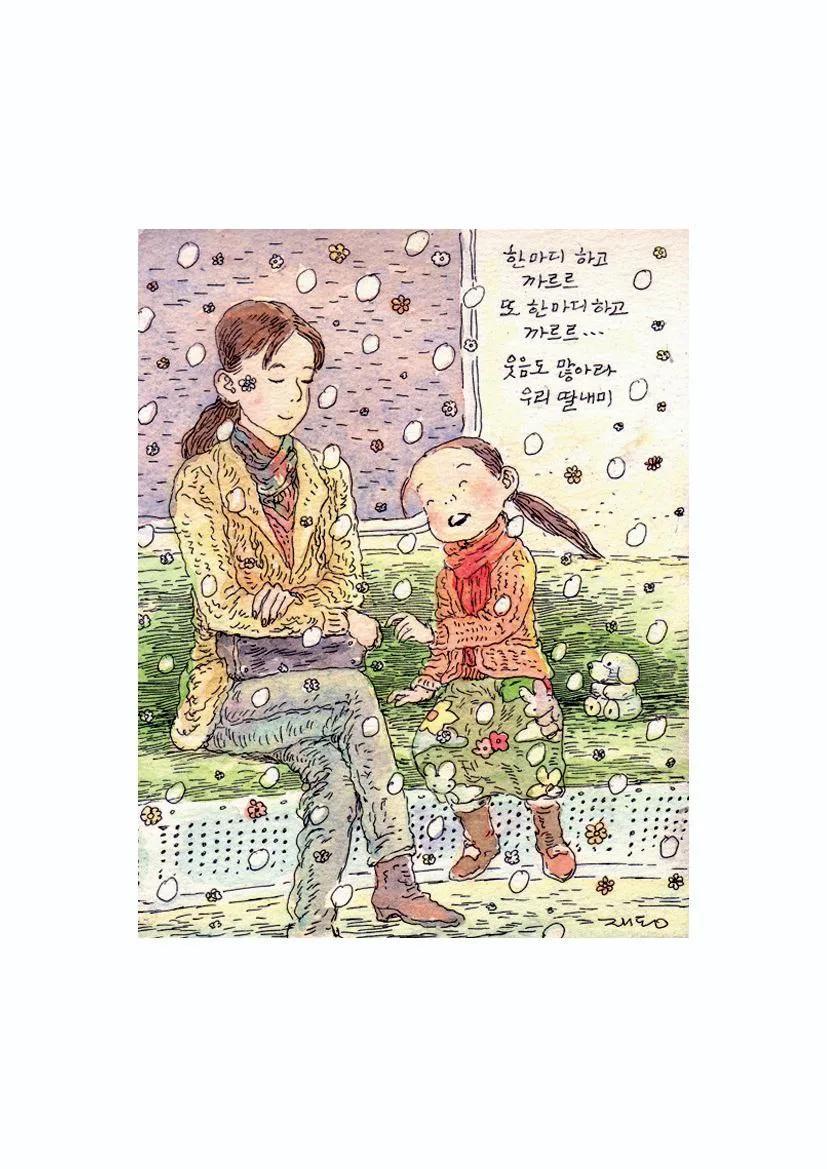
"Buying art" still sounds, to many, like something other people do. Gallery openings, art-fair VIP tickets, paddles at auctions — the picture is consistent. But the moment of bringing home a first work usually unfolds in some quite ordinary corner of life.
We spoke with four people who bought their first work through SAF. Their professions, budgets, and reasons differed, but they had one thing in common: every one of them said it was "easier than expected."
This piece mixes real names and pseudonyms; some details have been adapted to protect the subjects' privacy.
1. Seoyeon (28, designer) — spending her entire first paycheck on art
Work purchased: A4-size drawing, ₩350,000
Why a first paycheck on a work of art?
"Honestly, no real reason — I saw a piece on the SAF Instagram feed. A self-portrait by a woman artist, and her eyes were so deep. I thought, 'What if those eyes were in my room?' I saved it, and that thought stayed with me for about three months."
"Then my first paycheck came in, and my mom said, 'Do whatever you want with it.' I almost bought a smartwatch, but the drawing kept coming back to me — "
The buying process
"At first I was nervous. ₩350,000 isn't nothing. But on the SAF artwork detail page, the artist's bio, working background — even her Instagram link — were all right there. It put me at ease. There was no way I could end up with a 'fake.'"
"Checkout took about fifteen minutes. Shipping was about a week. When I unwrapped a box the artist had packed herself — that was when it really hit me, this is a real original. I could feel the slight indent of the pencil in the paper."
And now?
"It's on my bedroom wall. The first thing I see when I wake up is her gaze. At first it felt overwhelming, but now it's how my day starts."
"When friends ask 'where did you get that?,' I tell them about SAF. The fact that I can casually introduce myself as 'an art collector' makes me laugh at myself a little."
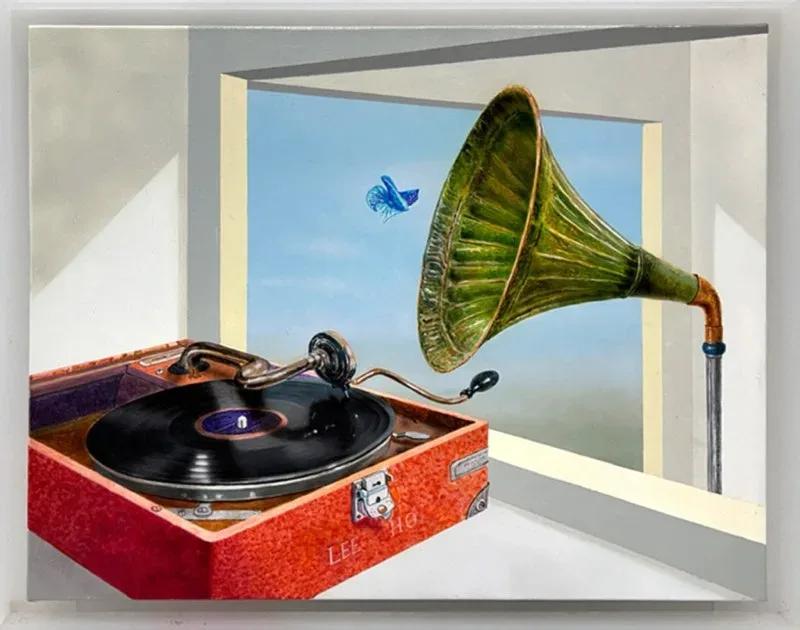
2. Minho (35, startup founder) — three years in, looking for something for the office wall
Work purchased: 30-ho oil painting, ₩2.8 million (SAF mid-tier range)
Why he needed a work
"We'd just moved offices and the walls were blank white. The interior contractor asked, 'Want me to put up some prints?' I hated the idea. We're a startup, sure, we have to save money — but I didn't want a reproduced image hanging in the space that's supposed to show 'who we are.'"
"There are five founders, and all five backed the SAF campaign. So the buying decision was easy."
What he chose
"It's an abstract piece, full of rough brushwork on canvas. There's energy in it. It mirrors the state we live in — our company is a mess, but it keeps moving."
"The description said the artist had spent three months on this single work. That changed how I felt about the money. ₩2.8 million started to feel like 'three months of the artist's rent.'"
As a manager
"I checked whether art counts as a deductible business expense. Anything under ₩10 million is immediately deductible — there's not much friction for the company."
"And the fact that this is a SAF work fits our company's identity. We don't use big words like 'ESG,' but we care a lot about which ecosystem the money we earn flows back into. Having this work on our wall almost explains us on its own."
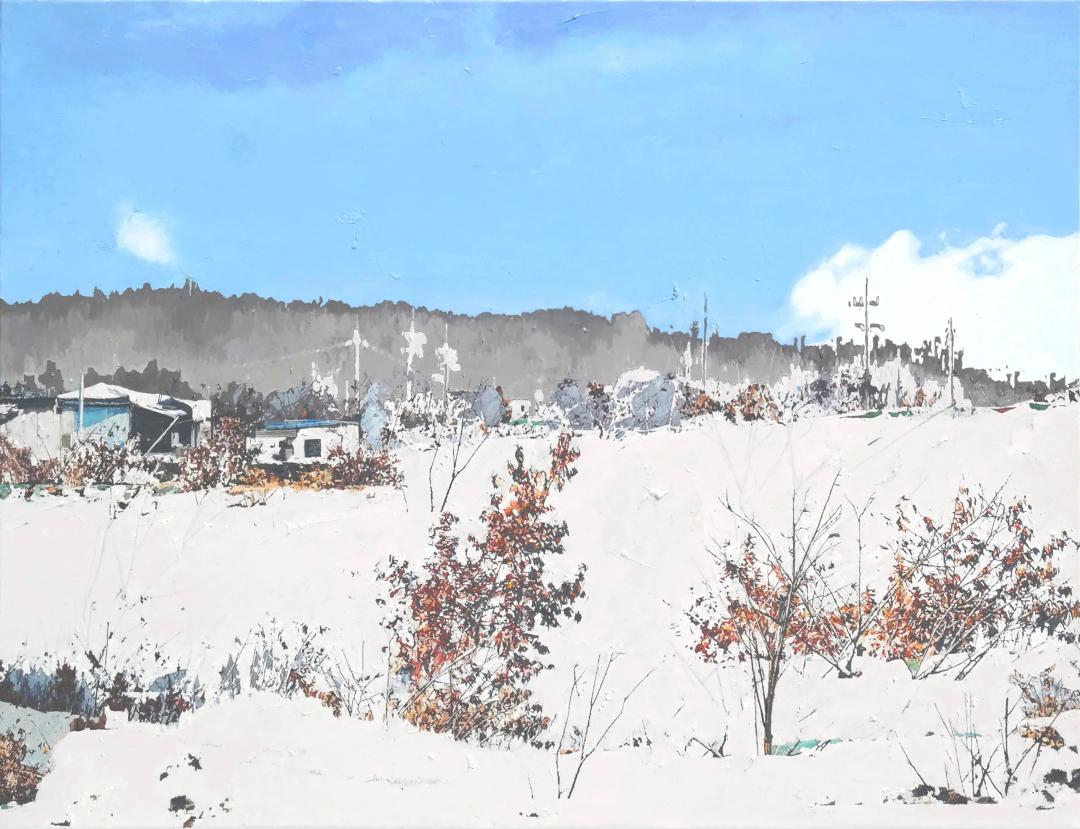
Kim Gyu-hak — Mid-career painter reinterpreting light and atmosphere in a distinctly Korean idiom. One of the first interviewees' chosen artists.
3. Jeongsuk (54, former teacher) — the first piece of furniture for her new home after divorce
Work purchased: 50-ho landscape, ₩4.5 million
A turning point
"After thirty years of marriage ended, I found a place to live alone for the first time. Buying furniture, everything — TV, dining table — was 'because I needed it.' But standing in front of the living-room wall, I realized I wanted at least one thing there to come from 'because I want it,' not 'because I need it.'"
"My niece, who works as a curator, recommended SAF. She said, 'There'll be plenty of landscapes you'd love, Aunt.'"
Time spent choosing
"It took me three weeks to look through a hundred works. I'd look at ten each night before bed. At some point it stopped feeling like 'shopping' and started feeling like 'selecting.' Completely different from picking out clothes."
"In the end I chose a painting of a mountain in early spring — a ridge where the snow has just started to melt. The artist had been climbing mountains near the Bukhan River for five years to paint them. My new home is near the river, so it felt like an exact match."
What changed
"I hung the work in my living room and cried in front of it many times. It felt like declaring, in front of this painting, that I was starting my life over."
"When friends visit, they always stop in front of it. Then they ask, 'Where did you buy this?' When I tell them about SAF, they all want one too. Two friends have already bought their own."
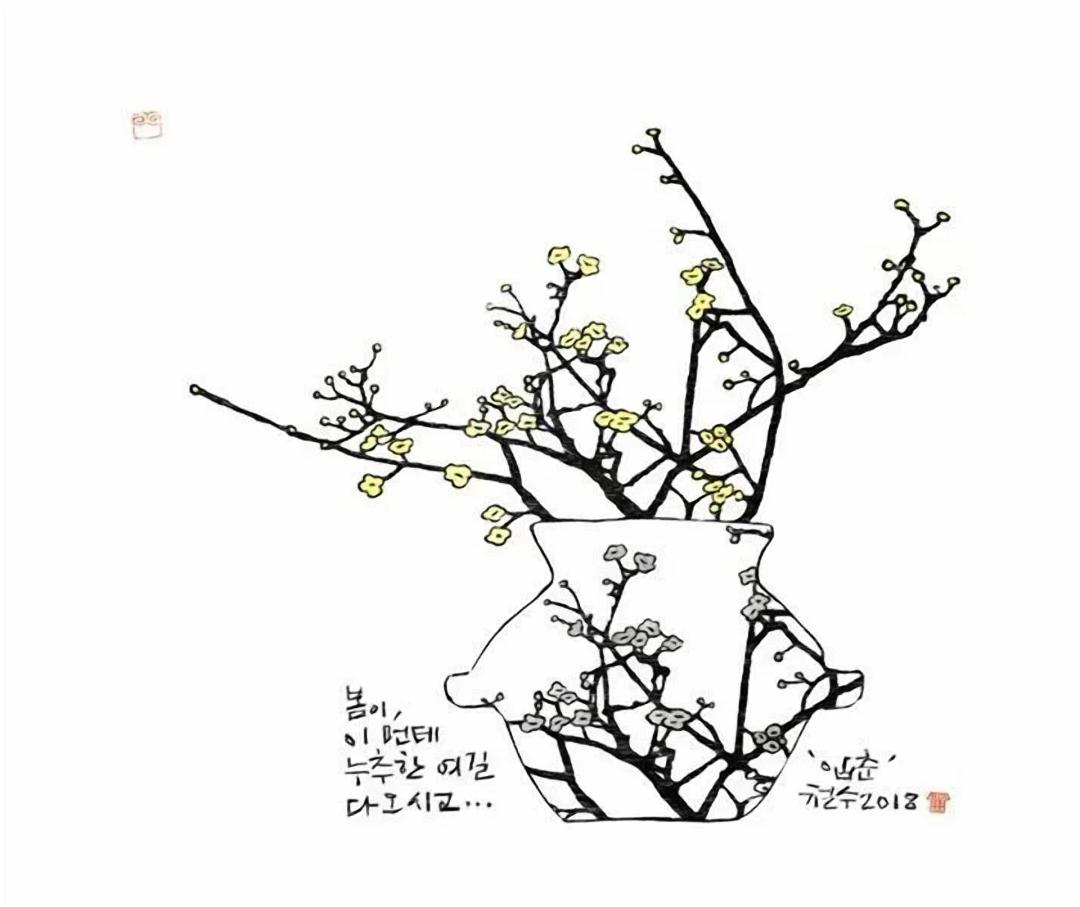
Lee Cheol-soo — Hanji woodblock master. The limited-edition print format makes original art accessible to first-time buyers on a budget.
4. Gisu (42, art teacher) — wanting to show his students
Work purchased: limited-edition print, edition of 30, ₩850,000
Professional motivation
"I teach art at a middle school. The textbooks are full of Mona Lisa, Starry Night, Guernica. The kids ask things like, 'Are those things really real?' To them the images don't quite belong to reality."
"I can't bring an original painting into the classroom, but if I hang one limited-edition print in the school art room, the conversation changes. They can't touch it, but the moment they understand 'this is one of thirty prints the artist pulled himself,' their eyes change."
Why SAF
"There was no school budget — I had to pay myself. ₩2 million was too much; I looked in the ₩500,000–1,000,000 range. SAF has a strong selection of limited-edition prints at reasonable prices. Many of the artists are people my students might one day study with in college."
"And the deciding factor — when this work sells, the proceeds circulate back to other artists. While I teach my students 'why art matters,' actually placing one brick in that ecosystem felt like a kind of professional conscience."
The students' response
"The day I hung it, one student asked, 'Did you buy this, sir? For us to see?' That question caught me off guard."
"This generation hasn't grown up with the experience of 'buying' art. If these kids can think 'when I'm grown up I'll buy a work too,' that's the highest art education there is."
What the four had in common
Different ages, professions, reasons — yet all four said the same thing.
"The buying process was easier than I'd expected."
The barrier to buying art is more often psychological distance than money. "Should someone like me be doing this?" "What if I'm making a foolish choice?" — that anxiety stops feet at the door.
All four said what helped them past that anxiety was the system's transparency.
- Artist information was open, so it was clear who made the work
- Prices were presented for comparison, so the question of why this price could be answered
- The structure showed what meaning the purchase circulates back into
And one more thing in common
Every one of them said "a part of life changed after the first work came in."
- Seoyeon's morning routine changed
- Minho's company face changed
- Jeongsuk's idea of moving changed
- Gisu's classroom changed
A work hangs on a wall, but in fact it shifts the rhythm of the people who live in that space. That is the largest difference between an interior accessory and a work of art.
When will your first work arrive?
First paycheck, divorce, founding a company, professional declaration — different starting points. But all of them met at the same place: in the small question, "What should hang on this wall?"
SAF is one way to answer that question. The 127 artists who voluntarily contributed works see them go out to homes, offices, classrooms, the walls of new lives. And those purchases keep other artists creating.
Frequently Asked Questions
Q. Are these the interviewees' real names? A. Seoyeon, Minho, Jeongsuk, and Gisu are all pseudonyms, with some details adapted for privacy. The quoted statements are edited from actual collector interview transcripts.
Q. Can I be interviewed as a first-time collector too? A. Yes. Please contact SAF customer service (contact@kosmart.org). Interviews can be done by writing, phone, or in person — whichever you prefer. Anonymity is fully available on request.
Q. Has anyone 'failed' with their first purchase? A. Yes. "Too small for the wall." "I didn't budget for the frame." "In person it gave a different impression than the photo." Even so, these aren't recorded as regrets but as lessons — they become the criteria for choosing the second work.
There are plenty of guides, but the voices of people who actually bought a work are more persuasive. Browse the SAF gallery imagining the four sensibilities these collectors chose. Your first work might already be in there somewhere.
Related reading
If this piece helped, you may also enjoy these related articles:
- Lee Yun-yop — A "Dispatched Artist," Carving the Texture of Labor in Multi-Color Woodblock — Lee Yun-yop, master of Korean multi-color woodblock. "Dispatched artist" activist, industrial rubber matting medium, farmer/worker motifs, MMCA collection — with 5 curated picks.
- Lee Cheol-soo — From Minjung Woodblock to the Woodblock of Zen, One Texture of Korean Printmaking — Lee Cheol-soo (b. 1954), master of Korean woodblock. 30-year evolution from 1980s minjung woodblock to Zen, spirituality, and peace. Farming and woodblock practice in Jecheon — with 5 curated picks.
- Park Jae-dong — The Father of Korean Editorial Cartooning, and the World Beyond the Daily Comic — Park Jae-dong (b. 1952), the father of Korean editorial cartooning. Eight years at the Hankyoreh, Reality and Utterance collective, and a practice integrating painting, animation, and teaching — with 5 curated picks.
Read next
- Top 20 Works Under 1 Million Won — Browse by price range
- First-Time Buyer Price Guide — Choosing by budget
- Gallery vs. Direct: Where to Buy? — Comparing purchase channels
Seed Art Festival
Published May 22, 2026