Available alternatives
View similar works you can buy now
Art protects art
8 out of 10
artists are shut out by banks
354
loans extended to fellow artists
95%
repayment rate — trust comes full circle
~KRW 140M
interest saved vs. predatory rates
Until the next exhibition, the next performance. For artists, income gaps are an unavoidable reality. For fellow artists forced into predatory loans just to afford paint, canvas, and studio rent, proceeds from this artwork become the Seed Fund — extending a fair hand at fair rates.
Voices of fellow artists
“The memory of going hungry for three days, alone, so my children wouldn't know.”
— 50s, theater artist
“I've been putting off urgent dental treatment because I can't afford it. I should be seeing a doctor regularly, but enduring instead of going has become a habit.”
— 50s, actor
“I kept delaying ear treatment because I had no money, and the symptoms in both ears worsened.”
— 30s, musician
“I couldn't pay my hospitalized mother's bills, so we had to delay her discharge, and she had to give up tests and treatment she needed.”
— 50s, actor/broadcaster
“Because of money troubles I had nowhere to go — drifting between gosiwon rooms and rehearsal studios, and for a while sleeping rough.”
— 30s, musician
“Because of unpaid rent, my collective was forced to vacate our shared workspace and home. Neither bank loans nor artist loans could help.”
— 50s, actor
“Without money, life collapses — and creating art? Out of the question.”
— 50s, artist
“It's painful that solving this month's money problems has to come before the work itself. As an artist, I can only earn well when the work succeeds — yet I have to chase odd jobs every month instead. It feels like being trapped in a vicious cycle.”
— 40s, musician
“Debt collection calls disrupted my rehearsals and performances, and the psychological burden made every day painful and the next day frightening.”
— 40s, theater artist
“Many times the loan payments looming each month forced me to step away from performing and focus on part-time work.”
— 50s, actor
“Sleeping less than four hours a night, juggling part-time jobs and theater — but the more I performed, the more debt piled up. Eventually I decided to quit performing.”
— 30s, actor
“When things were hardest, I couldn't even attend close friends' weddings or funerals — and as a result, relationships were severed.”
— 50s, actor/broadcaster
“When I said I was a stage actor, the loan officer called me "unemployed."”
— 50s, actor
“The shame and severed friendships that came with borrowing from people I knew, the pressure of failing to pay it back, the helplessness.”
— 50s, cartoonist/visual artist
“Even with programs meant for low-income citizens, I feel shame when I can't produce enough documentation simply because I'm an artist.”
— 30s, film/broadcasting professional
One artwork becomes the oxygen that keeps a fellow artist creating.
Sales proceeds go to the artist mutual-aid fund.
Not Understanding My Heart
Oa
About the Artist
Oa is a painter who translates the textures of emotion that linger at the boundary between light and darkness. In 2022, she held her first solo exhibition 〈From the Moon to the Moon〉 at Art Space Young in Seoul, and 〈Dark Room〉 at Art Logic Space the same year. She has participated in many curated exhibitions and art fairs, including FOCUS ART FAIR at the Carrousel du Louvre in Paris (2022), ASYAAF at the Hongik University Museum of Modern Art (2022), 〈Dream of Hanyang〉 at Gallery 1707, and 〈In My Loneliest Hours〉 at Insa Gallery. She received the Excellence Award at the 2023 H-EAA National Young Artist Competition (Hoban Cultural Foundation), where her work is held in the foundation's collection.
Artist Statement
"The Warmth of Loss"
My emotion is sadness.
It is closer to an unaccountable sadness laid low along the floor of everyday life, not bound to any particular event. Growing up in a childhood environment where blame and judgment came before encouragement, I came of age conscious of others' eyes, without forming sufficient trust in myself. That shrunken heart settled inside me, like a habit, for a long time.
I think of people like myself — those who, by temperament, are bright, but who, having passed through repressive surroundings, have lived without fully exercising their natures. In the end, what I chose was "a training in empathy" toward others. My sadness is not weakness but the trace of long endurance; my painting, on this emotional ground, has come to understand and represent figures not as objects but as objects of empathy.
This sadness, rather than staying as simple depression, touches the sense of loss for time and relationships already passed. From the very beginning I wanted to hold this loss on the picture plane. But the loss I intended is not a coldly severed state; it is a state where, even after the disappearance, the temperature of feeling remains. So my painting, while dealing with loss, tries to leave warmth there with it. This is closer to an attitude that does not give up on relationship even after what has gone has gone. This attitude touches my way of looking at the subject — the question of "the gaze." In observing a person, I attend to the layers of time and feeling that have accumulated within them. The eye is not merely an organ that perceives fact; it is a medium that senses the time the subject has come through and the air between, and my painting becomes a device that condenses that sensing into a single picture.
In the working process I assume countless similar scenes and select the most effective gaze. It is a thoroughly subjective choice, but it is also an attitude of recognizing that this remains only one viewpoint. I hope that viewers gaze and read the figure in their own ways, and that within that gaze new meanings and relationships are generated. My painting aims not to converge on a single reading but to lead the viewer's gaze into a state of dispersal and expansion.
This awareness of the gaze leads to an exploration of color. For me, color is more than a formal language; it is the accumulated result of everyday experience, feeling, and habits of thought. I did not want to fix my melancholic emotion in black and white; I wanted feeling to stay in complex layers rather than settle into one meaning through color. My awareness of color extends from the shock of the deep, multifaceted color I felt the first time I saw the skin of a Black person as a child — that shock has become the starting point of color experiments running through my whole practice. And it is also the occasion on which, through the figure of the Black subject, I came to express not the representation of a particular individual but a being into which my own feelings and senses are projected and substituted. Viewers may think of issues of race, but the subject is closer to a being through which my inner self is revealed by indirection. Here color does not function as an element explaining outward appearance, but as a language that speaks for feeling. My color is perceived visually and at the same time works as a synesthetic sensation accompanied by touch, temperature, and density; I intend that the way the viewer looks at the figure also gradually shifts onto the layer of sensation.
This attitude, centered on visual perception, also relates to the choice of materials. The slow, dogged process of working with animal-glue (agyo) and powdered pigment (bunchae) is laborious, but the result is sharp. Though these traditional Korean coloring techniques are increasingly less used, viewers who meet the work in person immediately perceive the difference in density and depth that comes from the materials, and this dogged process is also the way that most accurately holds my emotion and attitude.
The works I have begun recently treat the points where my feeling and the feelings of those around me cross, in the form of nude figures. This is the form that lays feeling most honestly bare. Through painting I want to leave a margin of empathy between figure and viewer, and within that gap I hope each viewer's memory and feeling rises quietly to the surface.
Key Career Highlights
Solo Exhibitions
2022 'From the Moon to the Moon', Art Space Young, Seoul
2022 'Dark Room', Art Logic Space, Seoul
Group Exhibitions
2025 '2025 Zodiac Painting Exhibition', Icheon Museum of Art, Icheon
2024 'In My Loneliest Hours', Insa Gallery, Seoul
2024 'A Finding Persona', Gallery Unplugged, Seoul
2024 'Dream Drawing', Gallery 1707, Seoul
2023 '2023 H-EAA National Young Artist Competition Selected 10 Artists Exhibition', Art Space Hohwa, Seoul
2023 'Seeping In', Gallery Ilho, Seoul
2023 'Shape of Play', Hankyoreh, Athing Gallery, Seoul
2023 'In Contemplation, Each Has Their Own Sound', A-Lounge Gallery, Seoul
2023 'BAMA BUSAN International Art Fair', BEXCO, Busan
2023 'Dream of Hanyang', Gallery 1707, Seoul
2022 'Outside of Form', Geumboseong Museum of Art, Seoul
2022 'FOCUS ART FAIR', Carrousel du Louvre, Paris
2022 'ASYAAF', Hongik University Museum of Modern Art, Seoul
2022 'Encountering Dreams' Emerging Artist, Gallery Ilho, Seoul
Awards
2023 2023 H-EAA National Young Artist Competition, Excellence Award (Hoban Cultural Foundation)
Collections
Hoban Cultural Foundation
Related materials
Magazine
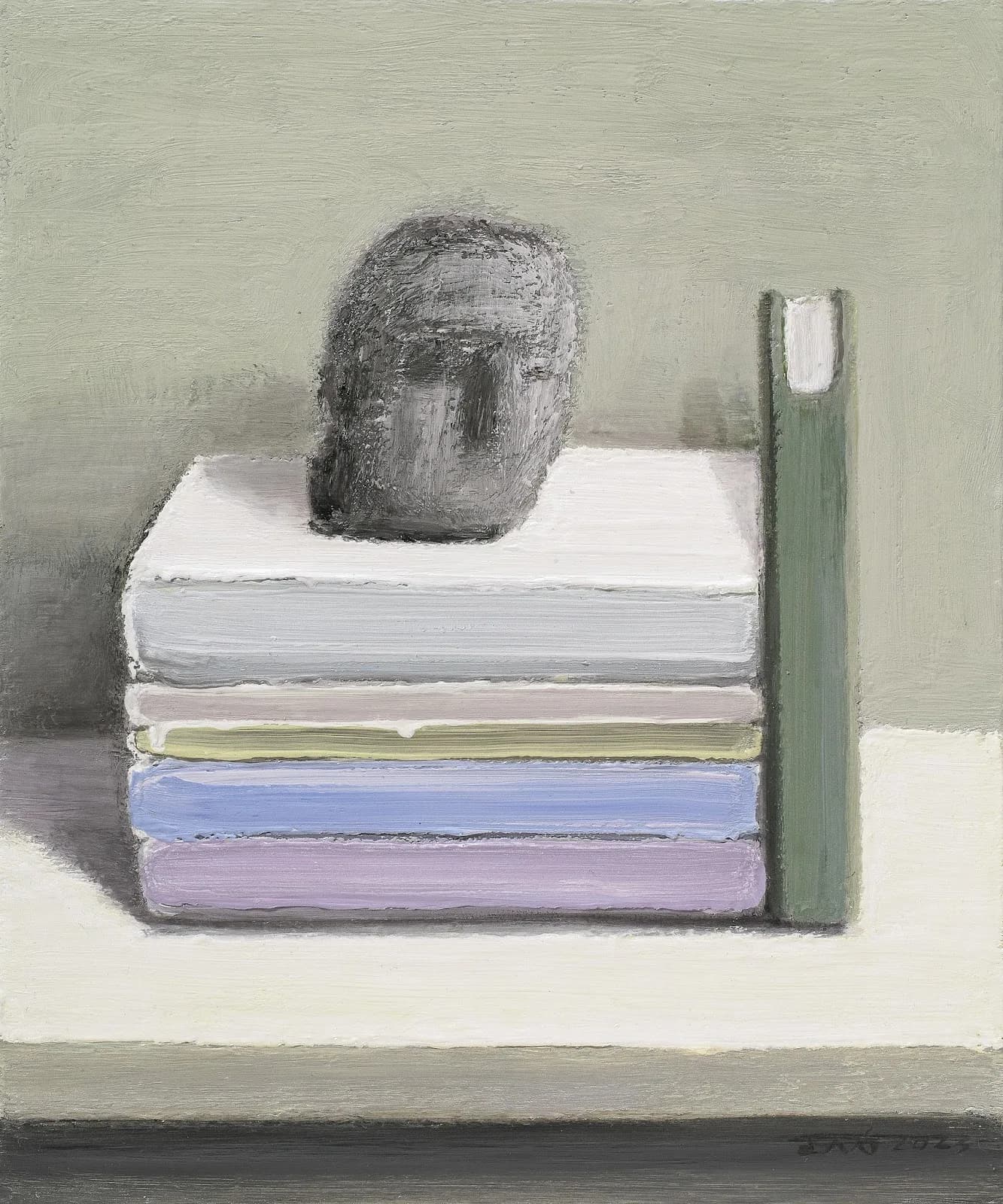
SAF Painters — From Korean Painting to Abstraction
The 40+ painters of SAF 2026, read across six lineages — from Reality and Utterance founders to KAIST-trained painters, Brussels sculpture MFAs, and Goryeo-Buddhist-painting masters.
Apr 20, 2026 · Seed Art Festival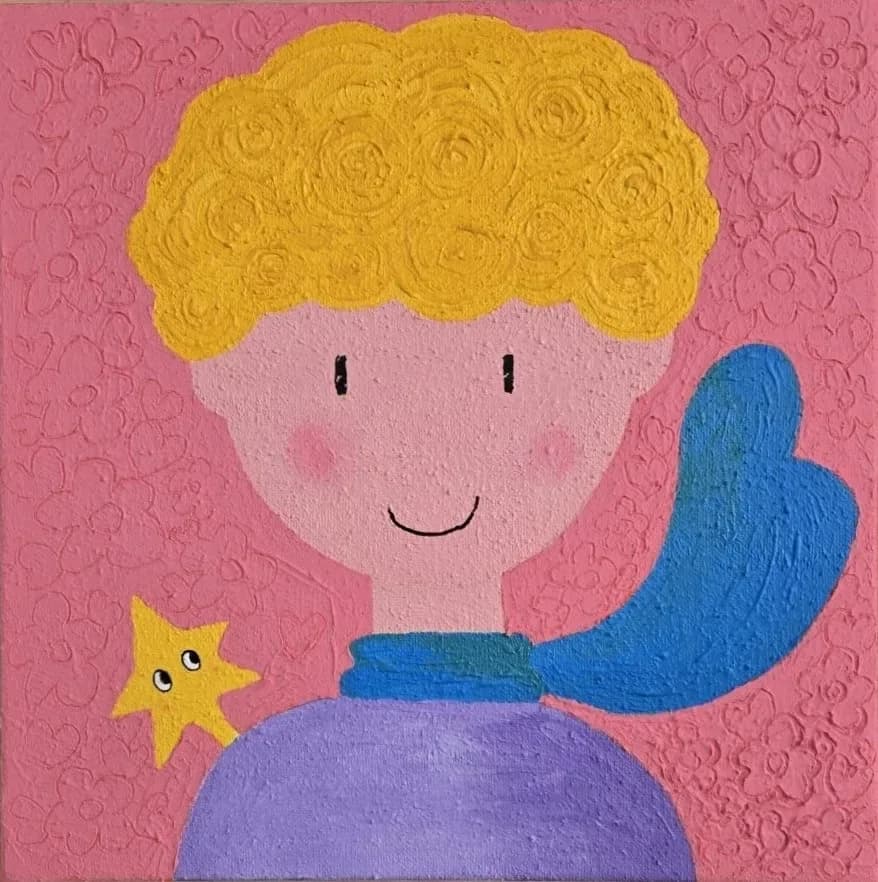
Contemporary Art Pricing — Artist, Medium, Size, Date: 4 Factors of Korean Art Market
“Is this price fair?” The question every buyer asks. To answer it you need to understand the four forces that set art prices: artist, medium, size, and date.
May 2, 2026 · Seed Art FestivalMore Painting Artworks
View all Painting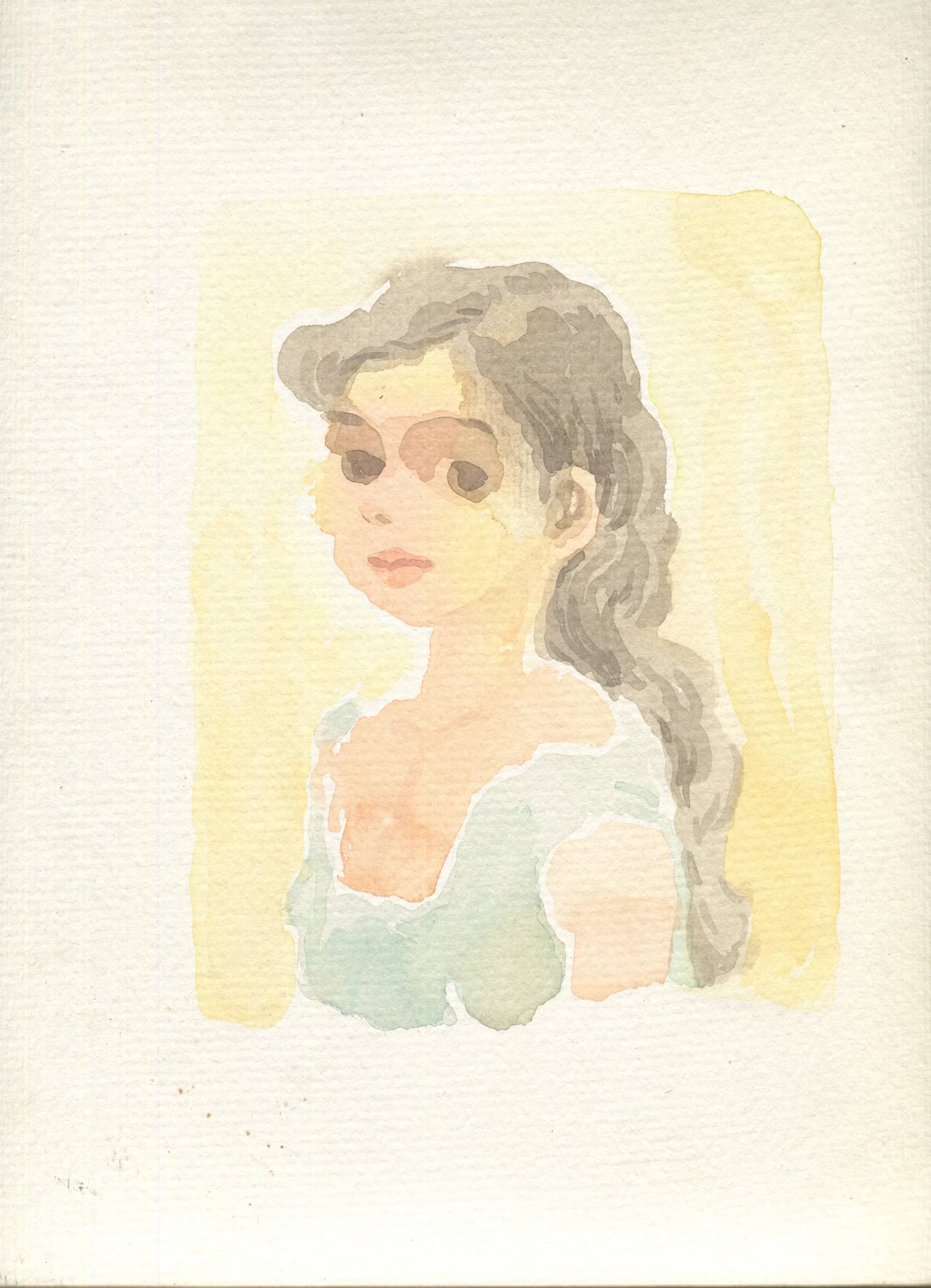
Girl
Park Jae-dong
₩3,000,000
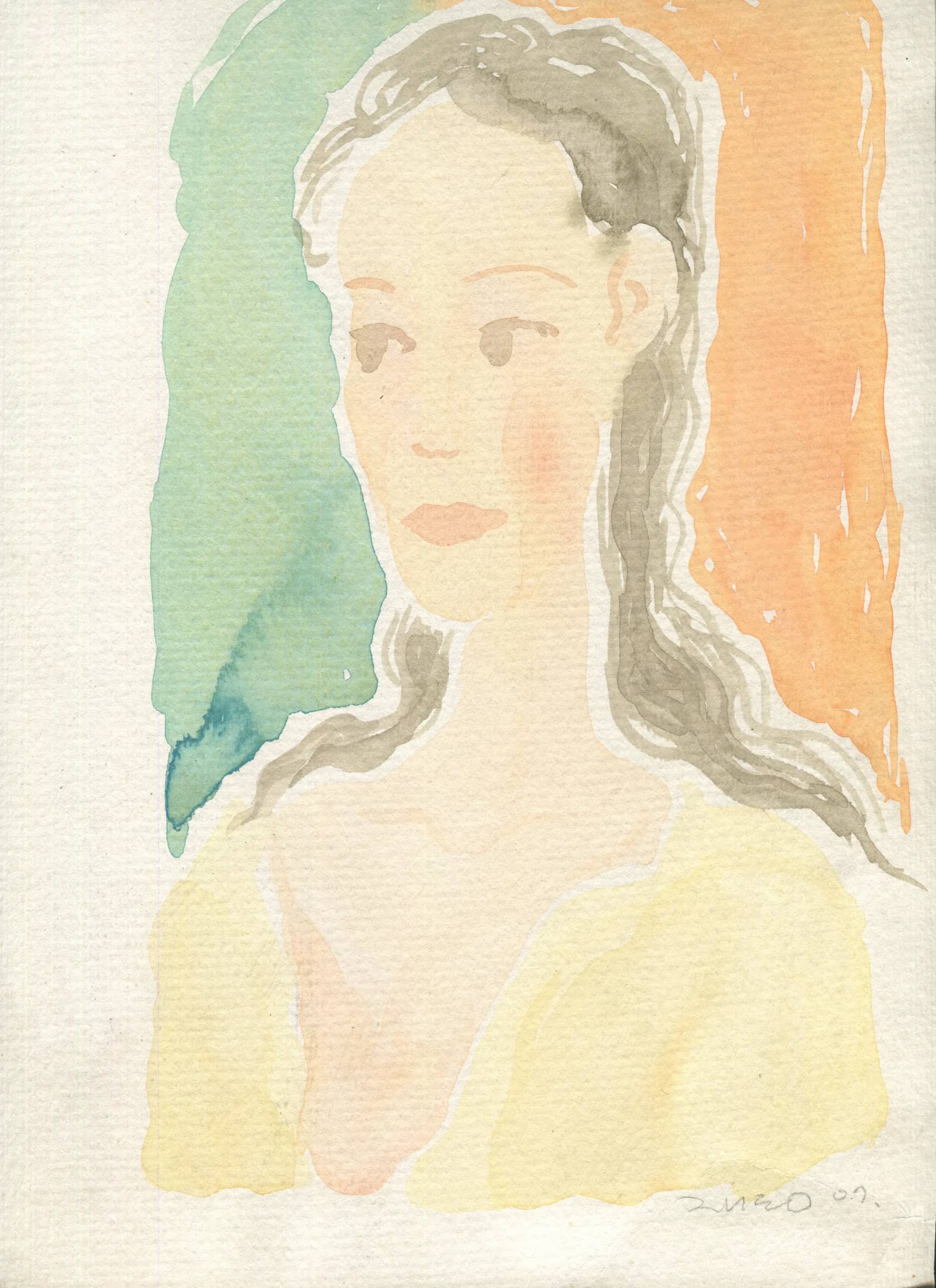
Woman
Park Jae-dong
₩3,000,000

Hometown Village Scenery
Park Jae-dong
₩4,000,000

Boy by the Sea
Park Jae-dong
₩5,000,000

Cityscape
Park Jae-dong
₩5,000,000
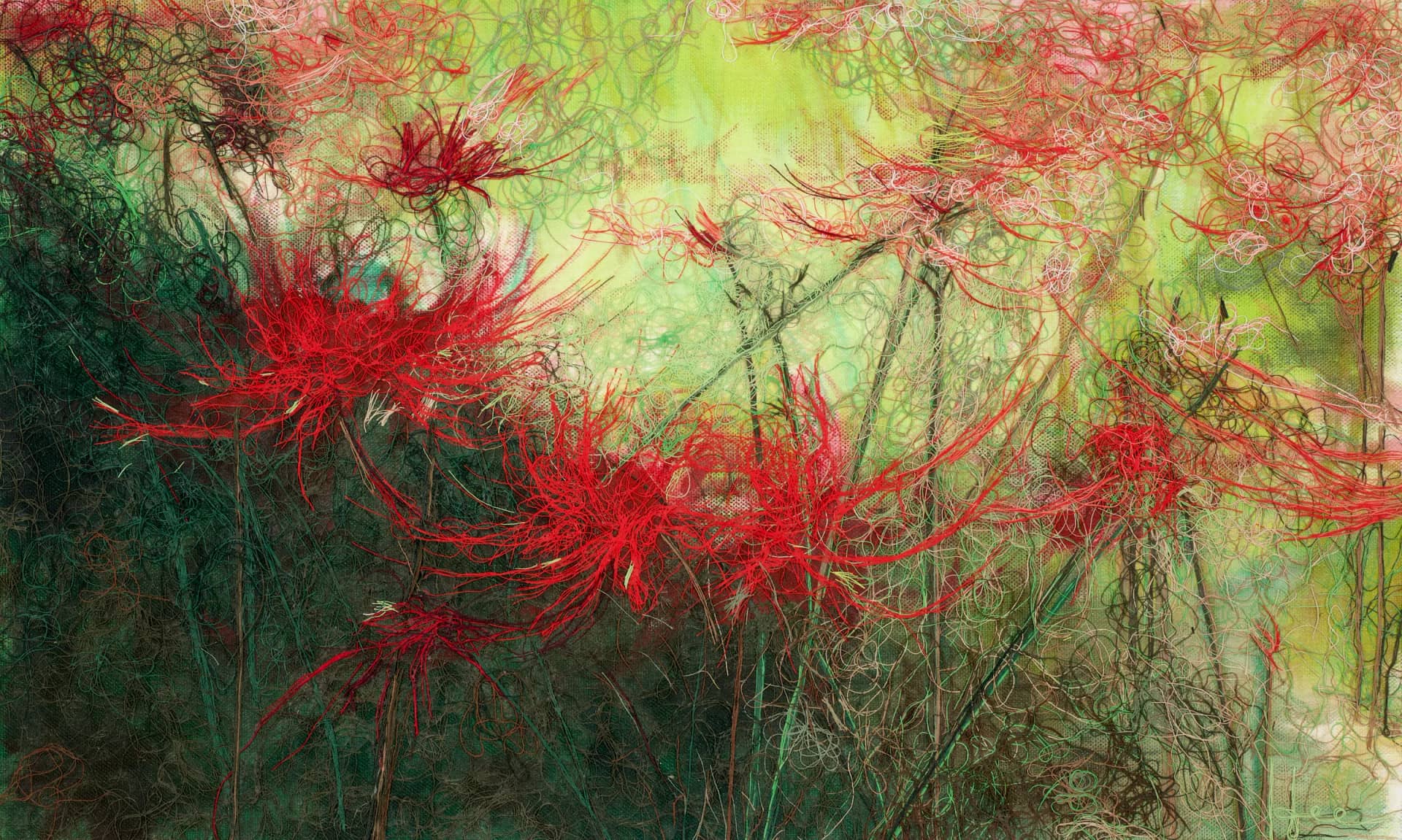
a forest with autumn coming
홍진희
₩2,000,000
Two beginnings made by one piece
- For you —
- One-of-a-kind in the world
- For the artist —
- the pride of standing with a peer
- For a fellow artist —
- a new ₩3,000,000 path of low-interest support
354 artists have walked this path of recovery; 95% returned to open it for the next.