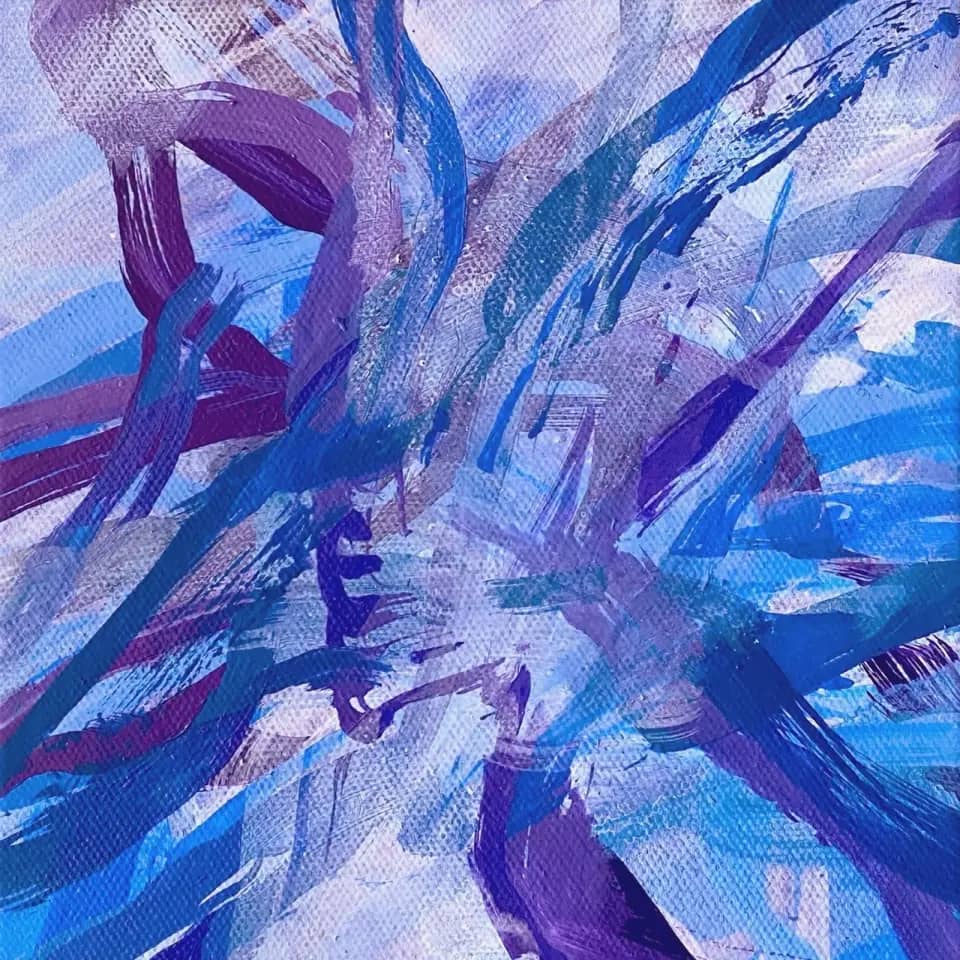
Emptying the figure,
arriving at balance
From figuration to abstraction — intuitive lines that prove existence.Inner balance reaching outward toward every other being.
From figuration to abstraction —
line as inner truth
Kim Reisi built the structural foundation of her practice in figurative painting, graduating from the Department of Western Painting at Seoul Women's University (BFA, 2003). Carrying that grounding in the discipline of representational form, she pursued advanced study internationally — an MA at Nottingham Trent University in the UK (2007) and an MFA at Pratt Institute in New York (2009) — living and working across three continents.
That journey shaped a decisive transition. Having mastered figuration as a structural tool, she moved into abstract painting — not as an abandonment of form but as its dissolution into inner balance and the essence of existence. Line, freed from the task of representing things, became a direct record of inner state: each stroke a gesture, each gesture a proof of being here.
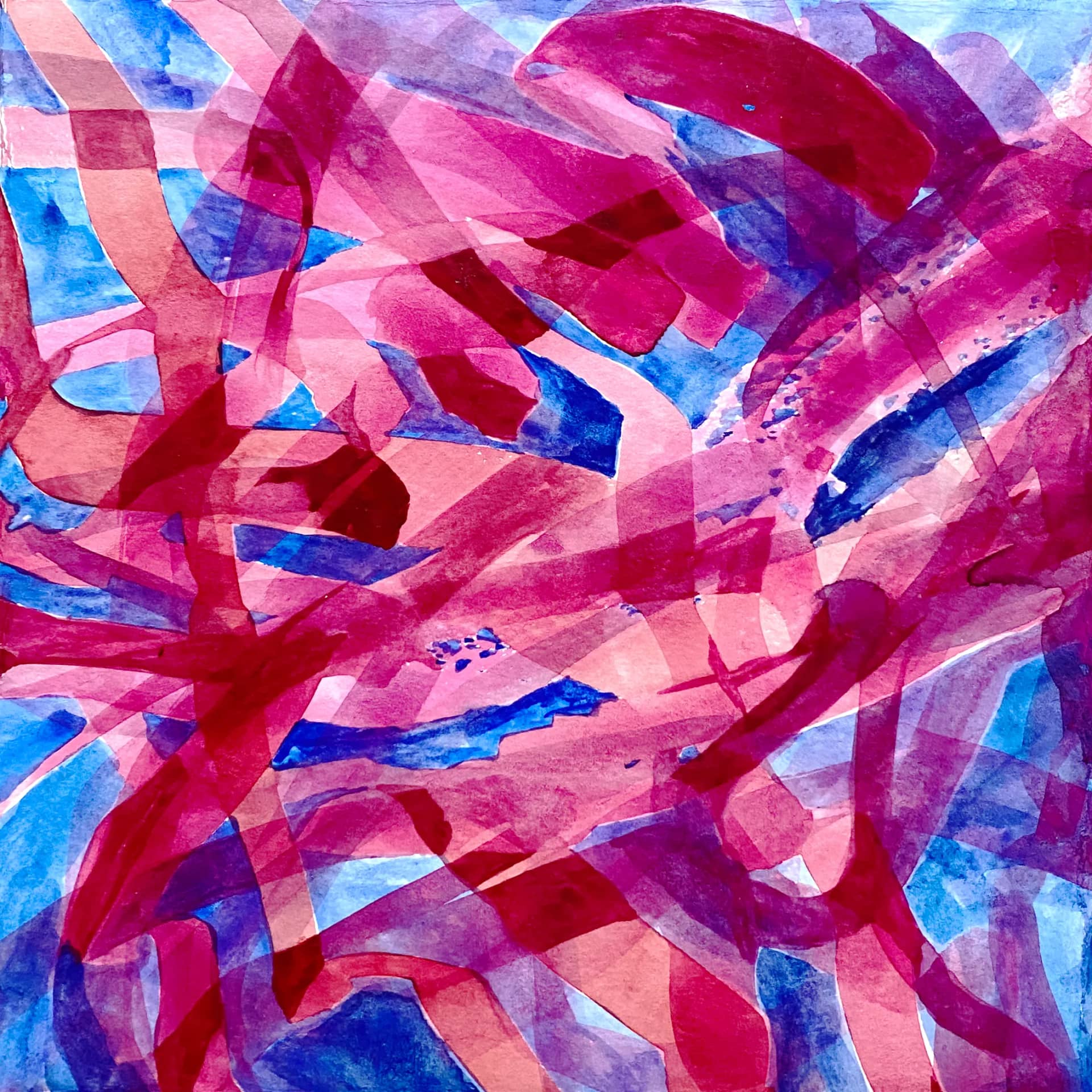
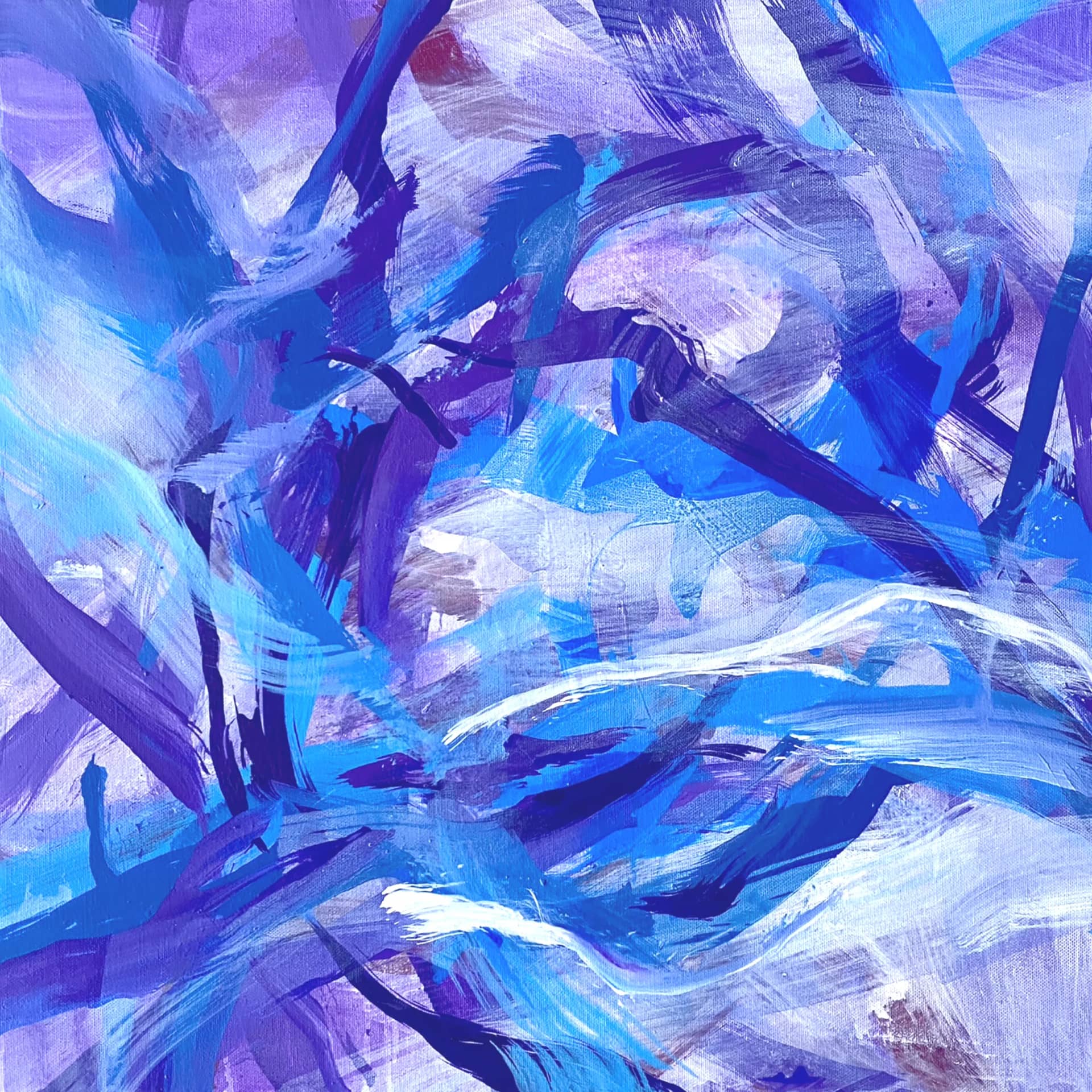
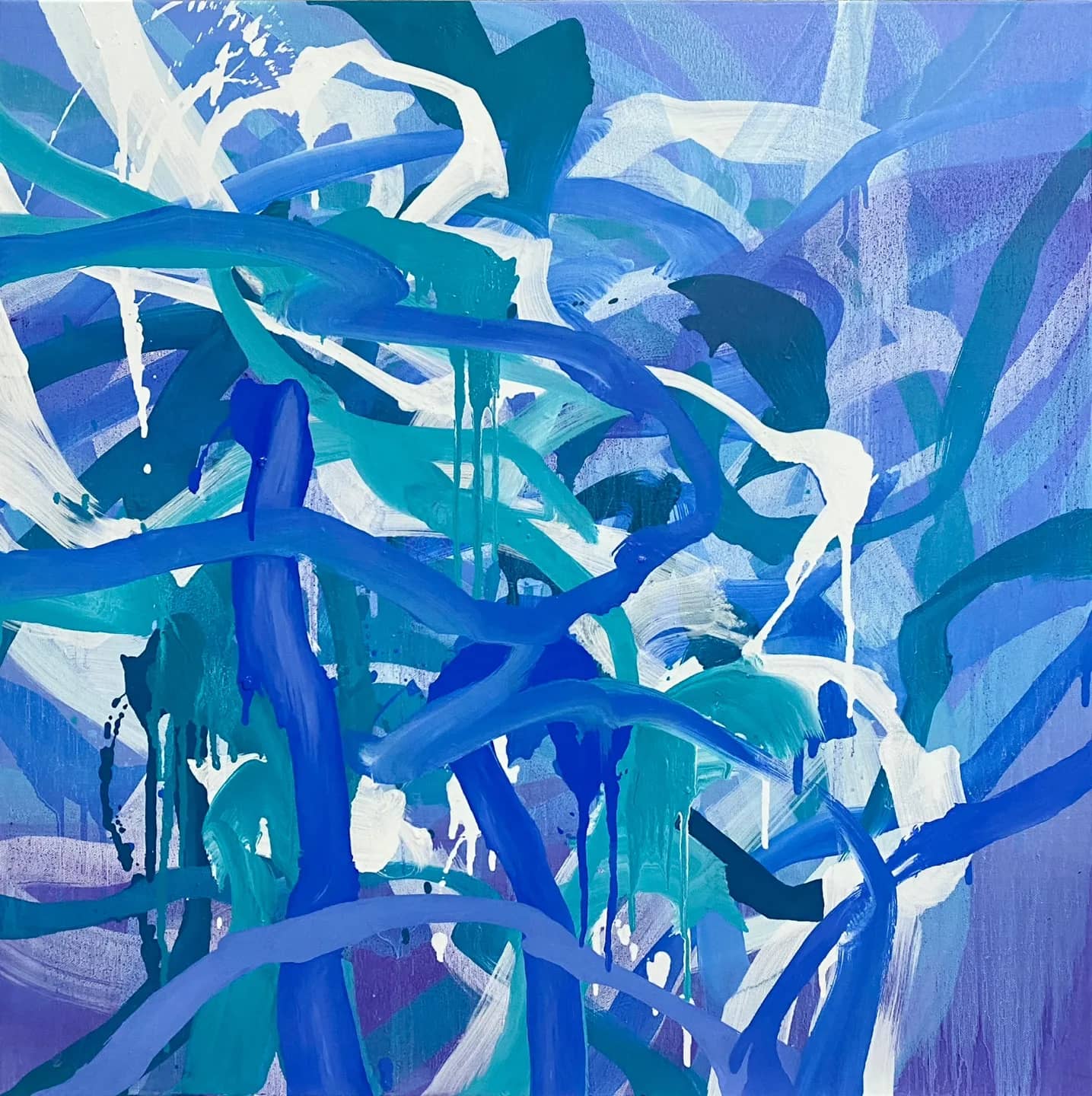
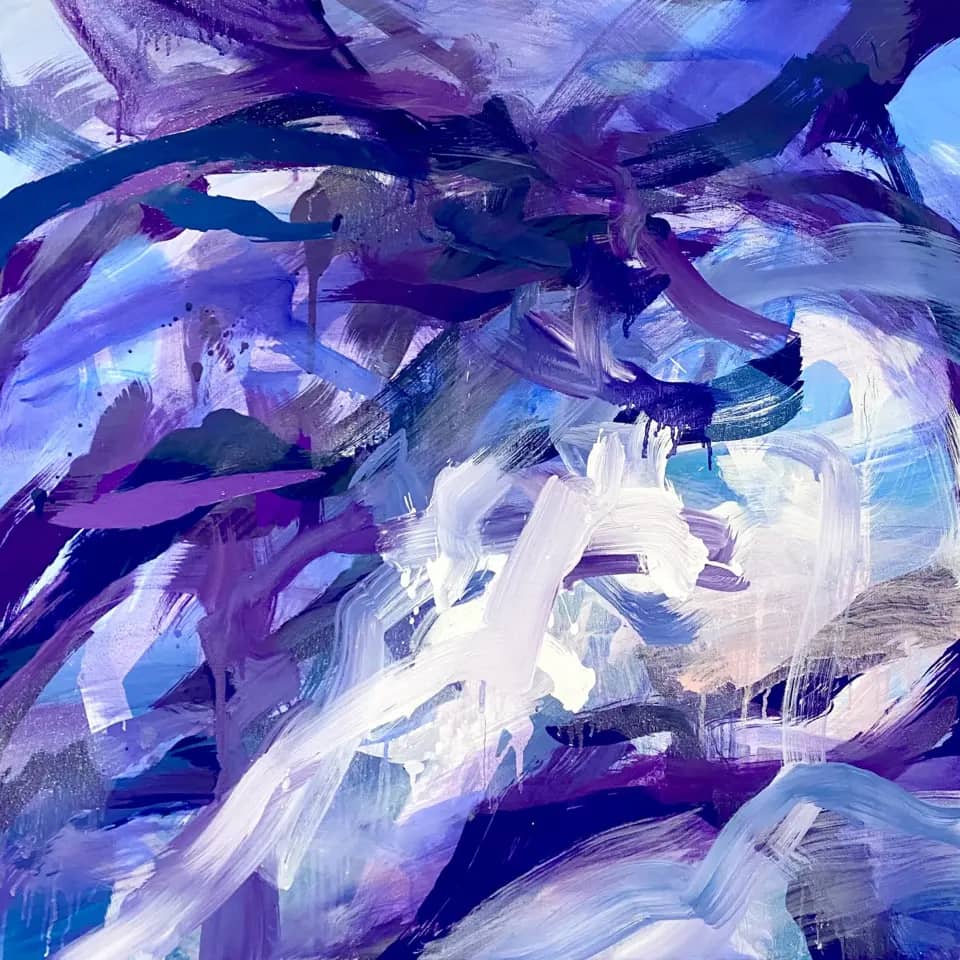
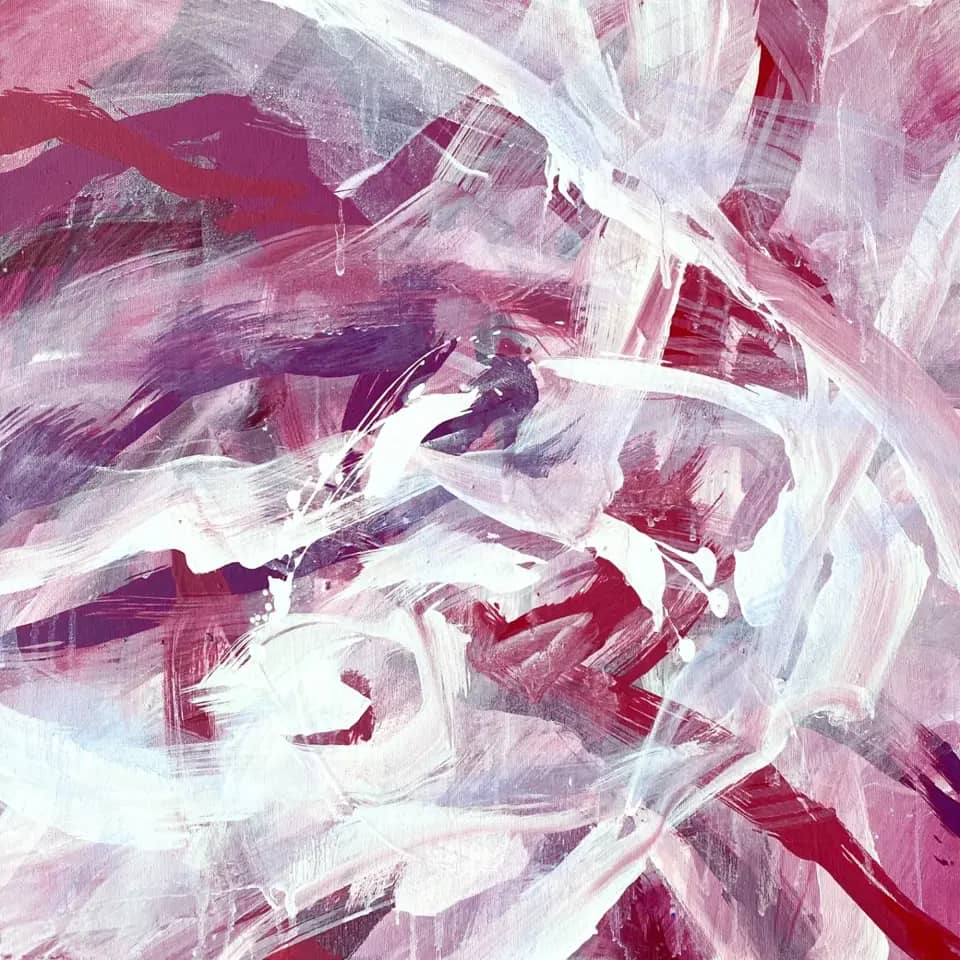
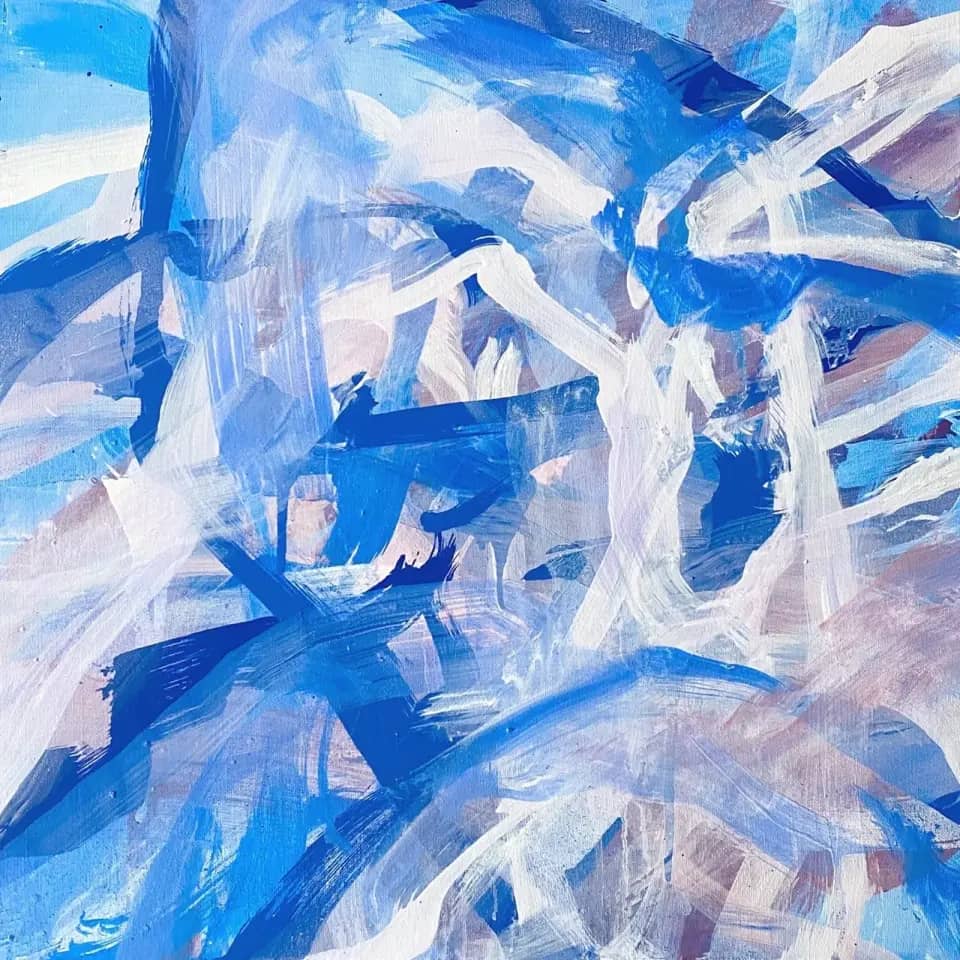
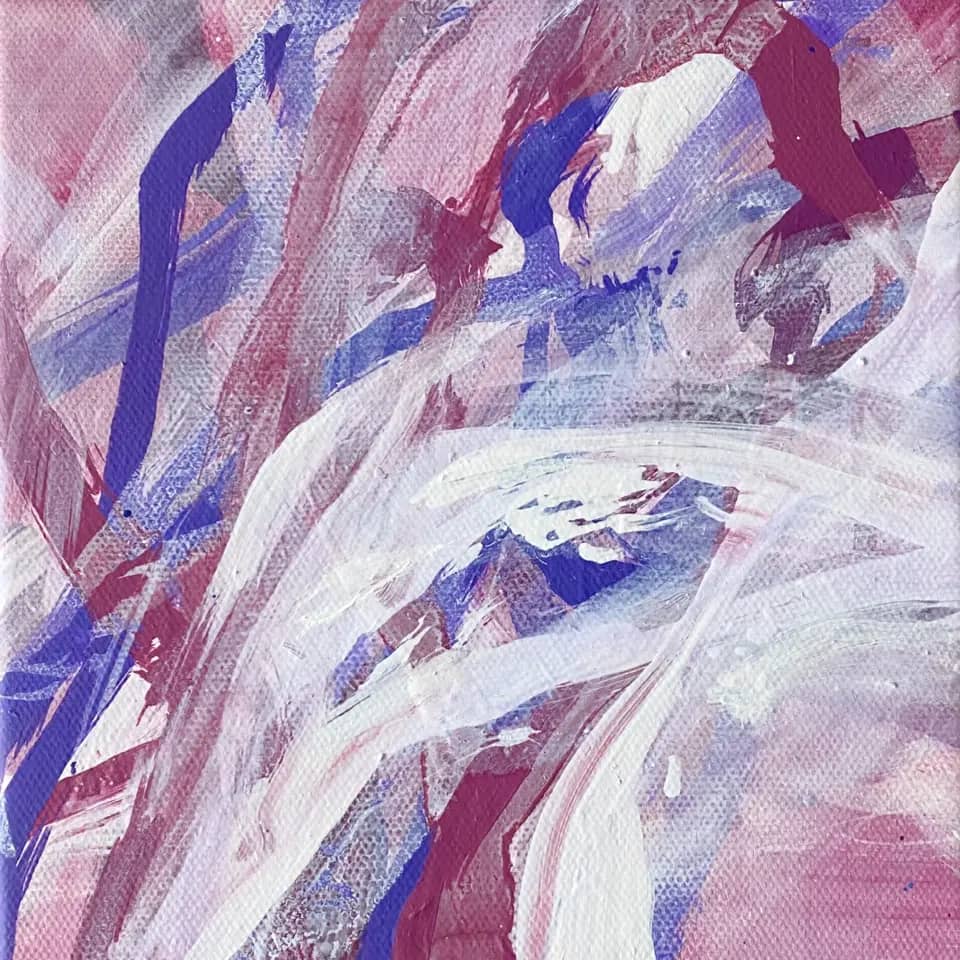
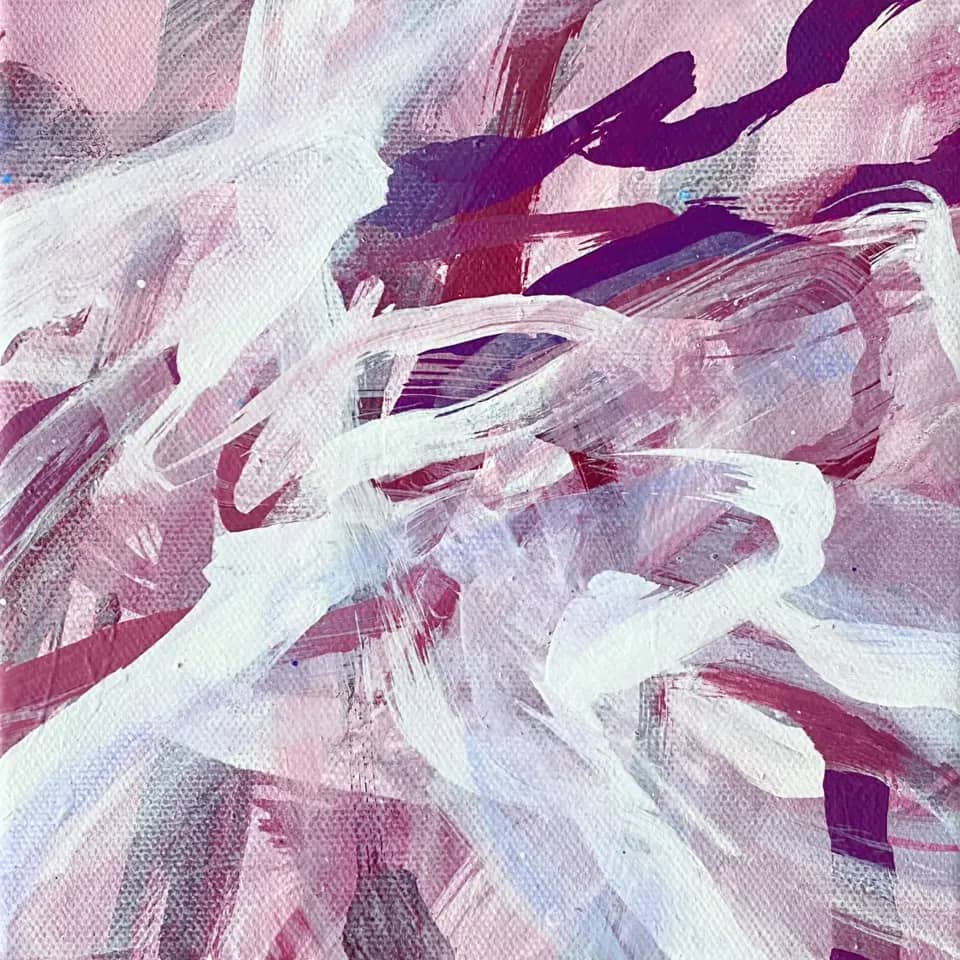
Her practice centres on intuitive line work. In her paintings, lines are swept across the canvas with the whole body — a flick, a long pull — then layered over and over as the surface fills, is partially covered, and fills again. This accumulation is not sequential but simultaneous: each layer carries the imprint of a particular moment, and all the moments are present at once in the finished work.
The result is painting that turns inward and outward at the same time. To draw a line and find oneself in it is, her work suggests, inseparable from thinking of others — of everyone who breathes alongside. Her work in colour and line ultimately reaches toward respect for the other: the recognition that they are no different from oneself.
Since her early “Dialogue of Silence” exhibitions in New York (2010–2012), through the “In Between” and “Before Mind” series, to the recent solo shows “Anonymous Moments” (2025) and “This Moment” (2024), her practice has deepened steadily across more than 20 solo exhibitions and over 80 group shows in Seoul, New York, Chicago, Vienna, Miami, and beyond.
Major themes
- 1
From figuration to abstraction
A structural grounding in representational painting that dissolved, over time, into the freedom of non-representational line.
- 2
Inner balance and layered presence
Each layer of paint holds a moment; together they form a surface where past and present exist simultaneously.
- 3
Connection and respect for the other
Looking inward through the act of painting inevitably leads to thinking of all others who breathe alongside — the weight of coexistence in every mark.
The artist's timeline
- 2003BFA, Department of Western Painting, Seoul Women's University.
- 2007MA, Nottingham Trent University, UK.
- 2009MFA, Pratt Institute, New York.
- 2010–12〈Dialogue of Silence〉 — Chelsea West Gallery (NYC), Amos Eno Gallery (Brooklyn), Yashar Gallery (Brooklyn), Pop Art Factory (Seoul).
- 2014–15〈In Between〉 — Gallery Imaju (Seoul), Space Sun Plus (Seoul), Gallery Pirang (Heyri).
- 2017〈Vantage Point〉, 1133 Avenue of the Americas (ChaShaMa & Durst Org., NYC); 〈Before Mind〉, ChaShaMa 55 Broadway (NYC).
- 2021–22〈Before Mind〉 (Gallery Nut, CICA Gimpo); 〈Before Thinking〉 (Gallery Hanok; Sai Art Space, Seoul).
- 2023–25〈Before Any Words〉 (Gallery Coral, Gallery Still, Gallery Dos); 〈This Moment〉 (Gallery Ilho, 2024); 〈Anonymous Moments〉 (Gallery LP; Chungju Cultural Foundation, 2025).
Selected awards & collections
- 2022 Gallery Hanok New Artist Open Call — selected (〈Before Thinking〉)
- Featured in Studio Visit Magazine (2016, 2025), Hyperallergic (2020)
- Public collections: One Medical Group (Brooklyn, NY); Seoul Eastern District Court
- 20+ solo exhibitions; over 80 group exhibitions in Seoul, New York, Chicago, Vienna, Miami, Busan, Daegu, and beyond
Three essays —
on the work and its inner logic
1From figuration to abstraction
Kim Reisi did not begin in abstraction. She began in figuration — learning, through Western painting at Seoul Women's University, how to construct a form, how to hold a composition together, how to make a surface resolve into something legible. That structural discipline was the foundation on which everything else was built.
Advanced study abroad — at Nottingham Trent University in the UK, then at Pratt Institute in New York — deepened the practice while shifting its centre. The move toward abstraction was not a break with figuration but a continuation: having learned what form can do, she began to explore what form, released from representation, reveals. Line freed from the object becomes a line that records the inner state — its speed, its weight, its wavering. The painting became a surface for the act of being present.
2Inner balance — the poetics of line and layer
The central gesture of Kim Reisi's practice is simple and bodily: a hand raised, a sweep through the air, a line drawn. In that act, she has written, the self is found — not in the meaning of the mark but in the proof of it. The line says: I was here; this moment happened. Its fading does not erase the act.
On the canvas this becomes a process of accumulation. Lines fill the surface; the surface is partially or wholly covered; new lines are laid down. Over time, layers build up — each layer holding a different moment, all the moments held at once in the finished painting. This simultaneity is deliberate. Where sequential accumulation might suggest a narrative — this came before that — her method insists that every moment is already complete in itself. No layer is more or less present than any other.
The result is painting that embodies balance not as symmetry but as the equal weight of all the instants it contains. Each stroke is both a record and a release — the inner state expressed, then covered, then re-expressed in a new form. The surface accumulates toward an equilibrium that is never fixed, always in process.
3Connection — drawing lines, reaching toward the other
Kim Reisi's practice does not end with the self. To look inward through painting — to find the “I” inscribed in each mark — is, paradoxically, to open outward. The experience of facing oneself in the act of drawing, her practice suggests, inevitably leads to attending to the moments of others: to everyone who breathes alongside, close but separated, each existing in their own moment.
This is the ethical dimension of her abstract practice. The painting in colour and line does not illustrate a philosophy of connection; it is the act of connection, repeated with each gesture. The coexistence of all the layers — all the moments, all the selves — on a single canvas surface is a model for how beings exist together: distinct, simultaneous, mutually present. Her work reaches toward the recognition that others are no different from oneself.
From Seoul to New York to the international art world and back, Kim Reisi has built a quiet, sustained practice of abstract painting grounded in the act of presence. She joins this campaign in solidarity with fellow artists — so that the next generation might keep drawing their lines.
Selected Works
9 works are featured here.
Kim Reisi joined this campaign in solidarity with fellow artists. Every work sold flows directly into the artists' mutual-aid loan fund— a purchase becomes the next month's lifeline for an artist navigating financial exclusion today.