Trees at night,
awakened by light
He finds trees by day and lights them by night.A ‘tree photographer’ who lays subjective light over the document.
A tree photographer —
light laid over the record
Yoll Lee studied photography at Chung-Ang University's College of Arts and at the Istituto Europeo di Design (IED) in Milan, Italy. Since 2012he has taken the tree as his subject, photographing it as an expression of the beauty of nature and life — and has become known as a “tree photographer.”
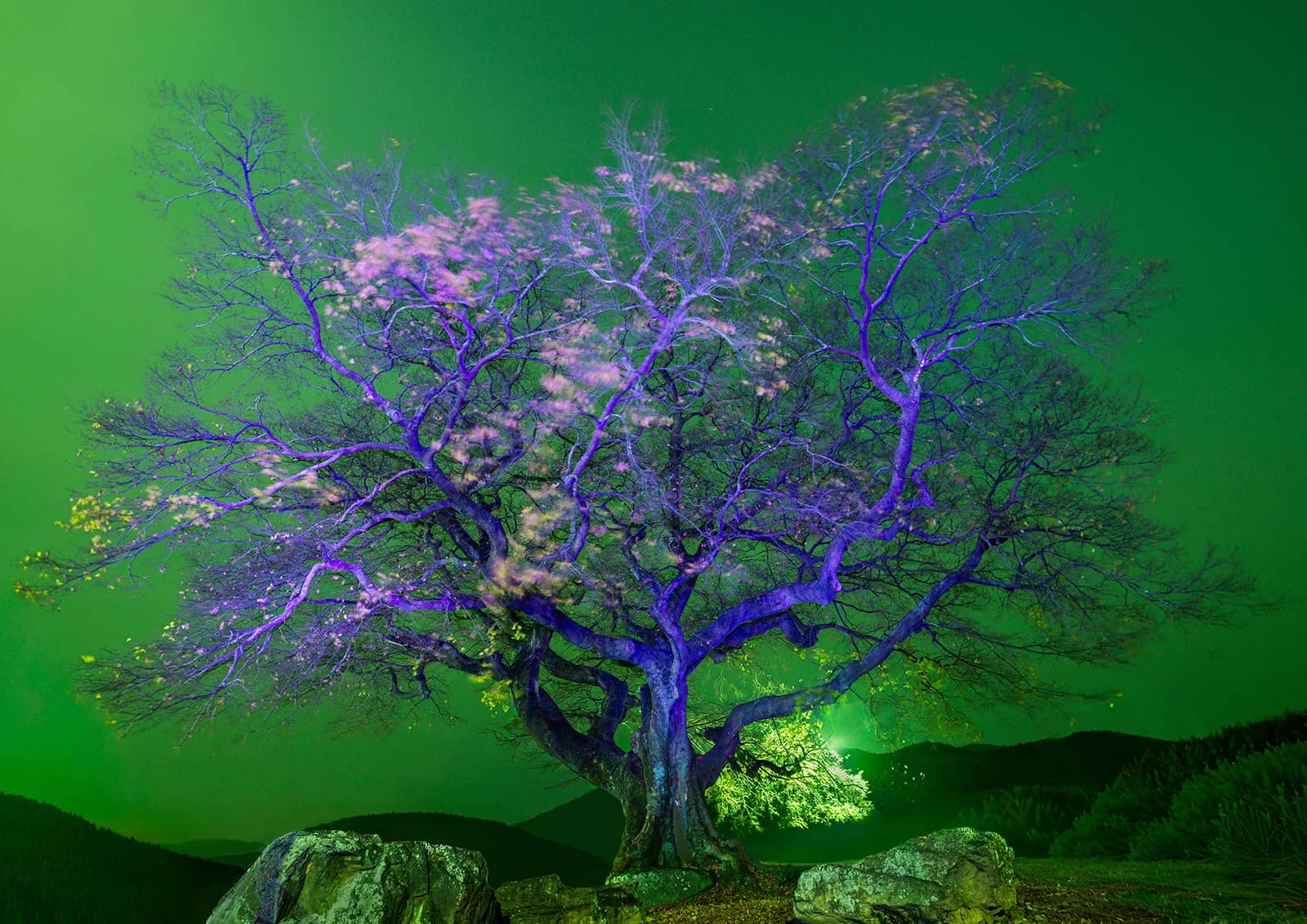
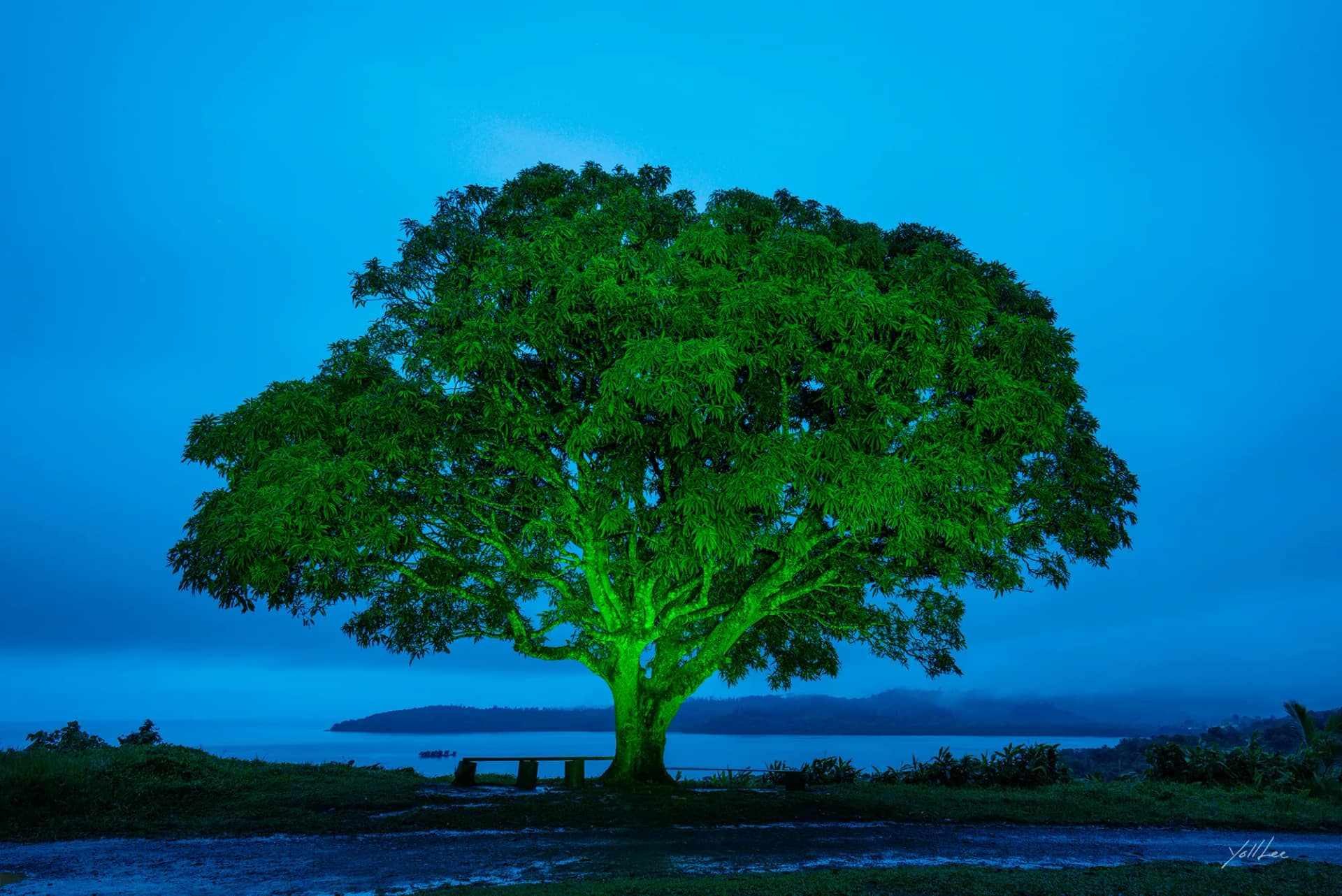
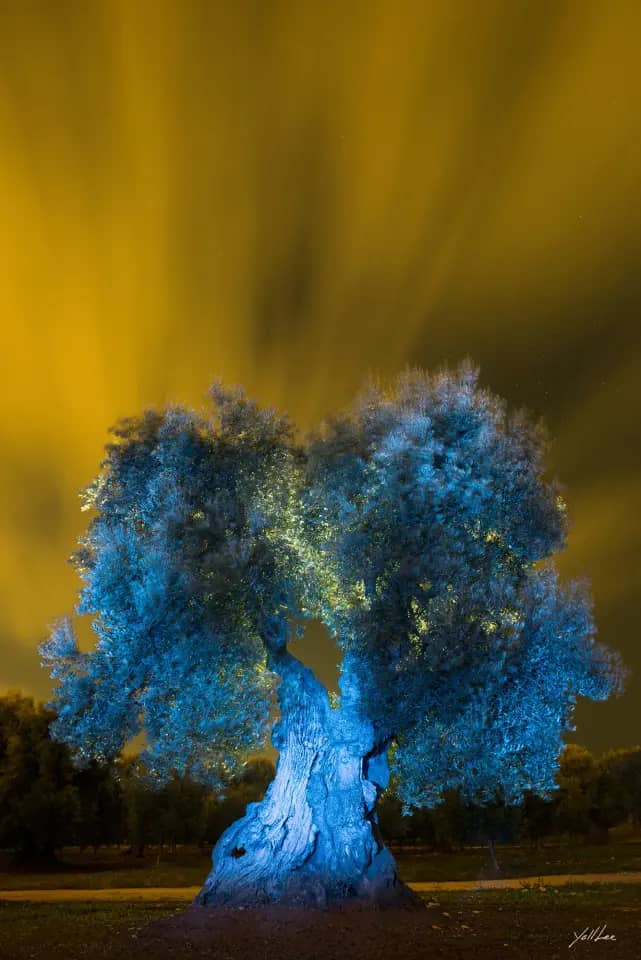
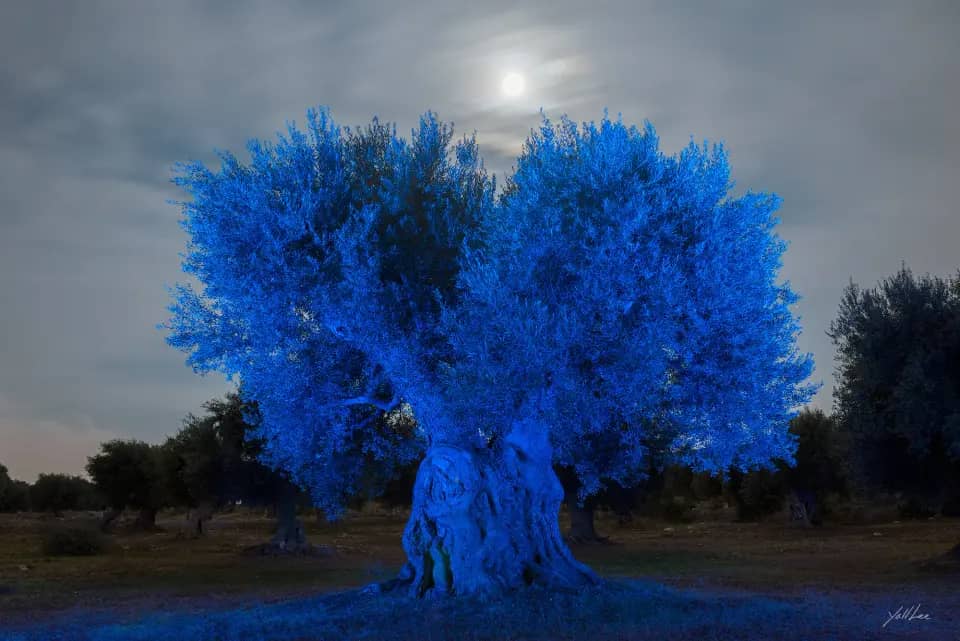
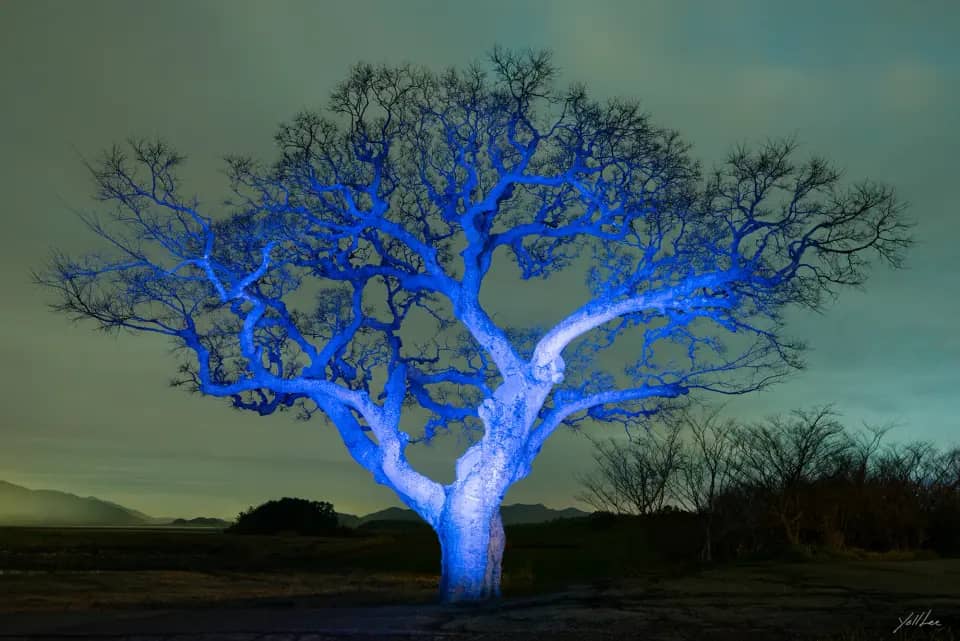
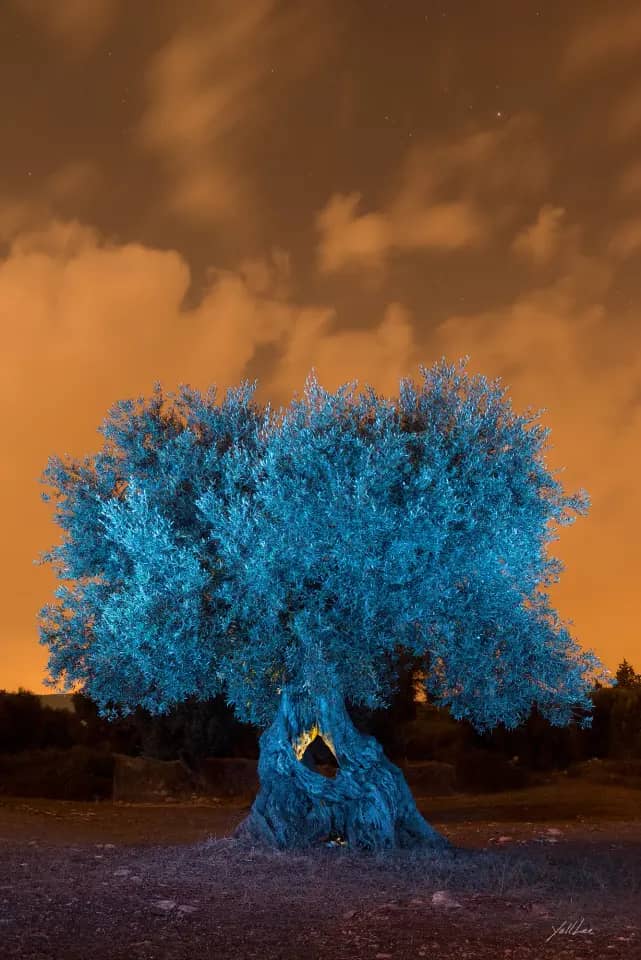
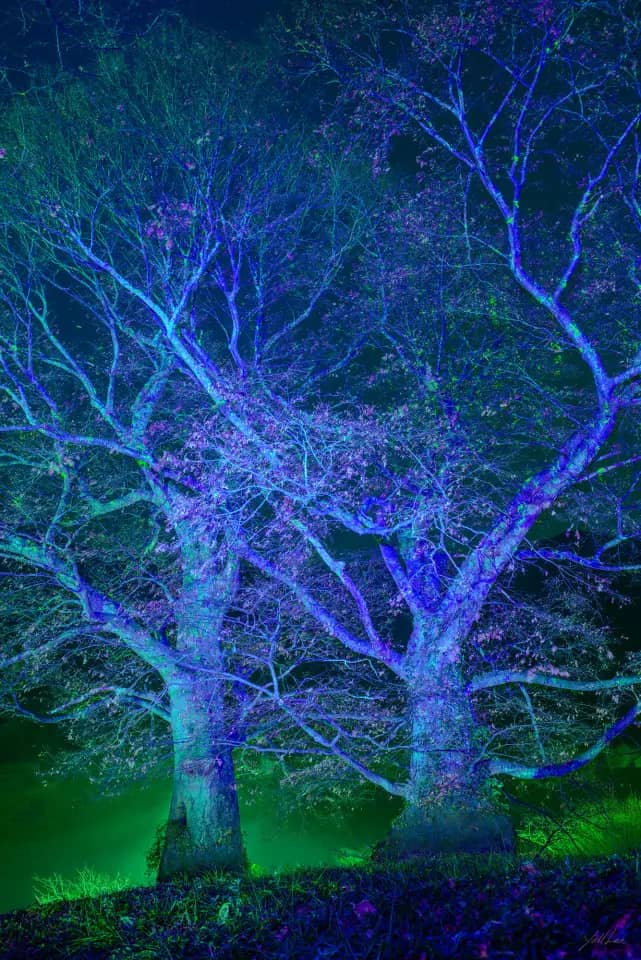
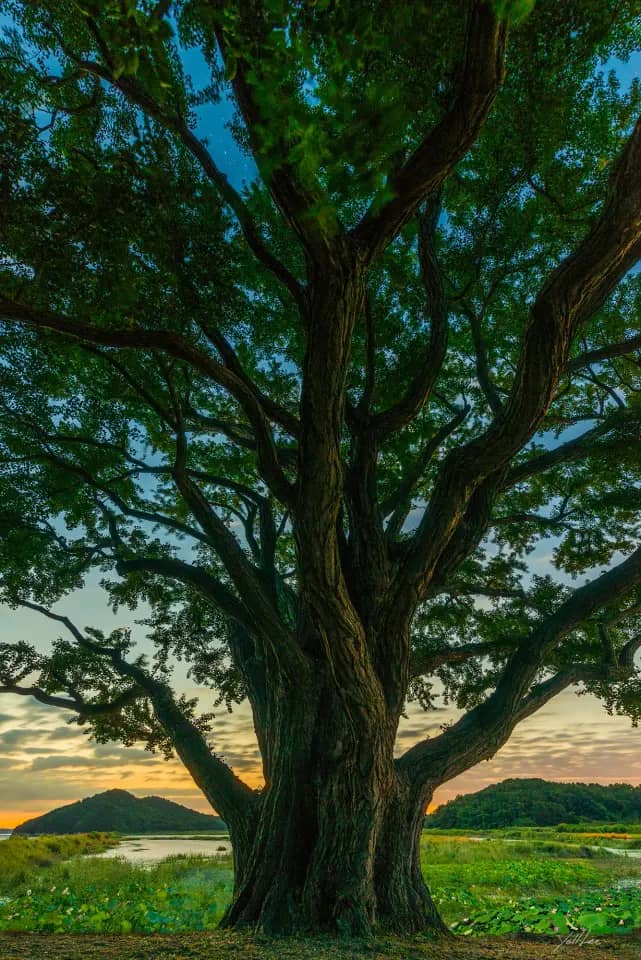
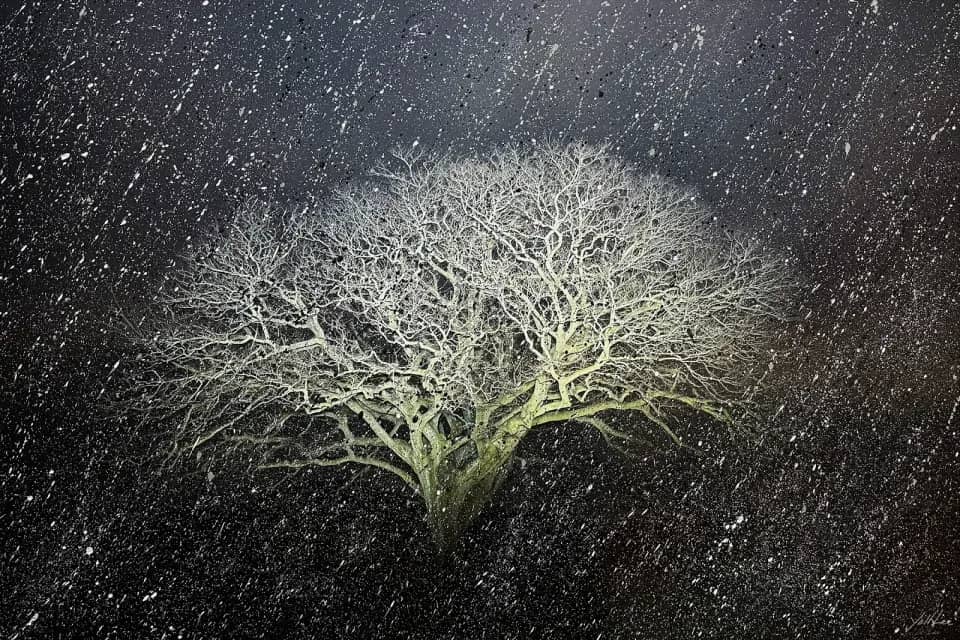
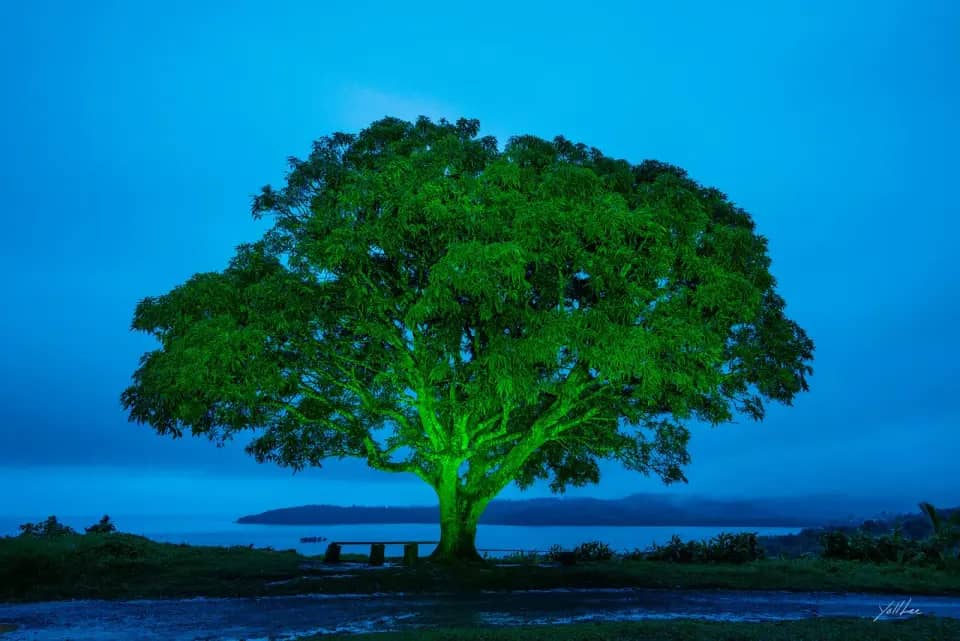
His method is distinctive: he finds a tree by day and photographs it at night, giving it his own light. The aim is not documentary record alone. Through a tree, a place, and its history, he tries to put into the photograph the personal emotion and inspiration he has felt there — laying the flow of subjective feeling over a foundation of record. It is this added layer of light and feeling that separates his work from documentary photography.
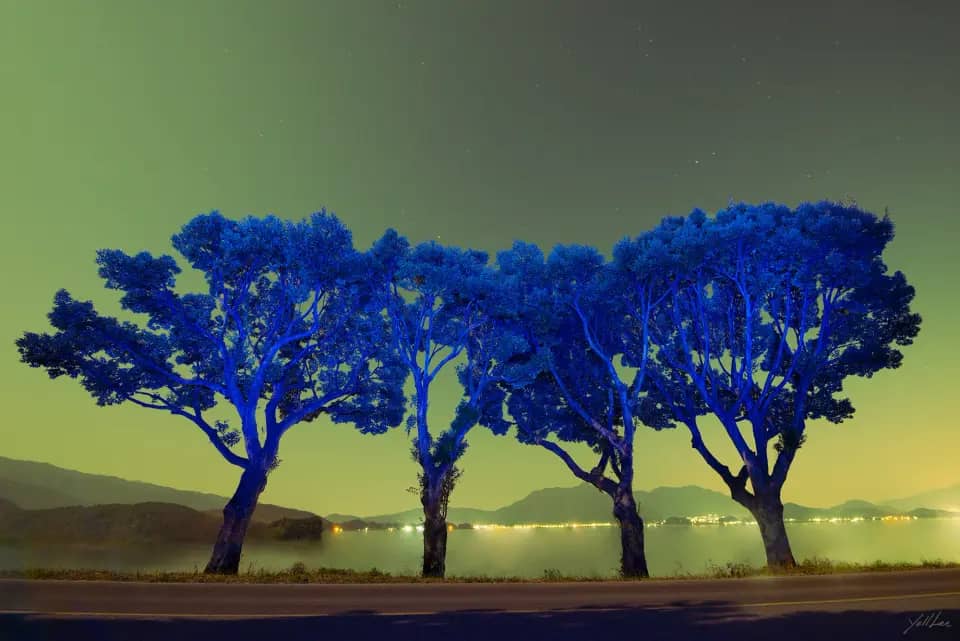
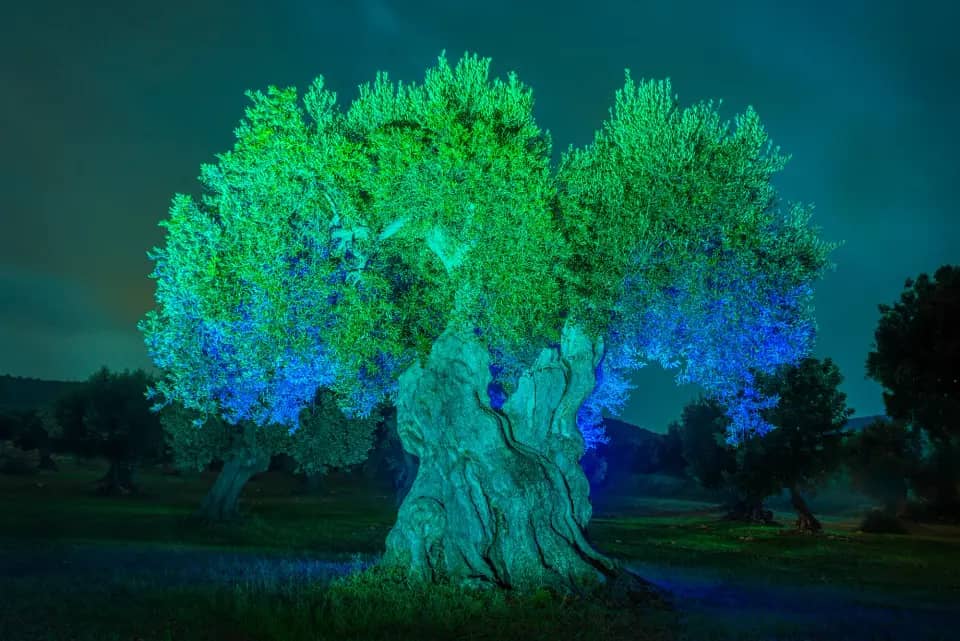
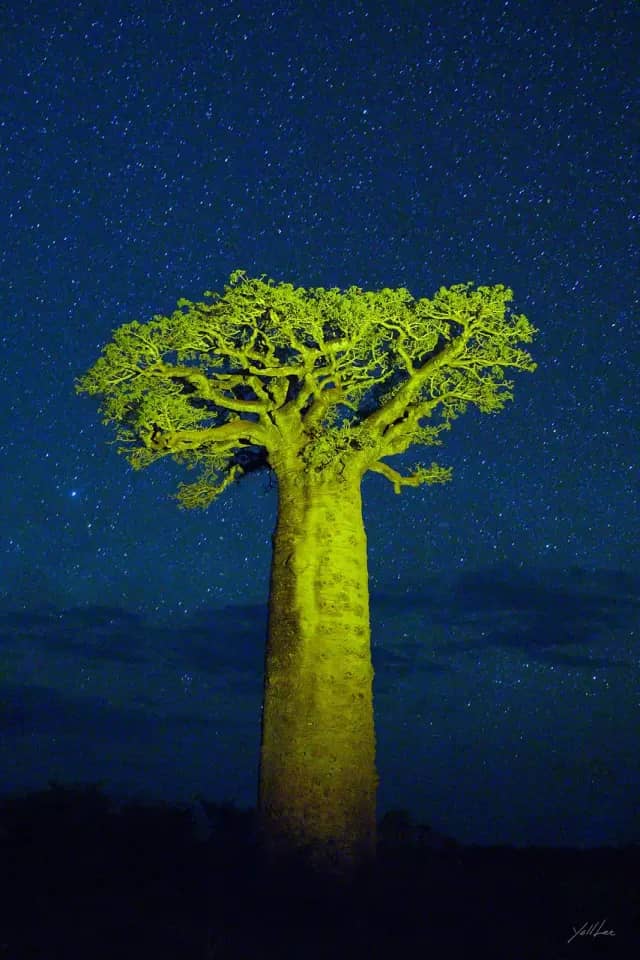
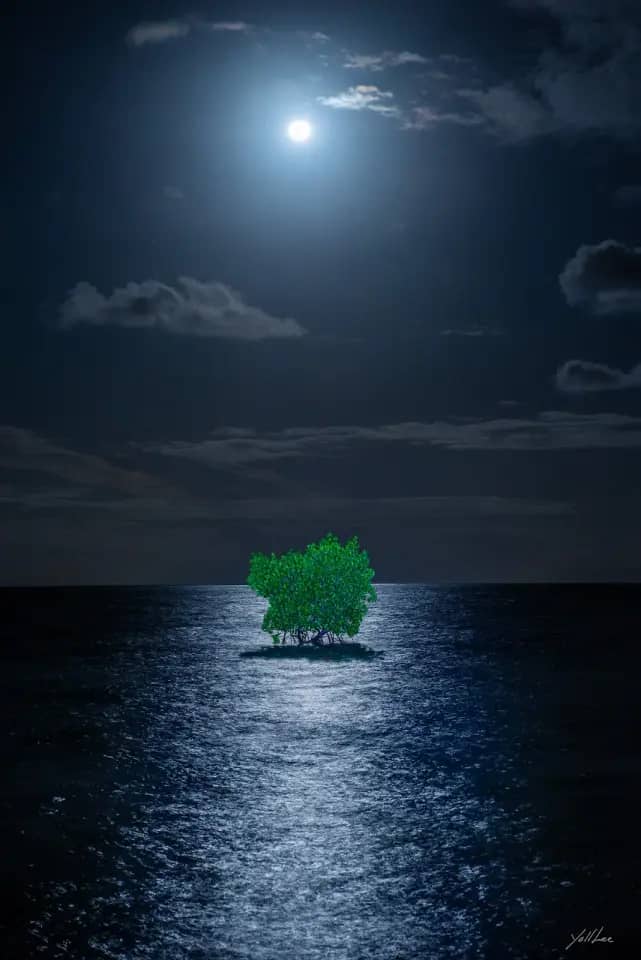
Beginning with the “Blue Tree” series in 2013, his trees moved through “Forest” (2016), “Dreaming Tree” (2017), and “Human Tree” (2018). His gaze then reached trees abroad — the Himalayan rhododendron (lali gurans) of Nepal (2017), the olive trees of Italy (2018), the baobabs of Madagascar (2020), and the mangroves of Fiji (2023).
In Korea, he turned to the sacred trees (sinmok) of the islands: “Jeju Sinmok” (2021), “Sinan Sinmok” (2022), “Tongyeong Sinmok” (2023), and “Namhae Sinmok” (2024) — the village guardian trees in which a place's memory and faith are gathered. From 2013 he also led and won the “Yangjaecheon Embankment Tree-Saving Movement,” and he dreams of a “Forest of Art” where nature and art live together.
Major themes
- 1
Light upon the record
Finding trees by day, lighting them by night — subjective feeling laid over a documentary foundation. This is what separates his work from documentary photography.
- 2
The sacred island trees
Jeju, Sinan, Tongyeong, Namhae — the guardian trees in which a place gathers its memory and faith.
- 3
Trees of the world
Himalayan rhododendron, Italian olive, Madagascar baobab, Fiji mangrove — the same gaze, carried across continents.
The artist's timeline
- Edu.Chung-Ang University, Dept. of Photography; Istituto Europeo di Design (IED), Milan, Italy, Photography.
- 2012Begins photographing trees as his central subject.
- 2013First tree photography exhibition, the "Blue Tree" series. Leads the "Yangjaecheon Embankment Tree-Saving Movement" to success.
- 2016–18"Forest" (2016), "Dreaming Tree" (2017), "Himalaya" (2017), "Human Tree" / "Trees Generations" (2018, Bari, Italy & Seoul).
- 2020"The Tree the Gods Loved, Baobab" (Madagascar), ARTFIELD GALLERY.
- 2021"Jeju Sinmok — Pongnang", LeeSeoul Gallery.
- 2022"Sinan Sinmok — Usil", Sojeon Museum of Art. Begins as chairperson of the Forest of Art Social Cooperative (June, to present).
- 2023"Green Paradise — Fiji", Bium Gallery; "Tongyeong Sinmok", Gallery Mijak. Fiji mangrove series.
- 2024"Namhae Sinmok — Memory of Time", Namhae Exile Literature Museum.
- 2025Solo exhibition "The Slow Human" (Lapland, Seoul). Publishes the photo essay "The Slow Human" (Geulhangari) — selected for the 14th Green Literature Award.
Career, books & awards
- Chairperson, Forest of Art Social Cooperative (June 2022 – present); Art Director, ARTFIELD Gallery (2018–2020); Director, A-Tree Gallery (2014–2017).
- Lecturer, Konkuk University Dept. of Design (2004–2014); Adjunct Professor, Namseoul University Dept. of Multimedia (2000–2009).
- Books: "The Slow Human" (text & photographs, Geulhangari, 2025); "Heroes of MERS" (photographs, Duldabooks, 2016); "Poets of the Secular City" (photographs, Logopolis, 2015); translation "Beautiful Summer" (Green Ray, 2025).
- Selected for the 14th Green Literature Award (2025) for the photo essay "The Slow Human".
Three essays —
on trees, light, and the sacred
1Photographing by night — light over the record
Most photography of nature works with the light that is already there — the slant of morning, the gold of evening. Yoll Lee works differently. He finds a tree by day, studies it, and returns at night to give it his own light. In the dark, the tree is lifted out of its surroundings and made to stand alone, lit as if on a stage.
This is more than a technique. The photograph still begins in record: a specific tree, in a specific place, with its own history. But over that documentary foundation he lays the flow of his own feeling — the emotion and inspiration the tree and its place have stirred in him. The light is the carrier of that feeling. It is precisely this added subjective layer that he names as the line between his work and documentary photography: the record is kept, but it is no longer neutral.
2From the baobab to the village guardian — the trees of the world and the islands
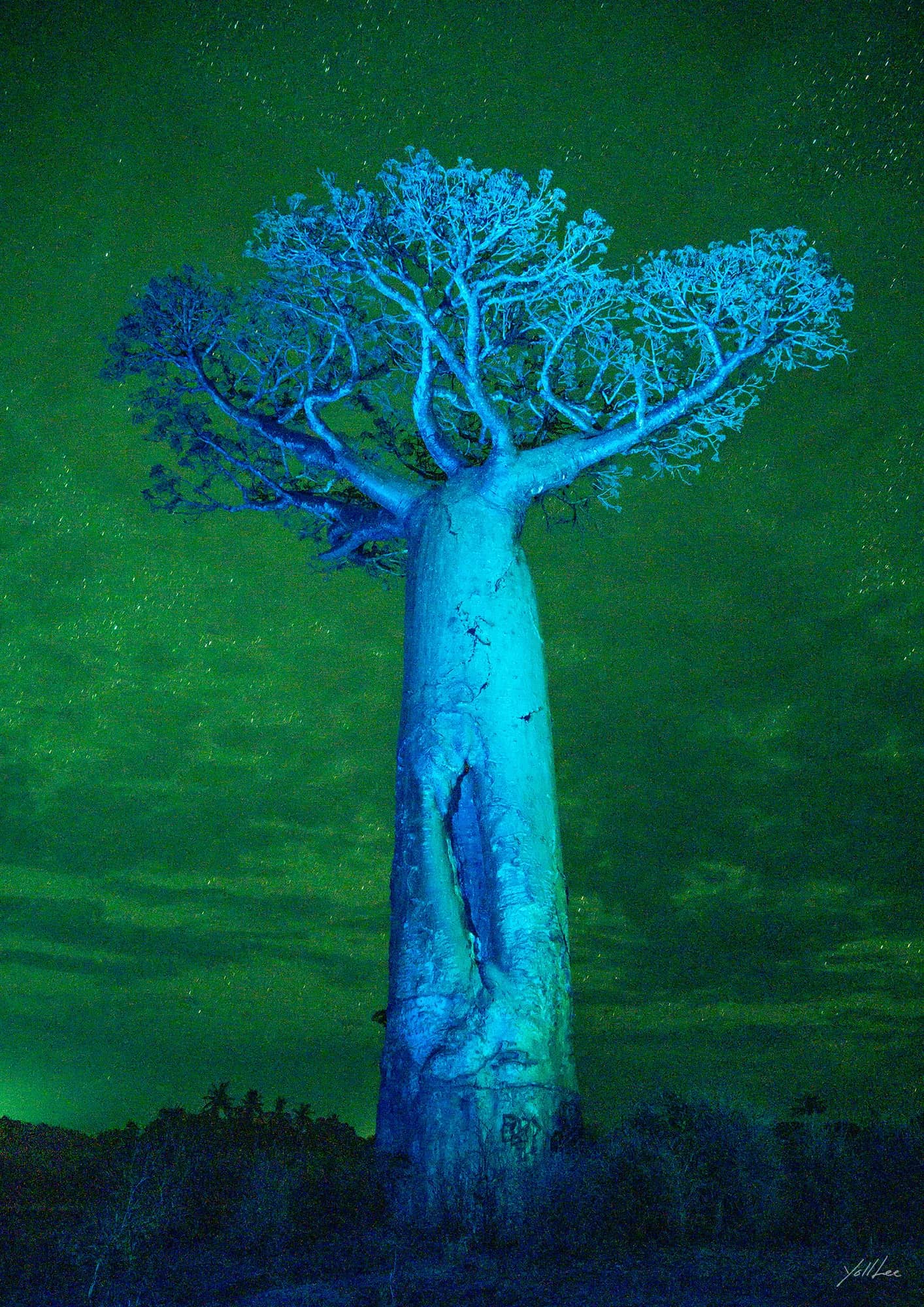
From the “Blue Tree” series of 2013, his subject widened into the trees of the world. The Himalayan rhododendron of Nepal (2017); the olive trees of Italy (2018); the baobabs of Madagascar (2020), which he titled The Tree the Gods Loved; the mangroves of Fiji (2023). Each is a tree carrying the weather, the soil, and the long time of its own region.
In Korea his attention settled on the sacred trees of the islands — the sinmok, the village guardian trees in which a community has, over generations, gathered its memory and its faith: “Jeju Sinmok” (2021), “Sinan Sinmok” (2022), “Tongyeong Sinmok” (2023), “Namhae Sinmok” (2024). Photographed at night under his light, an ordinary old tree becomes again what the village always held it to be — a presence, not only a plant. The history of a place is read through the tree that has stood at its center.
3Saving trees, dreaming a forest — from the embankment to "The Slow Human"
For Yoll Lee, photographing trees and protecting them belong to the same work. In 2013 he led the “Yangjaecheon Embankment Tree-Saving Movement” and carried it to success — keeping standing the very kind of tree he photographs. From this practice grew a larger dream: a Forest of Art, a place where nature and art live together, which he now pursues as chairperson of the Forest of Art Social Cooperative.
That same patience appears in his books. In 2025 he published the photo essay The Slow Human (Geulhangari), of which he is both writer and photographer; the work was selected for the 14th Green Literature Award. The title names a stance as much as a subject — a way of moving at the speed of trees and weather rather than of cities. Across two decades of teaching, of gallery direction, of photographing the heroes of MERS and the poets of the secular city, the trees have remained his steady center: a record kept, and a light added.
From the blue trees of 2013 to the sacred island trees and the slow human of today, Yoll Lee has built a body of work that finds trees by day and awakens them by night — a record kept, and a feeling laid over it in light. He joins this campaign not as a subject of its cause but as a fellow artist in solidarity — so that those who come after might keep working, the way a tree keeps standing.
Selected Works
16 works are featured here.
Yoll Lee joined this campaign in solidarity with fellow artists. Every work sold flows directly into the artists' mutual-aid loan fund— a purchase becomes the next month's lifeline for an artist navigating financial exclusion today.