Carving
the Block
A blade on wood. A press on paper. An old tale.Kim Jong-hwan works between the printmaking studio and the picture book.
The hand that carves —
prints and old tales
Kim Jong-hwan studied printmaking at university and has built his practice around the physical labour of the medium — carving the block, inking the surface, pressing the image onto paper. Today he runs his own printmaking studio, 〈Panhwabang〉, where the craft is kept as a daily discipline rather than an occasional gesture.
He is a member of the Korea Contemporary Printmakers Association and the Hongik Printmakers Association, and previously taught at Kaywon University of Art & Design and the affiliated Kaywon School of Arts. His work moves across the printmaking disciplines — including silkscreen, the medium of the EBS-sponsored workshops he led in 2024.
Alongside the studio practice runs a second body of work that has reached far more readers than any gallery could: picture-book illustration. He has illustrated retellings of Korean and East Asian tales — Banjjogi (반쪽이), The Goblins' Wrestling Feast(도깨비 씨름 잔치), Hong Gil-dong (홍길동), Han Feizi(한비자), The +−×÷ Magic Show (+-*/마술쇼), Joseon's Dream Held in Hanyang (한양에 담긴 조선의 꿈), and The Golden Dragon and the Rainbow (황금용과 무지개), among others — as well as numerous illustrations for monthly magazines.
Between these two practices lies a single sensibility: the warmth of the carved line. The same hand that cuts a printing block cuts the figures of an old tale — Banjjogi, Hong Gil-dong, a goblin at a wrestling match. Labour and story, blade and paper, held together in one craft.
In 2017 he published a guide to the medium, Everyday Printmaking — It's Okay Even If It's Your First Time (매일판화 처음이어도 괜찮아, The Difference), and in 2003 released a print collection of his own work — extending, in book form, the patient teaching that his studio carries on in person.
Major themes
- 1
The materiality of carving
Blade on wood, ink on surface, press on paper — the print as a record of the hand at work.
- 2
Old tales and picture books
Banjjogi, Hong Gil-dong, a wrestling goblin — folk tales carried into children’s books by the same carving hand.
- 3
The studio as discipline
Running 〈Panhwabang〉 and teaching the medium — printmaking kept as a daily, shared practice.
The artist's path
- 2003Publishes a print collection of his own work (김종환 판화집).
- 2004First solo print exhibition 〈Memory of the King〉, Mac Gallery, Cheongdam, Seoul. Receives the "Lee Sang-uk Prize" at the Korea Contemporary Print Competition.
- 2005Grand Prize in the print category, Danwon Art Competition; Excellence Prize in the print category, Haengju Art Competition.
- 2006Solo exhibition 〈Metamorphosis Episode〉, Alternative Space Loop, Seoul.
- 2007Participates in the Seoul Art Exhibition — Printmaking, Seoul Museum of Art.
- 2017Publishes the guidebook 《Everyday Printmaking — It’s Okay Even If It’s Your First Time》 (The Difference).
- 2018Third solo exhibition 〈Right and Wrong〉, Moon Fragment Gallery, Seoul.
- 2021–Group exhibitions 〈Post-Print 2021〉 (Kim Hee-soo Art Center), 〈Meta-Print 2022〉 (Hongik Museum of Contemporary Art), and the Hongik Printmakers Exhibition (Total Museum, 2023).
- 2024Leads three EBS-sponsored silkscreen workshops; continues running the printmaking studio 〈Panhwabang〉.
Selected exhibitions & collections
- Solo exhibitions: 〈Memory of the King〉, Mac Gallery (2004); 〈Metamorphosis Episode〉, Alternative Space Loop (2006); 〈Right and Wrong〉, Moon Fragment Gallery (2018)
- Group exhibitions: 〈Post-Print 2021〉 (Kim Hee-soo Art Center); 〈Meta-Print 2022〉, Korea Contemporary Printmakers Association (Hongik Museum of Contemporary Art); Hongik Printmakers Exhibition (Total Museum, 2023); 2018 60 Years of Korean Contemporary Printmaking — Making Prints (Gyeonggi Museum of Modern Art); Korea–China Print Exchange (Lu Xun Academy, China)
- Collections: Daelim Warehouse Gallery; Art Space Hue; Ansan Migrant Workers Support Center
- Awards: "Lee Sang-uk Prize", Korea Contemporary Print Competition (2004); Grand Prize, print category, Danwon Art Competition (2005); Excellence Prize, print category, Haengju Art Competition
✦ Books illustrated
Banjjogi (반쪽이), The Goblins’ Wrestling Feast (도깨비 씨름 잔치), Hong Gil-dong (홍길동), Han Feizi (한비자), The +−×÷ Magic Show (+-*/마술쇼), Joseon’s Dream Held in Hanyang (한양에 담긴 조선의 꿈), The Golden Dragon and the Rainbow (황금용과 무지개), and others — plus numerous monthly-magazine illustrations.
Three essays —
on the block, the tale, and the studio
1The materiality of the cut — why printmaking
Kim Jong-hwan studied printmaking at university, and the choice of medium has shaped everything that followed. A print is not painted but made: a matrix is carved or prepared, ink is applied, and the image is pressed onto paper under pressure. Each step is a physical act, a negotiation between hand and material — and it is this labour, rather than any single subject, that sits at the centre of his practice.
His work moves across the disciplines of the medium. The silkscreen workshops he led in 2024, sponsored by EBS, point to a printmaker fluent in more than one technique — and willing to teach it. For Kim, the value of the print lies partly in its reproducibility and partly in its directness: the carved line carries the trace of the tool that made it.
His early solo exhibitions — 〈Memory of the King〉 (2004), 〈Metamorphosis Episode〉 (2006) — and the awards that accompanied them (the Lee Sang-uk Prize, the Danwon Grand Prize in printmaking) mark a practitioner committed to the print as a serious, sustained discipline rather than a reproductive afterthought.
2Old tales — the illustrator’s second practice
Running parallel to the studio is a body of work that has reached many more readers than any exhibition: picture-book illustration. Kim has drawn the figures of Korean and East Asian folk tales — Banjjogi (반쪽이), The Goblins' Wrestling Feast (도깨비 씨름 잔치), Hong Gil-dong (홍길동), Han Feizi(한비자) — bringing the carving hand into the world of children's books.
The continuity between the two practices is the point. The same attention that shapes a printing block shapes a goblin at a wrestling match or the split figure of Banjjogi. His illustrated titles range across registers — from the playful arithmetic of The +−×÷ Magic Show (+-*/마술쇼) to historical retellings like Joseon's Dream Held in Hanyang(한양에 담긴 조선의 꿈) and The Golden Dragon and the Rainbow(황금용과 무지개) — alongside numerous monthly-magazine illustrations.
This is the warm side of the carved line. Where the studio is discipline, the picture book is story; and in Kim's hands the two are made from the same gesture — looking carefully enough at a figure, an old tale, a moment, that it becomes worth committing to a printed page.
3〈Panhwabang〉 — the studio as a way of working
Kim Jong-hwan runs his own printmaking studio, 〈Panhwabang〉. The name — literally “the print room” — describes both a place and a way of working: a space where the equipment, the blocks, and the patient repetition of the medium are kept available, day after day.
Teaching has been part of that life. A member of the Korea Contemporary Printmakers Association and the Hongik Printmakers Association, Kim previously taught at Kaywon University of Art & Design and the affiliated Kaywon School of Arts, and in 2024 led three silkscreen workshops sponsored by EBS. His 2017 guidebook, Everyday Printmaking — It's Okay Even If It's Your First Time, extends the studio's spirit onto the page: printmaking framed not as a rarefied skill but as a daily practice open to anyone willing to begin.
His works have entered collections including the Daelim Warehouse Gallery, Art Space Hue, and the Ansan Migrant Workers Support Center — the last a reminder that, for Kim, the print remains a medium close to ordinary life and shared labour. The studio is not a retreat from the world but a place where the craft is kept open to it.
From the printing block to the picture book, Kim Jong-hwan has pursued a single craft in two directions: the discipline of the studio and the warmth of an old tale, held together by the same carving hand. He joins this campaign not as a subject of its cause but as a fellow artist in solidarity — so that those who come after might keep working, block by block, page by page.
Selected Works
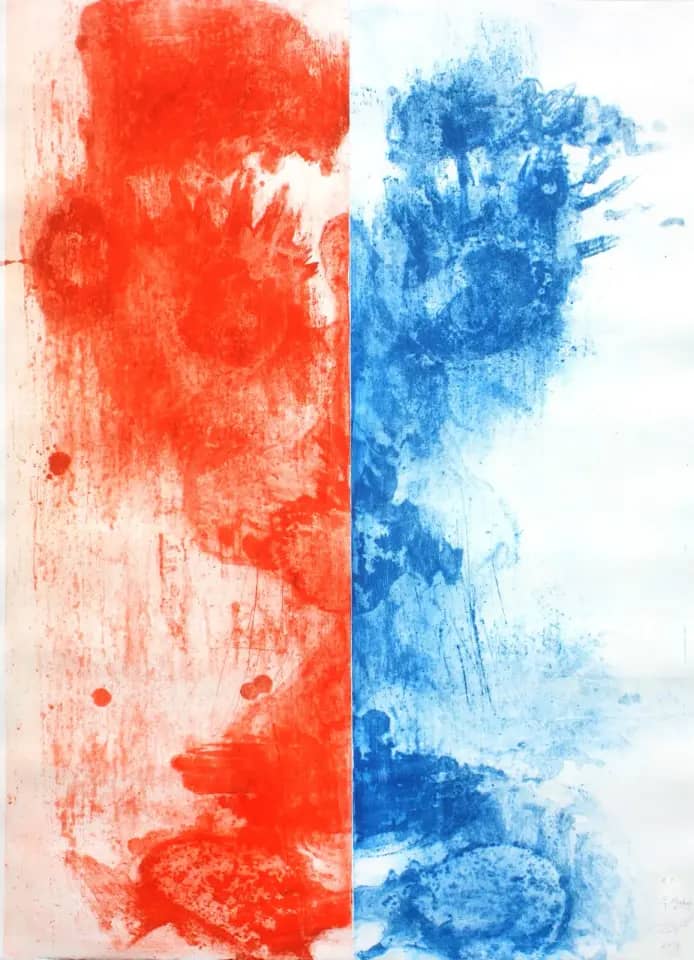
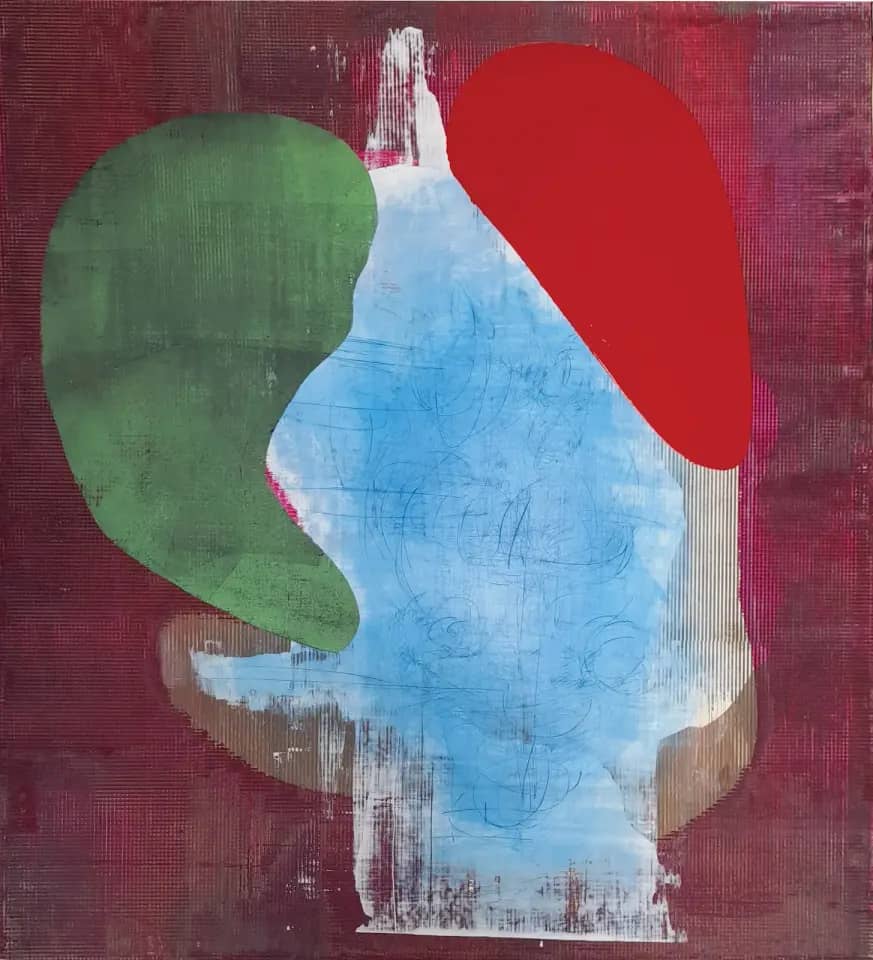
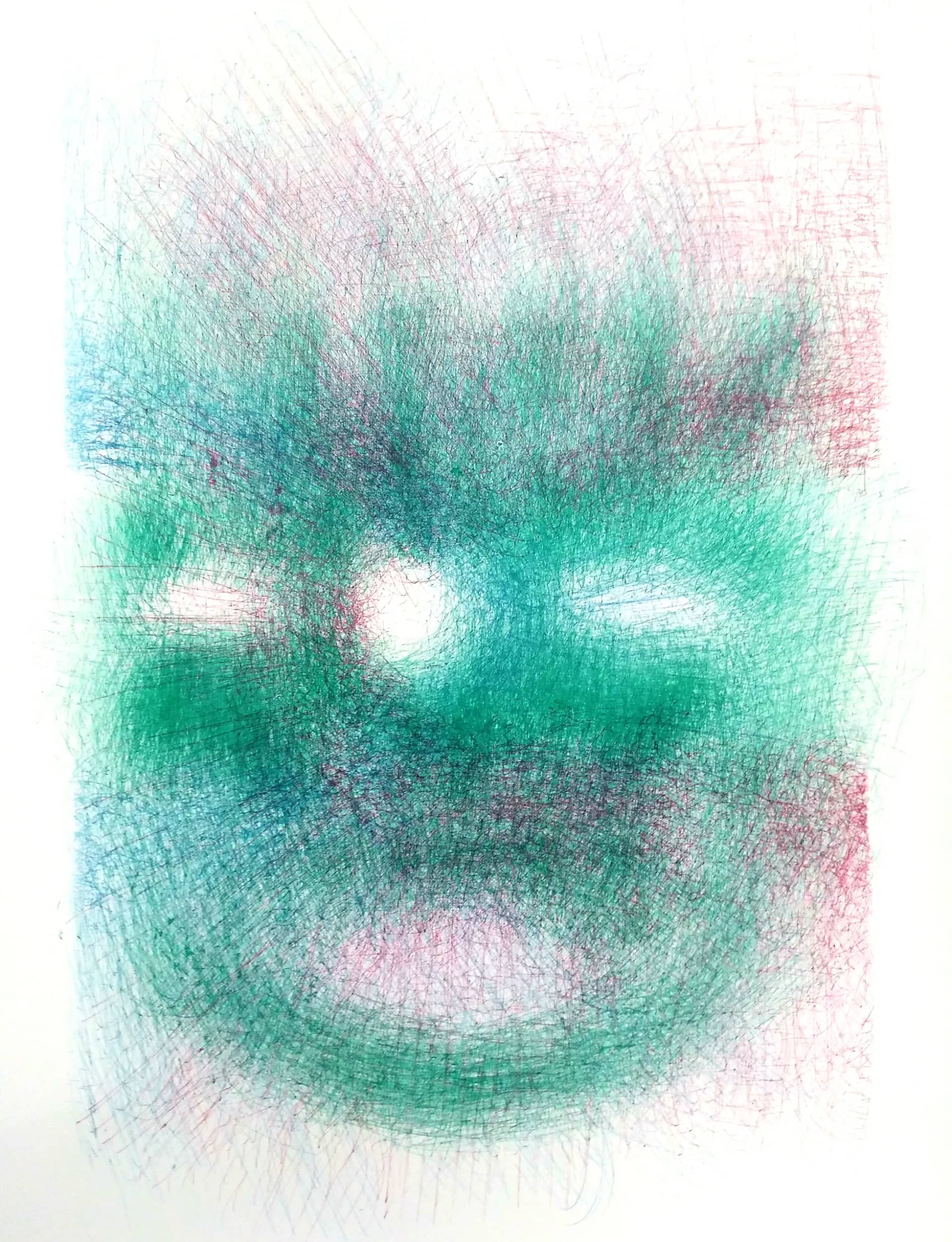
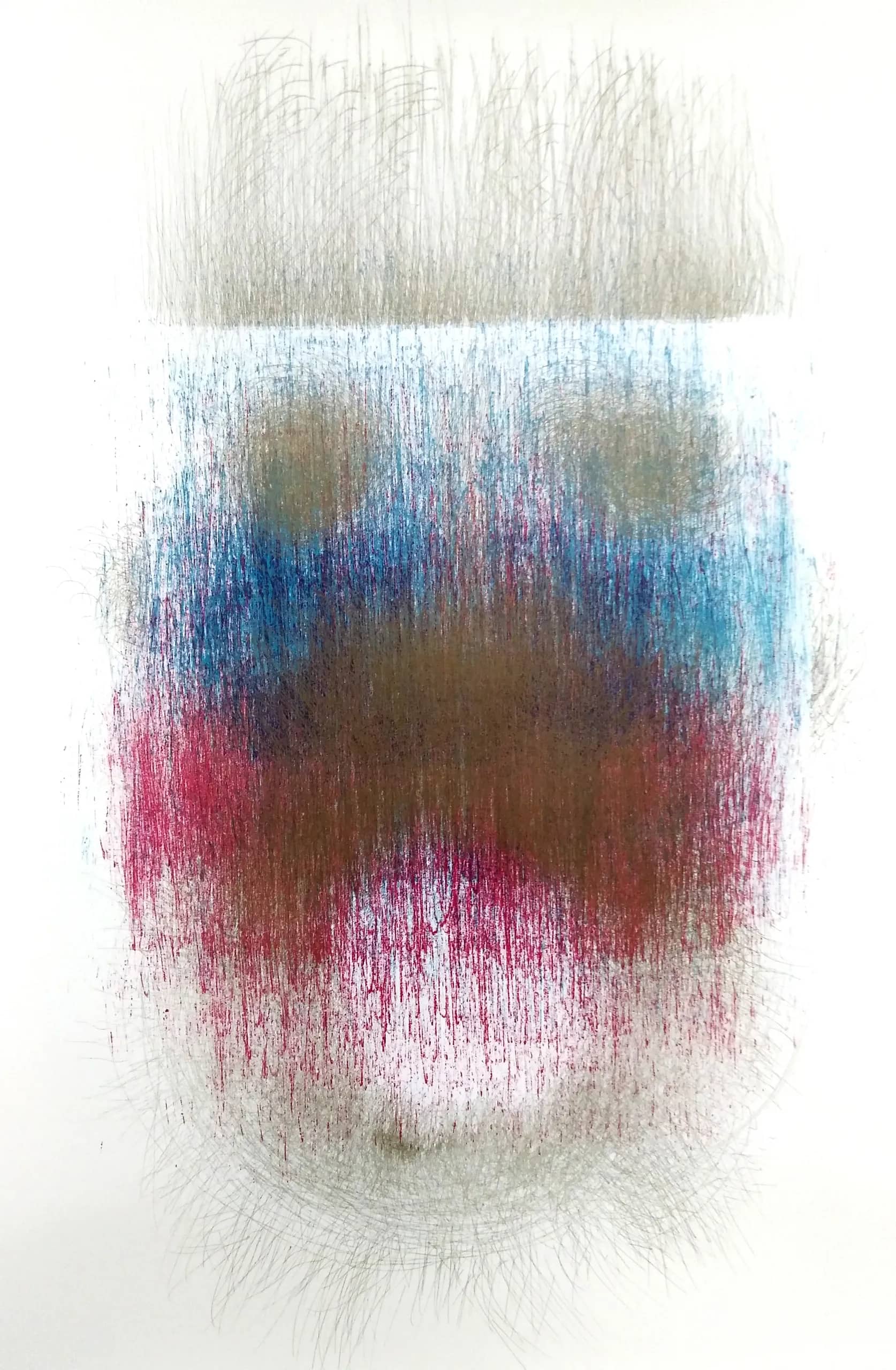
5 works are featured here.
Kim Jong-hwan joined this campaign in solidarity with fellow artists. Every work sold flows directly into the artists' mutual-aid loan fund— a purchase becomes the next month's lifeline for an artist navigating financial exclusion today.