Price
₩5,000,000
Art protects art
8 out of 10
artists are shut out by banks
354
loans extended to fellow artists
95%
repayment rate — trust comes full circle
~KRW 140M
interest saved vs. predatory rates
Until the next exhibition, the next performance. For artists, income gaps are an unavoidable reality. For fellow artists forced into predatory loans just to afford paint, canvas, and studio rent, proceeds from this artwork become the Seed Fund — extending a fair hand at fair rates.
Voices of fellow artists
“The memory of going hungry for three days, alone, so my children wouldn't know.”
— 50s, theater artist
“I've been putting off urgent dental treatment because I can't afford it. I should be seeing a doctor regularly, but enduring instead of going has become a habit.”
— 50s, actor
“I kept delaying ear treatment because I had no money, and the symptoms in both ears worsened.”
— 30s, musician
“I couldn't pay my hospitalized mother's bills, so we had to delay her discharge, and she had to give up tests and treatment she needed.”
— 50s, actor/broadcaster
“Because of money troubles I had nowhere to go — drifting between gosiwon rooms and rehearsal studios, and for a while sleeping rough.”
— 30s, musician
“Because of unpaid rent, my collective was forced to vacate our shared workspace and home. Neither bank loans nor artist loans could help.”
— 50s, actor
“Without money, life collapses — and creating art? Out of the question.”
— 50s, artist
“It's painful that solving this month's money problems has to come before the work itself. As an artist, I can only earn well when the work succeeds — yet I have to chase odd jobs every month instead. It feels like being trapped in a vicious cycle.”
— 40s, musician
“Debt collection calls disrupted my rehearsals and performances, and the psychological burden made every day painful and the next day frightening.”
— 40s, theater artist
“Many times the loan payments looming each month forced me to step away from performing and focus on part-time work.”
— 50s, actor
“Sleeping less than four hours a night, juggling part-time jobs and theater — but the more I performed, the more debt piled up. Eventually I decided to quit performing.”
— 30s, actor
“When things were hardest, I couldn't even attend close friends' weddings or funerals — and as a result, relationships were severed.”
— 50s, actor/broadcaster
“When I said I was a stage actor, the loan officer called me "unemployed."”
— 50s, actor
“The shame and severed friendships that came with borrowing from people I knew, the pressure of failing to pay it back, the helplessness.”
— 50s, cartoonist/visual artist
“Even with programs meant for low-income citizens, I feel shame when I can't produce enough documentation simply because I'm an artist.”
— 30s, film/broadcasting professional
One artwork becomes the oxygen that keeps a fellow artist creating.
Sales proceeds go to the artist mutual-aid fund.
Head Study - Head with a Parting 1
Kim Jonghwan
- Category
- Printmaking
- Material
- Mixed media
- Size
- 81.3×88.6cm · Size 30 · Medium How big is this? →
- Year
- 2024
- Price
- ₩5,000,000
- Availability
- For sale
About the Artist
Kim Jonghwan majored in printmaking at university and currently runs 'Panhwabang,' a printmaking studio. He is an active member of the Korean Contemporary Printmakers Association and the Hongik Printmakers Association. His illustrated books include Half-and-Half, Dokkaebi Wrestling Festival, Hong Gildong, Han Feizi, The +-x÷ Magic Show, Dreams of Joseon Captured in Hanyang, and The Golden Dragon and the Rainbow, and he has also created illustrations for various monthly magazines.
Artist Statement
statement
The familiar, or the unfamiliar......
I carried out a kindly, accommodating drawing, holding the form to the very end so as to give a little more help in grasping the existence of that thing.
My dissatisfaction with familiar form grew steadily, and when this was reproduced as it was on the surface, it felt extremely rough, even uncomfortable.
It was so back then, but is it not so now........
I have never simply thrown out things I had once used. Taking apart a broken printer, I found quite decent parts inside.
A few motors and gears, metal rods, strange components, used-up nails, used-up ballpoint pens, the now-old
CDs, the legs of the children's desks, and so on....... Within them, parts that had each had their own function are recombined and produce an entirely new
function as a result, or become the underdrawing for somewhat classical, labor-intensive images that are reborn as printmaking.
The tools used in making the work are not made from new materials but are aggregates of things already made.
The tools, rather than letting me control everything, generate unexpected images and motions that are hard to keep in check.
Focusing on this slightly complicated, ridiculous process can be seen as having begun from my dissatisfaction with the form-and-color (形彩) I had tried to show in my earlier work.
Like the absurdity of a reality where one has no choice but to dress up and disguise oneself ever more in order to grow stronger, I repeated the act of arming myself with images that felt unfamiliar to me and confining myself within them. I wanted to escape that frame, and now I wanted to be free, at least on the surface, in less accommodating, less specific forms.
The common feature of the tools I currently use is multiple. This is the meaning shared between the tool's mode of expression and the concept of edition in printmaking.
It also carries a meaning of recycling. Through these familiar-and-yet-unfamiliar tools, the image is born as a face — a familiar enough image — by way of printmaking, the medium familiar to me, and drawing, but even that image is unfamiliar. In the sense that it is an experimental image and method, I attach the word "head study (頭像研究)" before the subtitle of the work.
For years I have drawn, cut up, and printed faces as my subject. Rather than being shown as a still scene, it was an attempt at a flow that wanted to shake something within the viewer. That something would be emotion, and beyond that, empathy.
The strangeness derived from the unfamiliar — or from the familiar — comes as a question when one first sees my work, but soon a shift of feeling occurs; I pursue a kind of "emotional transference (轉移)." To maximize this intention, I use the image of the face (head).
The energy that flows from the face is influenced by the energies present in all directions, and through visual exchange is transmitted back to the viewer.
Carving a rubber plate (linoleum block), cutting the plate spontaneously, putting ink on it and printing — the act resembles earlier processes of printmaking, but I work in a form (monotype) that abandons the edition concept of printmaking and takes only a single sheet. Within the larger frame of the face (head), I roll color onto plates (Layers) of various shapes and sizes and print them.
Memory and history are mixed of truth and falsehood. Fragments that symbolize memory yield different results depending on how they are arranged. Even when going through the same event, what is remembered differs from person to person, and the parts one wishes to remember begin from a foundation of self-interest or selfishness — and I am expressing this through the work. I want to live with an attitude of recalling true memory and reflecting upon it. When I summon a memory bit by bit, those fragments are rearranged, and that memory calls up another memory.
More than the things done well, it is the things done wrong or the painful memories that come to mind.
In order to recall, to reflect, and to live well from here on, I make my effort again today.
Key Career Highlights
Related materials
Google Books · Original Korean article
This article text is currently available in Korean. Open the source to read the original version.
Korean media · Original Korean article
This article text is currently available in Korean. Open the source to read the original version.
Korean media · Original Korean article
This article text is currently available in Korean. Open the source to read the original version.
Magazine

Korean Contemporary Printmaking — Five Lineages at SAF
Contemporary Korean printmaking, read through five artists at SAF 2026 — from Lee Cheolsu's woodblock Zen to Kim Jonghwan's broken-printer sculptures.
Apr 20, 2026 · Seed Art Festival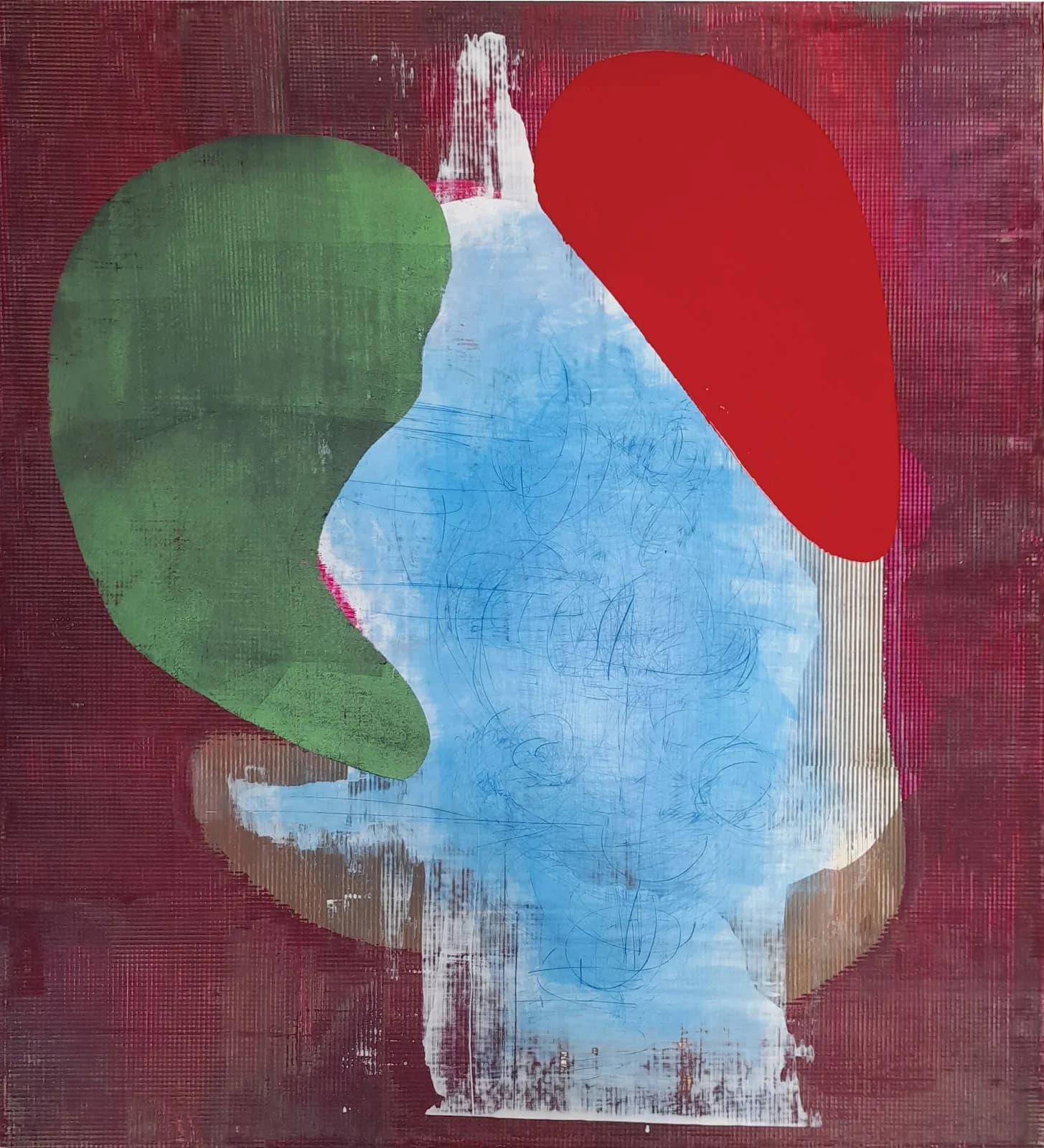
From a Broken Printer to a Head Being Born: Kim Jonghwan's Print Room
Kim Jonghwan makes heads from broken printer parts — motors, gears, leftover pens. A printmaker running *Panhwabang*; picture books, etching, lithography.
Apr 20, 2026 · Seed Art Festival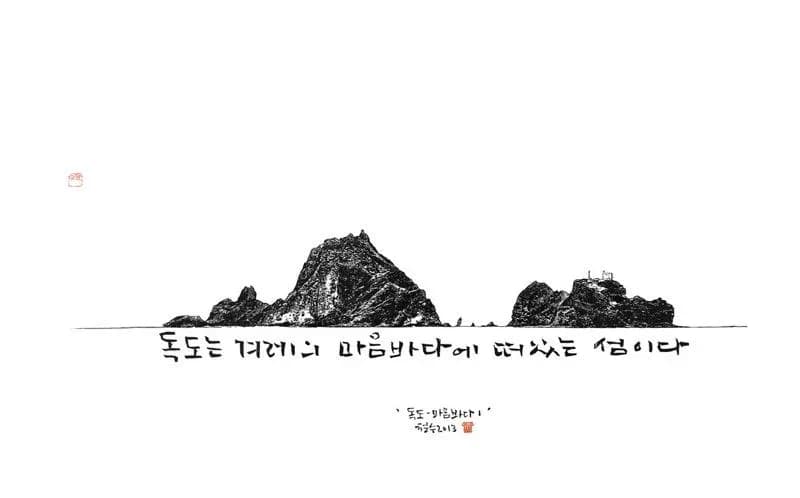
Why an Original Costs 10x More Than a Print by the Same Artist
Why does a print cost $300 while the original by the same artist costs $3,000? Three forces explain it: supply, scarcity, and signature premium.
May 3, 2026 · Seed Art FestivalOther works by Kim Jonghwan
View All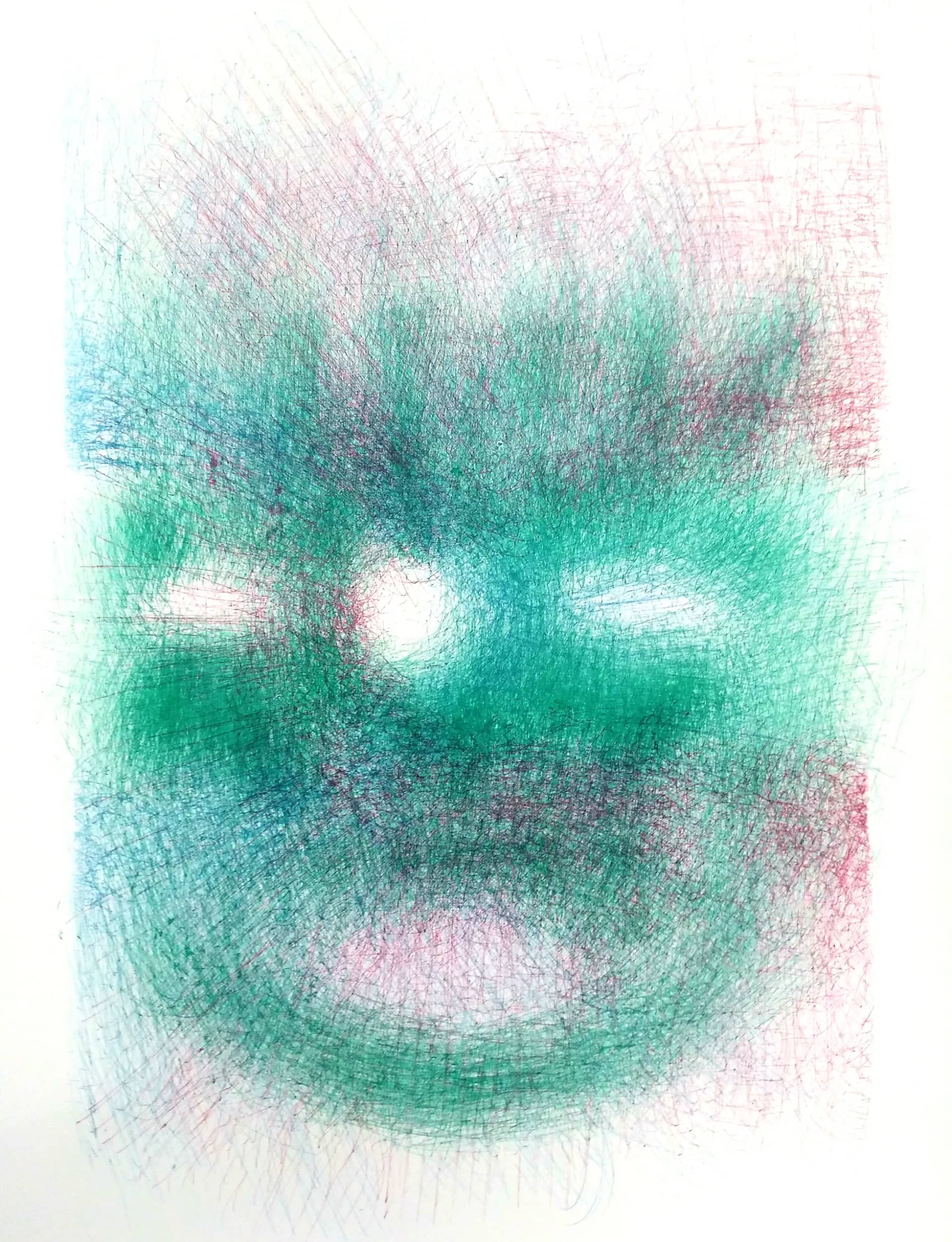
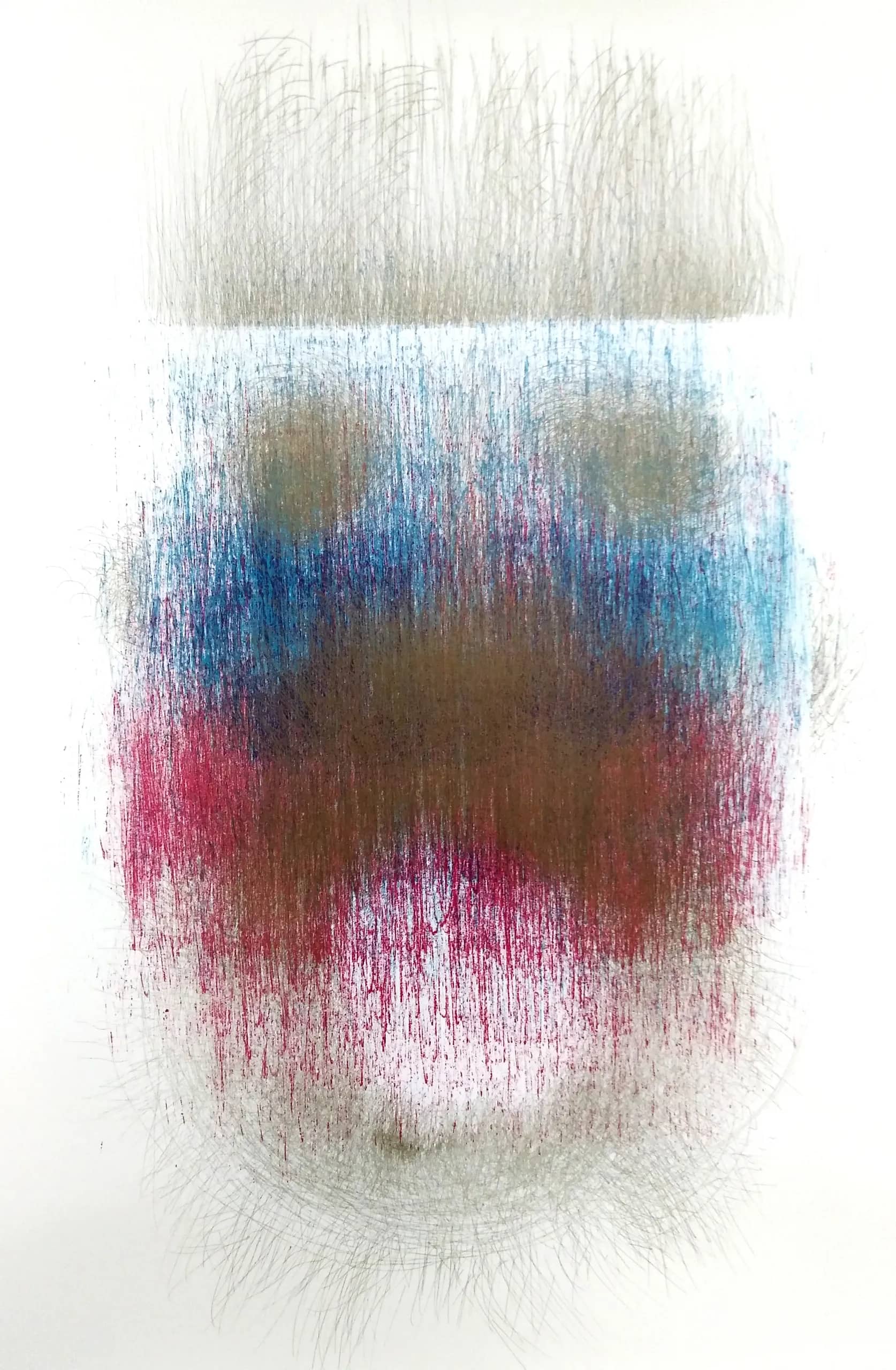
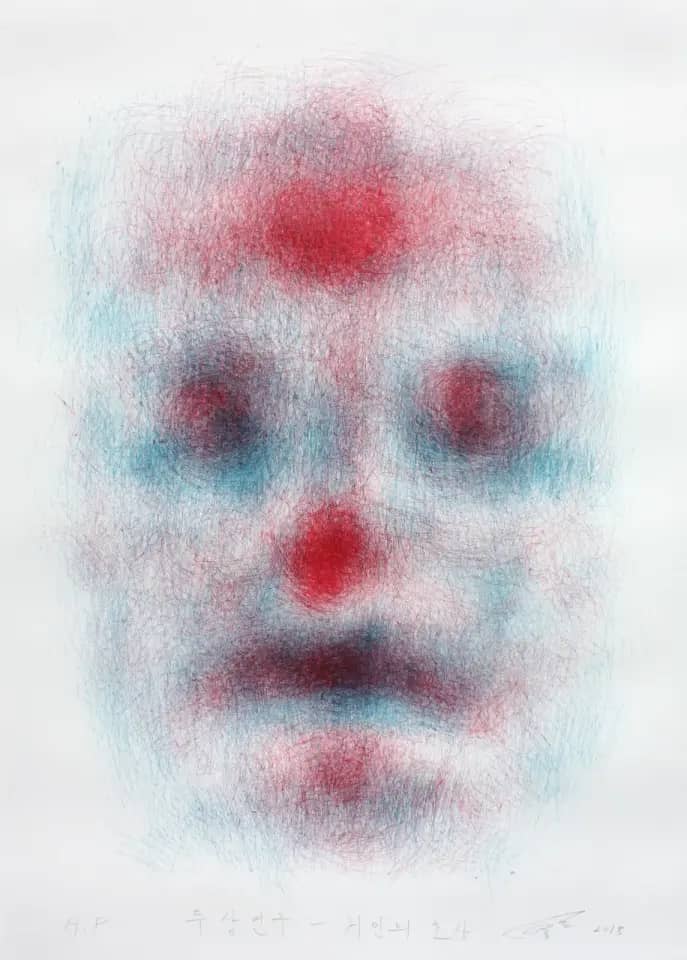
More Printmaking Artworks
View all Printmaking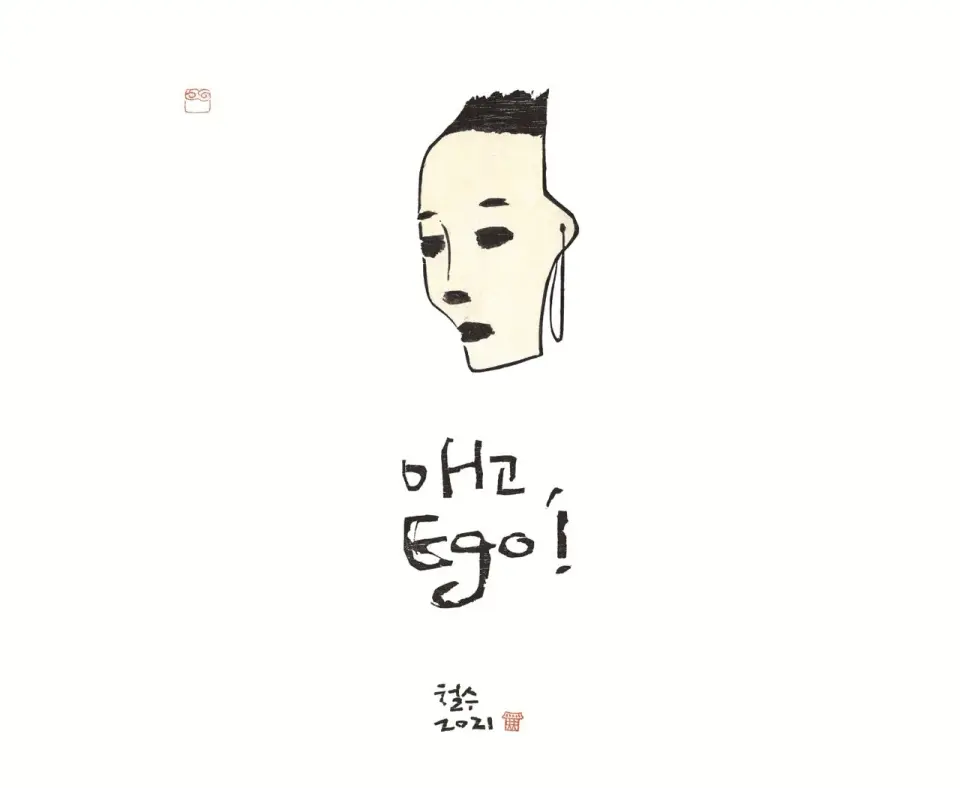
Ego
Lee Cheolsu
₩1,200,000
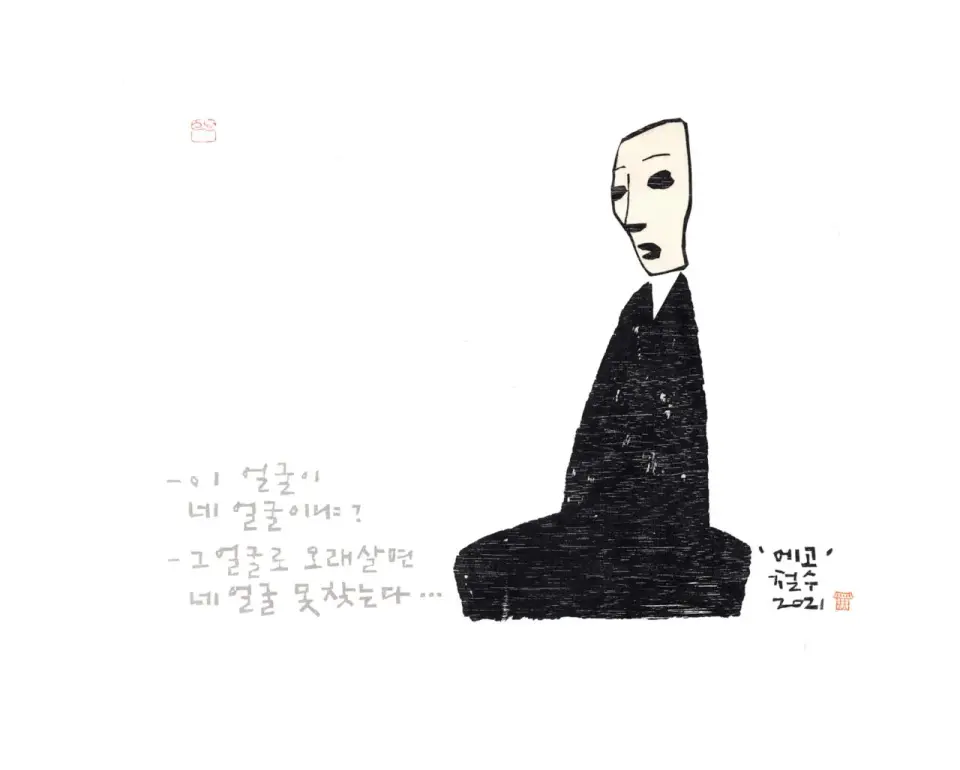
Ego, Is This Face Really Yours?
Lee Cheolsu
₩1,200,000
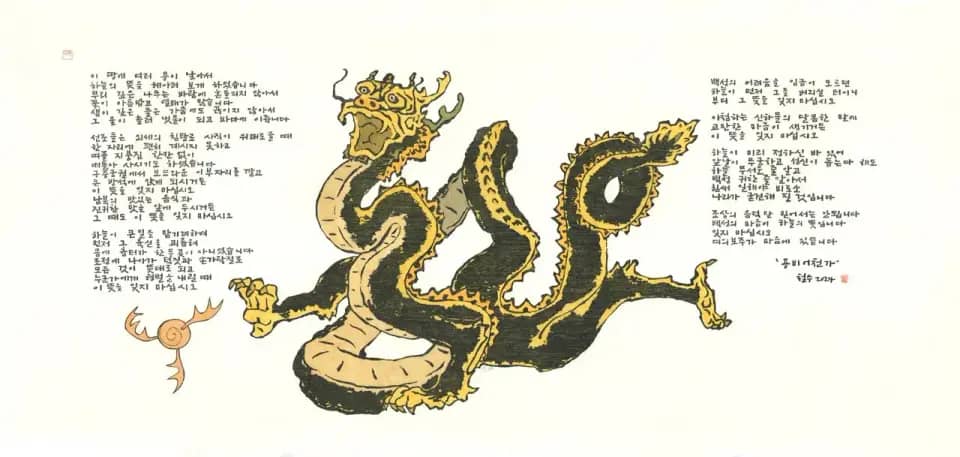
Songs of the Dragons Flying to Heaven
Lee Cheolsu
₩4,000,000
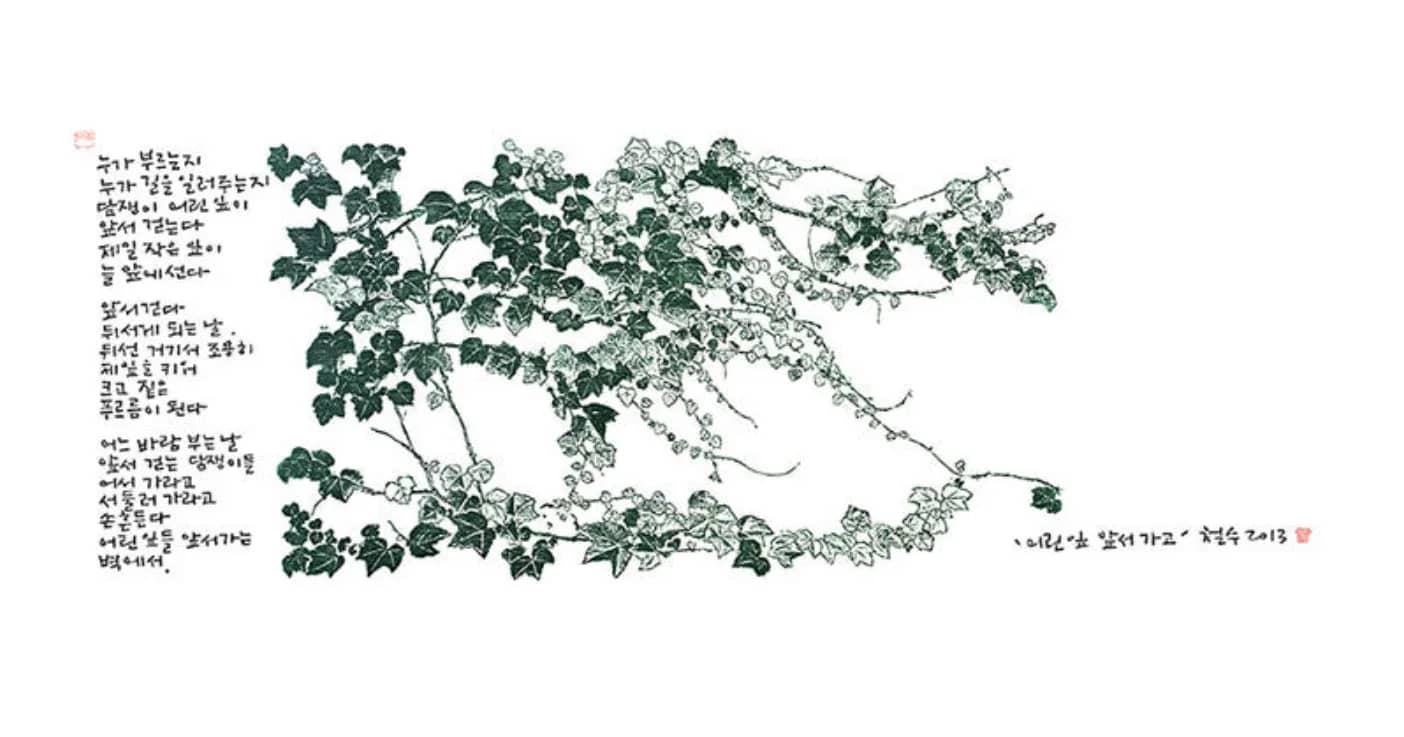
어린잎 앞서가고
Lee Cheolsu
₩2,700,000
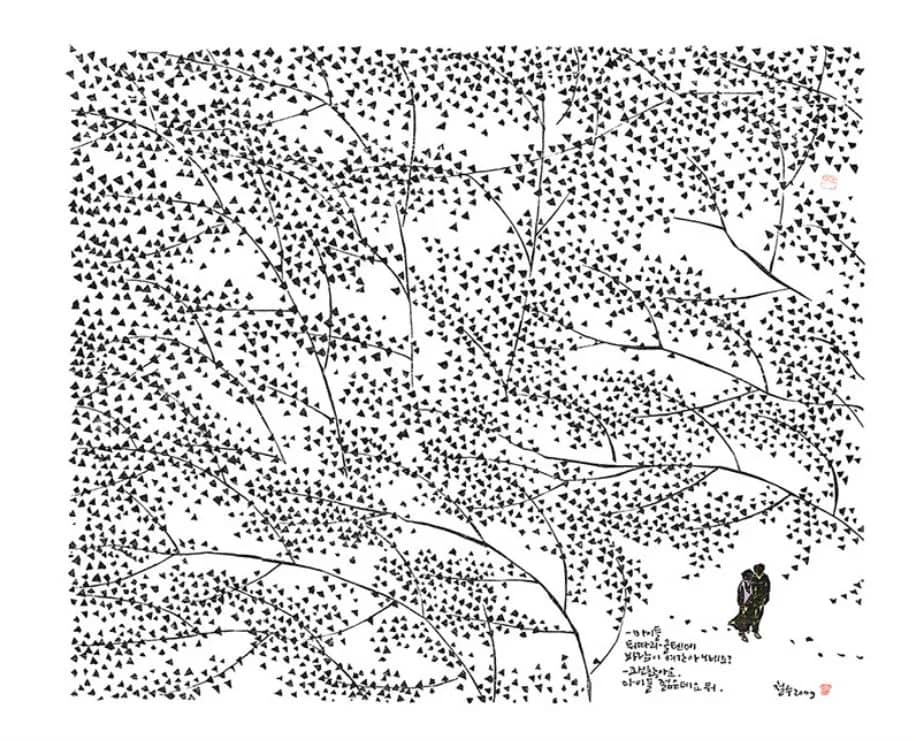
아이들 뒤따라 올텐데
Lee Cheolsu
₩2,500,000
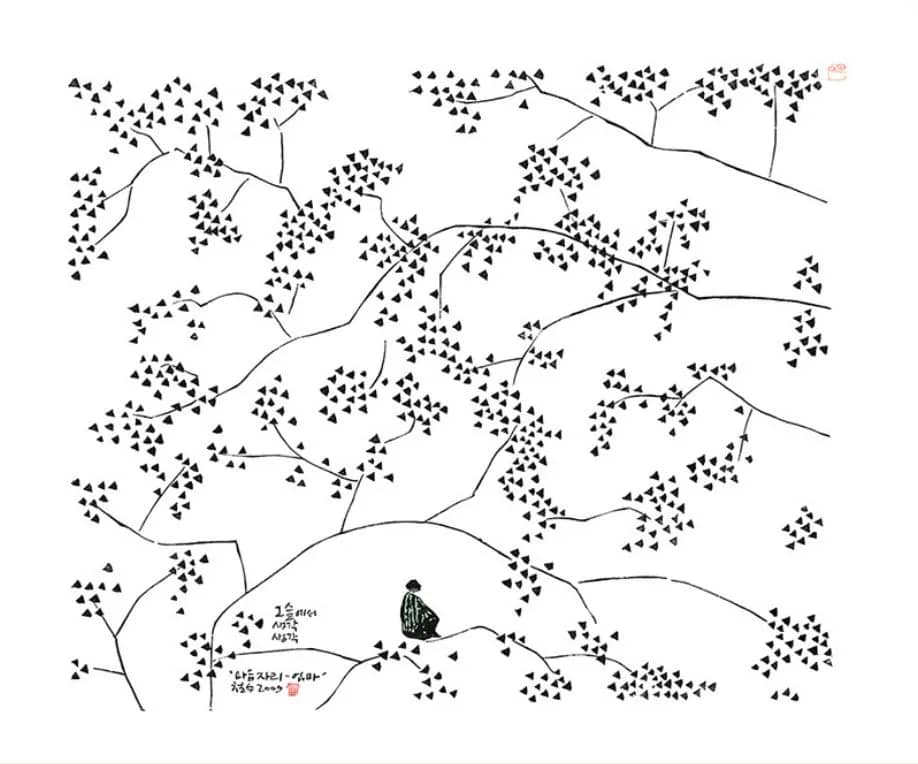
마음자리-엄마
Lee Cheolsu
₩1,700,000
Two beginnings made by one piece
- For you —
- One of a limited edition
- For the artist —
- the pride of standing with a peer
- For a fellow artist —
- a new ₩3,000,000 path of low-interest support
354 artists have walked this path of recovery; 95% returned to open it for the next.