OH YOON 40th Anniversary Special Exhibition
GOUGE to IMPRINT:
1946—1986, Traces of Oh Yoon
오윤 판화전 · 吳潤 版畵展
All 187 woodcuts Oh Yoon carved, together for the first and last time.
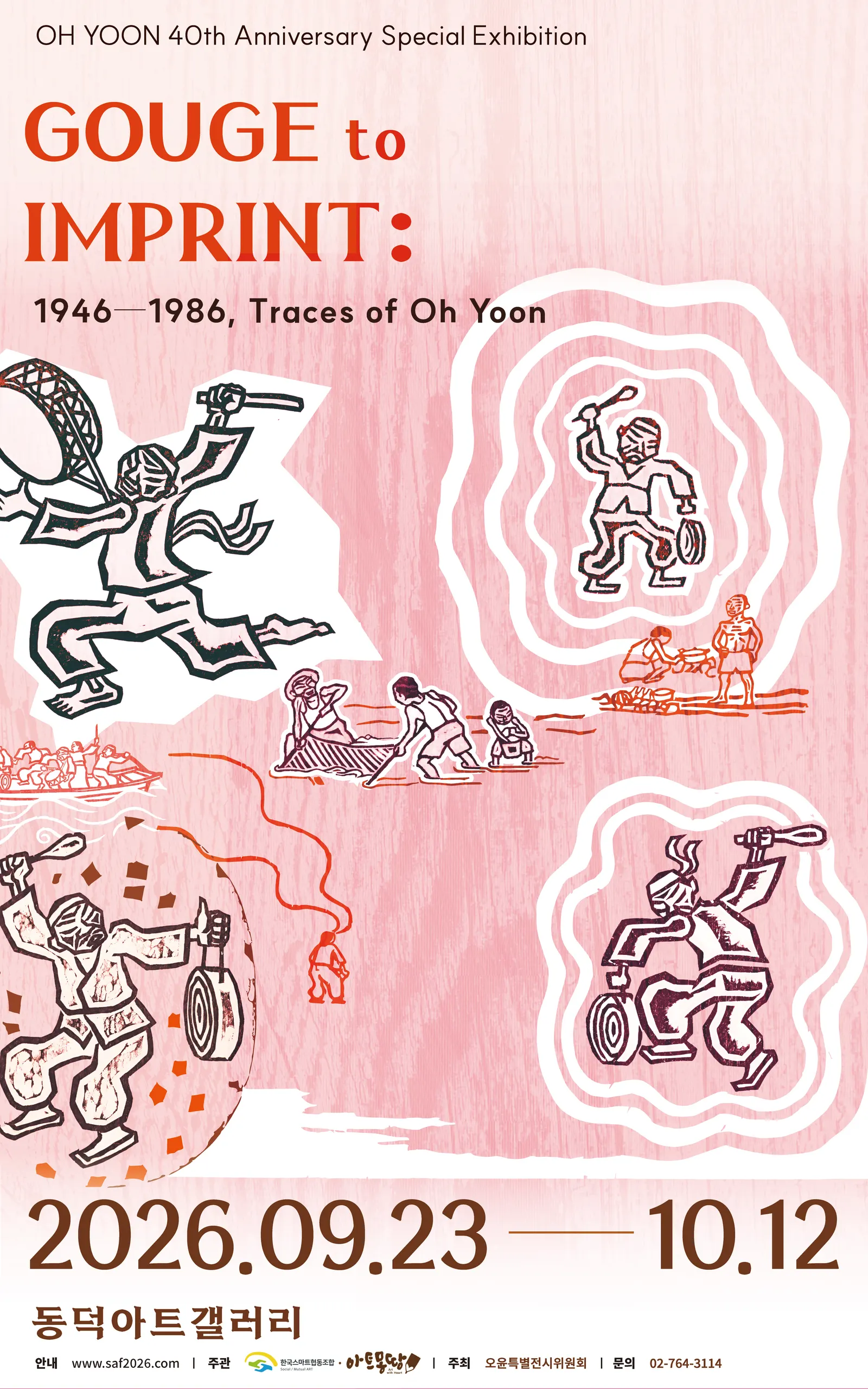
- Dates
- September 23, 2026 – October 12, 2026
- Venue
- Dongduk Art Gallery
At a glance
- Dates
- September 23, 2026 – October 12, 2026
- Hours
- 10:00–18:00 · Closed Sep 25–26 for the Chuseok holiday
- Venue
- Dongduk Art Gallery
- Address
- B1, Dongduk Building, 68 Ujeongguk-ro, Jongno-gu, Seoul
- Admission
- Regular ₩12,000 · Discount ₩6,000 · Preschool free
- Scale
- All 187 prints Oh Yoon carved · 8 chapters
- Organizer
- Korea Smart Cooperative
- Tickets
- Online booking or at the door
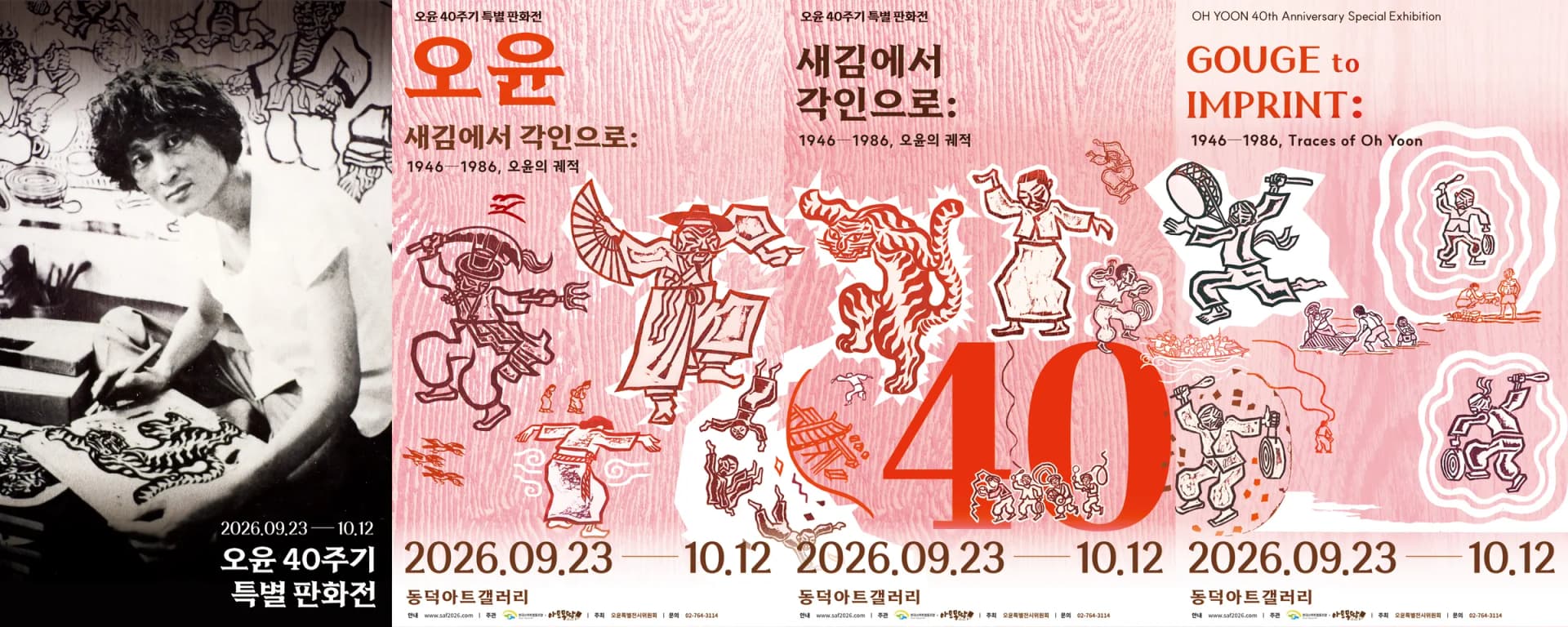
Official Posters
Four Posters
The four official posters for this exhibition — from the black-and-white studio photograph to the English edition.
1946 — 1986
Who Was Oh Yoon
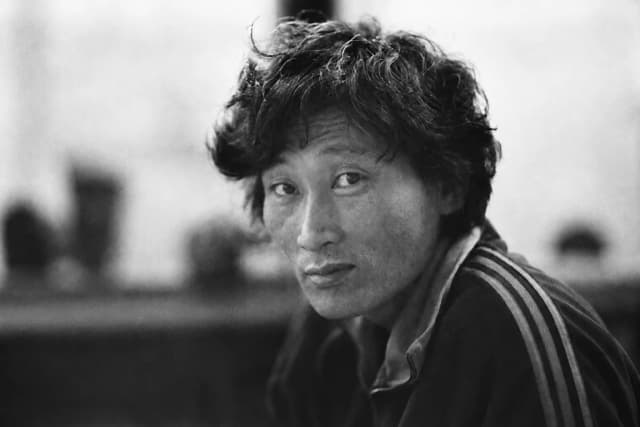
He was born in 1946 in Dongnae, Busan. His father was the novelist Oh Young-su, author of *The Seaside Village*; his mother’s family carried on the Dongnae crane dance. His grandfather Kim Ki-jo was a renowned dancer, and his uncle Kim Hee-young held the designation for the Dongnae crane dance.
The boy who grew up surrounded by literature and dance entered the sculpture department of Seoul National University’s College of Fine Arts. His first step was blocked. In 1969 he founded the Hyeonsil group with Kim Chi-ha and others and declared a realist art movement, but the university and the security authorities stopped the exhibition before it opened.
1970 — 1980
Ten Years of Silence
After graduating in 1970, Oh Yoon went to a factory rather than a studio. At brick kilns in Gyeongju and Ilsan he worked the clay, learning techniques handed down since the Silla era. Those years of shaping earth and cutting stone became his formal language.
For ten years he published no work — a long dormancy that lasted until the founding exhibition of Reality and Utterance in 1980. Of that time he said:
How art recovers the function of language — that was my long-standing task

A Choice
Why Printmaking
For Oh Yoon, printmaking was not a technique but a philosophy.
Instead of a single unique work he chose the print, pulled as many times as needed. Each impression widened a path of communication. Art, he held, must not belong to the few.
There was no print market then, and prints were not thought of as commodities. Oh Yoon’s works carry no edition numbers. Rather than raise scarcity by numbering them, he wanted to pull more and give away more. His colleagues remember him laughing over the press: "This is cultural guerrilla warfare."
Art must be shared by many
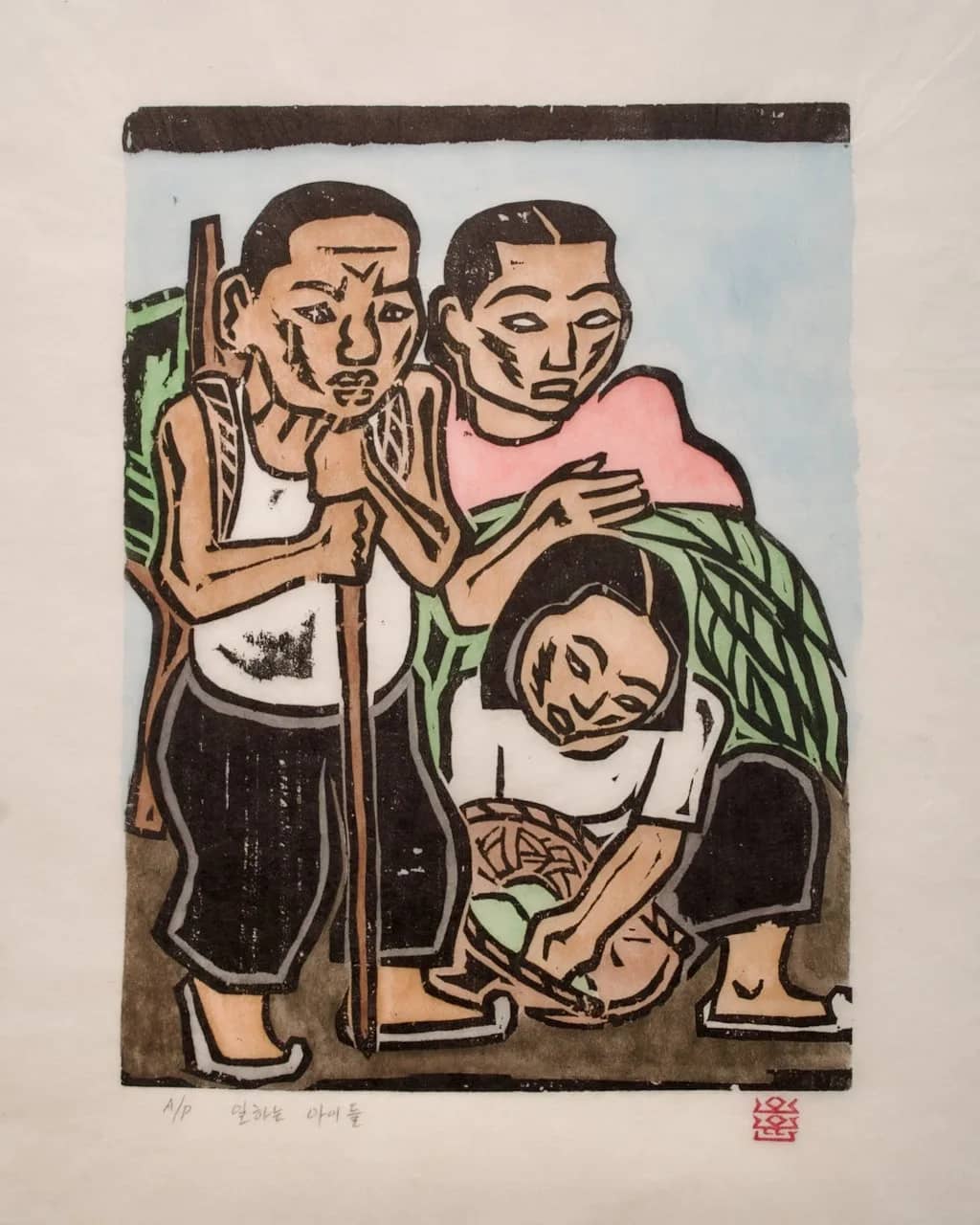
The place he stood was not the museum. In 1978 his print became the cover of *Working Children*, edited by Lee O-deok. It was on poetry covers, on leaflets at labour sites, on posters in the street.
The People in the Prints
What He Carved
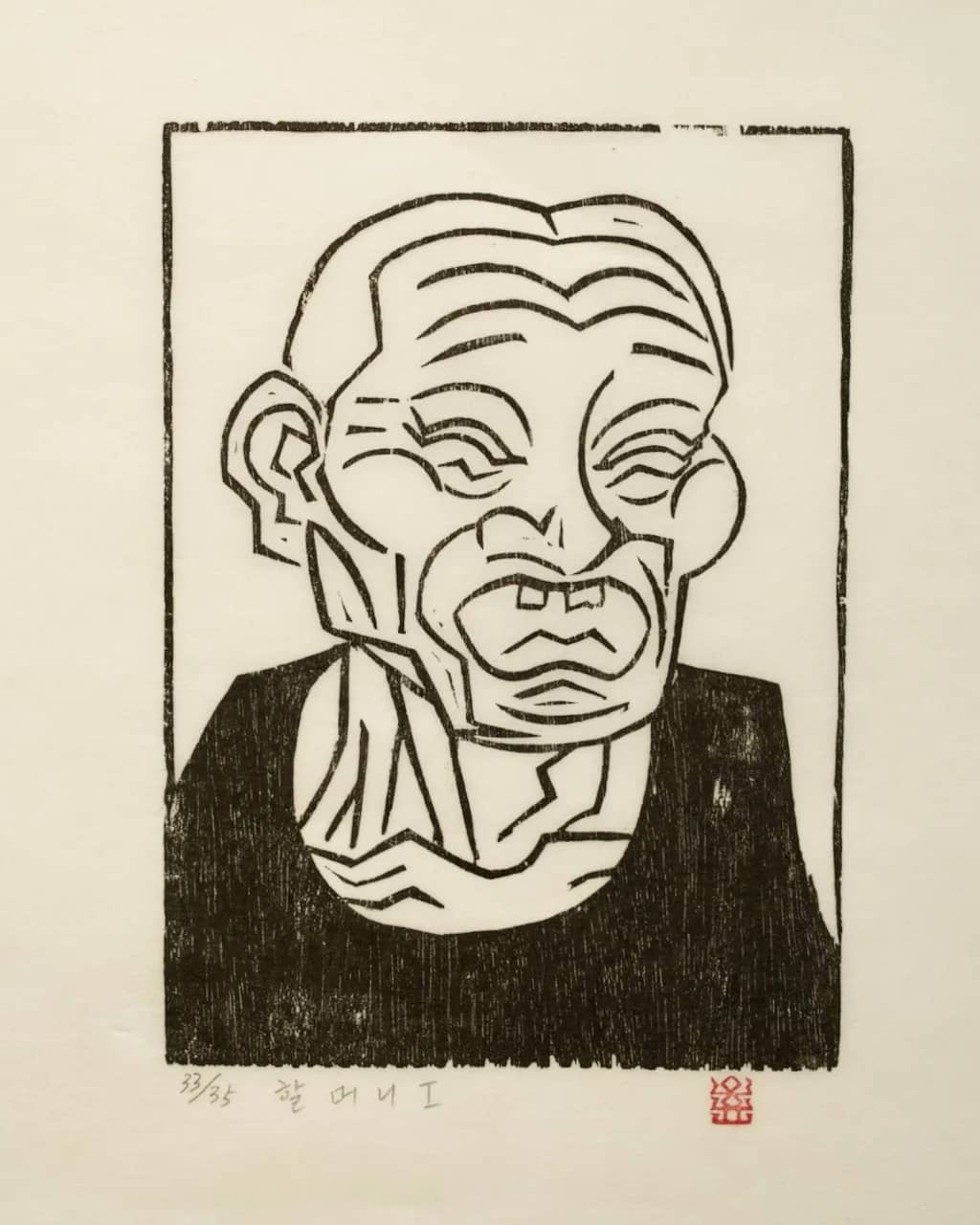
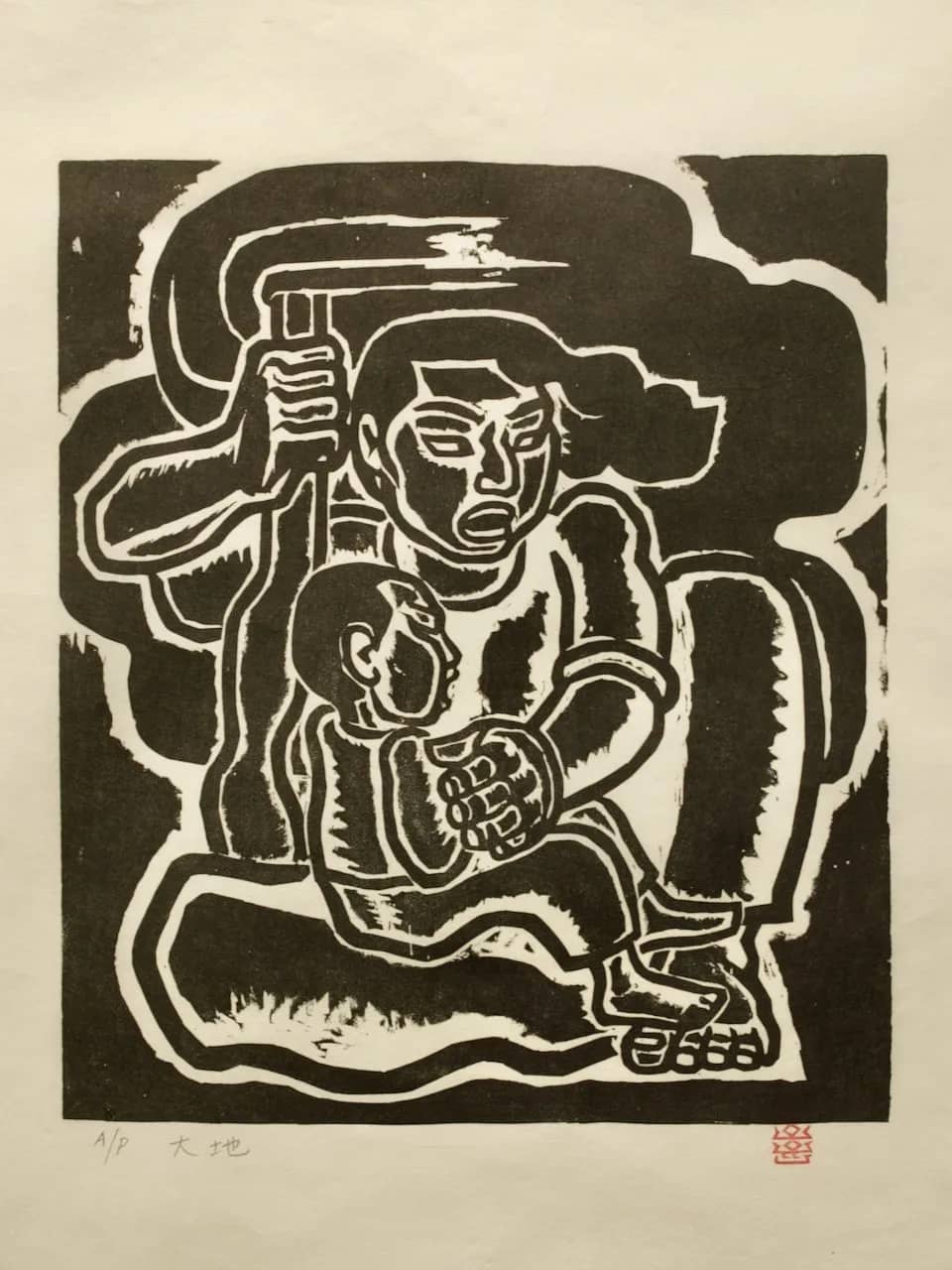
The spare lines and rough cut of his woodblocks reached the viewer directly.
The people you meet in his prints are the poor and the weary, faces deepened by years of hardship. A grandmother goes to market. A mother raising a hoe holds her child close, and a body that has finished its work rests curled up.
The critic Yu Hong-june called Oh Yoon a true Minjung artist in whom two values were never separated: the common-people art of Park Soo-keun and the engaged literature of Shin Dong-yup. Sung Wan-kyung wrote that his art achieved more than the frame of 1980s Minjung art can hold.


Beyond the Gallery
Prints That Took to the Streets
Oh Yoon's prints never lived only inside gallery frames. When Park No-hae's first poetry collection, The Dawn of Labor, was published by Pulbit in 1984, its original cover was an Oh Yoon woodcut. Thirty years later, when a new edition appeared, major newspapers all recalled that cover — his image had become the face of the book.
Nor was it a one-off commission. The posthumous collected volumes devote an independent chapter to 'book covers,' alongside his prints, oil paintings, and sculpture. Pictures that traveled with books — sold and read together — were a genuine strand of his work.
Cheap to print, bound into books, passed from hand to hand: Oh Yoon's wager that art must be shared was already coming true outside the museum, and younger printmakers carried it on into the print movement of the 1980s. Oh Yoon also left a woodcut of the same title, Dawn of Labor (1984). You can meet it in person in this exhibition.
By producing and distributing woodcuts, he had a decisive influence on the woodcut movement of Minjung art.

1984, Jindo
The Dance He Learned in Jindo
In 1983 he was diagnosed with cirrhosis. When his health worsened again in the autumn of 1984, he left to convalesce on the island of Jindo.
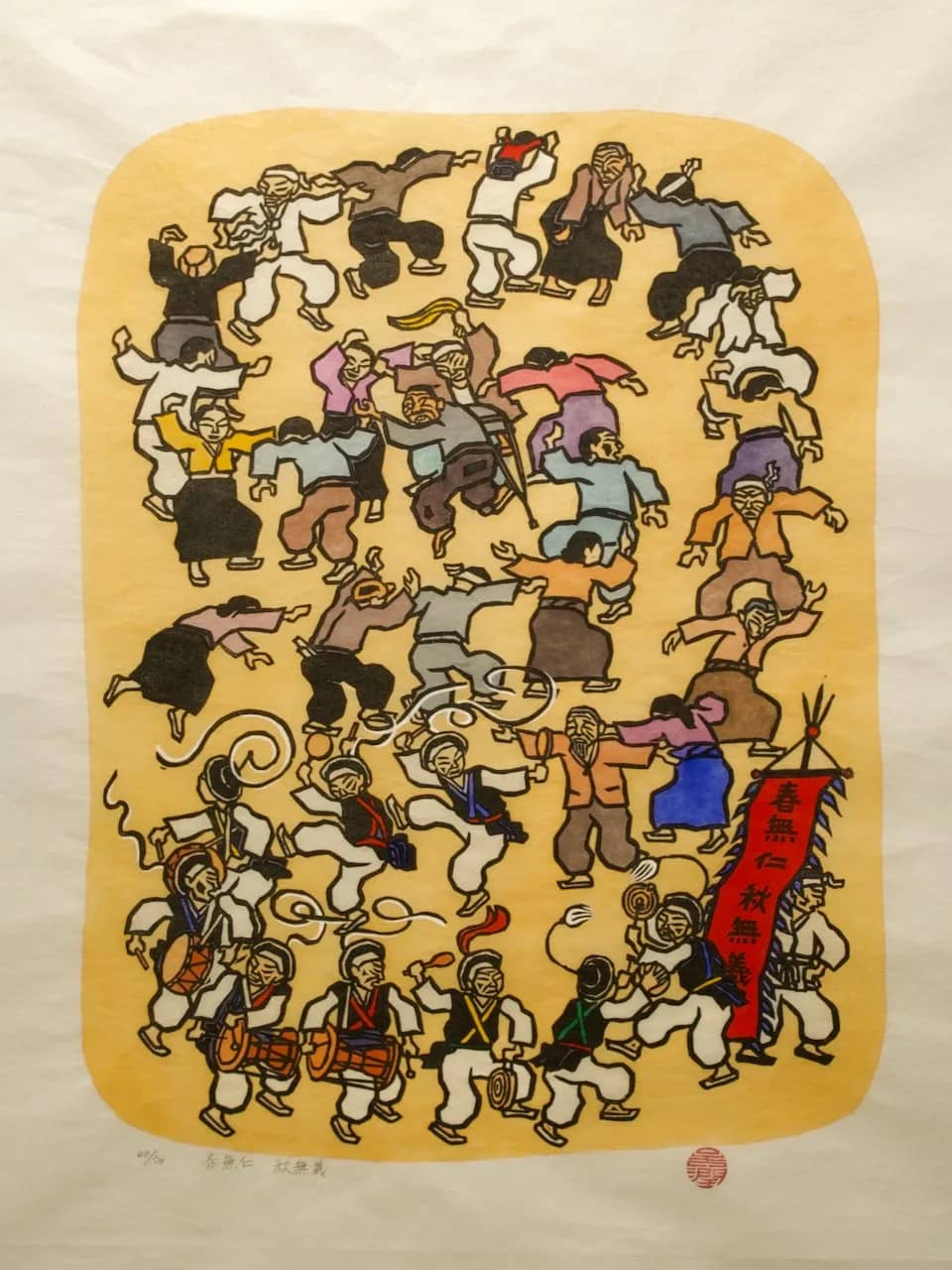
There he watched funeral processions and encountered the ssitgim-gut, the shamanic rite for the dead. He listened to pansori and yukjabaegi, and learned the drum dance. In a place where death had come close, he learned exhilaration.
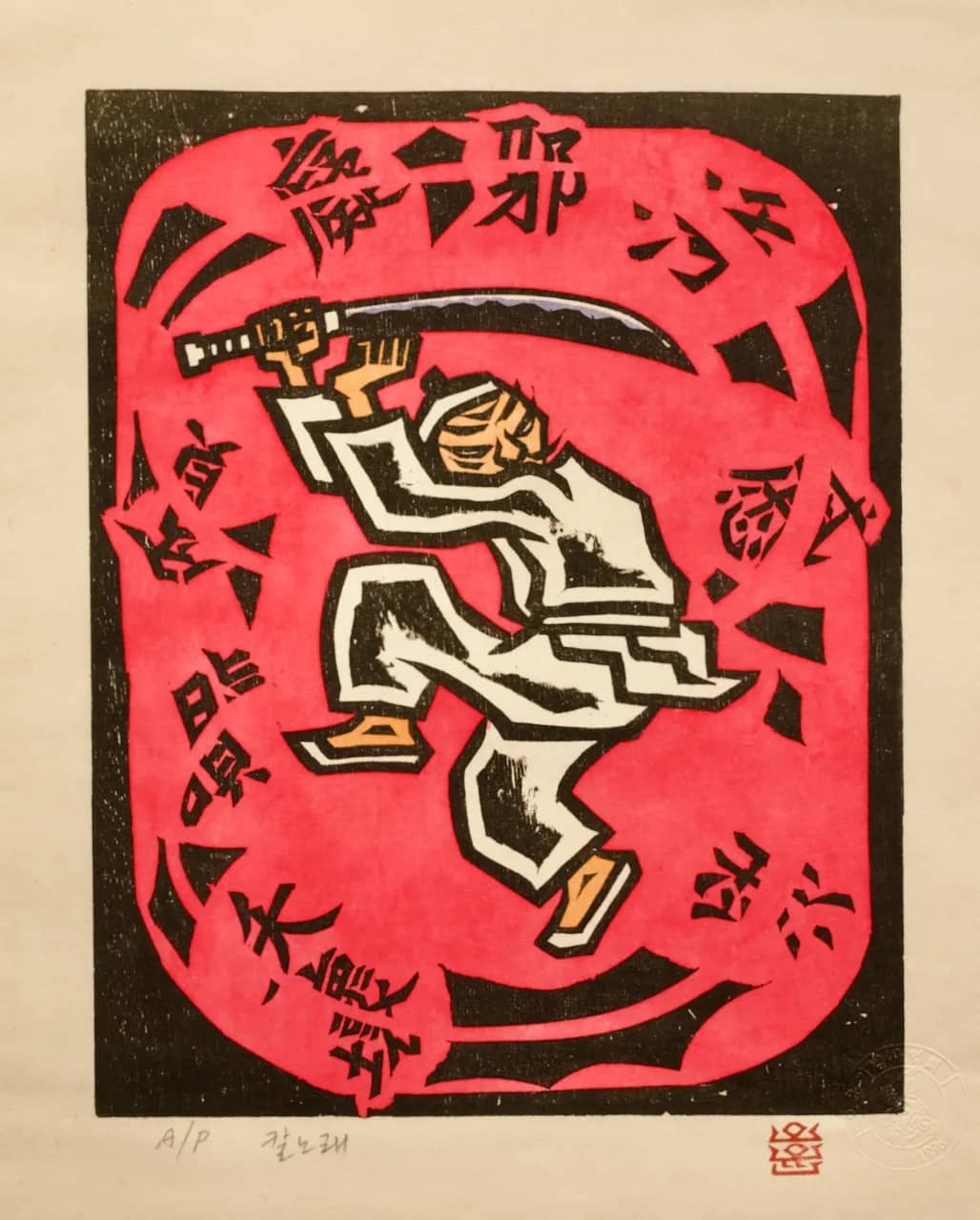
After Jindo, dancing bodies pour into his prints. A figure leaping with a blade, a dancing tiger, a drummer, a singer. They were pictures in which joy rises out of sorrow and shadow.
Where is the summit of Oh Yoon’s art, in which mirth and high spirits break even out of han, shadow, and the wail of ghosts? It is spring. And it is love.


1986
Song of the Blade: First and Last
In May 1986 Oh Yoon held his first and only solo exhibition at Grimmadang Min in Seoul. It was titled *Song of the Blade*. The print of a figure gripping a knife, left foot flung high, was both the title work of that show and the title of the print album published the same year.
In his final period he poured out the forty works for this exhibition. By Yu Hong-june’s account, that was half of all the woodcuts he ever made. As his body failed, his hands moved faster.
Two months later a print exhibition opened in Busan. He cut a cake at the opening. On 5 July 1986 he died, at the age of forty.
40th Anniversary
Forty Years On, as Wind
At the funeral the poet Jeong Hui-seong read an elegy.
Oh Yoon is dead and cruelly, no tears come for he lived like the wind and as wind he will come again
Forty years have passed. In that time Oh Yoon's prints entered the collection of the National Museum of Modern and Contemporary Art, their prices soared at auction, and — in the words of critic Yoon Beom-mo — he was recorded in history as "the emblematic artist of the 1980s art movement."
This year, the 40th anniversary of his death, the Seoul Museum of Art's Art Archives has also prepared an exhibition illuminating his work and creative process. Oh Yoon is a name Korean art is reading again. And yet as the records and exhibitions grow, so do the encounters that happen only through reproductions and screens.
A woodcut loses what matters most the moment it becomes reproduction: the depth of the cut, the bite of paper under pressure, the grain of spreading ink.
This exhibition puts back what was lost. Bringing together the prints pulled in his lifetime and the posthumous impressions from his blocks, all 187 of Oh Yoon's prints hang in one room — for the first and last time. On paper rather than on a screen, you meet the era Oh Yoon carved with a knife.
Art must be shared by many, he said. Forty years on, that is also why we are opening this exhibition.

Carved together
Participating printmakers (44)
Alongside the 187 prints Oh Yoon carved, works by fellow printmakers are shown together.
- Chang, MIsun
- Cho kyoyoun
- CHO YOUNGSUK
- Choe mee ah
- Heewon Seong
- HONG Seonwung
- HONG YOON
- Hyejeong Kwon
- Jang Sung suk
- Jung Myoung guk
- Kim hee young
- Lee Cheolsu
- Lee Incheol
- Lee Soonhee
- Lee Yunyeop
- Lee, Jong-Chul
- MOON SOOKHEE
- Mun-Ja Choo
- OH SOO JIN
- PARK KWANG YUL
- Park Young geun
- Ryu Yeonbok
- Sin Hakcheol
- 권신애
- 김량원
- 김병주
- 김순주
- 김슬기
- 김억
- 김진하
- 남궁산
- 박경훈
- 박보우
- 박세철
- 방인희
- 배남경
- 오승연
- 전정호
- 정길재
- 정원철
- 정주향
- 정찬민
- 한경화
- 허문정
OH YOON 40th Anniversary Special Exhibition
Artworks on view
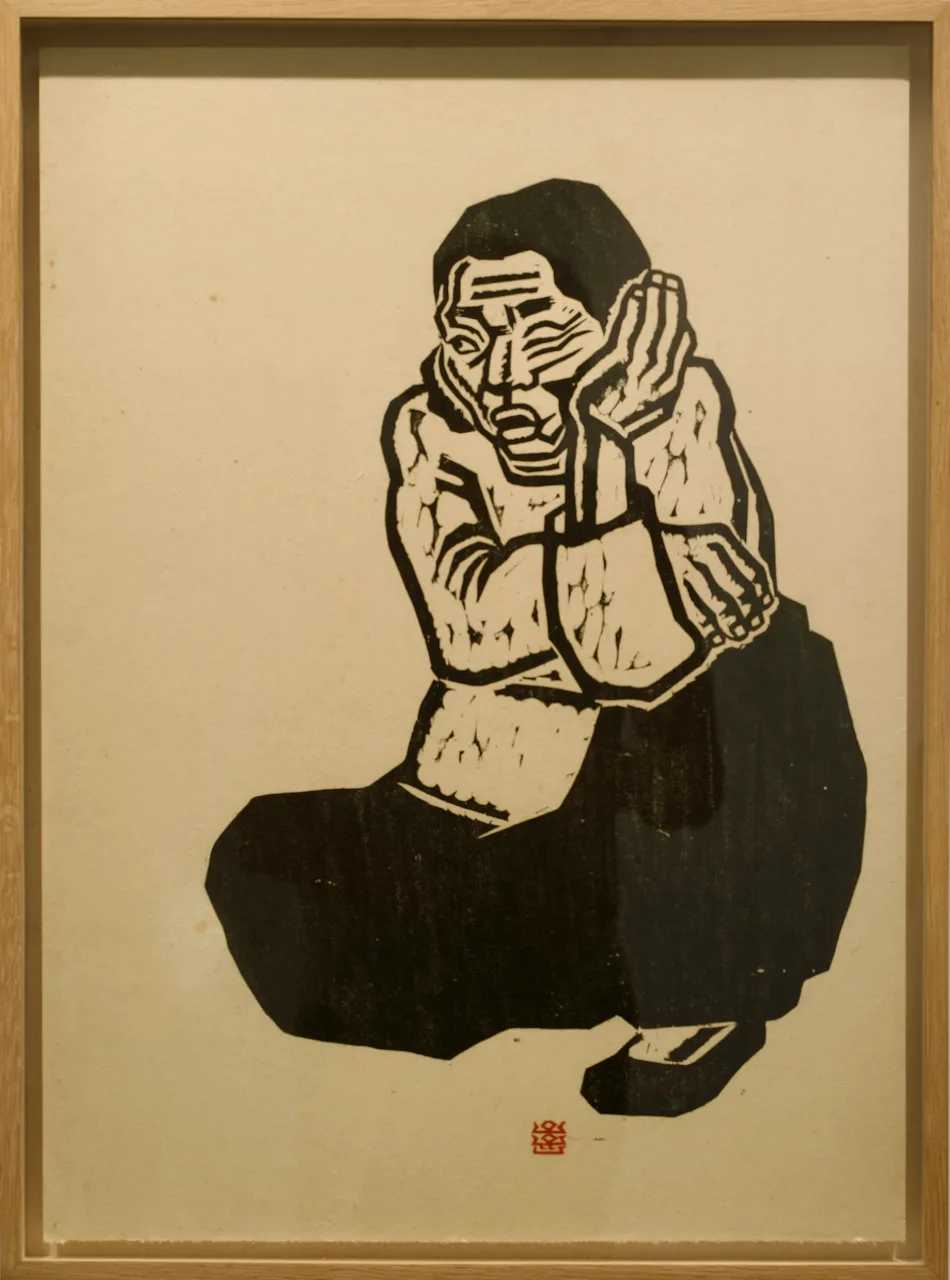
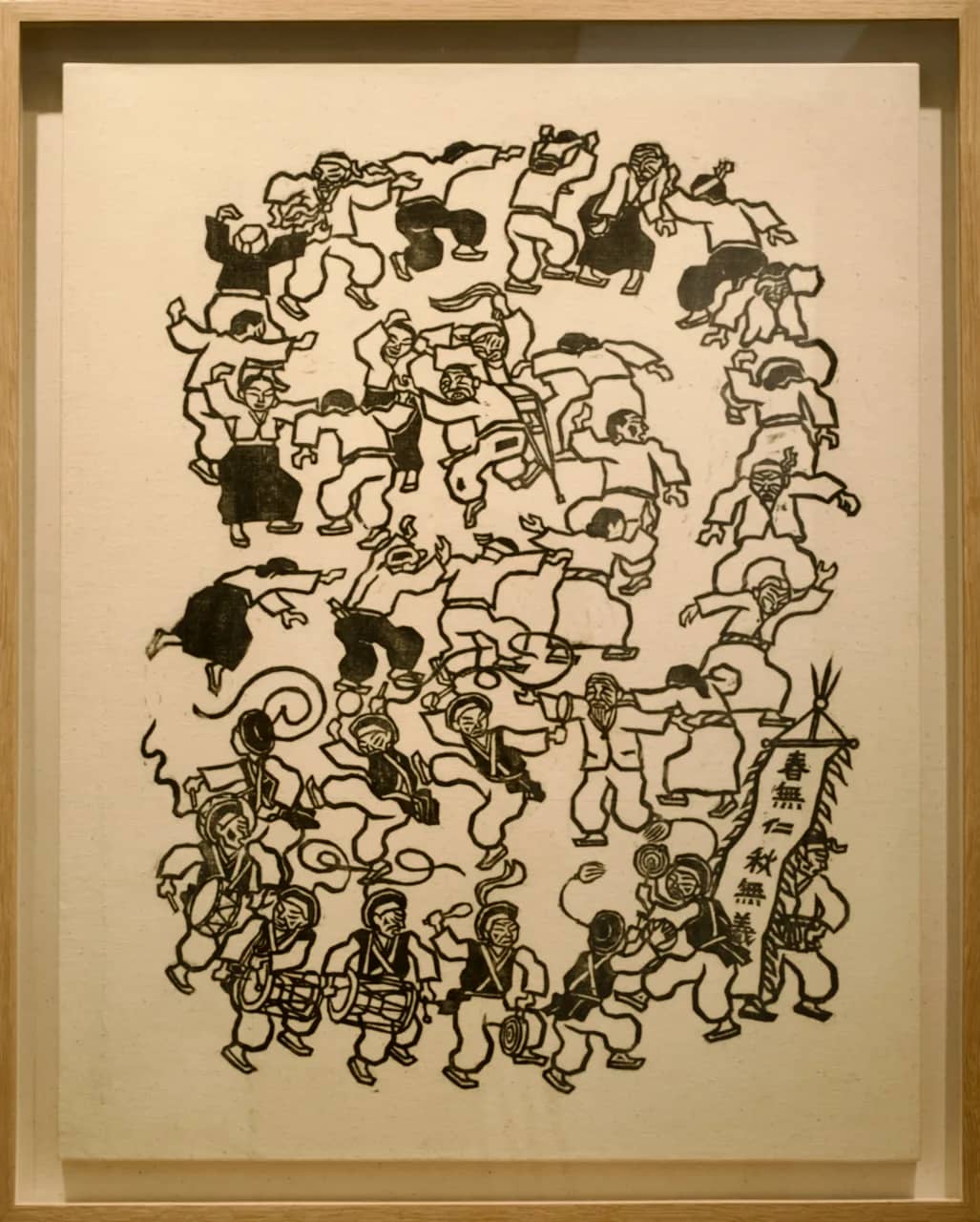
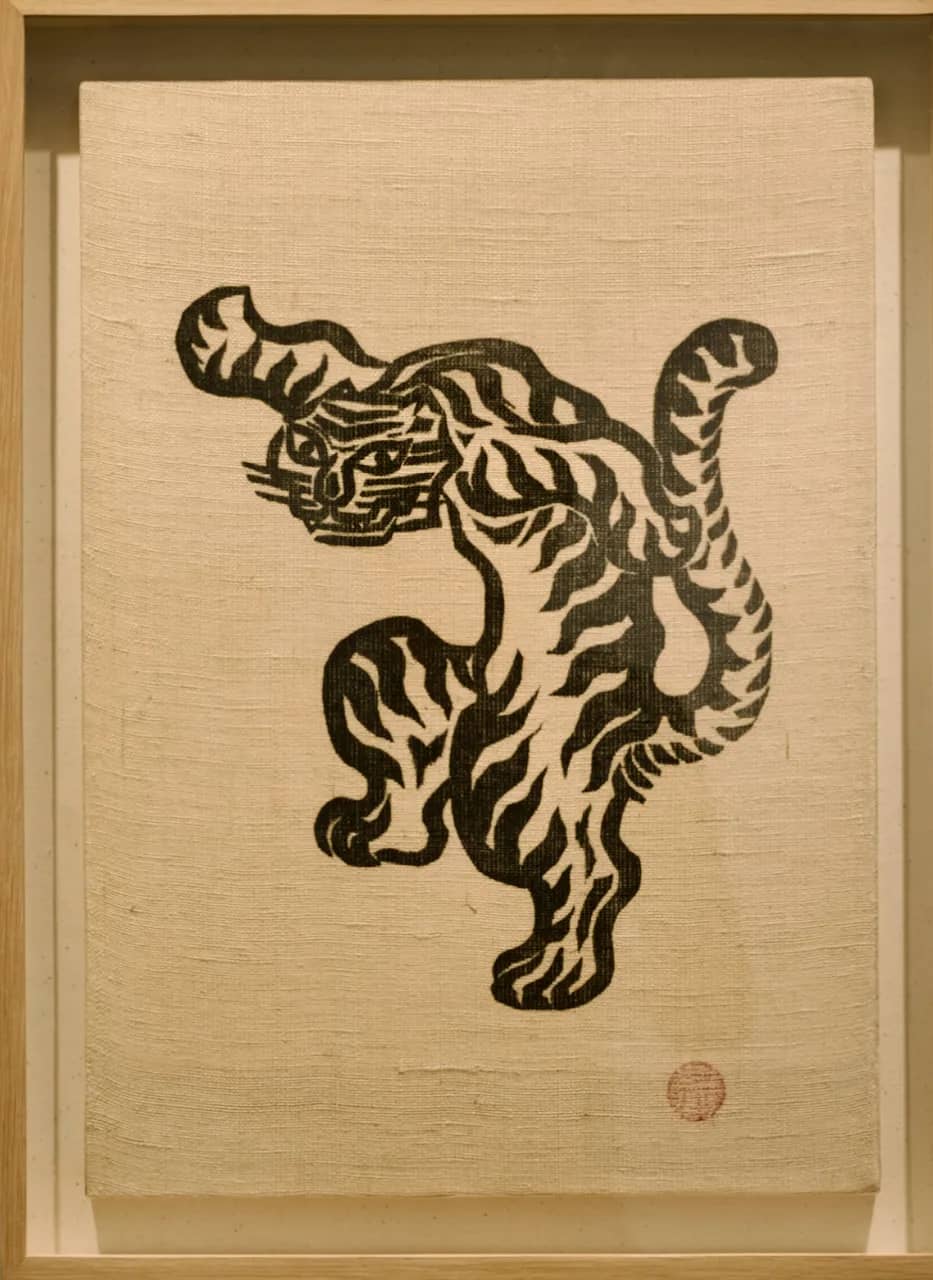
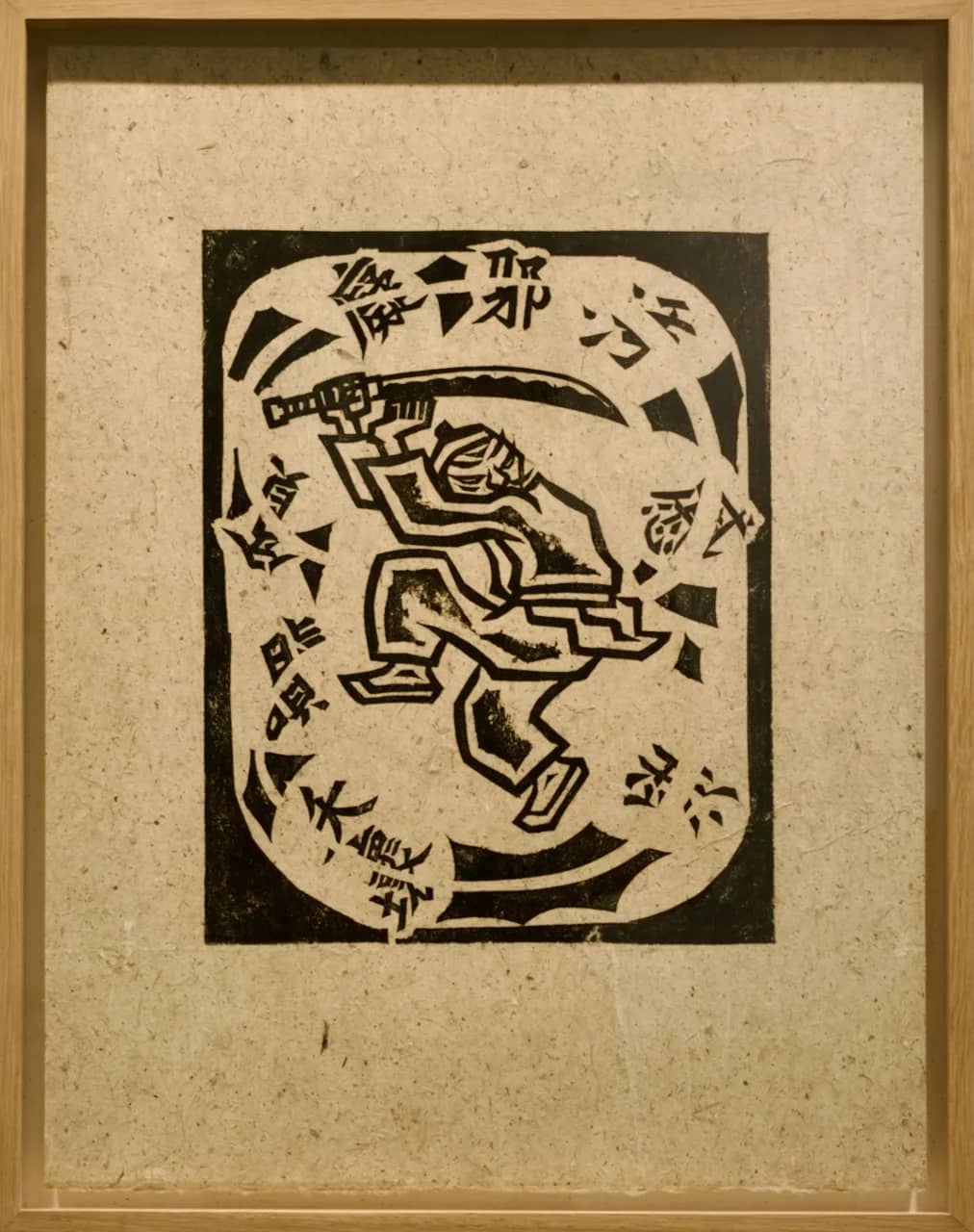
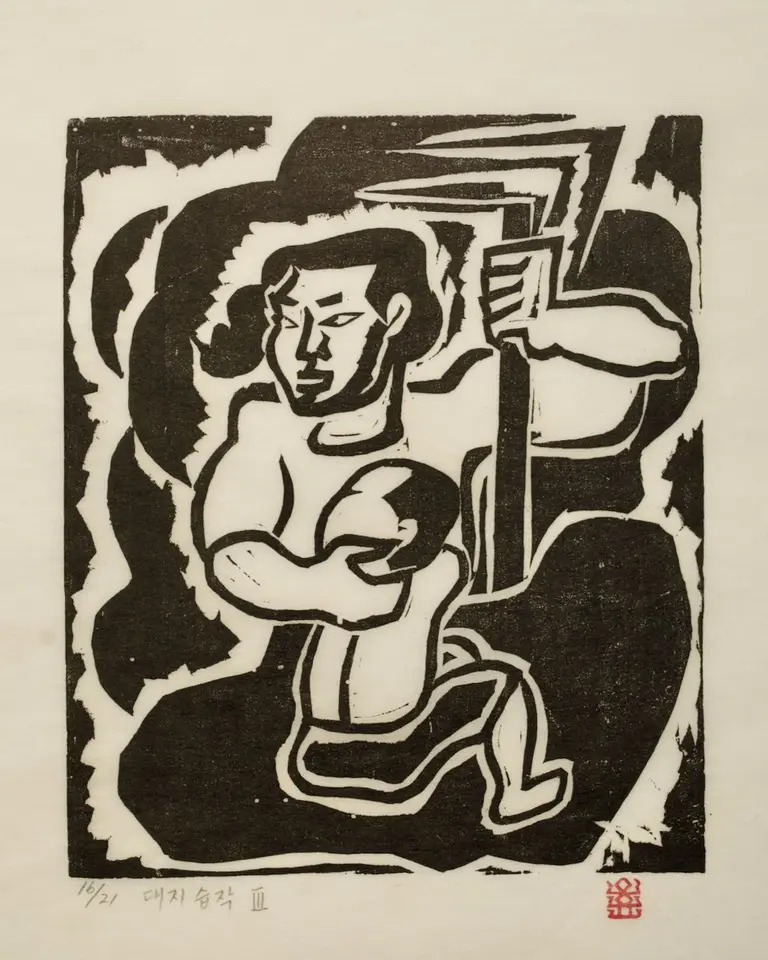
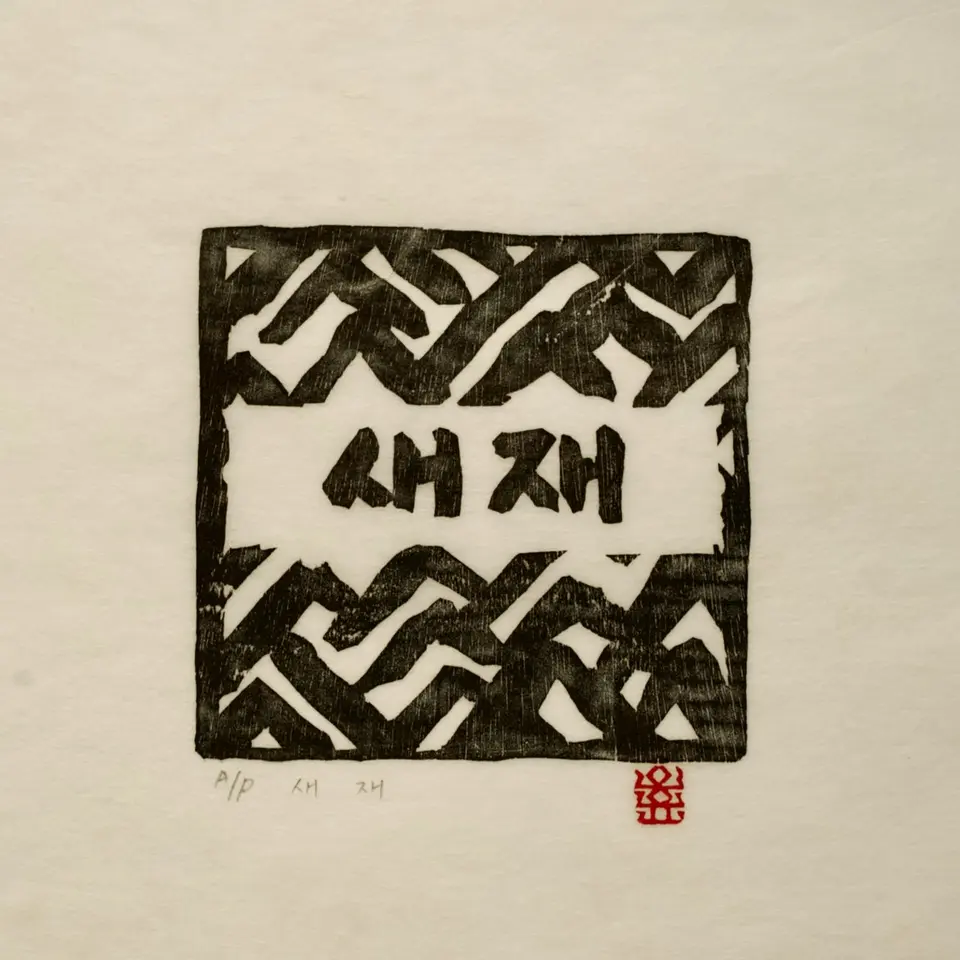
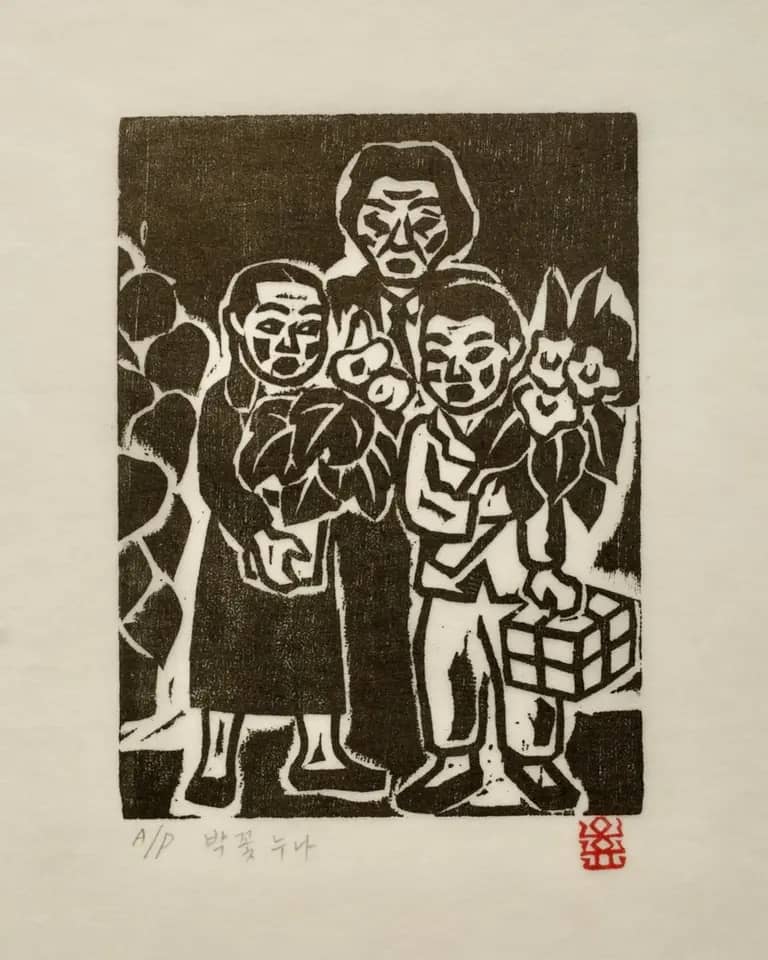
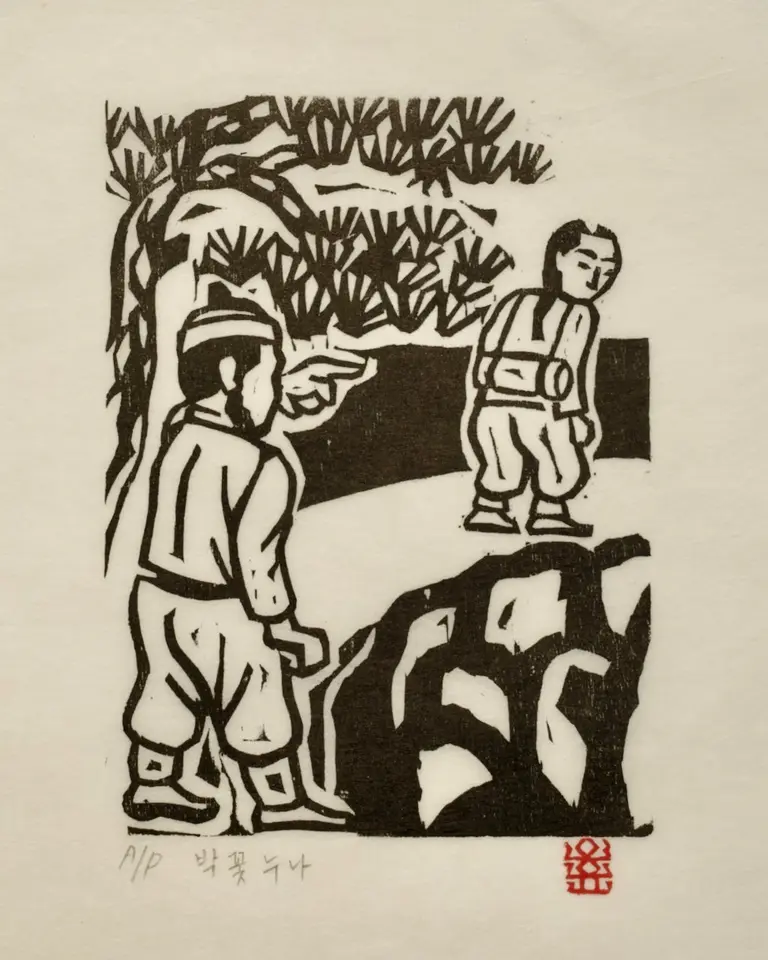
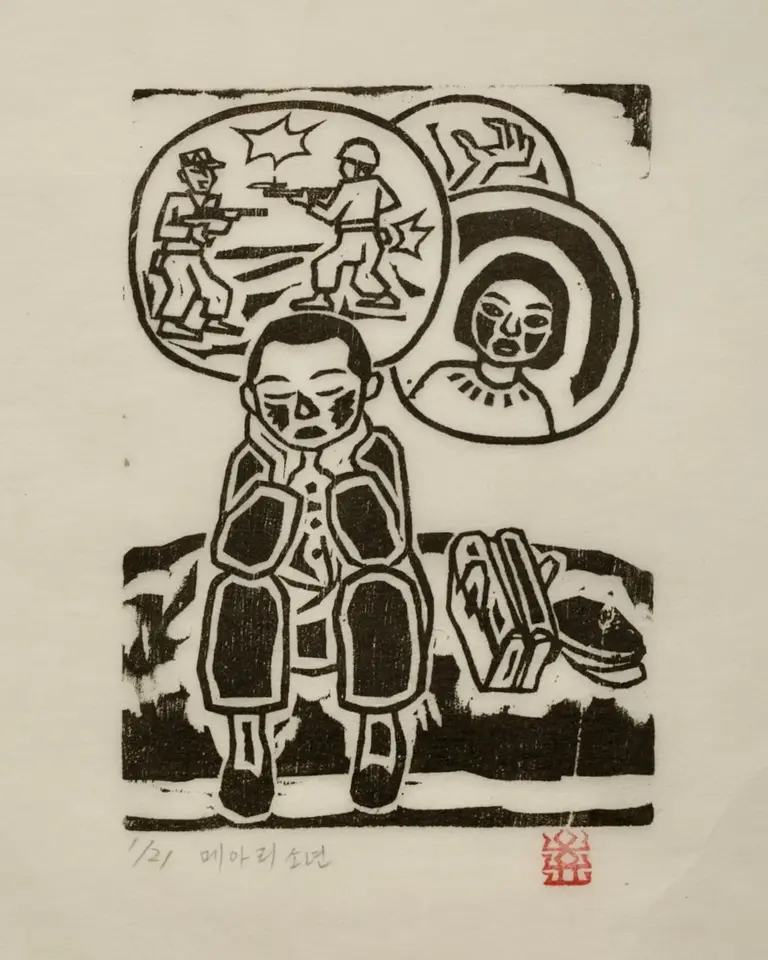
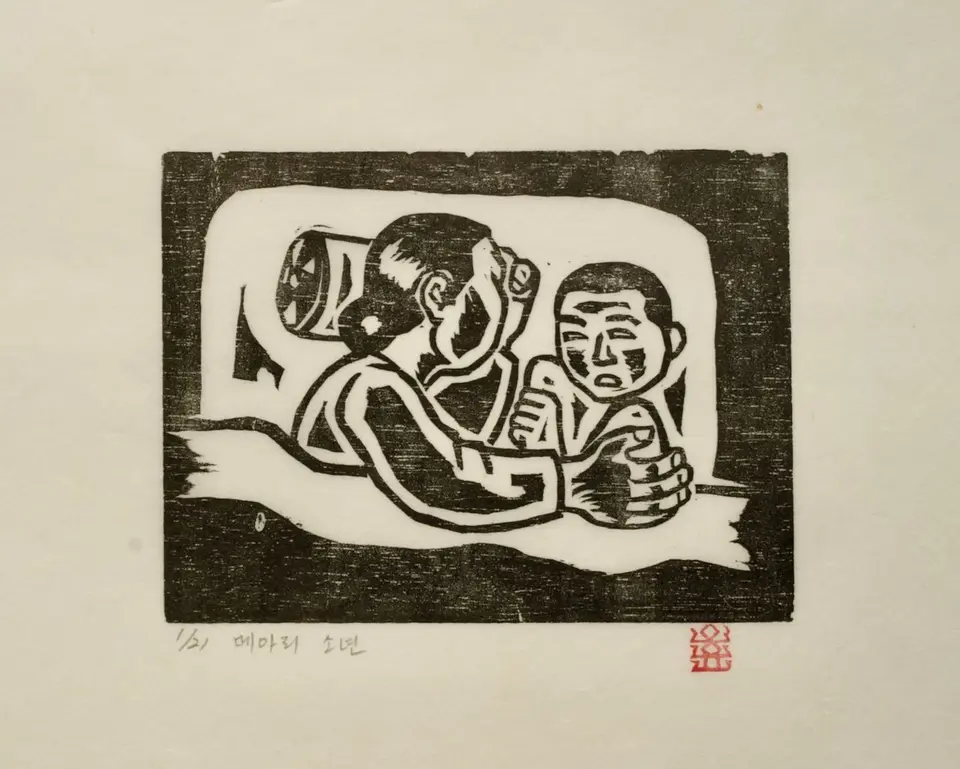
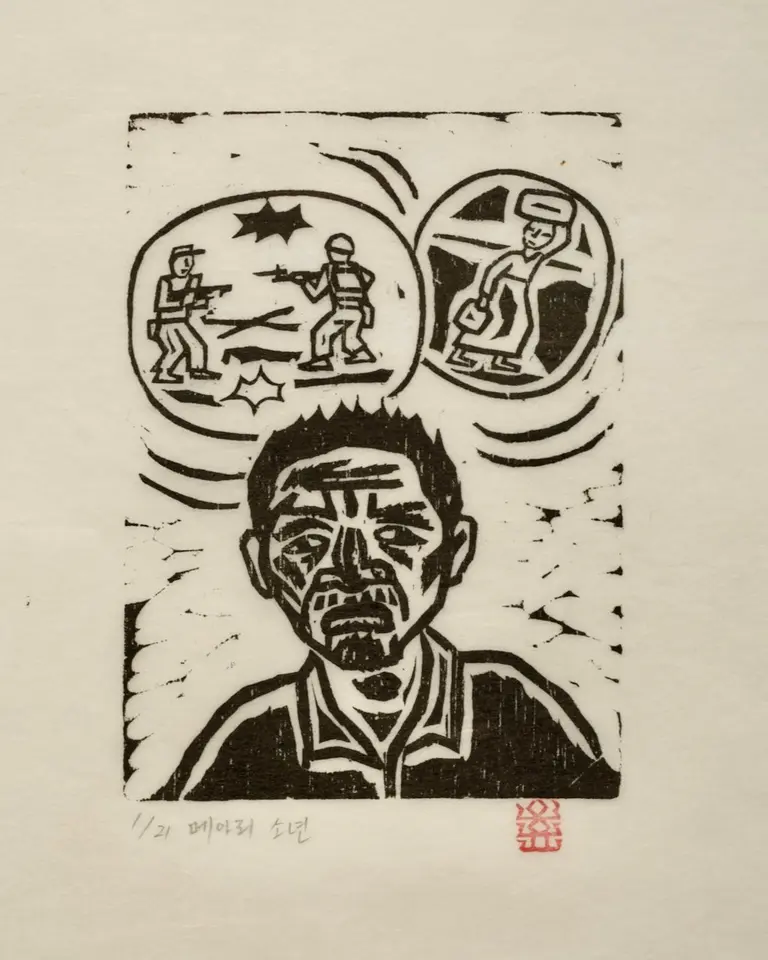
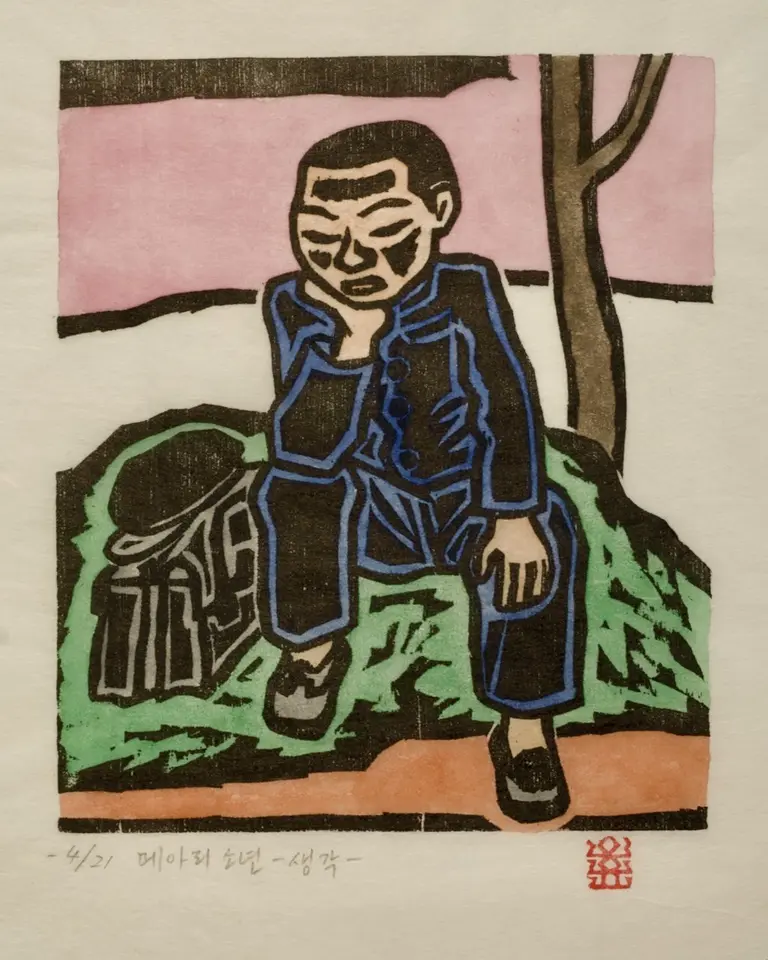
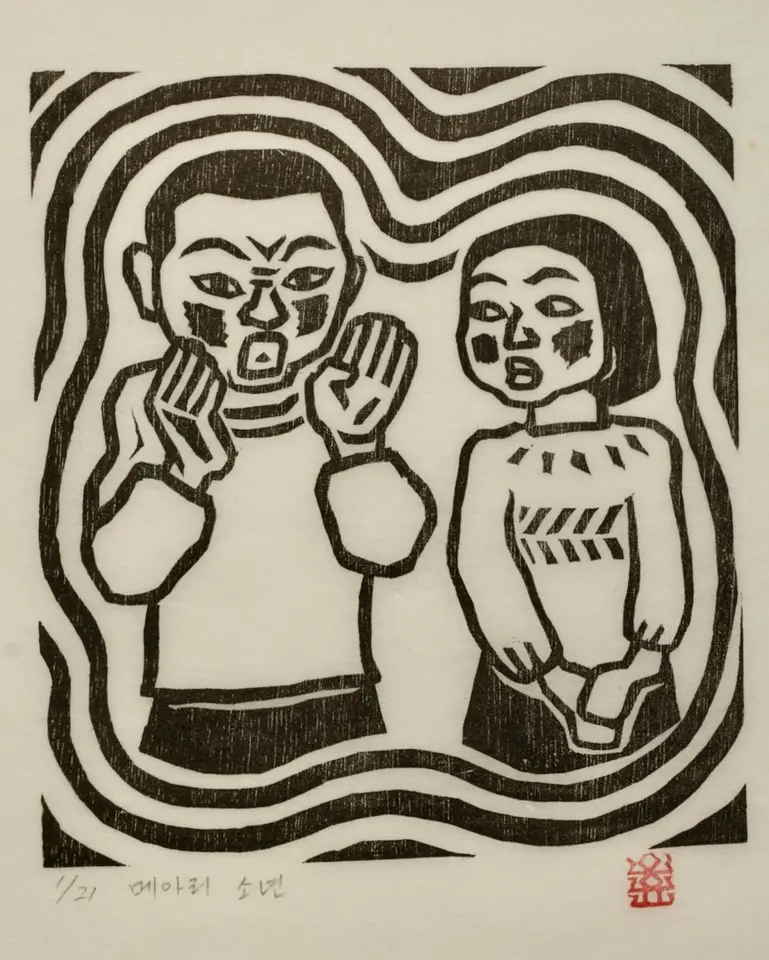
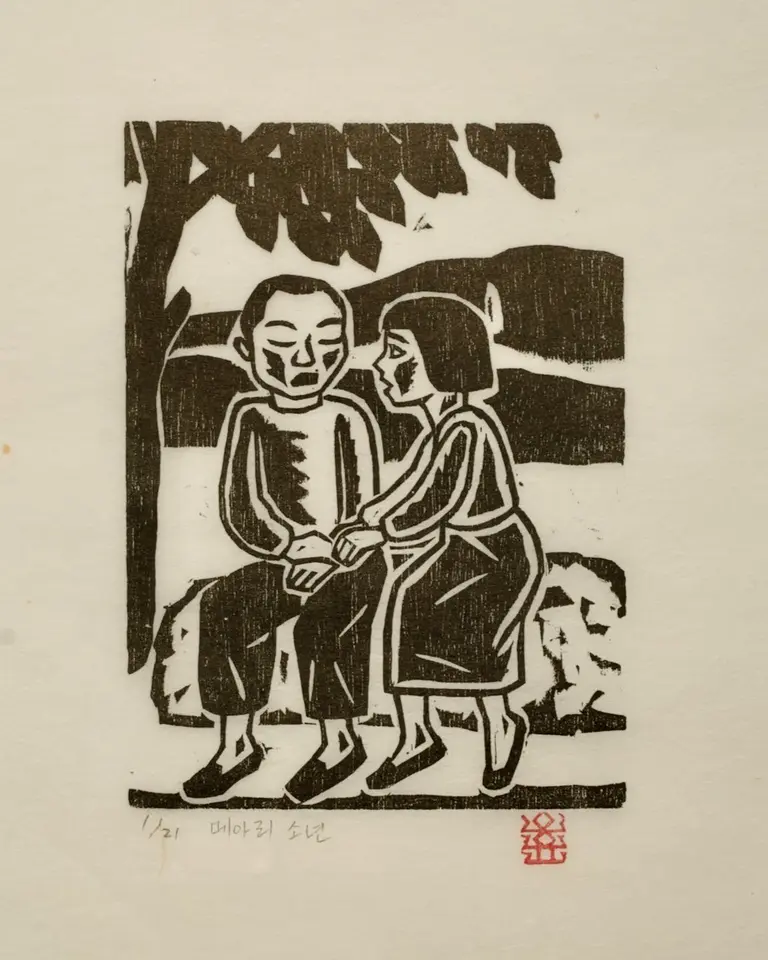
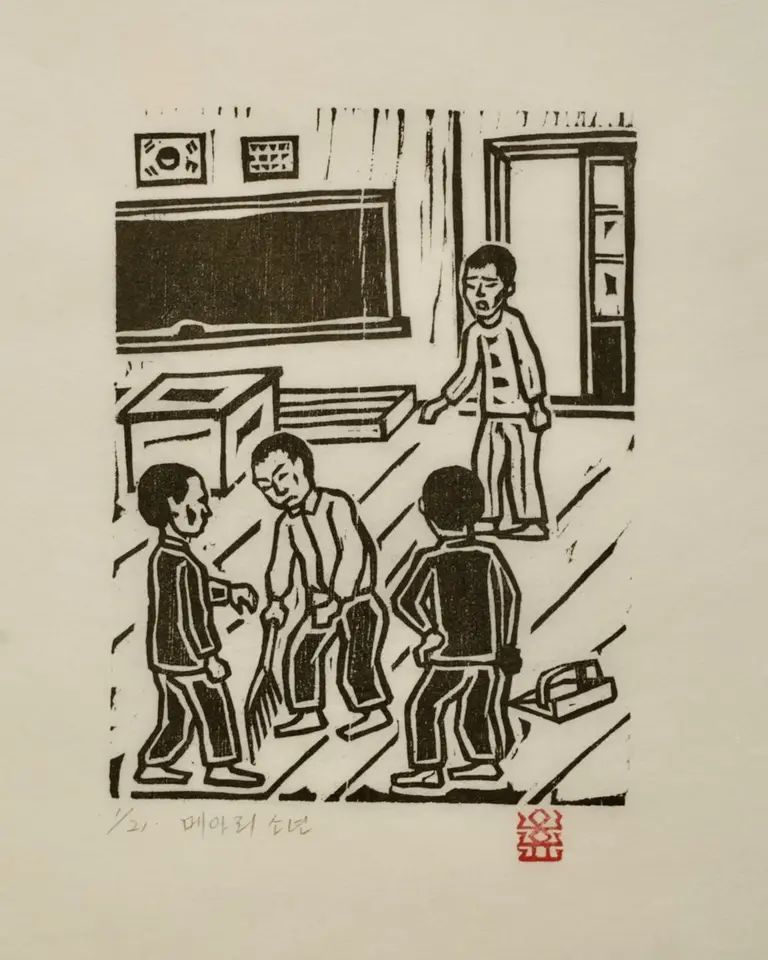
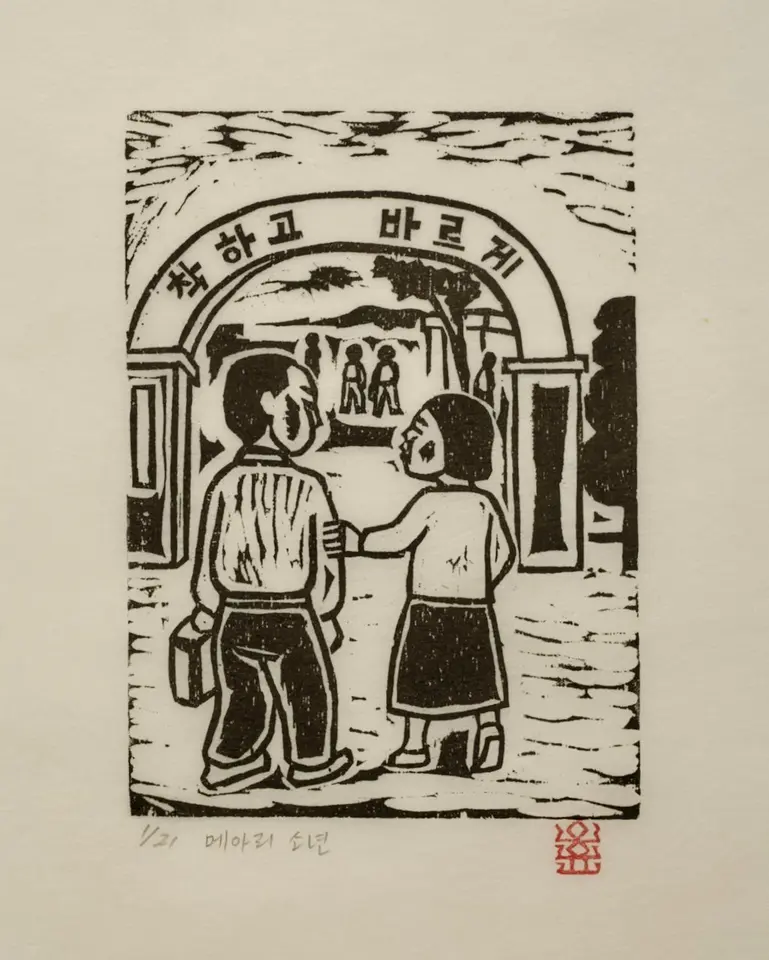
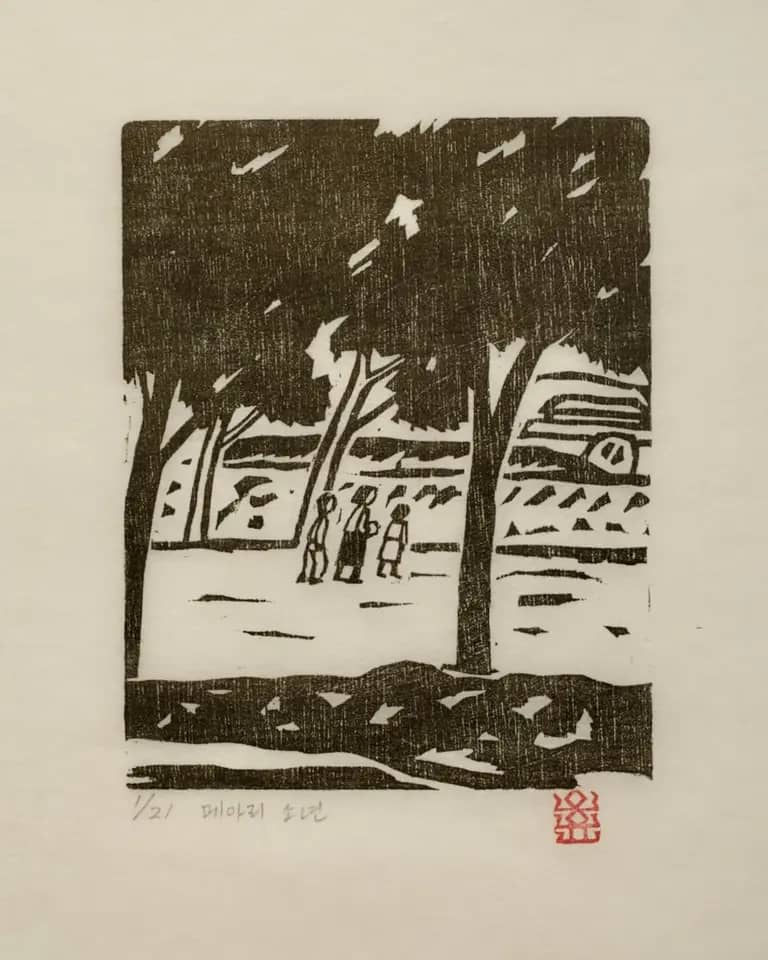
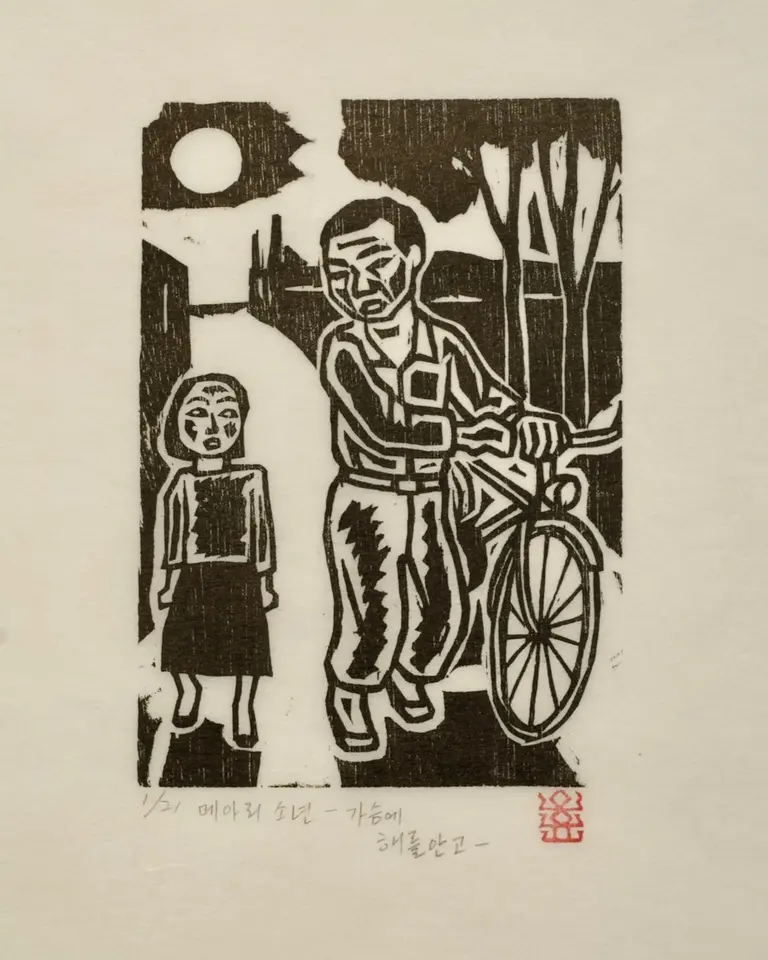
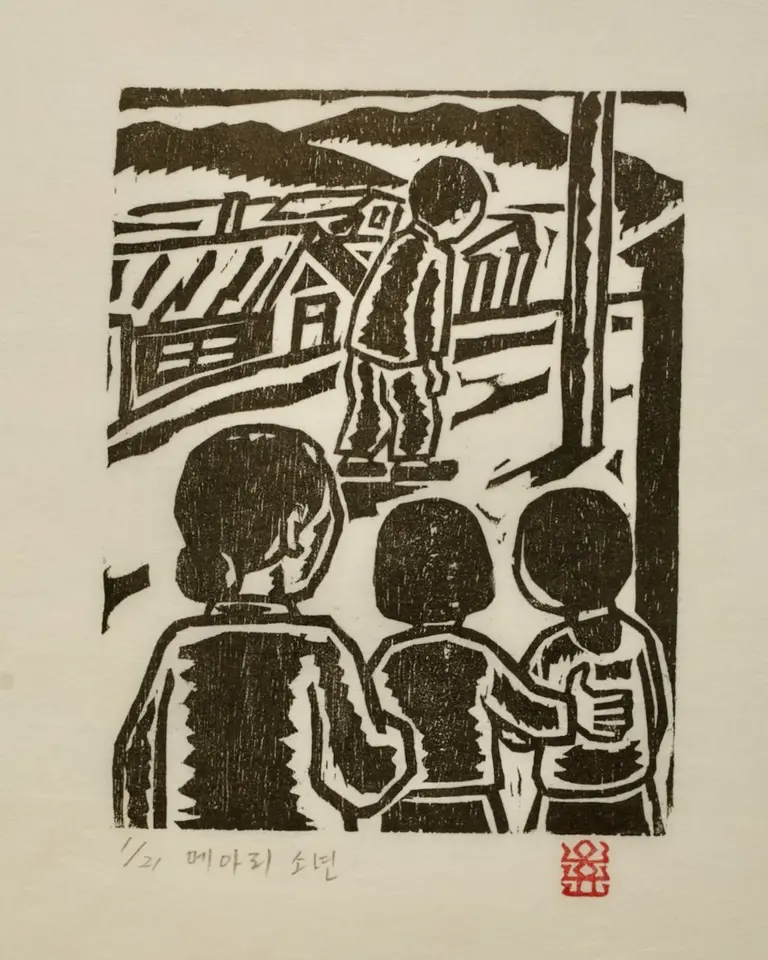
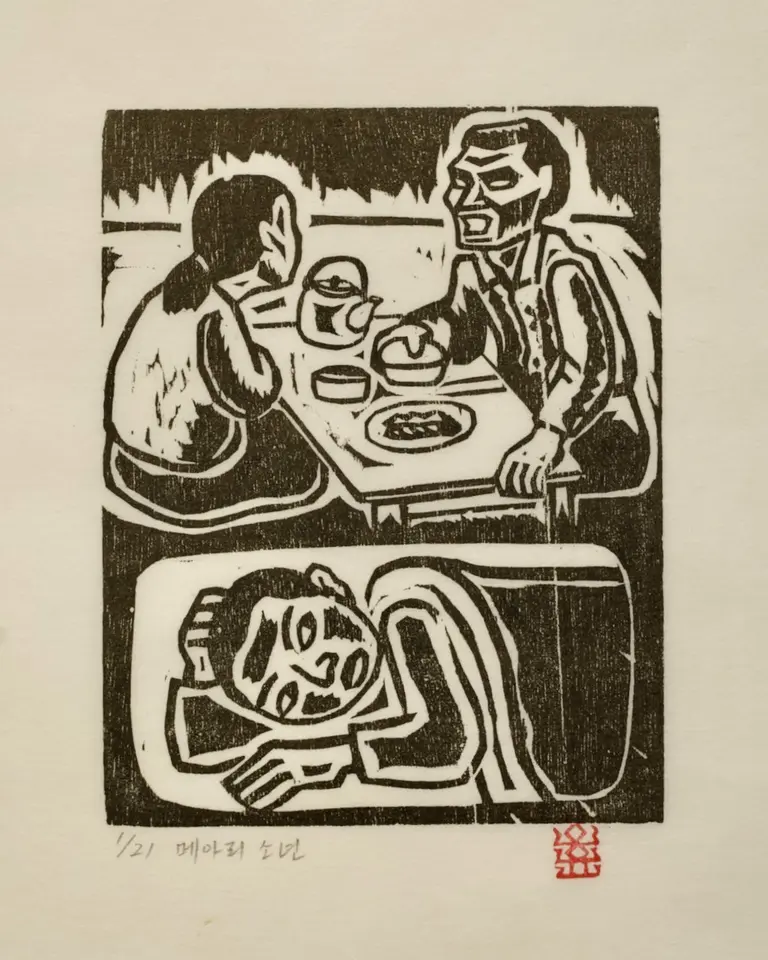
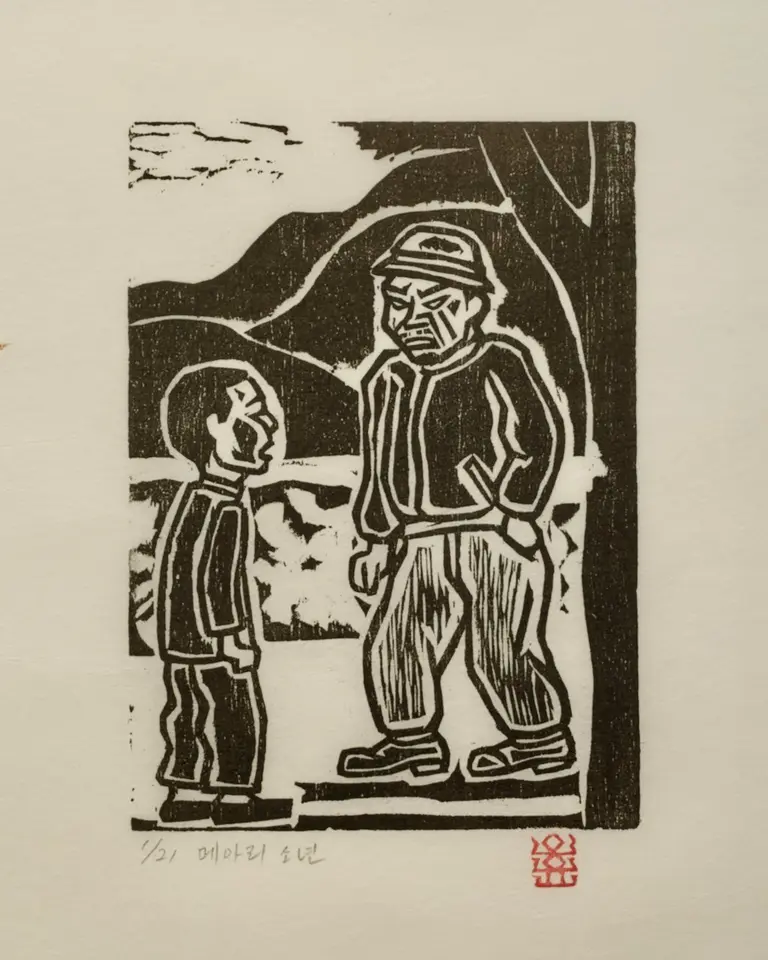
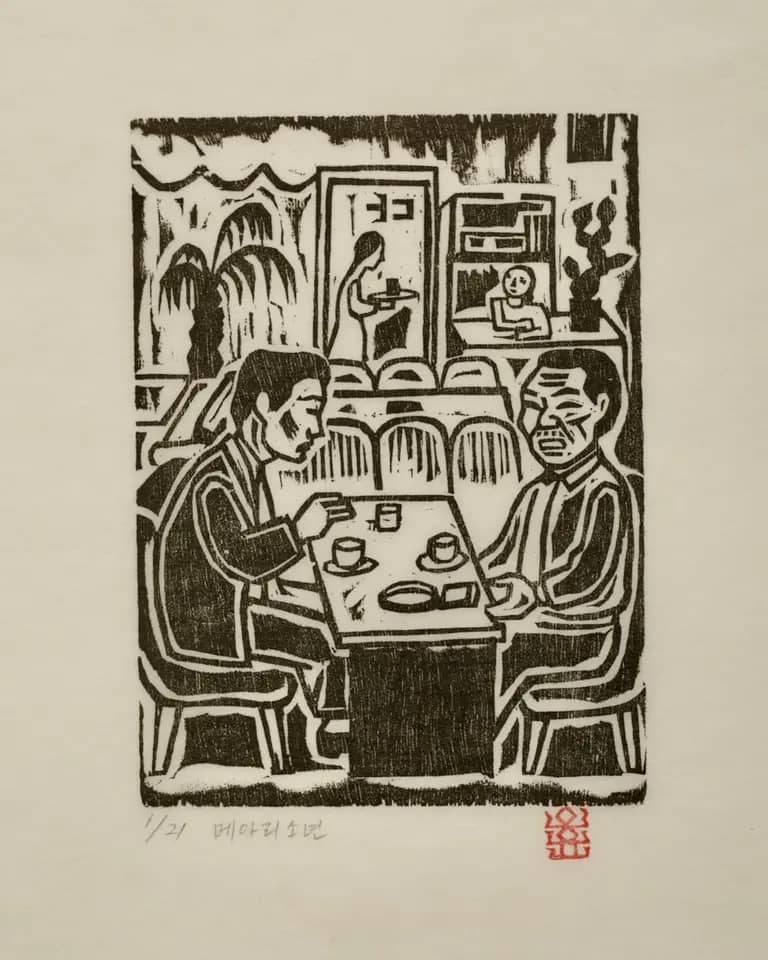
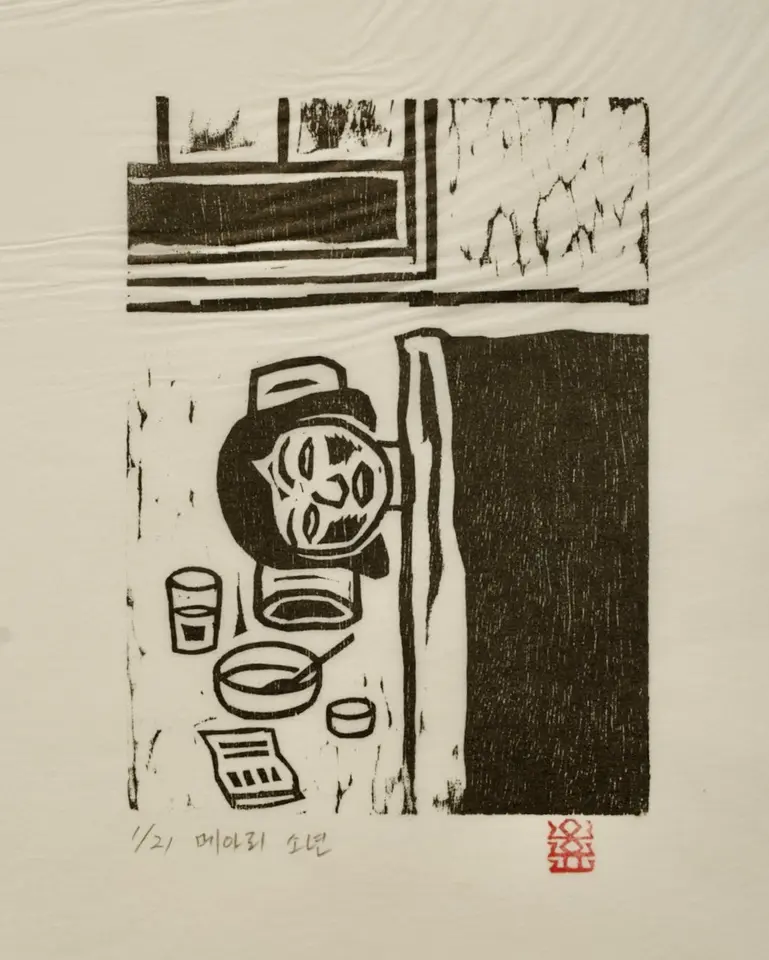
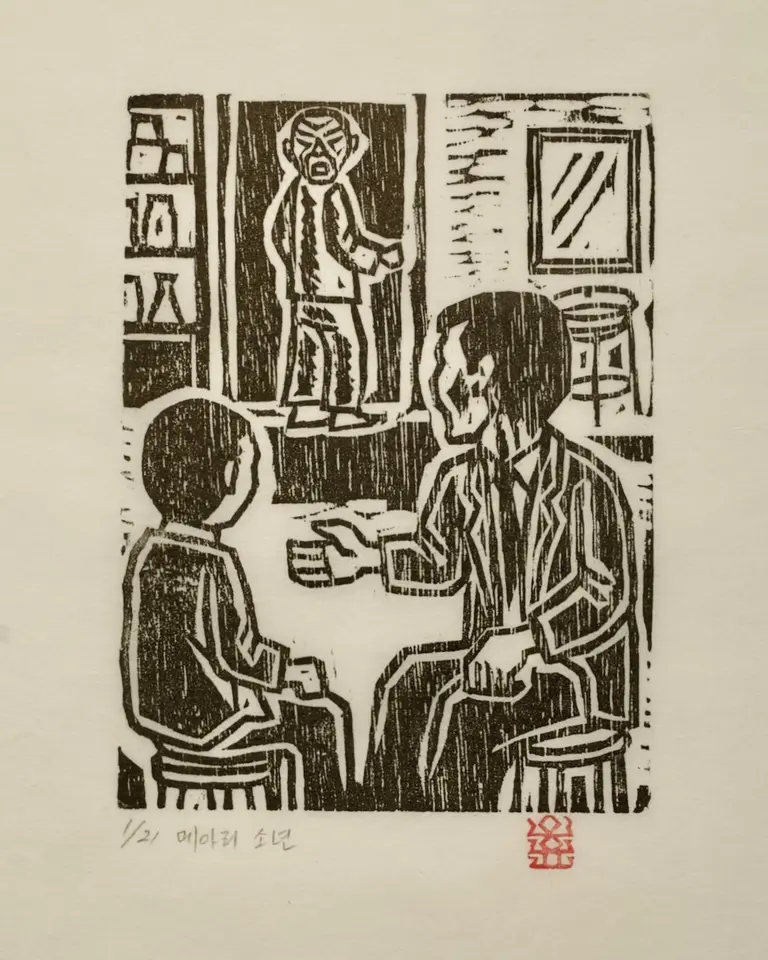
Total 230 items
Owning an Oh Yoon print
At the family's wish, sales of Oh Yoon's prints close at the end of this year, his fortieth anniversary. Whether they are offered again rests with the family, and there is no telling when that might be.
These are the last impressions pulled from the original blocks thirty years ago. A screen rarely shows the grain of the paper or the path the knife took. We hope you will see them in person.
171 estate prints are available now, priced from ₩500,000 to ₩3,200,000.
Separately from the works on view, impressions pulled by the family from the original blocks are available to own.
Tickets
Book Tickets
Bringing together the prints pulled in his lifetime and the posthumous impressions from his blocks, all 187 prints Oh Yoon carved hang in one room for the first and last time. At the family’s wish, sales of Oh Yoon’s prints close at the end of this year, his fortieth anniversary.
Ticket sales have closed because the exhibition has ended.
Visitor Info
Getting There
- Venue
- Dongduk Art Gallery
- Hours
- 10:00–18:00 · Closed Sep 25–26 for the Chuseok holiday
B1, Dongduk Building, 68 Ujeongguk-ro, Jongno-gu, Seoul
Go Deeper into Oh Yoon
Oh Yoon's works and stories on his 40th anniversary, and the pages where SAF carries the solidarity forward.