Available alternatives
View similar works you can buy now
Art protects art
8 out of 10
artists are shut out by banks
354
loans extended to fellow artists
95%
repayment rate — trust comes full circle
~KRW 140M
interest saved vs. predatory rates
Until the next exhibition, the next performance. For artists, income gaps are an unavoidable reality. For fellow artists forced into predatory loans just to afford paint, canvas, and studio rent, proceeds from this artwork become the Seed Fund — extending a fair hand at fair rates.
Voices of fellow artists
“The memory of going hungry for three days, alone, so my children wouldn't know.”
— 50s, theater artist
“I've been putting off urgent dental treatment because I can't afford it. I should be seeing a doctor regularly, but enduring instead of going has become a habit.”
— 50s, actor
“I kept delaying ear treatment because I had no money, and the symptoms in both ears worsened.”
— 30s, musician
“I couldn't pay my hospitalized mother's bills, so we had to delay her discharge, and she had to give up tests and treatment she needed.”
— 50s, actor/broadcaster
“Because of money troubles I had nowhere to go — drifting between gosiwon rooms and rehearsal studios, and for a while sleeping rough.”
— 30s, musician
“Because of unpaid rent, my collective was forced to vacate our shared workspace and home. Neither bank loans nor artist loans could help.”
— 50s, actor
“Without money, life collapses — and creating art? Out of the question.”
— 50s, artist
“It's painful that solving this month's money problems has to come before the work itself. As an artist, I can only earn well when the work succeeds — yet I have to chase odd jobs every month instead. It feels like being trapped in a vicious cycle.”
— 40s, musician
“Debt collection calls disrupted my rehearsals and performances, and the psychological burden made every day painful and the next day frightening.”
— 40s, theater artist
“Many times the loan payments looming each month forced me to step away from performing and focus on part-time work.”
— 50s, actor
“Sleeping less than four hours a night, juggling part-time jobs and theater — but the more I performed, the more debt piled up. Eventually I decided to quit performing.”
— 30s, actor
“When things were hardest, I couldn't even attend close friends' weddings or funerals — and as a result, relationships were severed.”
— 50s, actor/broadcaster
“When I said I was a stage actor, the loan officer called me "unemployed."”
— 50s, actor
“The shame and severed friendships that came with borrowing from people I knew, the pressure of failing to pay it back, the helplessness.”
— 50s, cartoonist/visual artist
“Even with programs meant for low-income citizens, I feel shame when I can't produce enough documentation simply because I'm an artist.”
— 30s, film/broadcasting professional
One artwork becomes the oxygen that keeps a fellow artist creating.
Sales proceeds go to the artist mutual-aid fund.
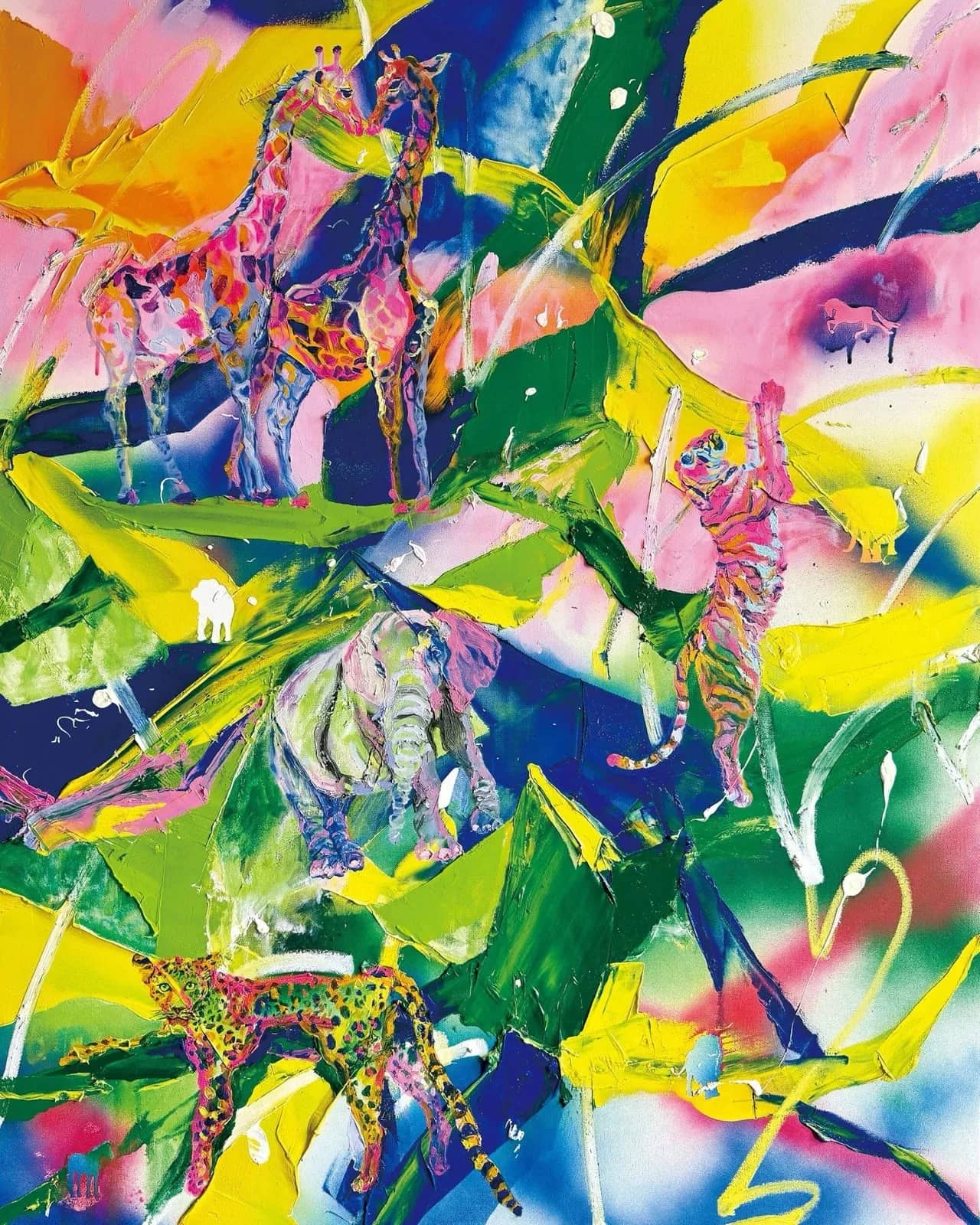
TROPICAL FOREST
Park Suji
About the Artist
Park Suji is a painter who continues the 〈refresh〉 series, recalling the rhythms and landscapes of everyday life through painting. After graduating from the Department of Oil Painting at Musashino Art University in Japan, she has held a series of 〈refresh〉 invitational exhibitions across museums and galleries throughout Korea—including Dohwaheon Museum (Goheung), Gallery Chungjang 22 (Gwangju), Gallery 177 (Busan), Noeul Artisan Center (Seoul), and Seolmijae Museum. Her solo exhibition 〈Tiger Exhibition〉 was held at Art Space At in 2020, and her work 〈Black Hole〉 is held in the collection of Dohwaheon Museum.
Artist Statement
Innate Color and the World of the Unconscious: An Inquiry into Being and Harmony
Creation goes beyond an act of mere expression; it becomes a process of recording one's thoughts and emotions. Leaving a touch on the canvas every day accumulates, like a diary, the artist's philosophy and aesthetic inquiry, and the work that shifts through the passage of time functions as a vital element guiding life itself. The starting point of this record was my time studying abroad in Japan.
The experience of living within another culture is closely tied to the process of establishing one's own identity. Among people of varied cultural backgrounds, instead of assimilating, I formed an attitude of holding even more firmly to my own color, and this was directly reflected in my work. The pursuit of preserving one's own color also influenced my pictorial method. Rejecting the traditional techniques of oil painting, I worked without using oil and instead laid the paint thickly onto the canvas in its innate color, emphasizing the very being of color itself. On the surface it appears that several colors are mixed together, but a closer look reveals that each color exists in its own form and yet harmonizes with the others. This can be understood as a way of exploring, on an ontological level, the boundary between individuality and relationality.
The working process operates on a similar principle. Composing the picture without sketching, following the unconscious, does not deliver a planned narrative; rather, the work allows the narrative within the unconscious to surface. This may look like an instinctive, improvisational way of working, but in the end it is a process of interpreting an inner current and giving it visual form. In particular, the beings on the canvas are divided between those that appear directly and those expressed metaphorically; the indirect mode of expression is tied to a will to protect the strange yet lovable moments discovered within. The fact that these beings appear in the form of animals rather than humans reflects an attitude of preserving purity and individuality as instinctive existence.
After returning to Korea, the experience of personal loss brought a change in my way of working. Working at the Sulmijae Museum of Art, I moved toward a more thorough deconstruction of the relationship between color and form. Beings that had previously appeared rather clearly were now hidden more deeply within intense color and rough brushwork through new thinking, new directions, and corresponding material experiments, drawing the viewer to actively search the surface in order to find the narrative. This is more than a visual exploration; it can be seen as an attempt to reconsider presence and absence.
In 2025, the work that began after my move to Yangpyeong is entering yet another phase. This is not merely a spatial change but can be understood as a process in which the unconscious beings re-engage with the world. Ultimately, the question of whether innate color and being can maintain their essence while entering relationship with the other will continue to be explored through my work. Within the process of expanding the boundaries of color and being, of harmony and individuality, I hope to share a new visual experience with the viewer.
Key Career Highlights
Education
- 2016 Musashino Art University, Department of Oil Painting, Oil Painting Major
Solo Exhibitions
- 2025 Gallery Chungjang 22 Invitational <refresh Gwangju>
- 2025 Dohwaheon Museum Invitational <refresh Goheung>
- 2024 Gallery 177 Invitational <refresh Busan>
- 2024 Noeul Artisan Center Invitational <refresh Seoul>
- 2024 Seolmijae Museum Invitational <refresh>
- 2020 Art Space At Solo Exhibition <Tiger Exhibition>
- 2017 THE PLOT GALLERY Invitational <Fresh Paintings>
- 2017 BANKAN Encore Invitational, Japan
- 2015 BANKAN Invitational, Japan
Group Exhibitions
- 2024 N2 Art Space Group Exhibition <Simultaneous>
- 2023 Arisu Gallery Group Exhibition <The Giving Tree>
- 2016 Roppongi National Art Center 5 Art Exhibition, Japan
- 2016 Musashino Art University Graduation Exhibition, Japan
Collections
- 2025 Dohwaheon Museum / Work: Black Hole
Lectures
- 2018 Sejong Science Arts Gifted School Special Lecture [Interpreting the Unconscious]
- 2024 Sejong Science Arts Gifted School Special Lecture [Interpreting the Unconscious]
Related materials
Korean media · Original Korean article
This article text is currently available in Korean. Open the source to read the original version.
Korean media · Original Korean article
This article text is currently available in Korean. Open the source to read the original version.
Korean media · Original Korean article
This article text is currently available in Korean. Open the source to read the original version.
Magazine
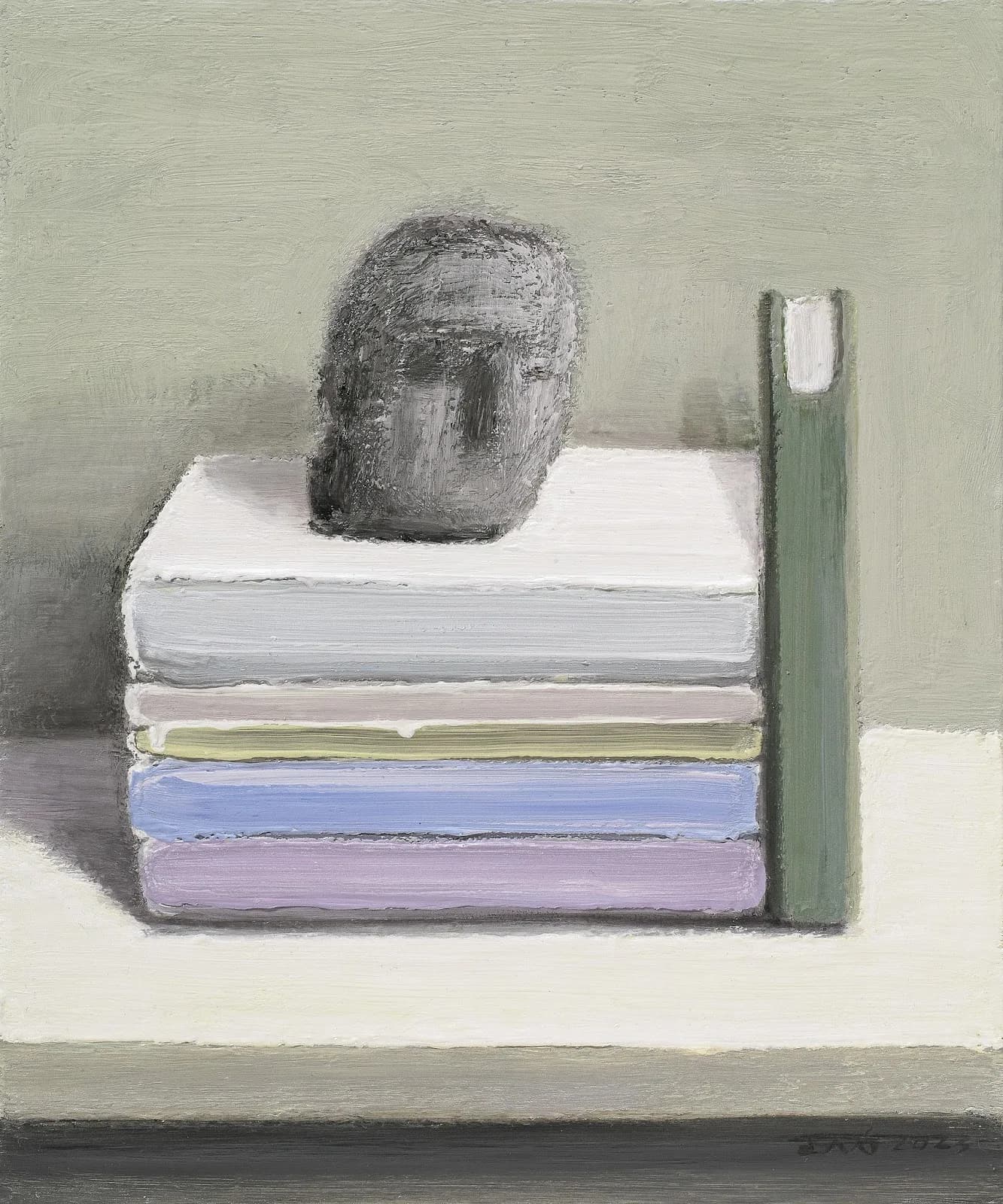
SAF Painters — From Korean Painting to Abstraction
The 40+ painters of SAF 2026, read across six lineages — from Reality and Utterance founders to KAIST-trained painters, Brussels sculpture MFAs, and Goryeo-Buddhist-painting masters.
Apr 20, 2026 · Seed Art Festival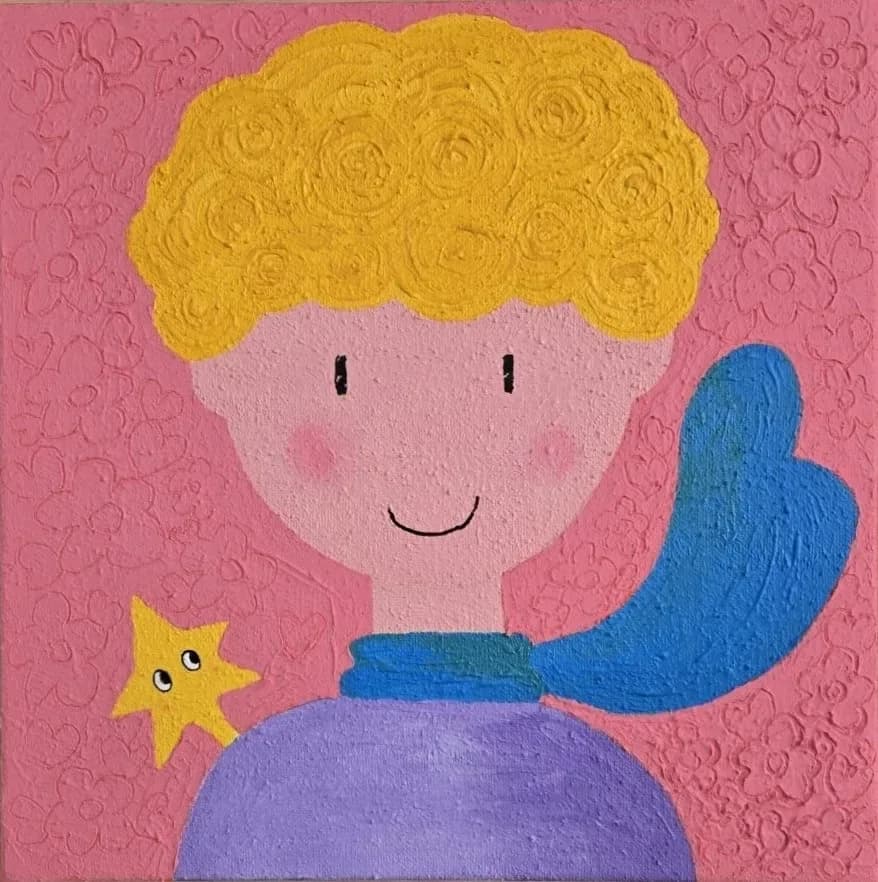
Contemporary Art Pricing — Artist, Medium, Size, Date: 4 Factors of Korean Art Market
“Is this price fair?” The question every buyer asks. To answer it you need to understand the four forces that set art prices: artist, medium, size, and date.
May 2, 2026 · Seed Art FestivalOther works by Park Suji
View All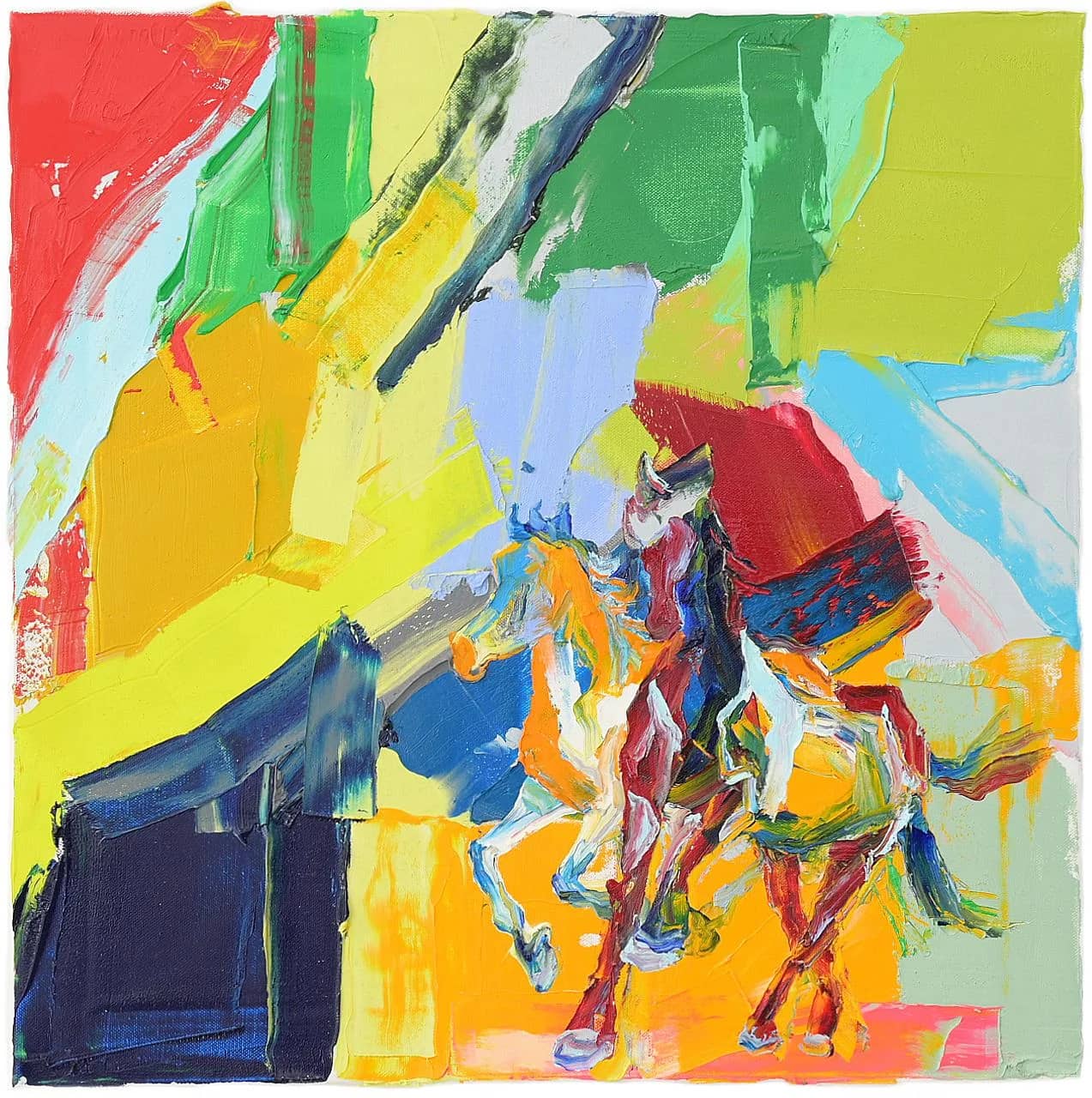
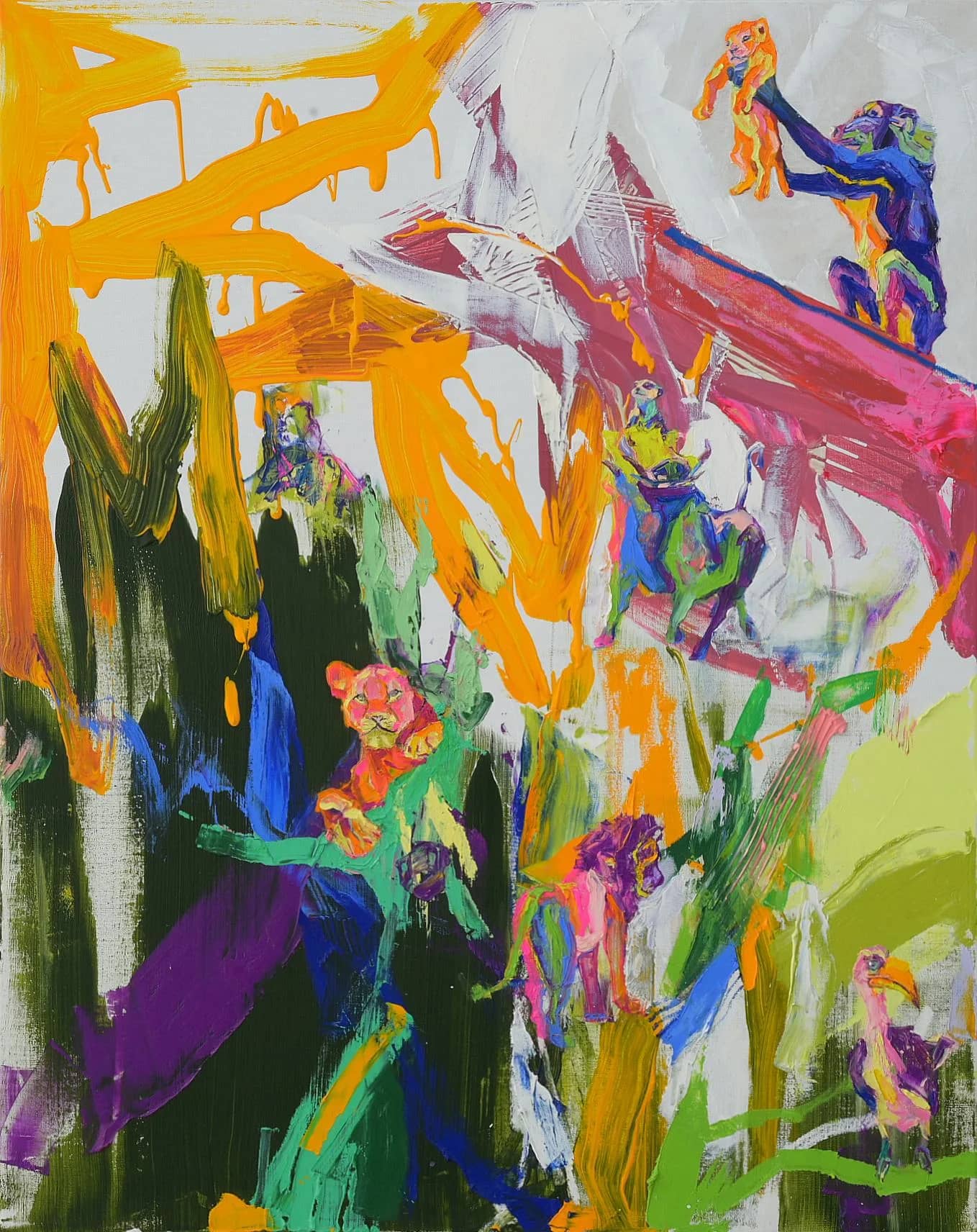
More Painting Artworks
View all Painting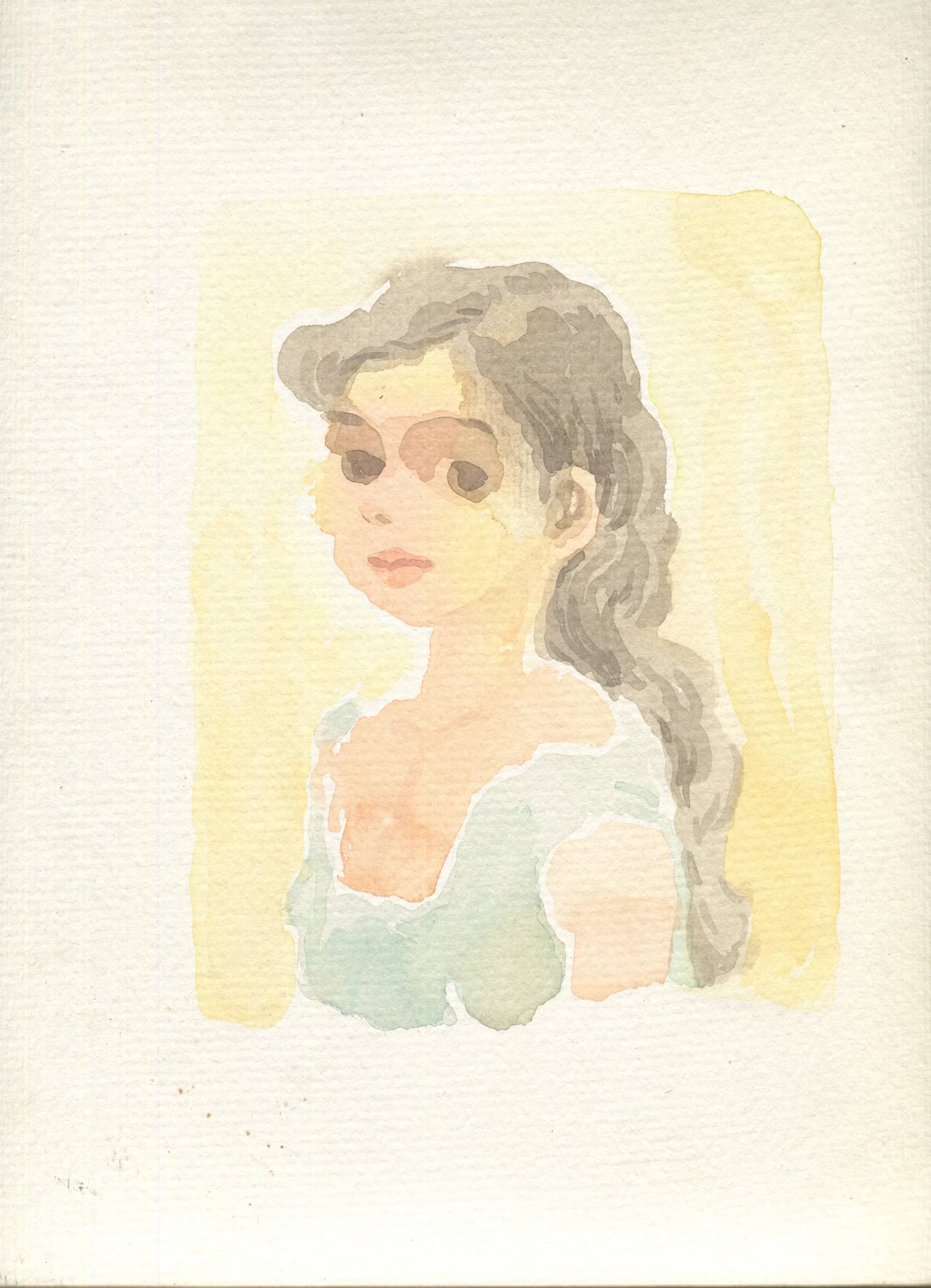
Girl
Park Jae-dong
₩3,000,000
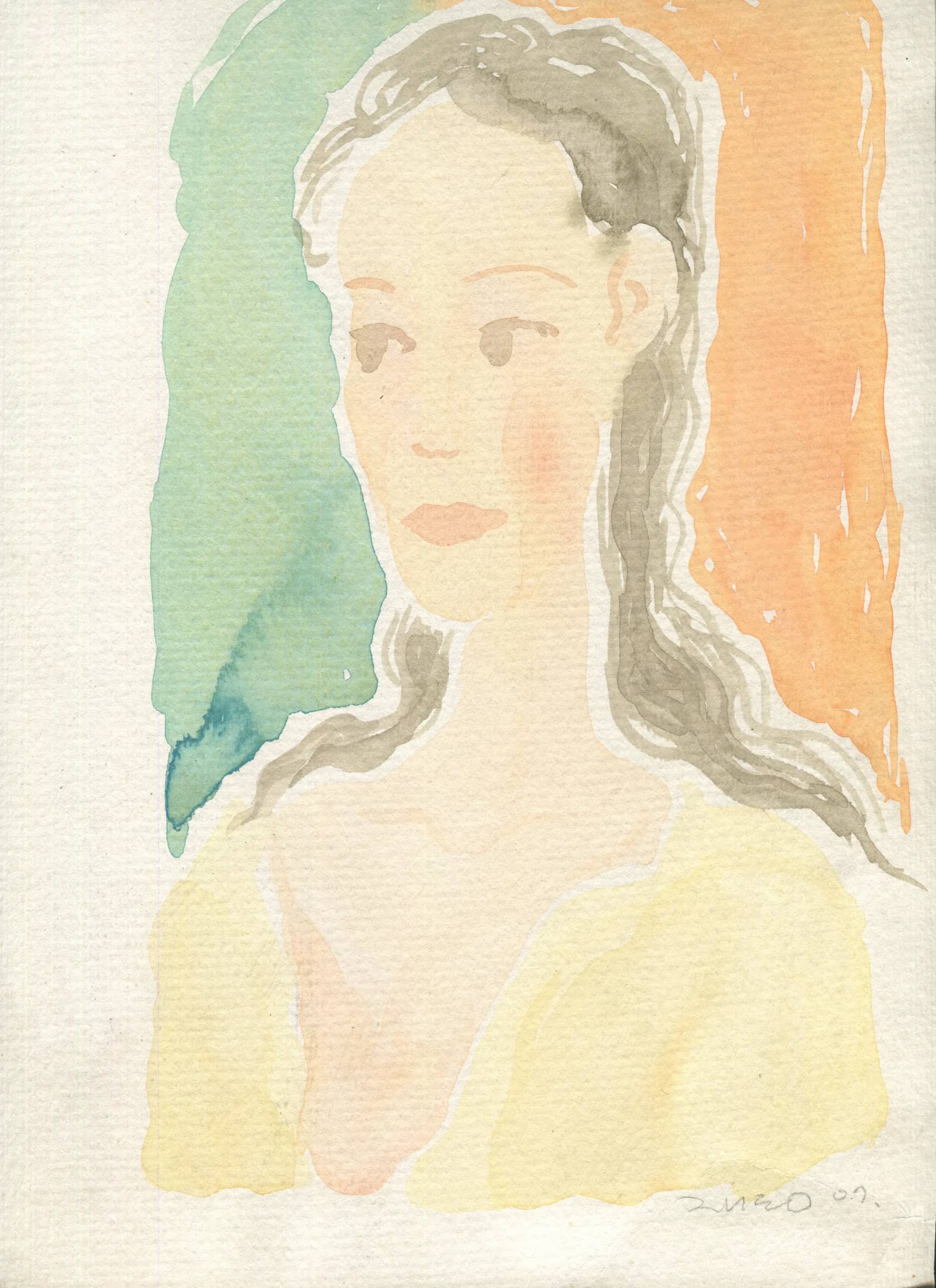
Woman
Park Jae-dong
₩3,000,000

Hometown Village Scenery
Park Jae-dong
₩4,000,000

Cityscape
Park Jae-dong
₩5,000,000

Boy by the Sea
Park Jae-dong
₩5,000,000
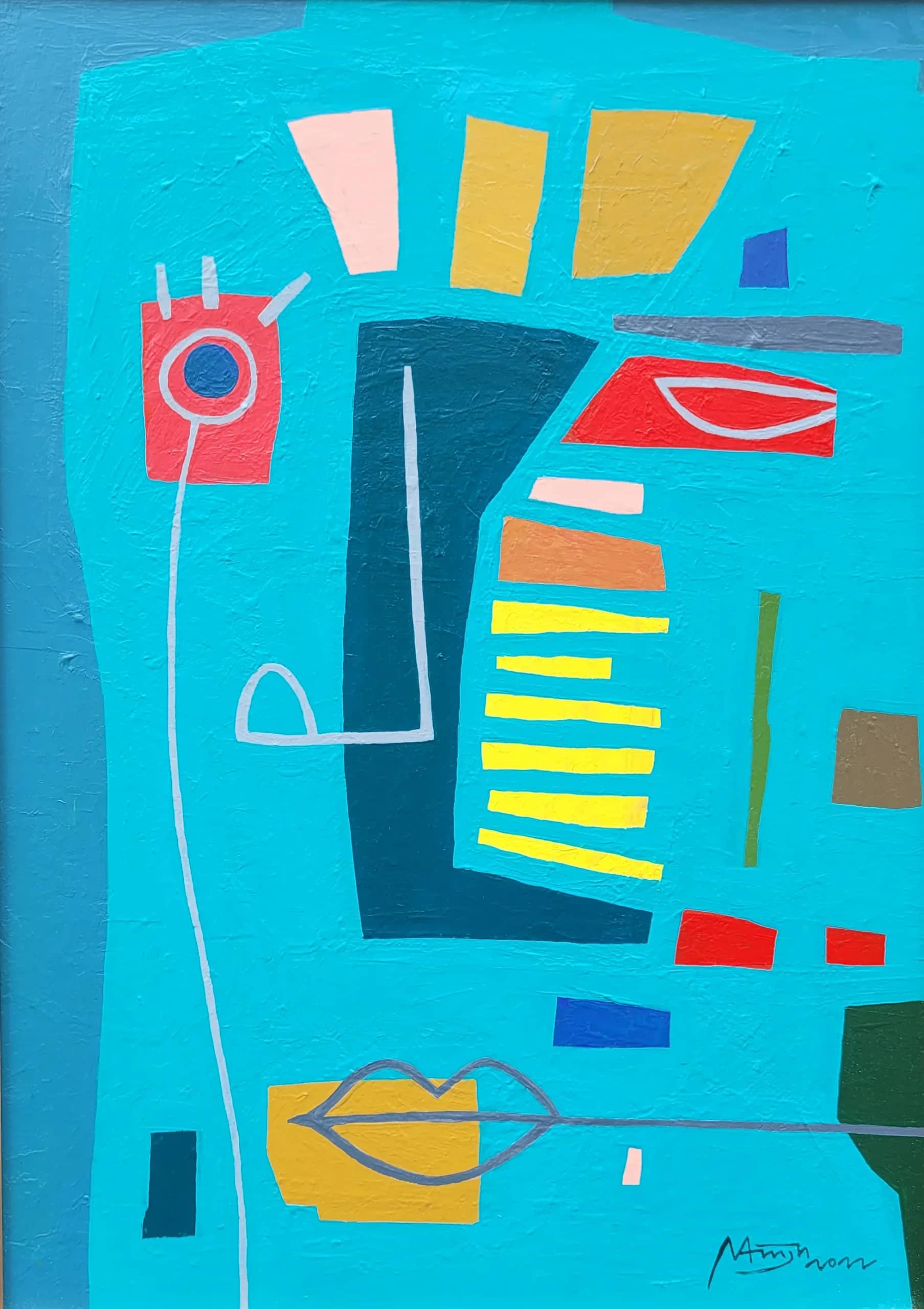
Without a Single Stain of Shame
Nam, Jin Hyun
₩1,500,000
Two beginnings made by one piece
- For you —
- One-of-a-kind in the world
- For the artist —
- the pride of standing with a peer
- For a fellow artist —
- a new ₩3,000,000 path of low-interest support
354 artists have walked this path of recovery; 95% returned to open it for the next.