Price
₩50,000,000
Want to consult before buying? Request a consultation
Art protects art
8 out of 10
artists are shut out by banks
354
loans extended to fellow artists
95%
repayment rate — trust comes full circle
~KRW 140M
interest saved vs. predatory rates
Until the next exhibition, the next performance. For artists, income gaps are an unavoidable reality. For fellow artists forced into predatory loans just to afford paint, canvas, and studio rent, proceeds from this artwork become the Seed Fund — extending a fair hand at fair rates.
Voices of fellow artists
“The memory of going hungry for three days, alone, so my children wouldn't know.”
— 50s, theater artist
“I've been putting off urgent dental treatment because I can't afford it. I should be seeing a doctor regularly, but enduring instead of going has become a habit.”
— 50s, actor
“I kept delaying ear treatment because I had no money, and the symptoms in both ears worsened.”
— 30s, musician
“I couldn't pay my hospitalized mother's bills, so we had to delay her discharge, and she had to give up tests and treatment she needed.”
— 50s, actor/broadcaster
“Because of money troubles I had nowhere to go — drifting between gosiwon rooms and rehearsal studios, and for a while sleeping rough.”
— 30s, musician
“Because of unpaid rent, my collective was forced to vacate our shared workspace and home. Neither bank loans nor artist loans could help.”
— 50s, actor
“Without money, life collapses — and creating art? Out of the question.”
— 50s, artist
“It's painful that solving this month's money problems has to come before the work itself. As an artist, I can only earn well when the work succeeds — yet I have to chase odd jobs every month instead. It feels like being trapped in a vicious cycle.”
— 40s, musician
“Debt collection calls disrupted my rehearsals and performances, and the psychological burden made every day painful and the next day frightening.”
— 40s, theater artist
“Many times the loan payments looming each month forced me to step away from performing and focus on part-time work.”
— 50s, actor
“Sleeping less than four hours a night, juggling part-time jobs and theater — but the more I performed, the more debt piled up. Eventually I decided to quit performing.”
— 30s, actor
“When things were hardest, I couldn't even attend close friends' weddings or funerals — and as a result, relationships were severed.”
— 50s, actor/broadcaster
“When I said I was a stage actor, the loan officer called me "unemployed."”
— 50s, actor
“The shame and severed friendships that came with borrowing from people I knew, the pressure of failing to pay it back, the helplessness.”
— 50s, cartoonist/visual artist
“Even with programs meant for low-income citizens, I feel shame when I can't produce enough documentation simply because I'm an artist.”
— 30s, film/broadcasting professional
One artwork becomes the oxygen that keeps a fellow artist creating.
Sales proceeds go to the artist mutual-aid fund.
When Longing Colors Everything
Choe Byeongsu
- Category
- Sculpture
- Material
- Steel
- Size
- 32×140×500cm · 3D How big is this? →
- Year
- 2025
- Price
- ₩50,000,000
- Availability
- For sale
About the Artist
Choi Byeongsoo was born in 1960 in Pyeongtaek, Gyeonggi-do, and moved as an infant to Sangdo-dong in Seoul. Due to his family's poverty, he dropped out of Hangwang Vocational School in his second year and entered working life early—taking on dozens of jobs as a newspaper boy, Chinese restaurant deliveryman, lathe assistant, sewing machine repairman, boiler operator, electric welder, and carpenter, traveling across Korea as a laborer. Through his childhood friend Kim Hwanyoung (involved in the Sinchon Mural Incident and producer of The Hen Who Dreamed She Could Fly), he became close to Hongik University art students. Living in a vinyl greenhouse in Gupabal that became their gathering place, he became involved in iconic episodes of artistic censorship and repression—the Sinchon Mural Incident (〈Working People〉) and the Jeongneung Mural Incident (〈Sangsaengdo〉). Influenced by his friend Kim Hwanyoung, he frequented Geurim Madang Min and joined the Korean People's Artists Association (Minmihyeop), participating in its mural division (collaborating with Ryu Yeonbok and others on 〈A Hundred Years of Solidarity〉). In 1987, after seeing newspaper coverage of student activist Lee Hanyeol felled by police tear gas during the June Democracy Uprising, he created—with help from Moon Youngmi and Moon Youngtae—the iconic banner painting 〈Save Hanyeol〉 (Han-yeol-i-reul Sallyeo-naera) and prints, installing it at Yonsei University's Student Union. He went on to produce defining banner paintings of the 1980s cultural movement, including 〈Labor Liberation Painting〉 (1989), 〈Mt. Baekdu〉 (1989), 〈Anti-War, Anti-Nuclear Painting〉 (1988), and 〈Jangsangotmae〉. Even after the cultural movement subsided in the late 1980s, he has continued artistic activism, including environmental and ecological work based in Yeosu, South Jeolla.
Key Career Highlights
Related materials
Korean media · Original Korean article
This article text is currently available in Korean. Open the source to read the original version.
Korean media · Original Korean article
This article text is currently available in Korean. Open the source to read the original version.
Korean media · Original Korean article
This article text is currently available in Korean. Open the source to read the original version.
Korean media · Original Korean article
This article text is currently available in Korean. Open the source to read the original version.
Magazine
Sculpted by Hand — Sculpture and Ceramics at SAF
Sculpture and ceramics at SAF 2026 — few in number, wide in world. From Yang Sun-yeol's roly-poly resin to Kim Ju-ho's ceramic, with a farewell to Lee Iktae (1947–2025).
Apr 20, 2026 · Seed Art Festival
A First-Time Art Buyer’s Price Guide — From ₩300K to ₩10M
“How much should I start with?” The most common question from first-time art buyers. Here is what you can buy, and how to choose, at four price tiers — ₩300K, ₩1M, ₩3M, and ₩10M.
Apr 30, 2026 · Seed Art FestivalOther works by Choe Byeongsu
View All
More Sculpture Artworks
View all Sculpture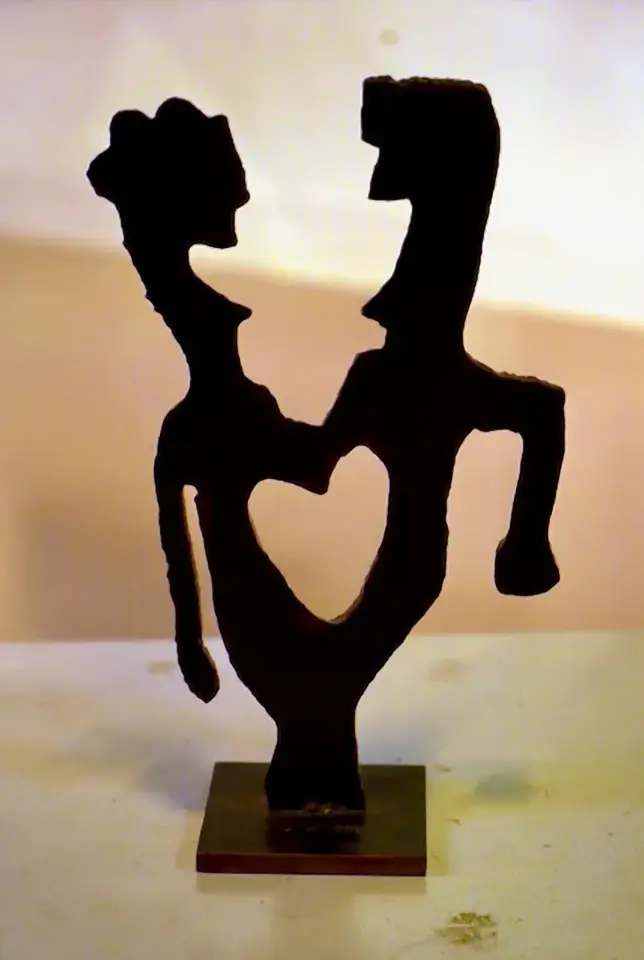
Making Love
Kim Juho
₩1,000,000
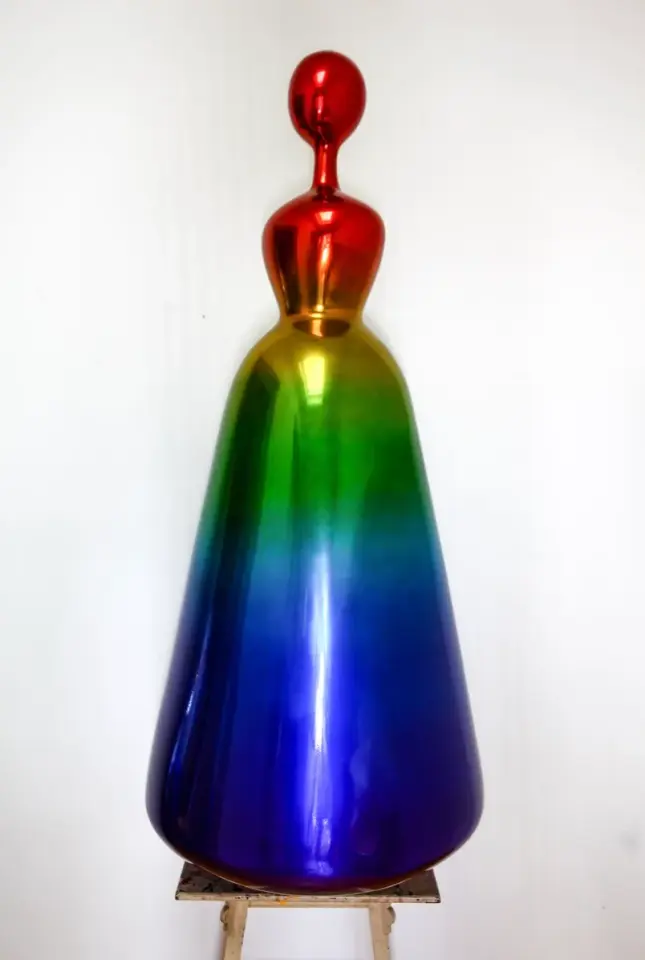
Ottogi Chrome Rainbow (blue top)
Yang Sunyeol
₩35,000,000
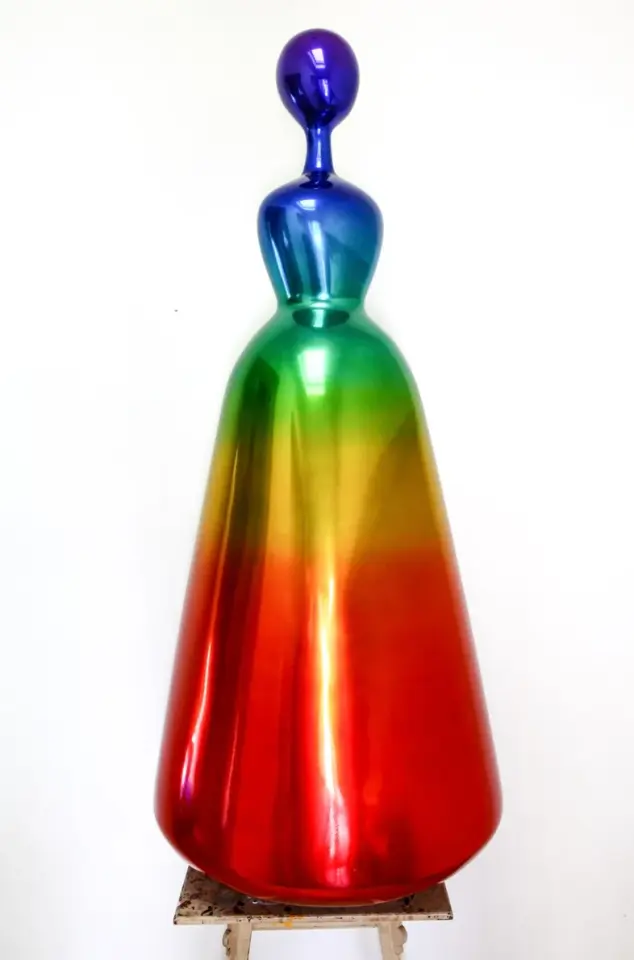
Ottogi Chrome Rainbow (purple top)
Yang Sunyeol
₩35,000,000
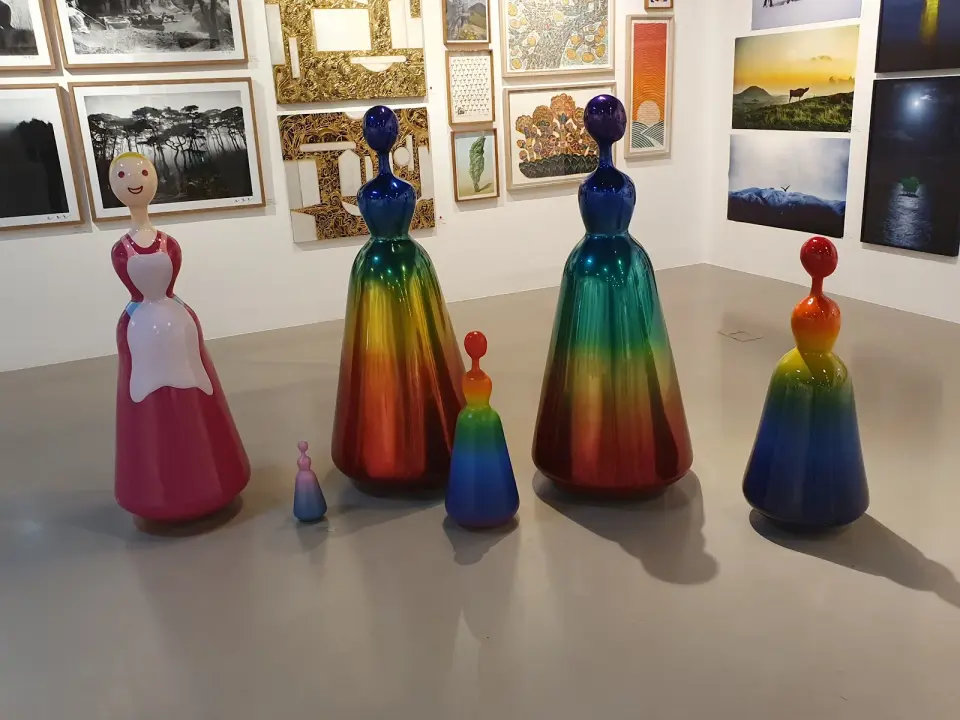
Ottogi_Mother Ya-ho
Yang Sunyeol
₩25,000,000
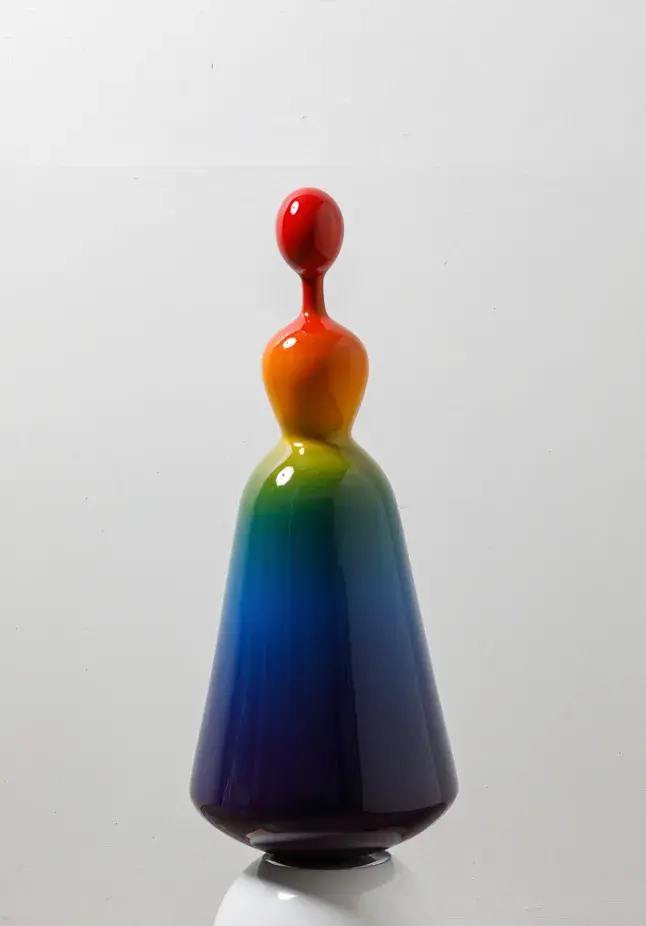
Ottogi Earthy Rainbow
Yang Sunyeol
₩18,500,000
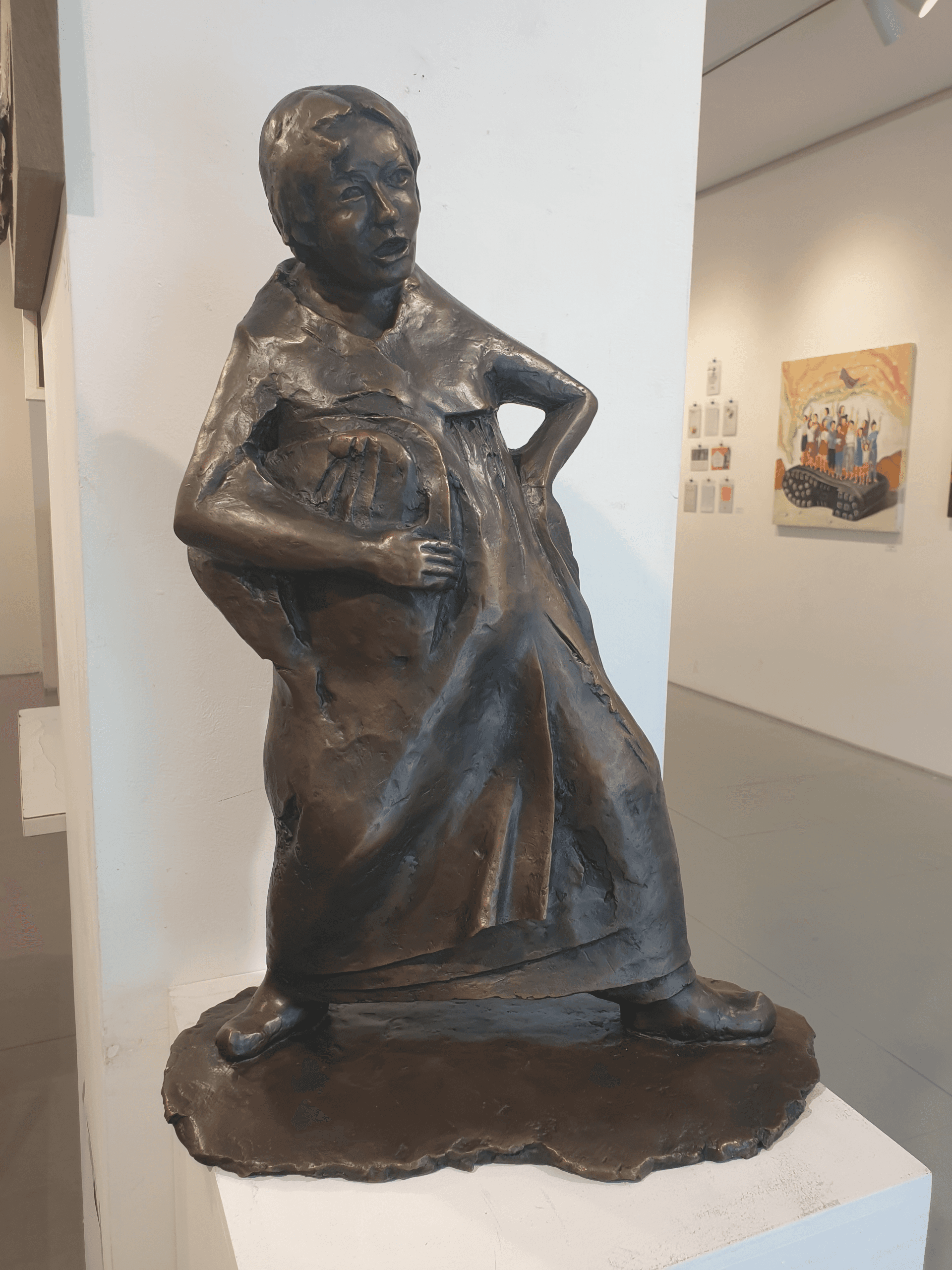
춤사위
심정수
₩15,000,000
Price
₩50,000,000
Two beginnings made by one piece
- For you —
- One of a limited cast
- For the artist —
- the pride of standing with a peer
- For a fellow artist —
- a new ₩3,000,000 path of low-interest support
354 artists have walked this path of recovery; 95% returned to open it for the next.