Artist stories, collecting guides, and art knowledge
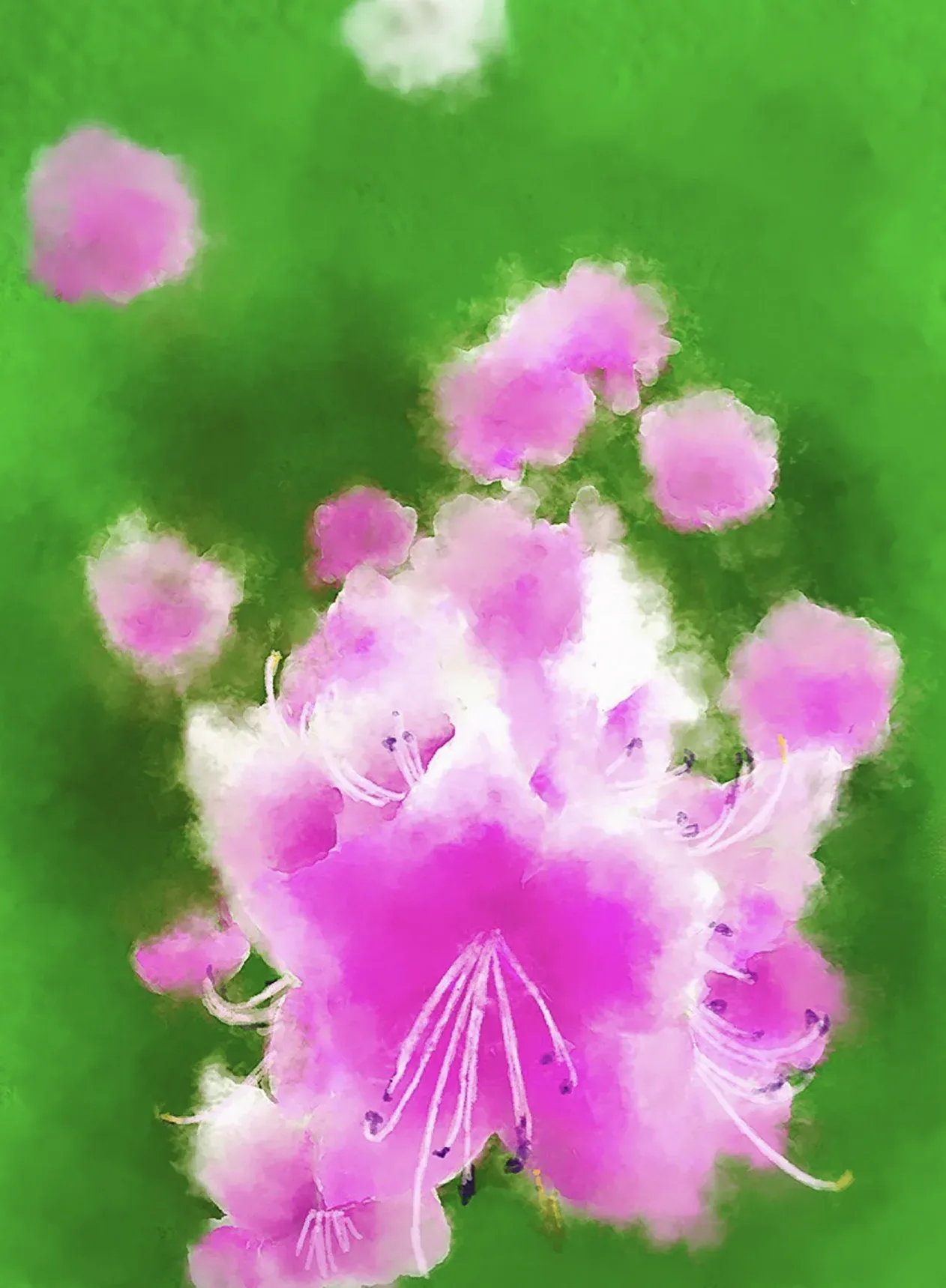
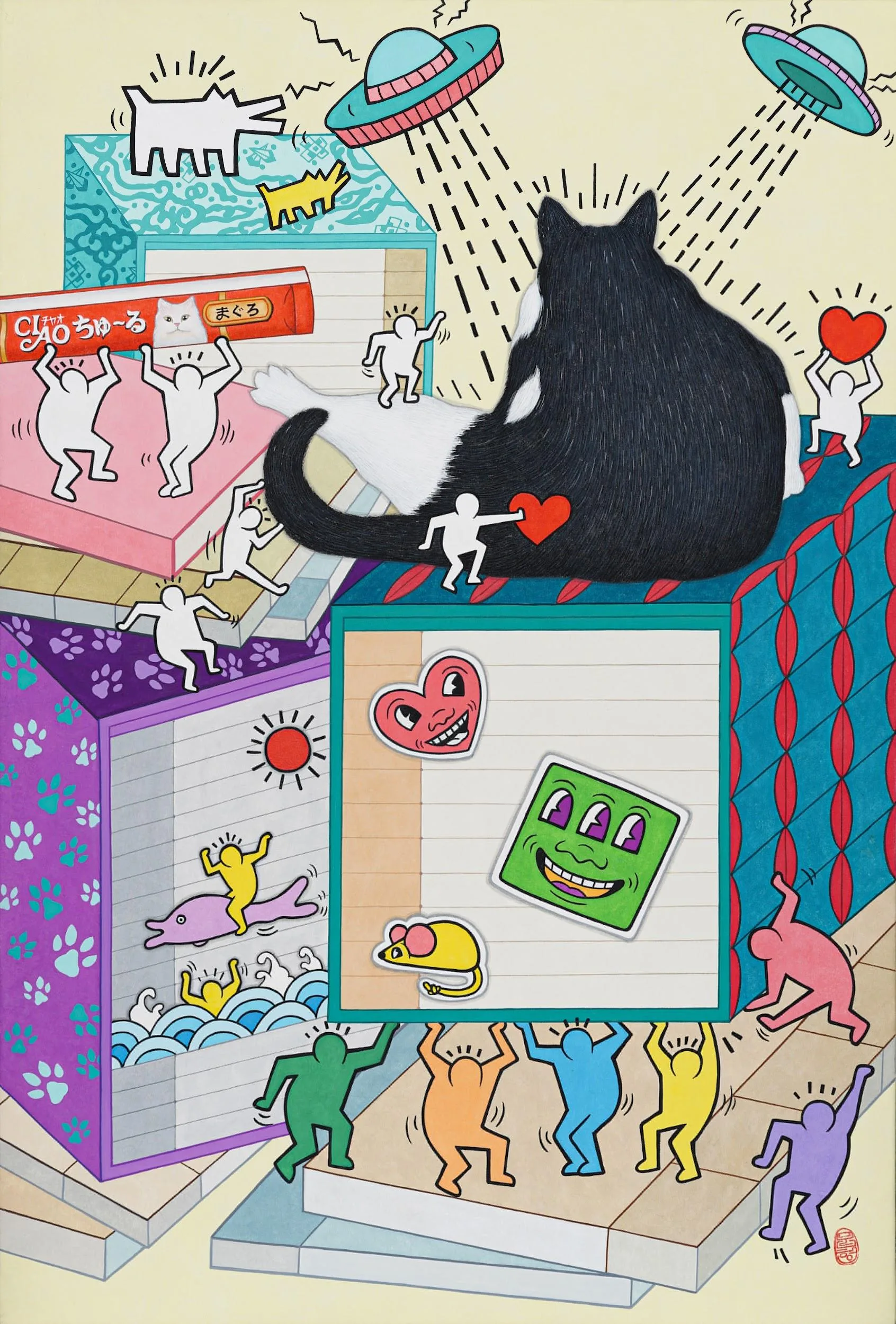
The idea that painting with oil on canvas is the only 'real' art was dismantled long ago. Twenty-one works at SAF 2026 are digital or mixed-media pieces that ask what materials art can claim. Jeong Chaehui's lacquer-and-eggshell work on digital print is the most striking example.
Standing in front of a gallery work, most people feel pressure to appear more knowledgeable than they are. This three-step guide starts from that discomfort — from first impression to artist statement, your reading of the work is valid.
When buying art for the first time, the most confusing question is often 'what is this actually made of?' Understanding the medium changes everything. This guide breaks down all 11 categories in SAF 2026 — from oil and acrylic to printmaking and photography — and helps you find what fits your taste.
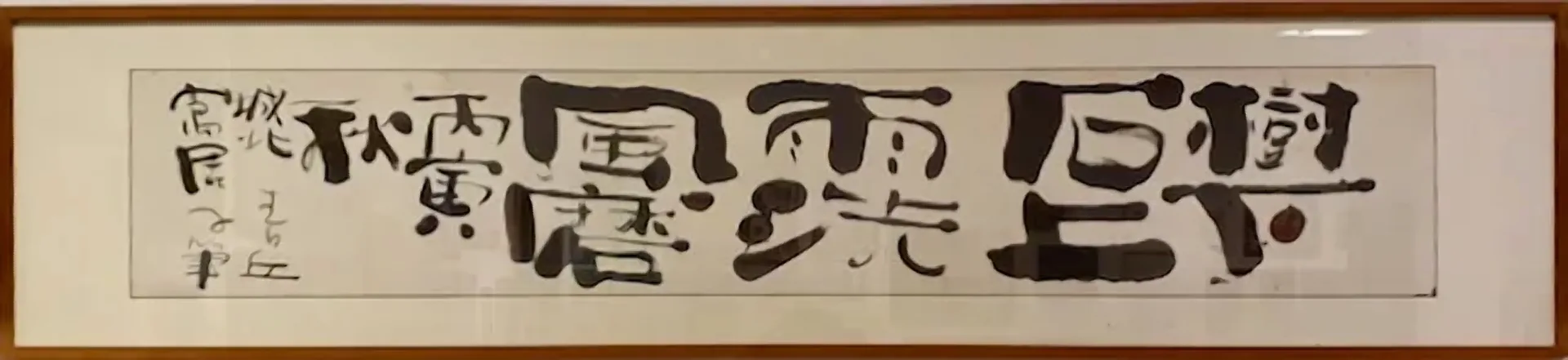
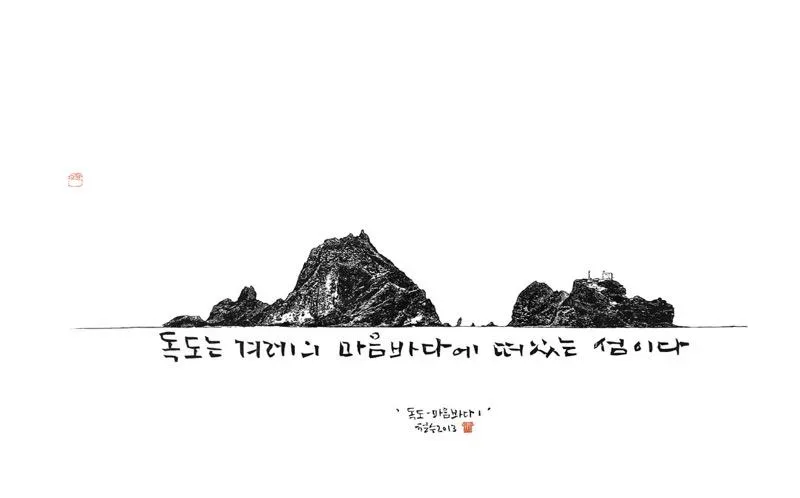
Born in Cheongju in 1928 and gone in 1990, Min Byungsan was known as the 'Street Philosopher' and 'Korea's Diogenes.' His lifelong craft of Min Byungsan-style calligraphy and prose writings now stand, thirty-six years after his death, on the frontlines of solidarity through SAF.
Ever walked into an art exhibition and felt lost about where to start? From 10-minute pre-visit research to the two-loop viewing strategy and post-visit journaling, this practical guide helps you enjoy exhibitions twice as much, including a new way to view art online.
A painter who spent his entire life in a Japanese-influenced style exploded in the final years before his seventieth birthday. Park Saenggwang's last eight years — covering shamans, dancheong, and talismans in obangsaek — stand as one of the most dramatic transformations in Korean modern art. Two of his drawings appear in SAF 2026.
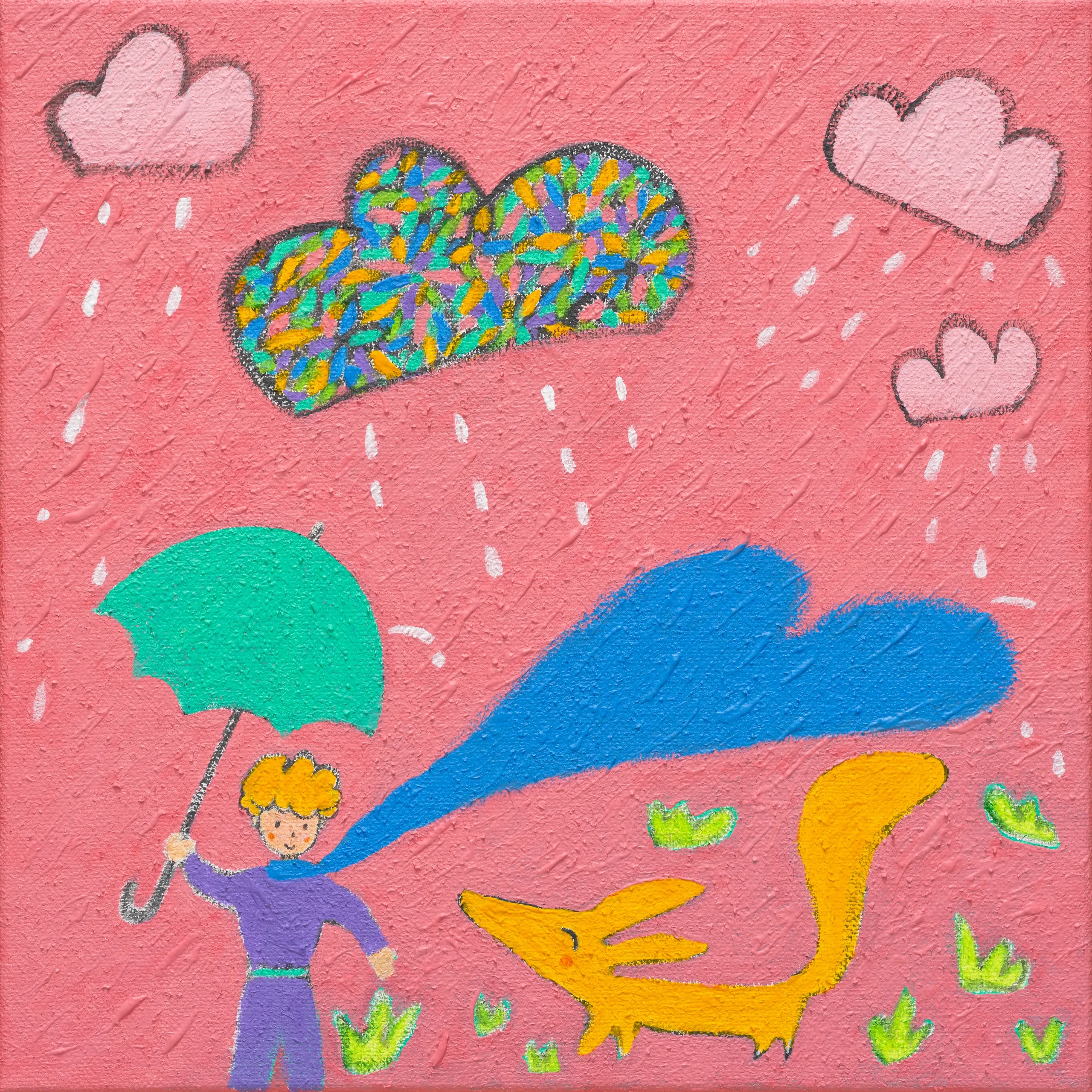
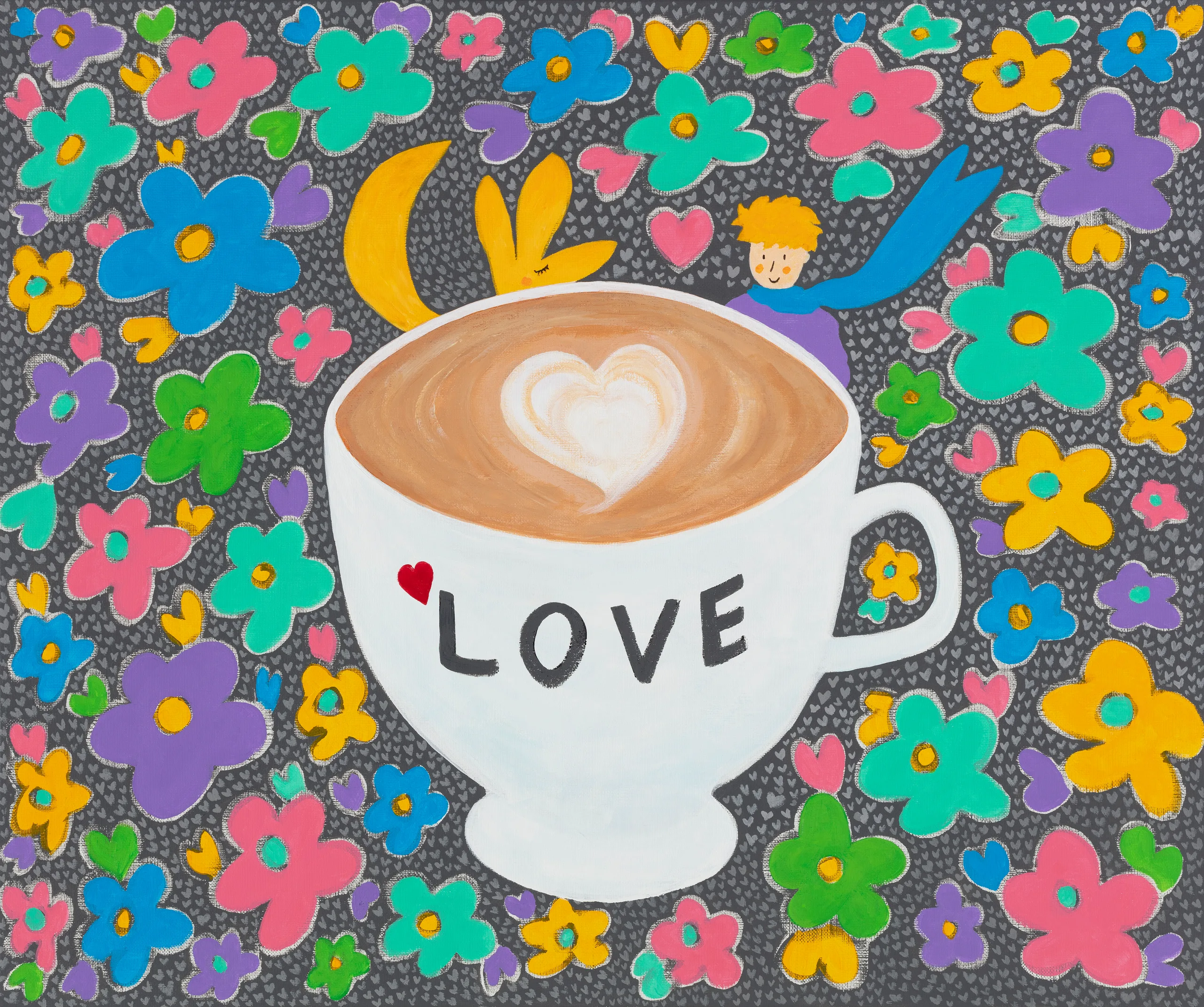
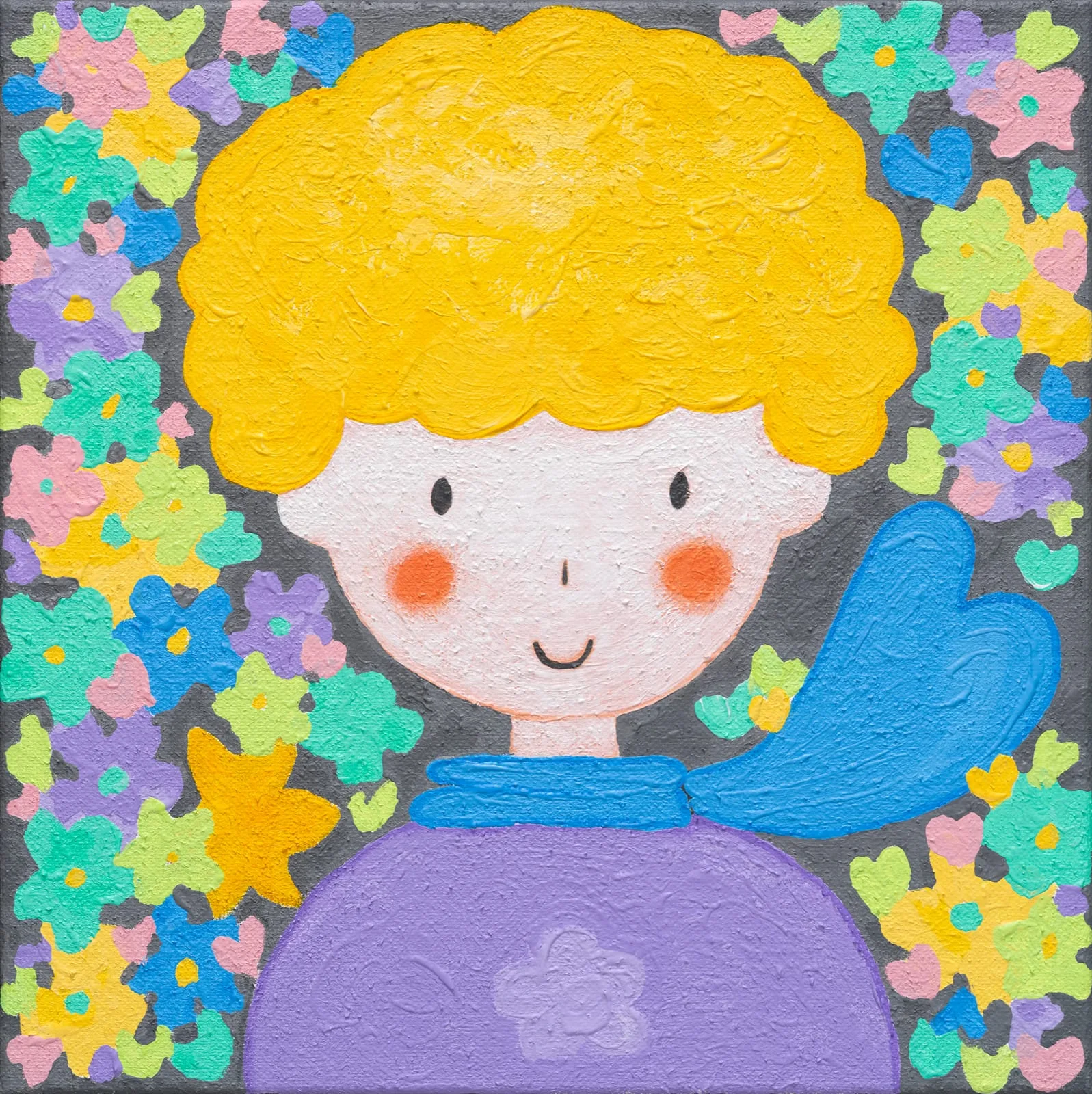
Since first encountering Saint-Exupéry's Little Prince, Kang Seoktae has been asking the same question for over three decades: what do we lose when we become adults? His works held by the MMCA Art Bank and the French Cultural Center in Korea appear in SAF 2026 in a showing of fifteen pieces.
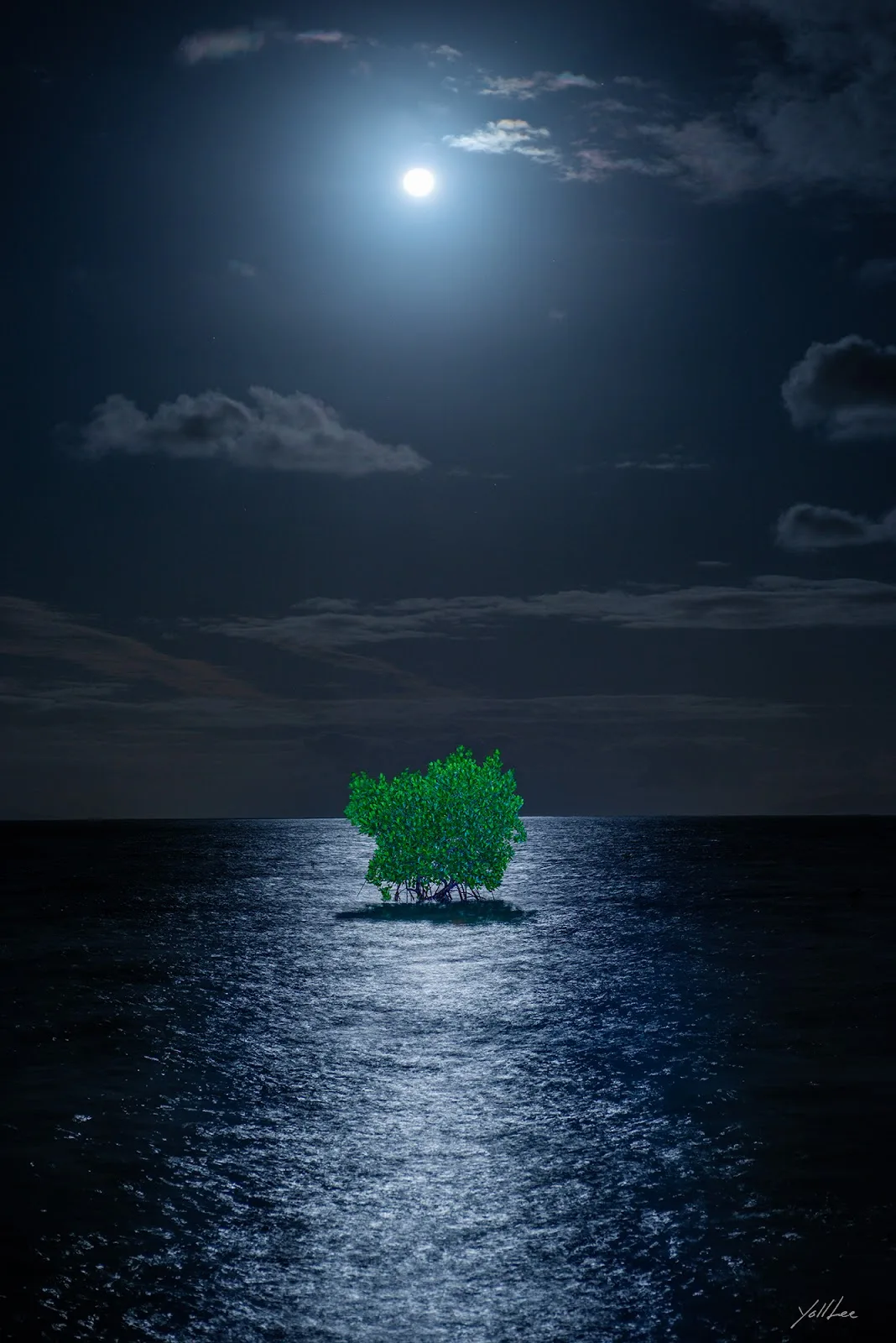
"Isn't a photo just something you take?" That question has sparked debate for over 150 years. Through 31 photographs in SAF 2026, this article explains what fine art photography is, why pigment prints can last centuries, and what diasec actually means.
A 300,000-won print and a 35,000,000-won sculpture can hang in the same exhibition. We break down the five factors behind artwork pricing using real data from SAF 2026.
Found a piece you love but unsure if it'll fit? Here's a room-by-room size guide for Korean apartments, with specific measurements and tips for getting it right.
Received your first artwork and not sure what to do next? From unboxing to framing, hanging, long-term storage, and insurance — a practical guide for first-time collectors.
Auctions, galleries, art fairs, and online platforms — four channels exist in the Korean art market. We compare each one's strengths and barriers, then point out where a first-time collector should start. One channel turns every purchase into solidarity.
Two hours round-trip to a museum. Exhibitions open only on weekends. ₩15,000 admission. You love art, but getting to it is exhausting. What if art could come to you instead?
The Korean government buys art with tax money and lends it to public institutions. Over 20 years: 4,400 works, ₩34 billion spent. Here's how the 'Art Bank' works, where it falls short, and an alternative that lets ordinary citizens participate.
Is a gut feeling enough when choosing art? From emotional resonance and an artist's depth to technical quality, fair pricing, and the story behind the work — having clear criteria changes the way you choose, whether you're a first-time buyer or a seasoned collector.
People searching for art classes often just want to feel closer to art. But do you really need formal training to collect? Most collectors aren't art majors — and owning a work turns out to be the most powerful art education of all.
In the seventy years since the Korean War, Korean contemporary art absorbed, rejected, and reinterpreted Western traditions to forge its own language. From Art Informel to Dansaekhwa, from Minjung art to the global stage — this five-minute survey maps each era's key movements and shows where SAF 2026 artists stand in that history.
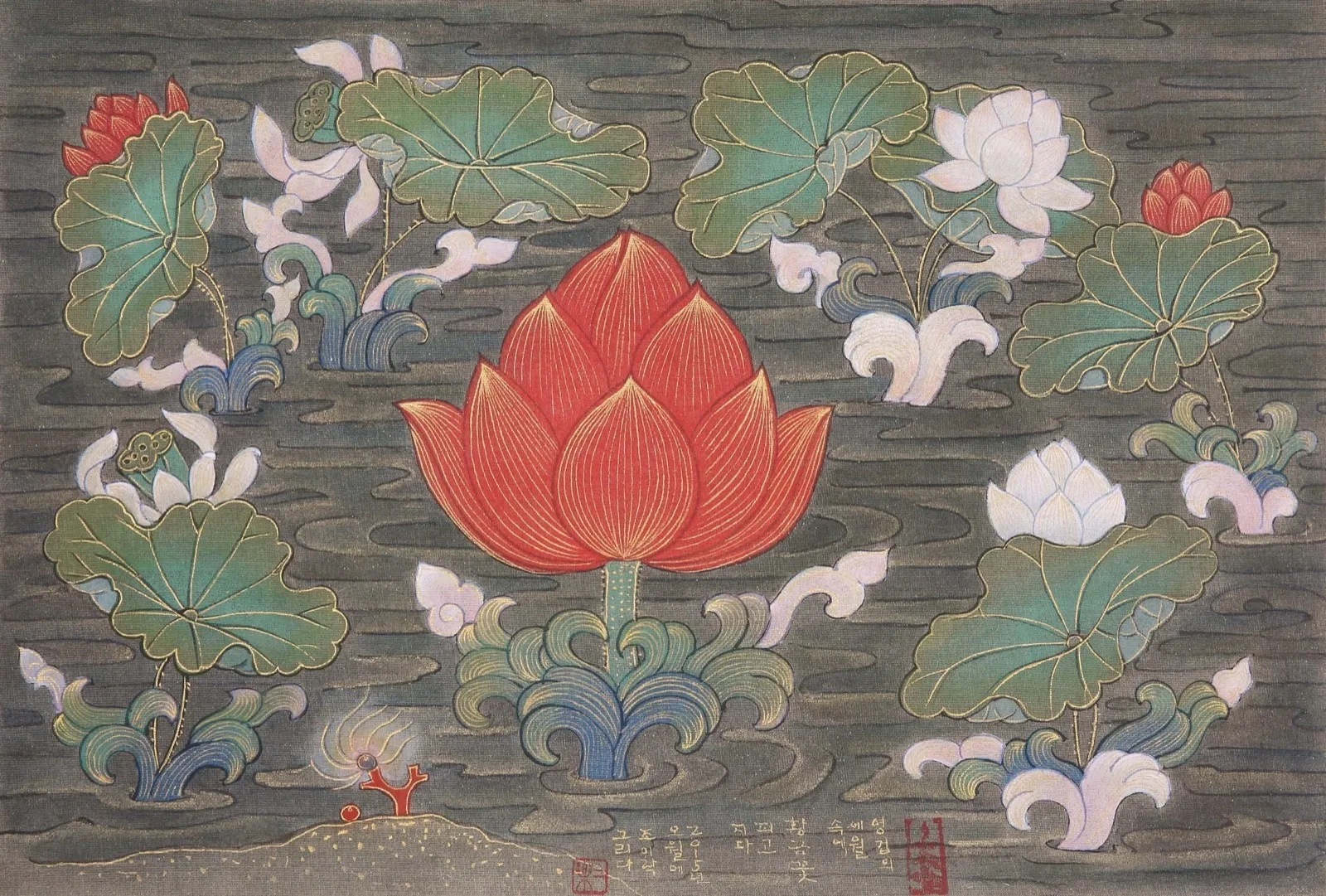
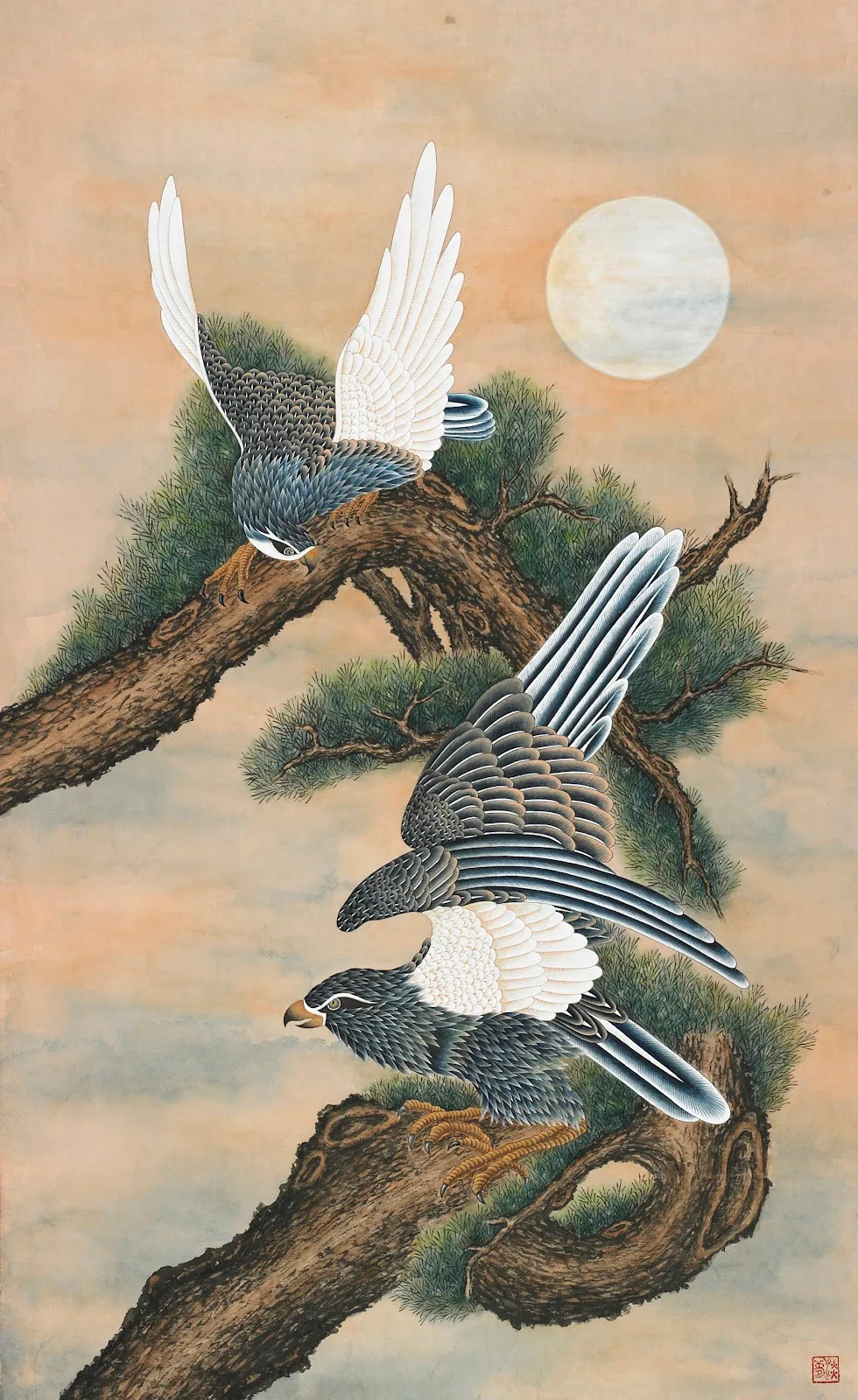
Korean traditional painting is far more than old-fashioned art. Materials like hanji, ink, powdered pigments, and mineral colors come alive in the hands of contemporary artists in entirely new ways. Through 25 Korean paintings in SAF 2026, this piece explores how traditional media meets a modern sensibility.
If you've ever stopped at '5/10 edition' and wondered what it means, this guide is for you. We break down originals, limited editions, and open editions using real works from SAF 2026.
The 127 artists of SAF 2026 did not show up for themselves. They came to stand for peers pushed out of the financial system, offering 354 works as an act of solidarity. This is the story of how art protects art.
The hesitation of buying your first artwork is universal. SAF offers 354 works from 30,000 won art prints to 50 million won originals. Here is how to find the one that is right for you.
"I told them I was a theater actor. The loan officer said I was unemployed." This single testimony captures the structural exclusion facing 84.9% of Korean artists from mainstream banks. Why is the work of an artist so easily read as no work at all?
The ₩34 million raised at the first Insadong exhibition in 2023 was the seed. Three years later: 354 loans, ~₩700 million deployed, 95% repayment. The numbers say one clear thing — artists pay back their debts.
Buying from SAF is not simply a transaction. Your payment becomes a fund, which becomes 7x in loan capacity, reaching financially excluded artists at a fixed 5% annual rate. This traces the chain reaction one painting can start.
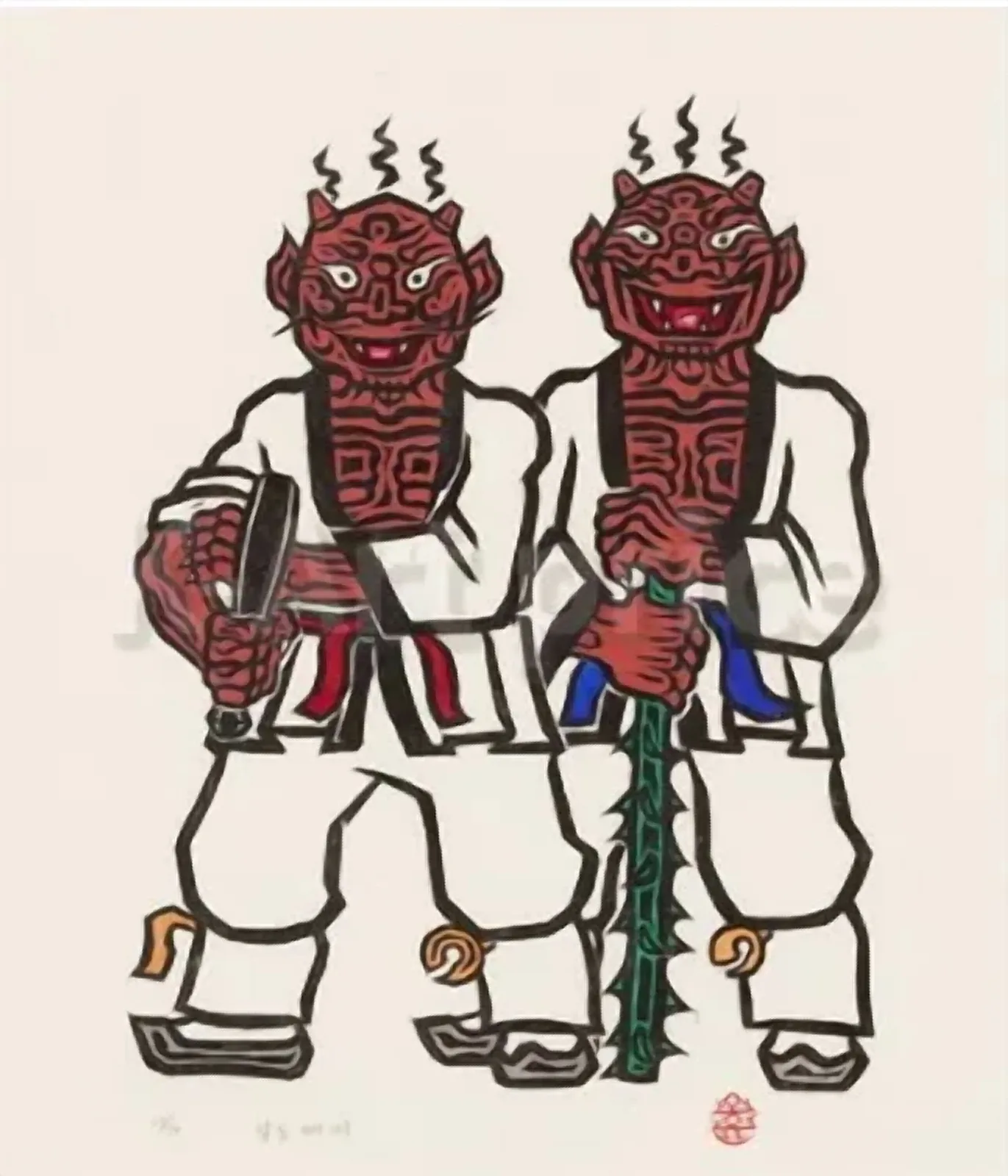
Printmaker Oh Yun died at forty-one in 1986, but the folk dances he carved into wood never stopped moving. Eighteen posthumous woodblock prints in SAF 2026 mark a poignant return: four decades after his death, his art now fuels a financial safety net for fellow artists.
"Isn't a print just a copy since there are multiple copies?" That question is the perfect starting point. This piece walks through the four major printmaking techniques — woodblock, intaglio, lithography, and screen printing — and explains why edition numbers guarantee value, and why O Yun's posthumous prints are still originals four decades later.
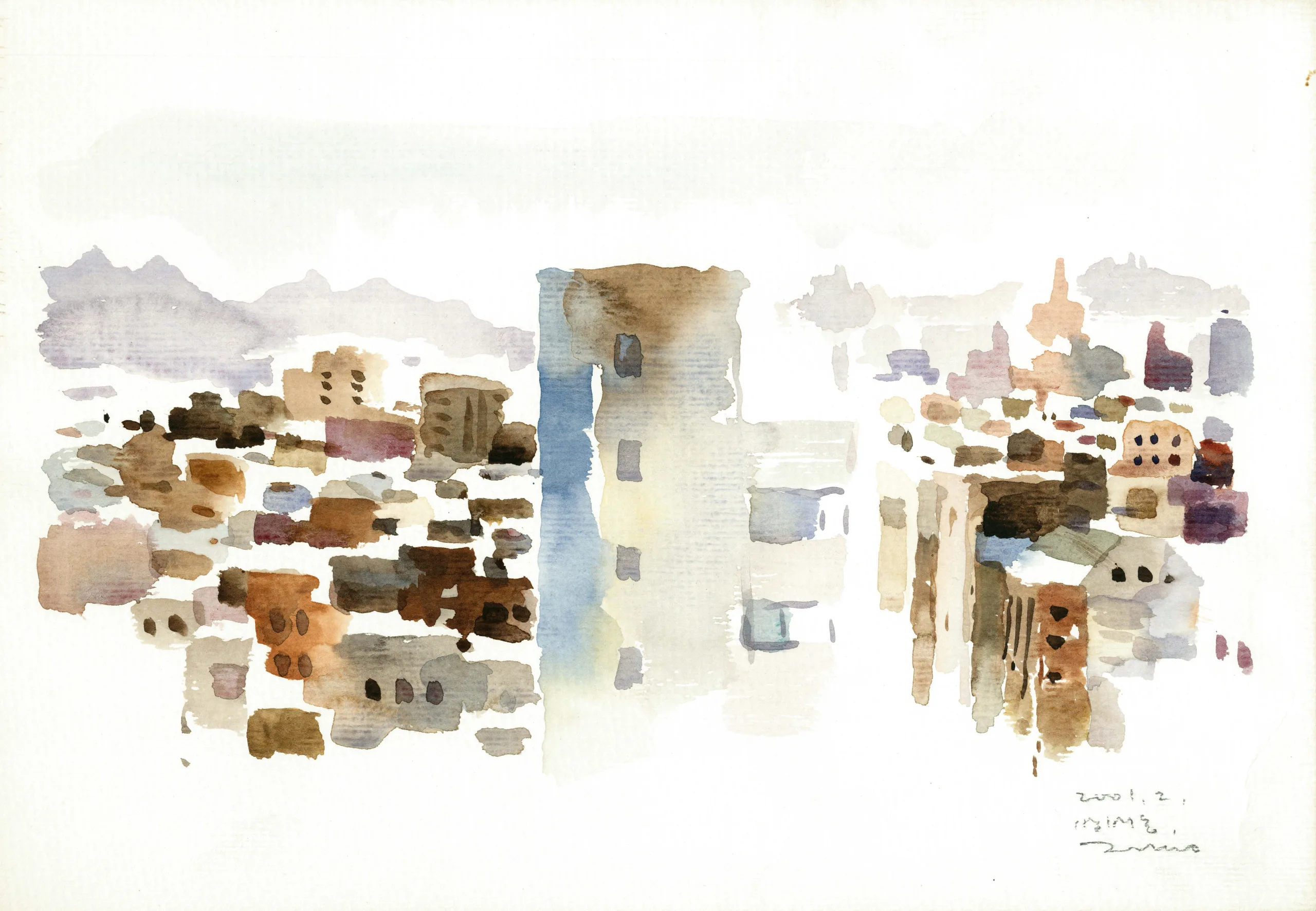
Of the 127 artists in SAF 2026, Park Jaedong contributed the most — 25 works ranging from watercolor originals to art prints. His choice raises a simple question: what kind of conviction does it take to give that much?
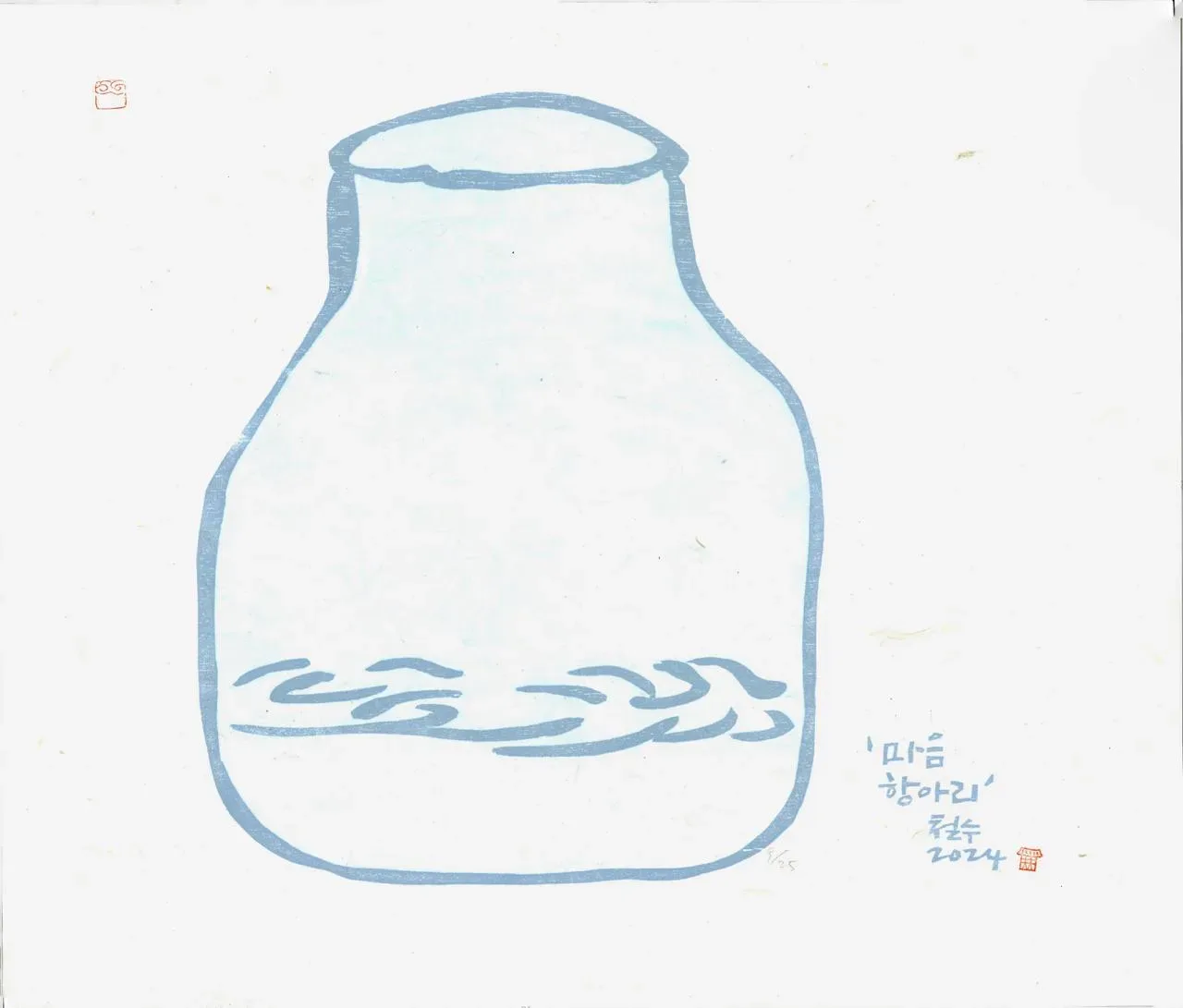
Self-taught printmaker Lee Cheolsu moved quietly from the frontlines of Minjung art toward a world of Zen spirituality. Farming and carving in equal measure today, his woodblock knife still cuts to the heart of the age's questions. The ten works he submitted to SAF 2026 offer a cross-section of that long journey.
In 1960, a young man enrolled at Hongik University's art school and left after one semester. His reason was simple: tuition money could buy more paint. That young man was Joo Jaehwan.