Price
₩1,000,000
Art protects art
8 out of 10
artists are shut out by banks
354
loans extended to fellow artists
95%
repayment rate — trust comes full circle
~KRW 140M
interest saved vs. predatory rates
Until the next exhibition, the next performance. For artists, income gaps are an unavoidable reality. For fellow artists forced into predatory loans just to afford paint, canvas, and studio rent, proceeds from this artwork become the Seed Fund — extending a fair hand at fair rates.
Voices of fellow artists
“The memory of going hungry for three days, alone, so my children wouldn't know.”
— 50s, theater artist
“I've been putting off urgent dental treatment because I can't afford it. I should be seeing a doctor regularly, but enduring instead of going has become a habit.”
— 50s, actor
“I kept delaying ear treatment because I had no money, and the symptoms in both ears worsened.”
— 30s, musician
“I couldn't pay my hospitalized mother's bills, so we had to delay her discharge, and she had to give up tests and treatment she needed.”
— 50s, actor/broadcaster
“Because of money troubles I had nowhere to go — drifting between gosiwon rooms and rehearsal studios, and for a while sleeping rough.”
— 30s, musician
“Because of unpaid rent, my collective was forced to vacate our shared workspace and home. Neither bank loans nor artist loans could help.”
— 50s, actor
“Without money, life collapses — and creating art? Out of the question.”
— 50s, artist
“It's painful that solving this month's money problems has to come before the work itself. As an artist, I can only earn well when the work succeeds — yet I have to chase odd jobs every month instead. It feels like being trapped in a vicious cycle.”
— 40s, musician
“Debt collection calls disrupted my rehearsals and performances, and the psychological burden made every day painful and the next day frightening.”
— 40s, theater artist
“Many times the loan payments looming each month forced me to step away from performing and focus on part-time work.”
— 50s, actor
“Sleeping less than four hours a night, juggling part-time jobs and theater — but the more I performed, the more debt piled up. Eventually I decided to quit performing.”
— 30s, actor
“When things were hardest, I couldn't even attend close friends' weddings or funerals — and as a result, relationships were severed.”
— 50s, actor/broadcaster
“When I said I was a stage actor, the loan officer called me "unemployed."”
— 50s, actor
“The shame and severed friendships that came with borrowing from people I knew, the pressure of failing to pay it back, the helplessness.”
— 50s, cartoonist/visual artist
“Even with programs meant for low-income citizens, I feel shame when I can't produce enough documentation simply because I'm an artist.”
— 30s, film/broadcasting professional
One artwork becomes the oxygen that keeps a fellow artist creating.
Sales proceeds go to the artist mutual-aid fund.
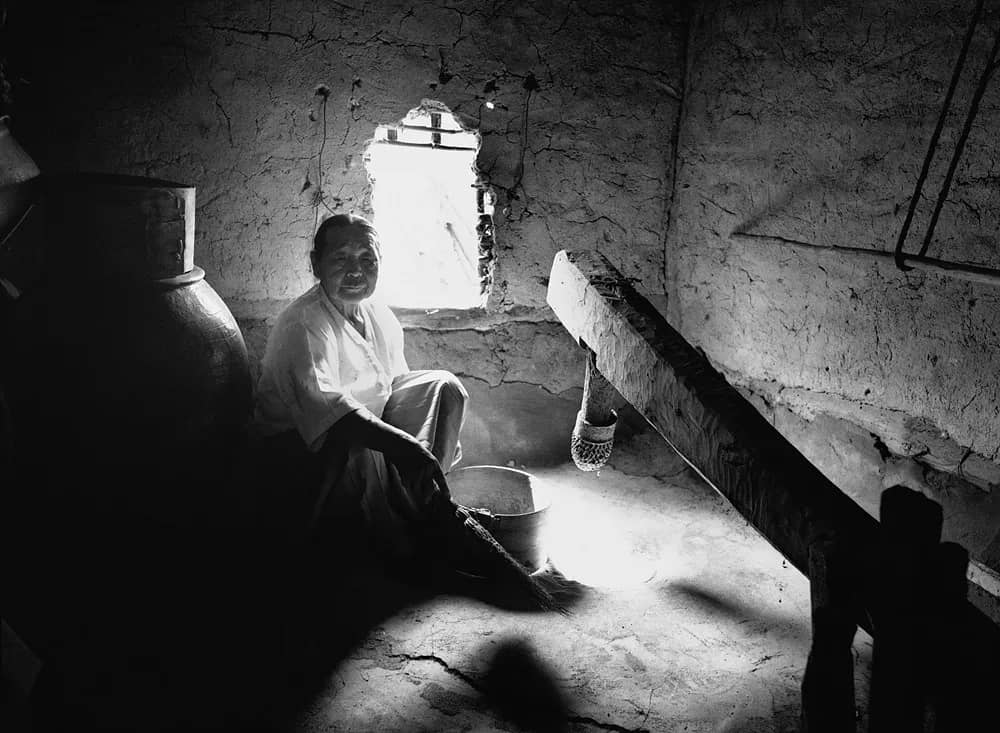
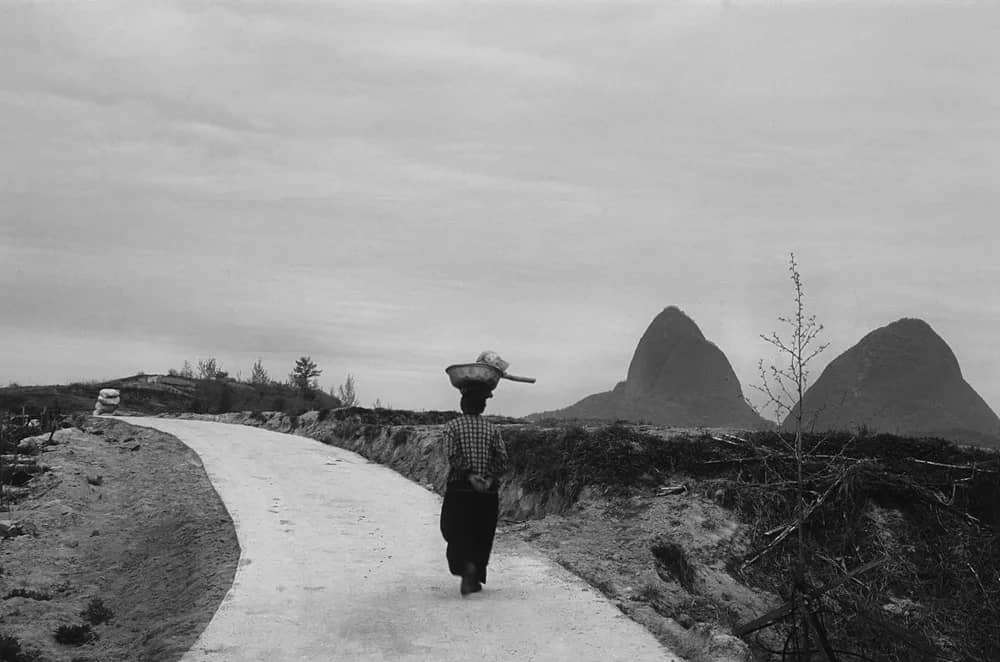
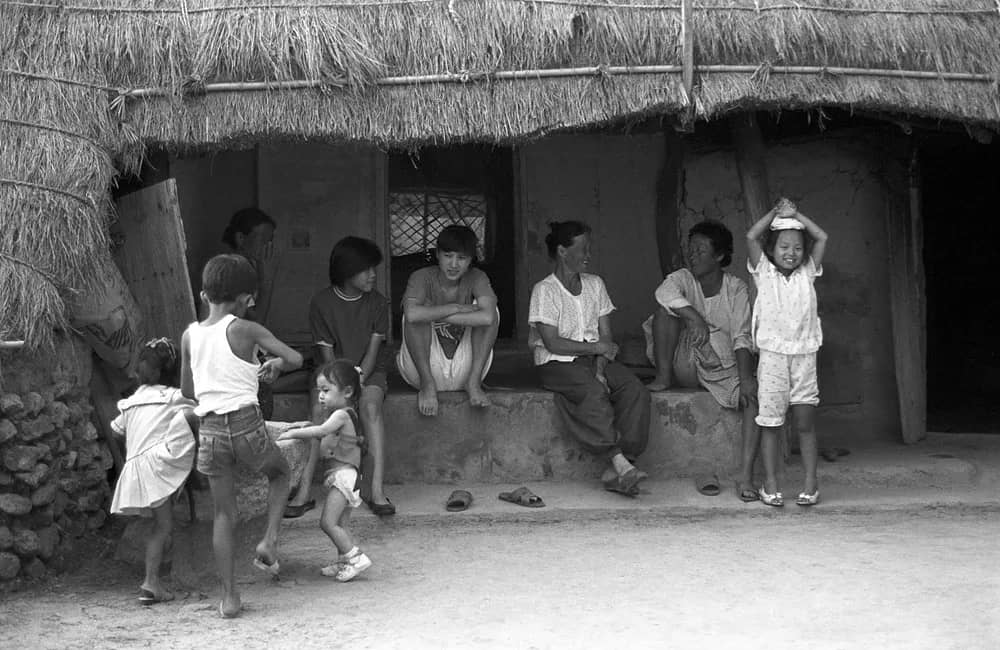
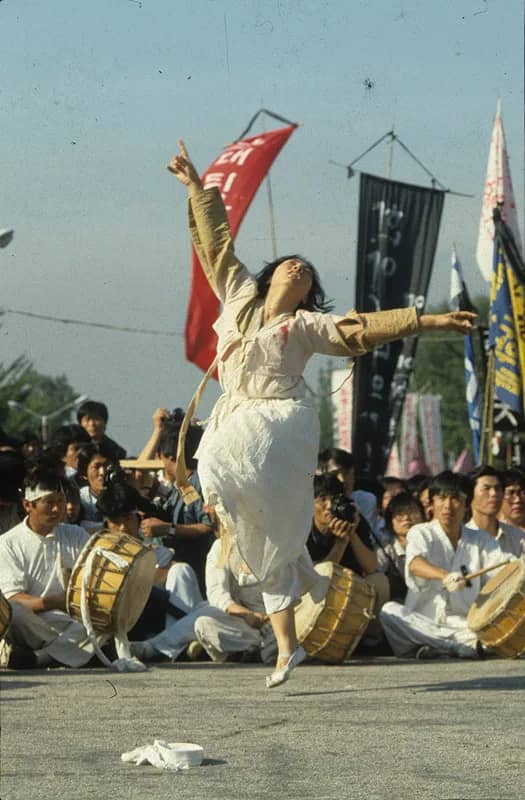
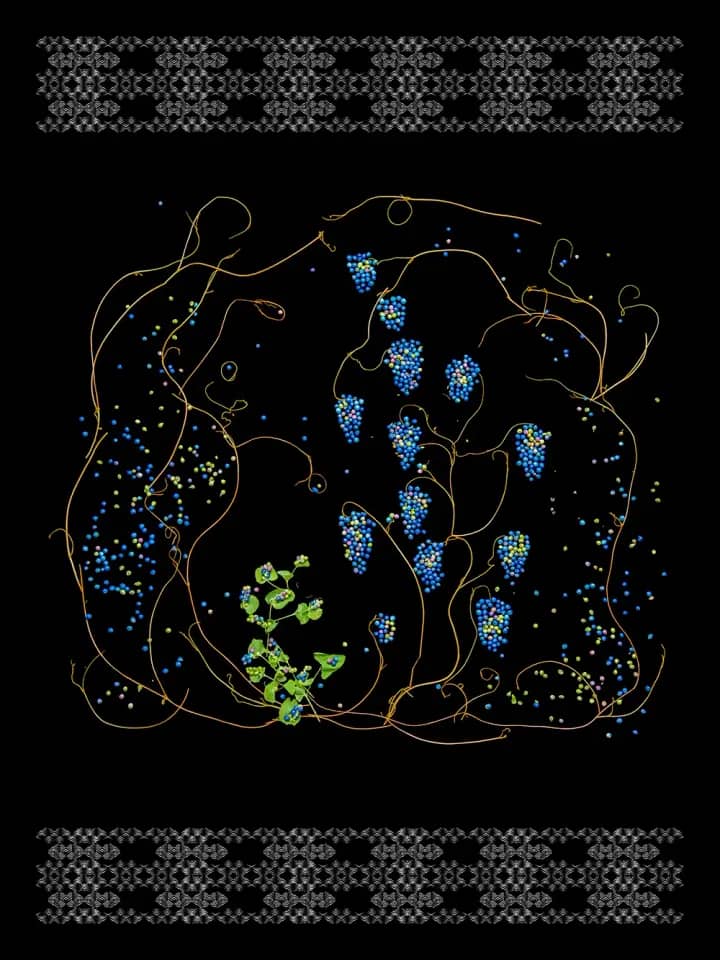
Porco, Where Are You?-1
Lee Sucheol
- Category
- Photography
- Material
- Pigment print on paper What's a pigment print? →
- Size
- 46.6×70cm · Size 20 · Medium How big is this? →
- Year
- 2011
- Edition
- Edition 5/5 What's an edition? →
- Price
- ₩1,000,000
- Availability
- For sale
About the Artist
Photographer Lee Soocheol studied photography at Osaka University of Arts, establishing his artistic foundation within the category of 'pure' photography. The 'pure' photography in which he trained implies an attitude focused on the intrinsic value of art itself, rather than directly conveying social messages or the spirit of the times. Lee's work is characterized by expanding the ontological boundaries of photography. He does not view photography merely as a tool for capturing subjects. If photography is simply a process of creating images, then the traditional premise that one must photograph something with a camera can be dismantled. Indeed, he embraces diverse photographic processes, including methods that produce results using only the printing process without a camera or film. Ultimately, what matters to him is not whether the final product is classified as 'photography,' 'imagegraph,' or 'digigraph.' For him, the camera is merely one mechanism for capturing phenomena, and he believes that if an artist can create images in their own way and convey a message through them, that in itself holds sufficient artistic value.
Key Career Highlights
Related materials
Magazine
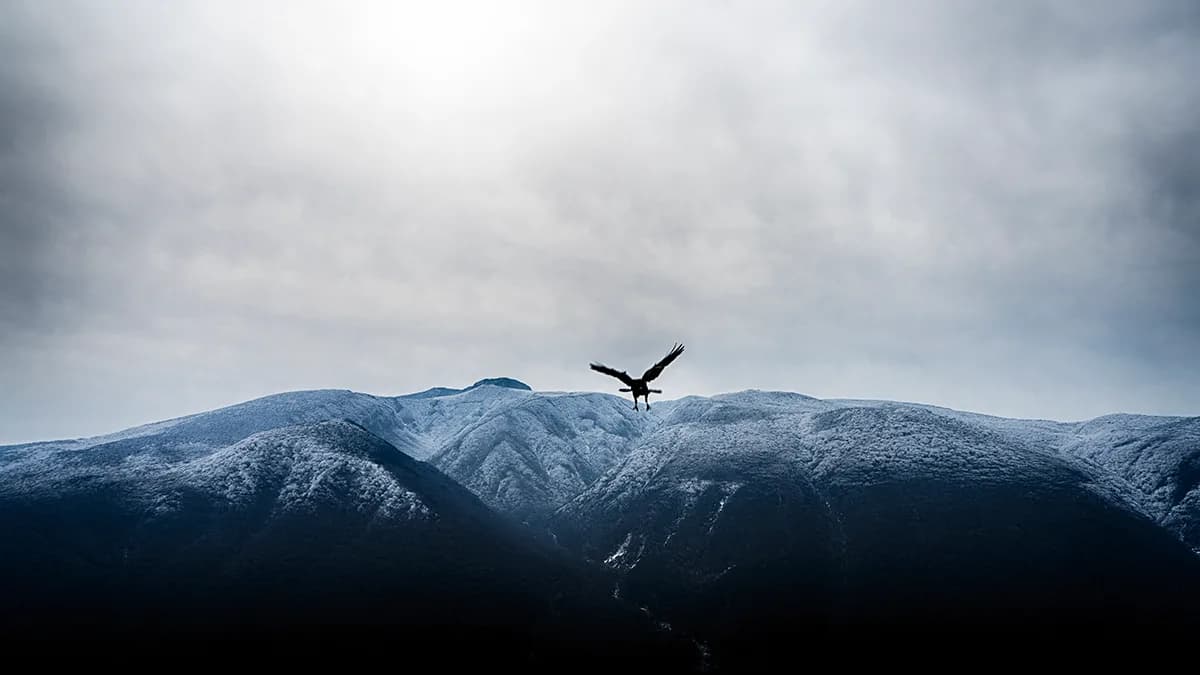
SAF Photographers — From Documentary to Camera-less Photography
Ten SAF photographers across four axes — documentary, landscape, experiment, and critique. From Cho Moon-ho's edges of the world to Lee Sucheol's pictures without a camera.
Apr 20, 2026 · Seed Art Festival
Photography Without a Camera: Lee Sucheol at the Edge of the Photographic
Lee Sucheol asks whether photography requires a camera. Through development alone, image-making without capture — *Nonsynchrony-Jeju*, *Day Dream*, *Memory Journey*.
Apr 20, 2026 · Seed Art Festival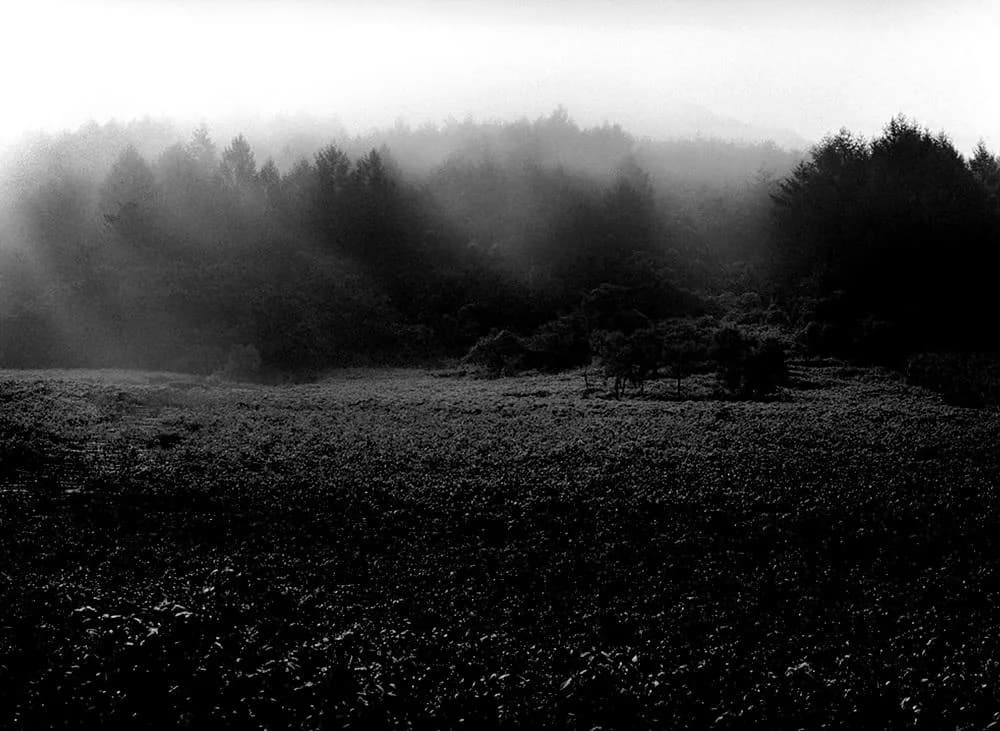
Korean Landscape and the Lives of Common People — The Documentary Photography of Cho Mun-ho, Jeong Yeong-shin, and Kim Soo-oh
The flow of Korean documentary and landscape photography — the practices of three masters Cho Mun-ho, Jeong Yeong-shin, and Kim Soo-oh, plus five collecting perspectives.
May 10, 2026 · Seed Art FestivalOther works by Lee Sucheol
View All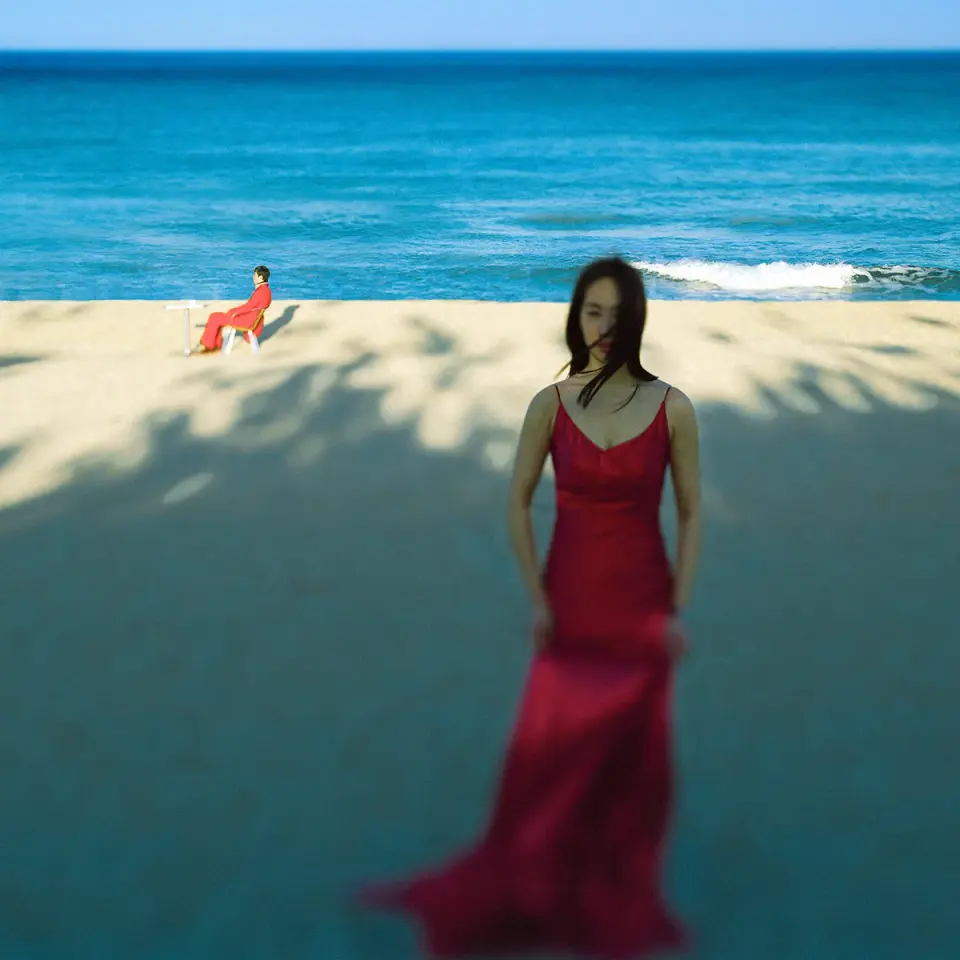
More Photography Artworks
View all Photography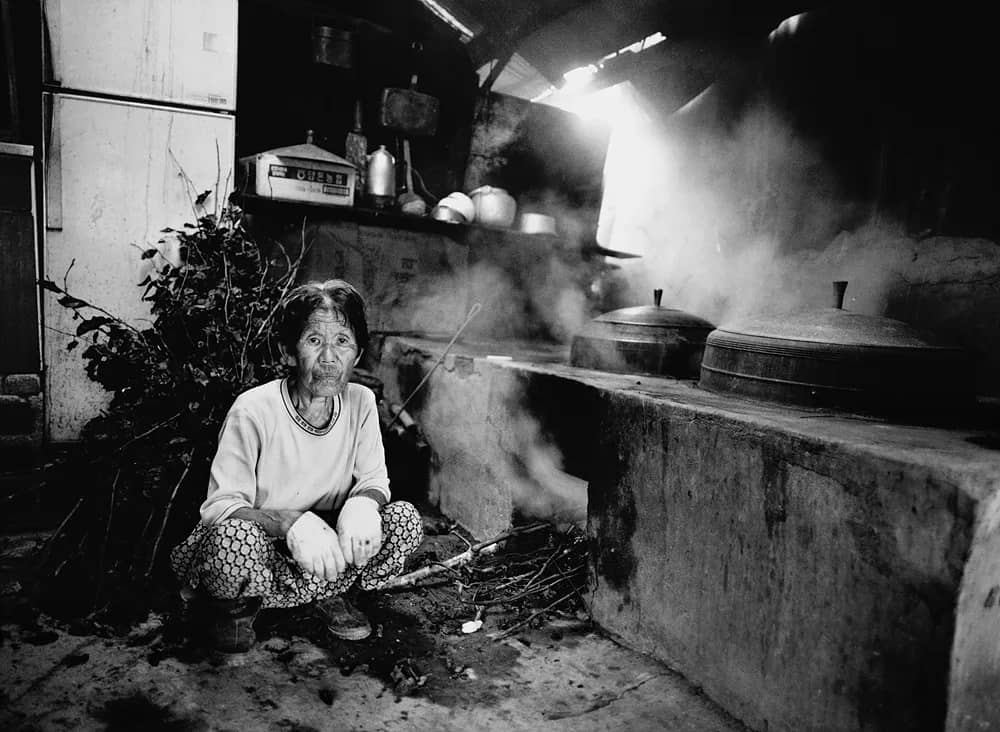
Price
₩1,000,000
Two beginnings made by one piece
- For you —
- One of only 5 limited prints
- For the artist —
- the pride of standing with a peer
- For a fellow artist —
- a new ₩3,000,000 path of low-interest support
354 artists have walked this path of recovery; 95% returned to open it for the next.