Price
₩500,000
Art protects art
8 out of 10
artists are shut out by banks
354
loans extended to fellow artists
95%
repayment rate — trust comes full circle
~KRW 140M
interest saved vs. predatory rates
Until the next exhibition, the next performance. For artists, income gaps are an unavoidable reality. For fellow artists forced into predatory loans just to afford paint, canvas, and studio rent, proceeds from this artwork become the Seed Fund — extending a fair hand at fair rates.
Voices of fellow artists
“The memory of going hungry for three days, alone, so my children wouldn't know.”
— 50s, theater artist
“I've been putting off urgent dental treatment because I can't afford it. I should be seeing a doctor regularly, but enduring instead of going has become a habit.”
— 50s, actor
“I kept delaying ear treatment because I had no money, and the symptoms in both ears worsened.”
— 30s, musician
“I couldn't pay my hospitalized mother's bills, so we had to delay her discharge, and she had to give up tests and treatment she needed.”
— 50s, actor/broadcaster
“Because of money troubles I had nowhere to go — drifting between gosiwon rooms and rehearsal studios, and for a while sleeping rough.”
— 30s, musician
“Because of unpaid rent, my collective was forced to vacate our shared workspace and home. Neither bank loans nor artist loans could help.”
— 50s, actor
“Without money, life collapses — and creating art? Out of the question.”
— 50s, artist
“It's painful that solving this month's money problems has to come before the work itself. As an artist, I can only earn well when the work succeeds — yet I have to chase odd jobs every month instead. It feels like being trapped in a vicious cycle.”
— 40s, musician
“Debt collection calls disrupted my rehearsals and performances, and the psychological burden made every day painful and the next day frightening.”
— 40s, theater artist
“Many times the loan payments looming each month forced me to step away from performing and focus on part-time work.”
— 50s, actor
“Sleeping less than four hours a night, juggling part-time jobs and theater — but the more I performed, the more debt piled up. Eventually I decided to quit performing.”
— 30s, actor
“When things were hardest, I couldn't even attend close friends' weddings or funerals — and as a result, relationships were severed.”
— 50s, actor/broadcaster
“When I said I was a stage actor, the loan officer called me "unemployed."”
— 50s, actor
“The shame and severed friendships that came with borrowing from people I knew, the pressure of failing to pay it back, the helplessness.”
— 50s, cartoonist/visual artist
“Even with programs meant for low-income citizens, I feel shame when I can't produce enough documentation simply because I'm an artist.”
— 30s, film/broadcasting professional
One artwork becomes the oxygen that keeps a fellow artist creating.
Sales proceeds go to the artist mutual-aid fund.
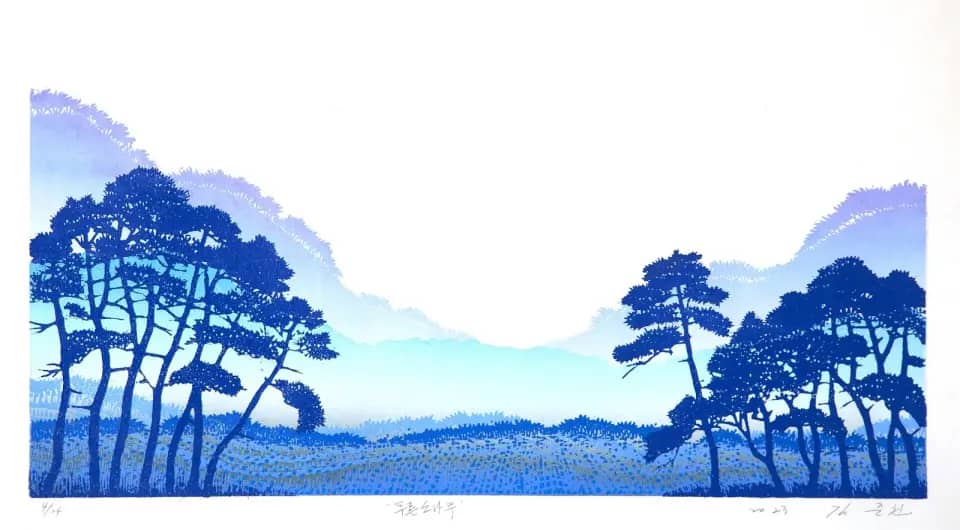
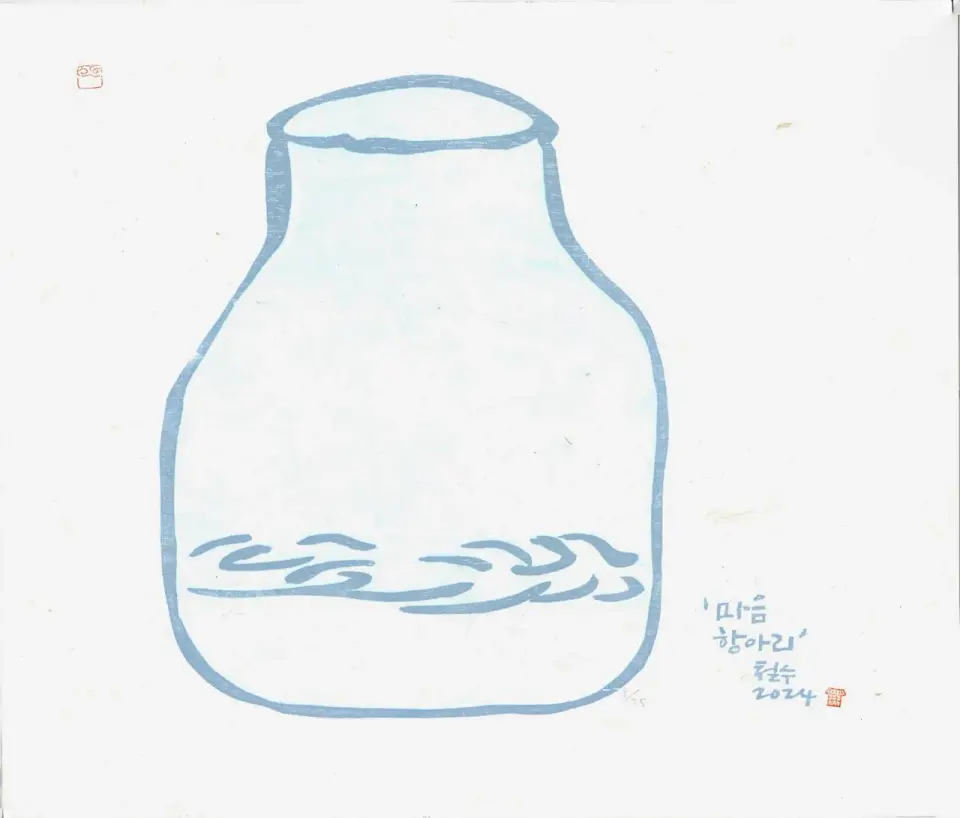
Blue night-4
Kim Jungwon
- Category
- Printmaking
- Material
- Oil-based woodblock print What's a print? →
- Size
- 18×22cm · Size 1 · Small How big is this? →
- Year
- 2023
- Edition
- Edition 7/25 What's an edition? →
- Price
- ₩500,000
- Availability
- For sale
About the Artist
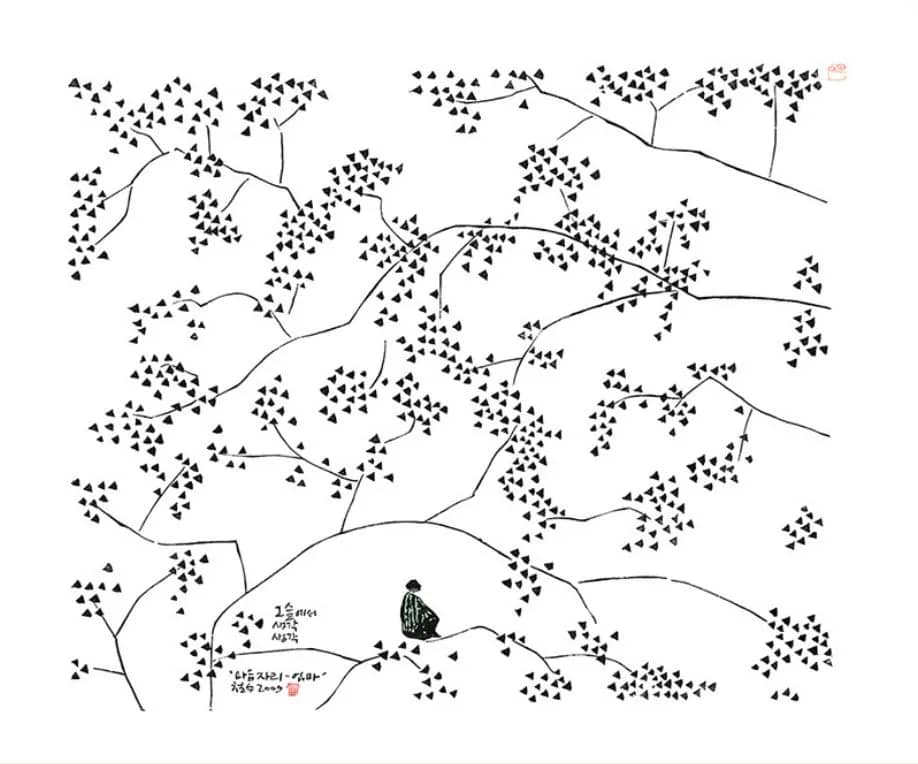
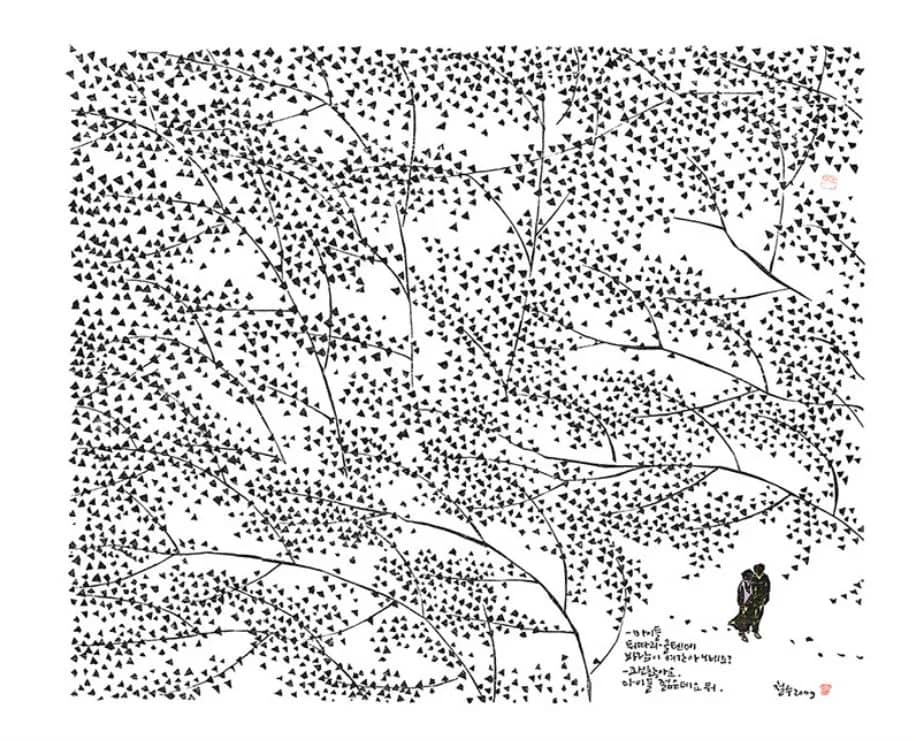
Kim Joonkwon, born in 1956 in Yeongam, South Jeolla Province, graduated from Hongik University's Western Painting department in 1982 and worked as a woodblock print researcher at China's Lu Xun Academy of Fine Arts from 1994 to 1997. In 1997, he established the Korean Woodblock Culture Research Institute and has continued his woodblock printing practice ever since. He is also an artist who participated in the Minjung (People's) Art movement through woodblock printing. During the 1980s, when he was immersed in the art education movement, he worked with linoleum cut techniques, exemplifying the stylistic characteristics of Minjung woodblock art. Using Jeon Bongjun, the peasant movement leader who dreamed of a great communal world, as his subject, he referenced the formal qualities of traditional Korean painting—particularly the Water-Moon Avalokitesvara style from Buddhist art—and demonstrated his interest in tradition through clear, honest compositions. Kim Joonkwon's water-based multi-color woodblock prints occupy a singular position in Korean contemporary art, considered significant enough to chart a new direction for modern Korean landscape painting. His works evoke the aesthetic legacy of Gyeomjae Jeong Seon and Danwon Kim Hongdo, the great masters of true-view landscape painting from the late Joseon period. Notable qualities include his love for the Korean homeland rooted in a spirit of realism, his diligent fieldwork, the energy drawn from his home in Jincheon, decades of accumulated printmaking skill and artistic maturity, and the artisan spirit that endures the intense labor of carving and printing five or six blocks per work.
Key Career Highlights
Related materials
Korean media · Original Korean article
This article text is currently available in Korean. Open the source to read the original version.
Korean media · Original Korean article
This article text is currently available in Korean. Open the source to read the original version.
Korean media · Original Korean article
This article text is currently available in Korean. Open the source to read the original version.
Korean media · Original Korean article
This article text is currently available in Korean. Open the source to read the original version.
Korean media · Original Korean article
This article text is currently available in Korean. Open the source to read the original version.
Korean media · Original Korean article
This article text is currently available in Korean. Open the source to read the original version.
Magazine
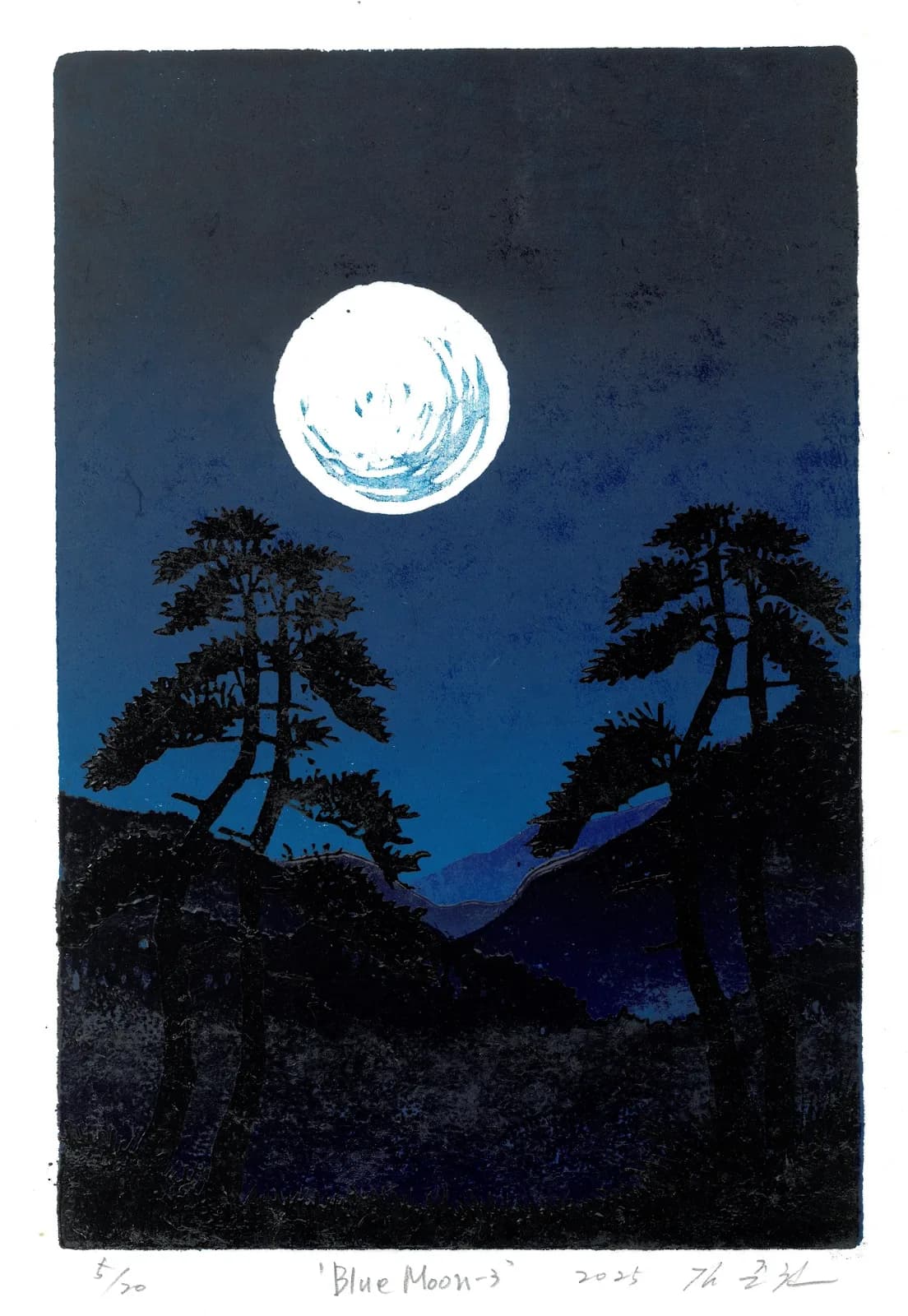
Kim Jun-kwon: Carving Korea's Landscapes into Wood
Kim Jun Kwon's *Sanun* hung behind Kim Jong Un at Panmunjom in 2018. Four decades of carving the Baekdu-daegan into wood — *Sanmun*, his language of mountains.
Apr 8, 2026 · Seed Art Festival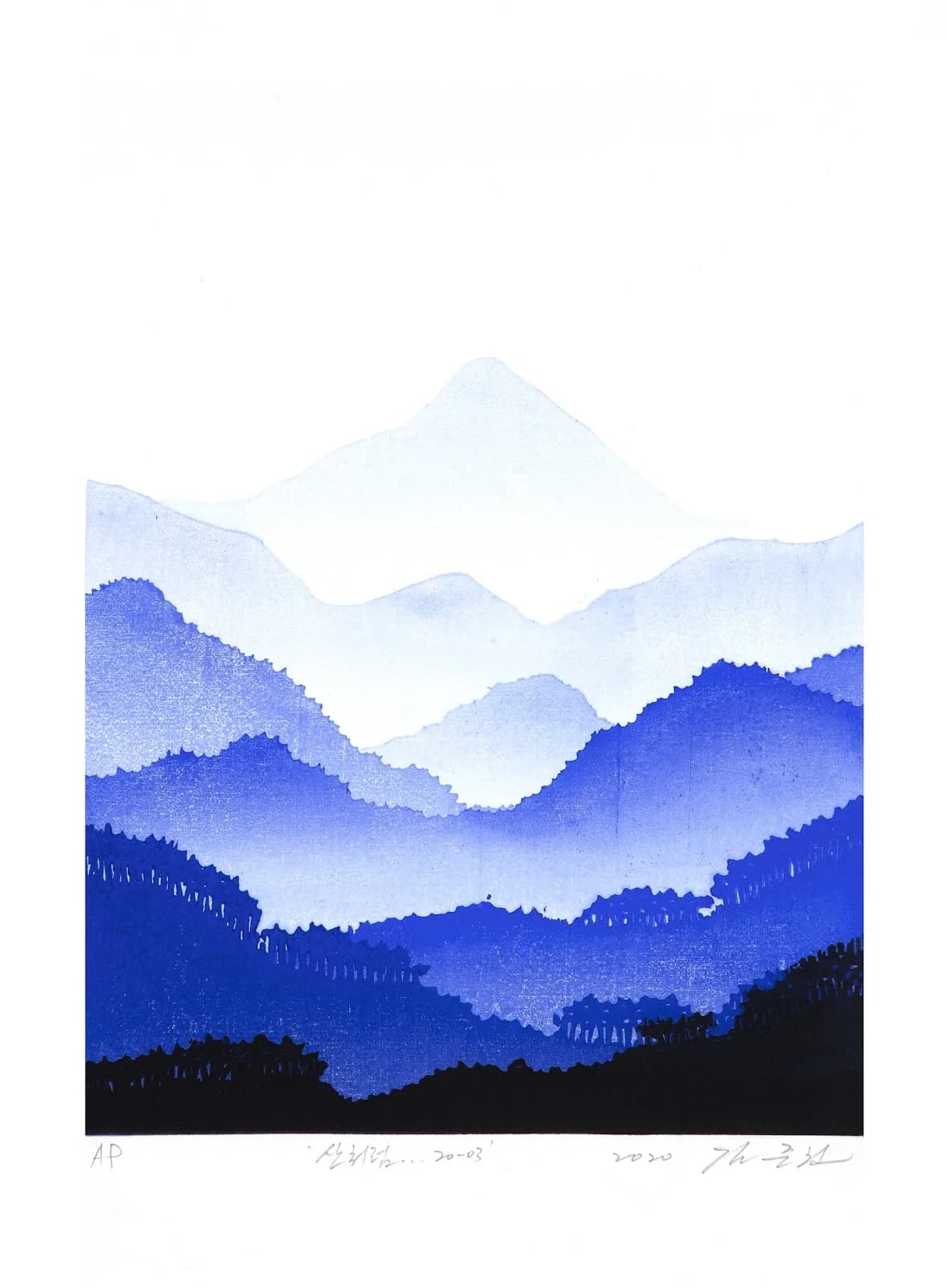
Agriculture and Labor in Korean Art — Kim Jun-kwon's Mountains, Min Jeong-gi's Fields, Lee Cheol-soo's Earth
Korea's oldest pictorial motif is agriculture. Tracing the contemporary lineage from Shin Hak-chul's *Rice Planting* (1987) through Kim Jun-kwon's woodblocks, Min Jeong-gi's Yangpyeong fields, Lee Cheol-soo's hanji prints, and Jung Young-shin's five-day market photographs.
Apr 29, 2026 · Seed Art Festival
Korean Contemporary Printmaking — Five Lineages at SAF
Contemporary Korean printmaking, read through five artists at SAF 2026 — from Lee Cheolsu's woodblock Zen to Kim Jonghwan's broken-printer sculptures.
Apr 20, 2026 · Seed Art FestivalOther works by Kim Jungwon
View All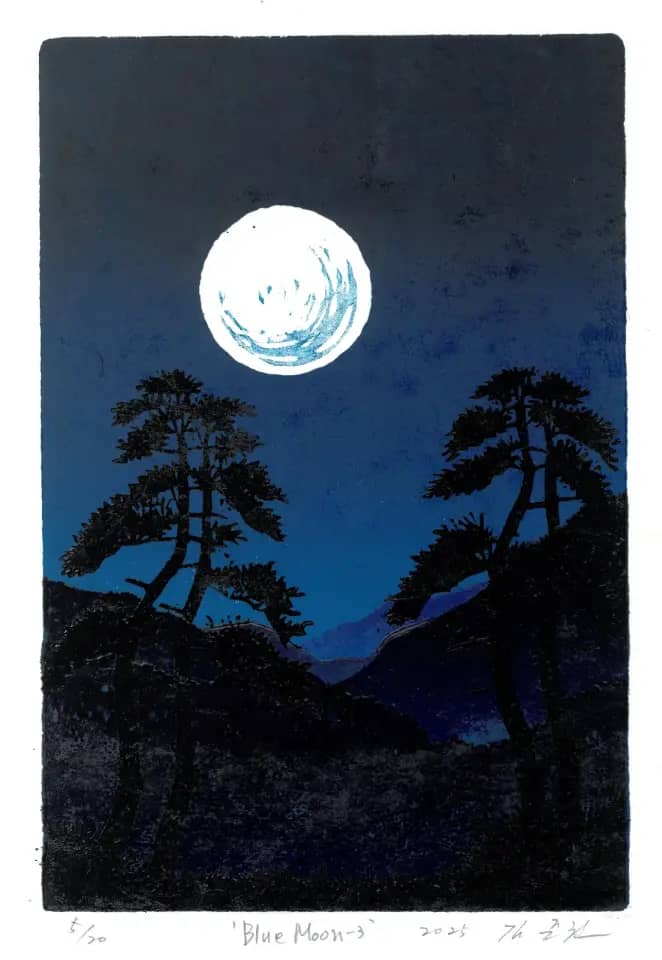
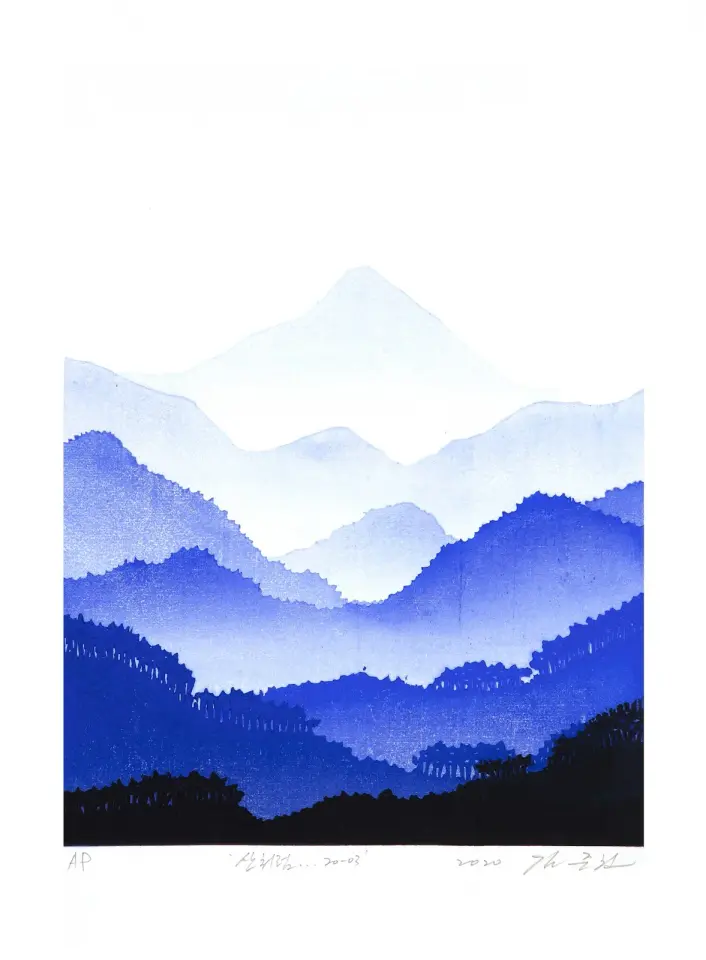
More Printmaking Artworks
View all Printmaking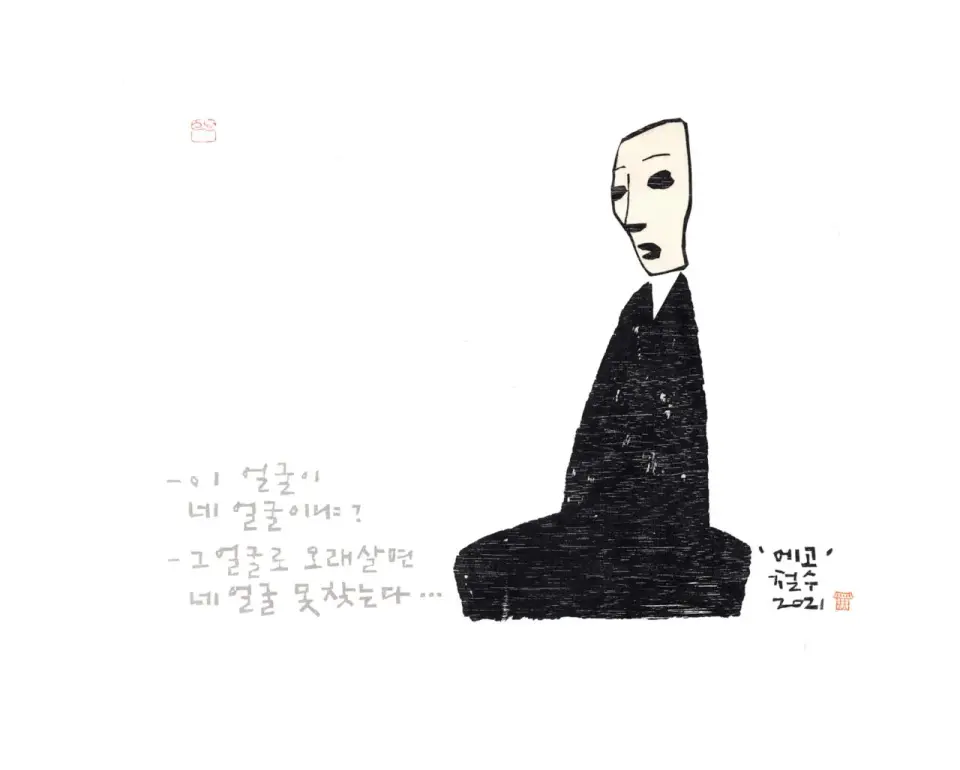
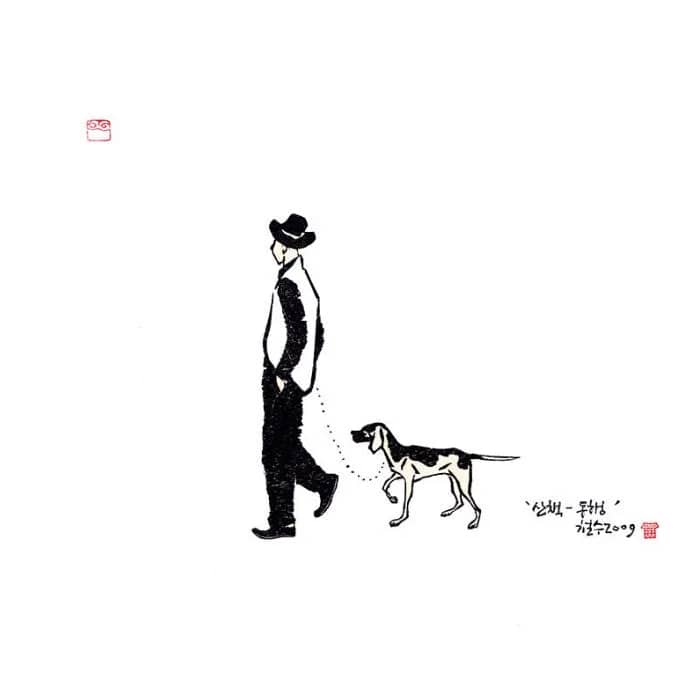
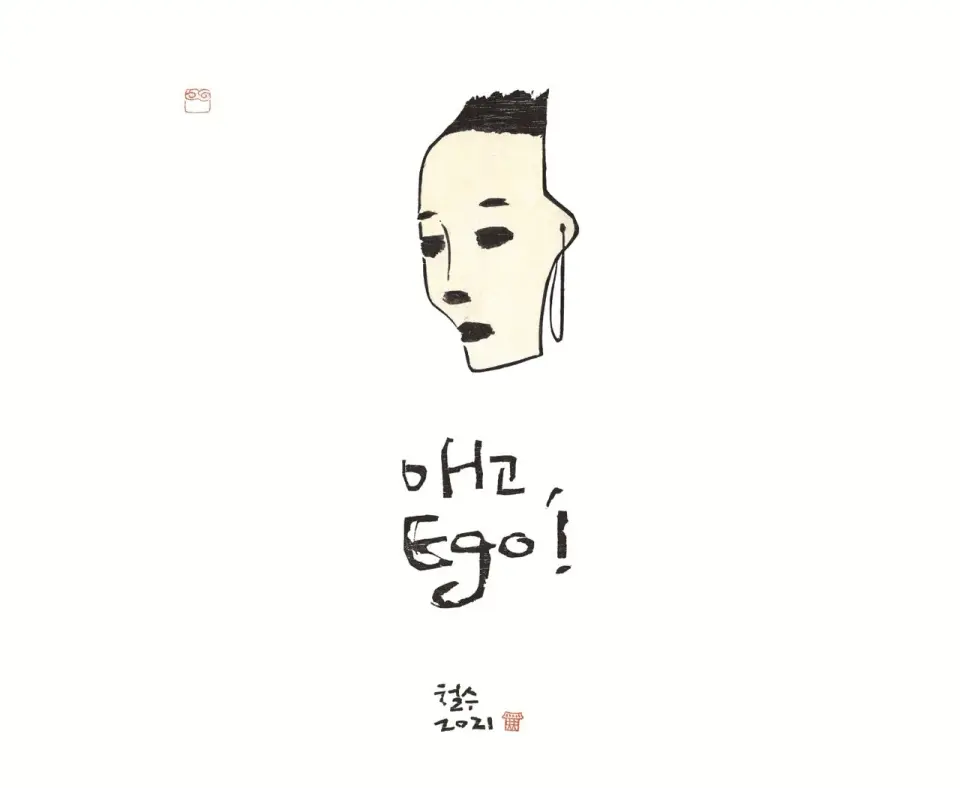
Price
₩500,000
Two beginnings made by one piece
- For you —
- One of only 25 limited editions
- For the artist —
- the pride of standing with a peer
- For a fellow artist —
- a new ₩3,000,000 path of low-interest support
354 artists have walked this path of recovery; 95% returned to open it for the next.