
Start Collecting
A guide for first-time art buyers
Art collecting is not a hobby reserved for the wealthy. It starts with deciding to bring a piece you love into your space. This section is a no-pressure guide for first-time buyers: how prices are formed, the difference between originals and editions, and what to know about provenance and care.
Artwork prices are shaped by the artist’s exhibition history, market record, size, medium, and edition count. Originals and limited-edition prints by the same artist sit in different price tiers — knowing the structure helps you read a price tag with confidence.
SAF Online is artist-direct: there is no gallery markup. All proceeds become an artist mutual-aid fund — already 354 loans deployed at 95% repayment. Buying one work supports one artist; buying through SAF strengthens a small safety net for Korean art as a whole.
The process is simple: pick a work, review the artist and details, check out via Toss Payments, and receive nationwide shipping at a flat ₩4,000. Returns are accepted within 7 days. Many first-time collectors begin with smaller prints or paintings — use the price filter to find a starting point.
Stories in this category

Buying Art Online — A 5-Step Safety Checklist
Art is now bought online — but screen color differs from reality, and forgery risks lurk. A practical 5-step checklist before payment, plus what to do in the 7 days after.
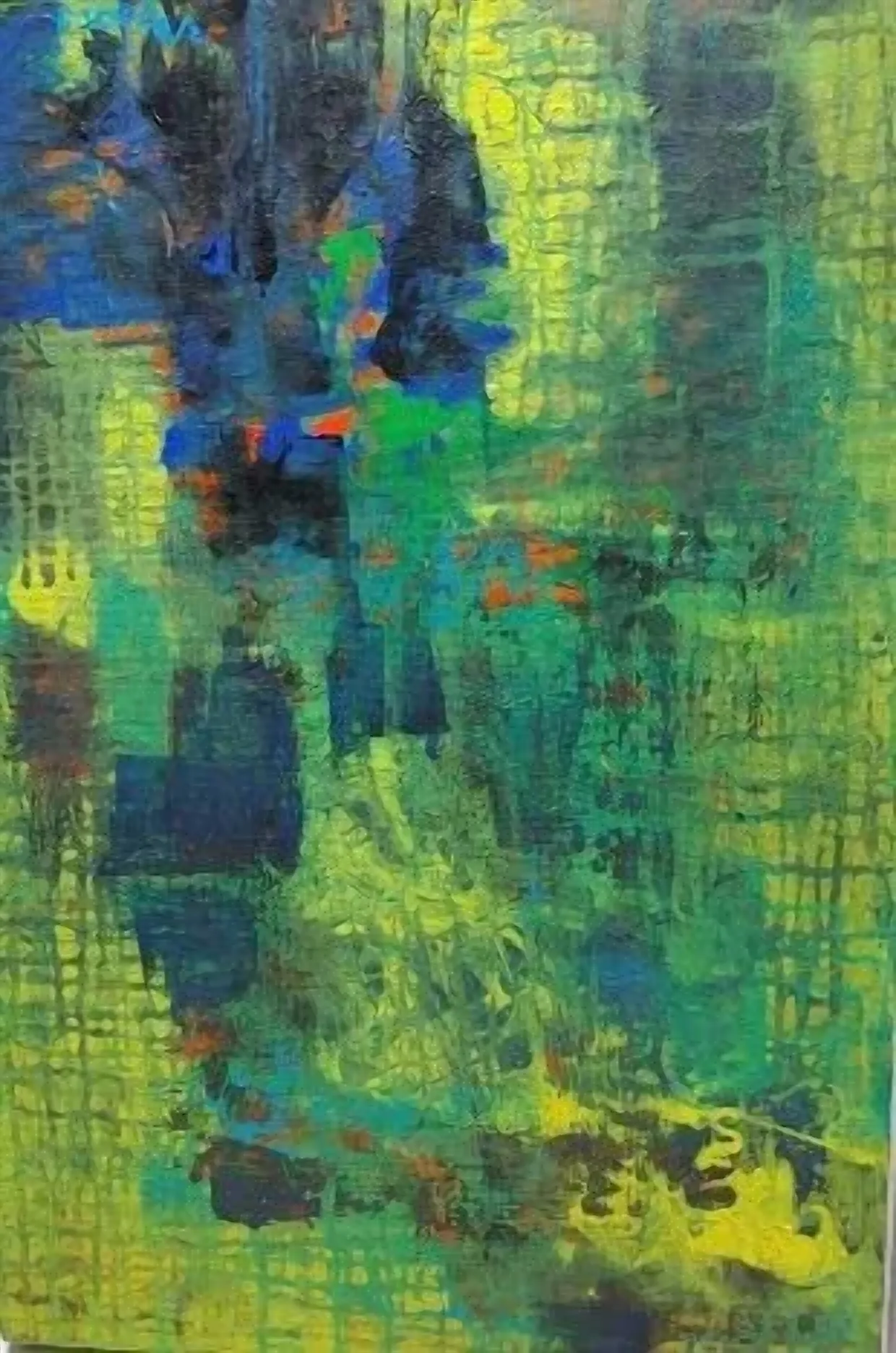
Gallery vs Direct-from-Artist — Where to Buy Art and What Each Channel Offers
The same painting costs ₩3M at a gallery and ₩2M direct from the artist. What does the markup buy you, and when is it worth it? An honest comparison of four buying channels.
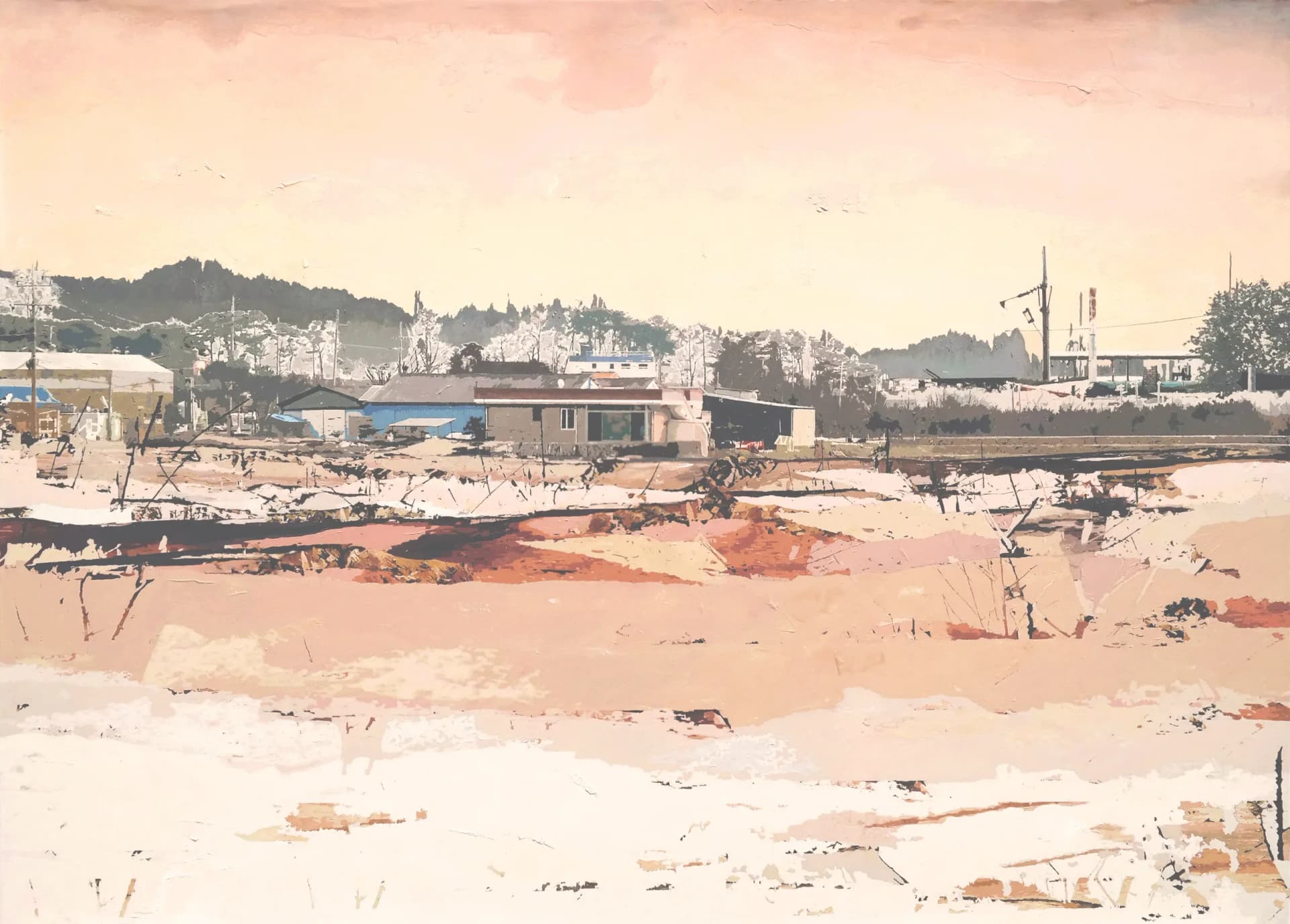
Painting, Print, Photography, Sculpture — A Buyer’s Guide to Each Medium
Why does a painting cost ₩3M, a print ₩300K, a photograph ₩800K, and a sculpture ₩5M? Each medium has its own pricing logic. A complete buyer’s guide to all four.

Korea's 2026 Art Fair Calendar — From Galleries Art Fair to KIAF, Frieze, and ASYAAF
How does Korea's art-fair calendar flow over twelve months? From March's Galleries Art Fair to August's ASYAAF, September's KIAF·Frieze, and November's Daegu Art Fair — a first collector's twelve-month roadmap with venue strengths and budget tiers.

Tools for Hanging Artwork — Choosing Nails, Anchors, and Rail Systems
Nails pull out of drywall, concrete resists them, and renters hesitate to drill at all. A practical guide to hardware by wall type and artwork weight, gallery rail systems, non-invasive options, and a 7-step installation flow.
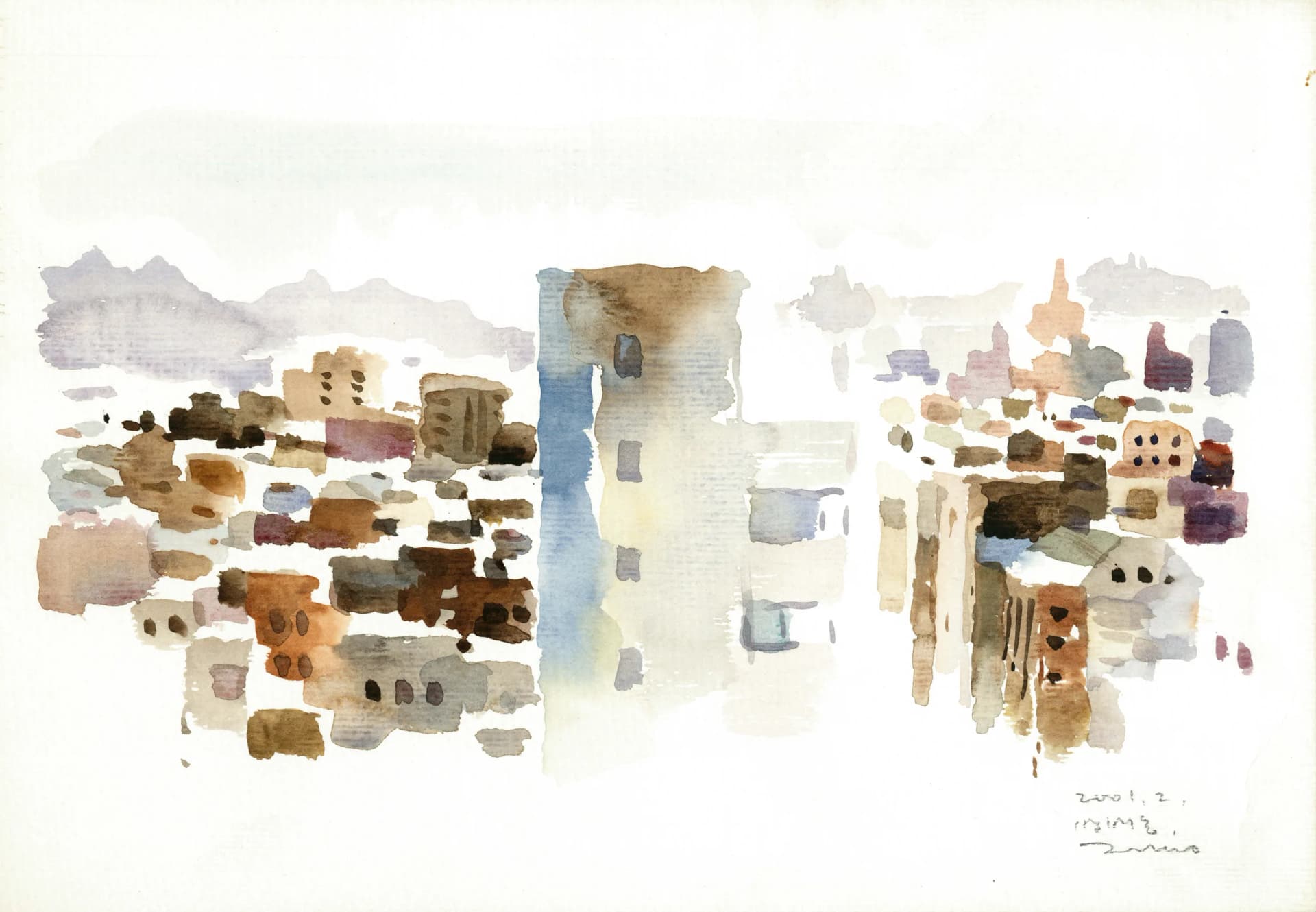
Framing and Mounting — Choosing the Right Frame for Your Artwork
The same painting looks like an entirely different work depending on the frame. Five choices by medium — oil, watercolor, Korean painting, prints, photography — plus budget tiers, where to order, and five common mistakes.

A First Collection for Young Professionals — A 3-Year Plan on 5% of Your Salary
Saving 5% of your salary for three years can fill one wall of a small apartment with 4–5 works you chose yourself. Year 1 art prints, Year 2 first original, Year 3 the centerpiece — a realistic 3-year plan with numbers and an artwork ladder.

Moving and Shipping Artworks — How to Transport Without Damage
May to August moving season — the art on your walls is the trickiest part. Packing standards by size and medium, the 5 most common damage scenarios, 5 questions to ask movers, and a 5-minute inspection checklist on arrival.
How to Read an Artwork COA — 3 Steps to Spot Forgeries
The most common question from first-time buyers: "Is this real?" The 7 items a Certificate of Authenticity must contain, 5 red flags of a forged COA, and 3 points to read signatures and seals.
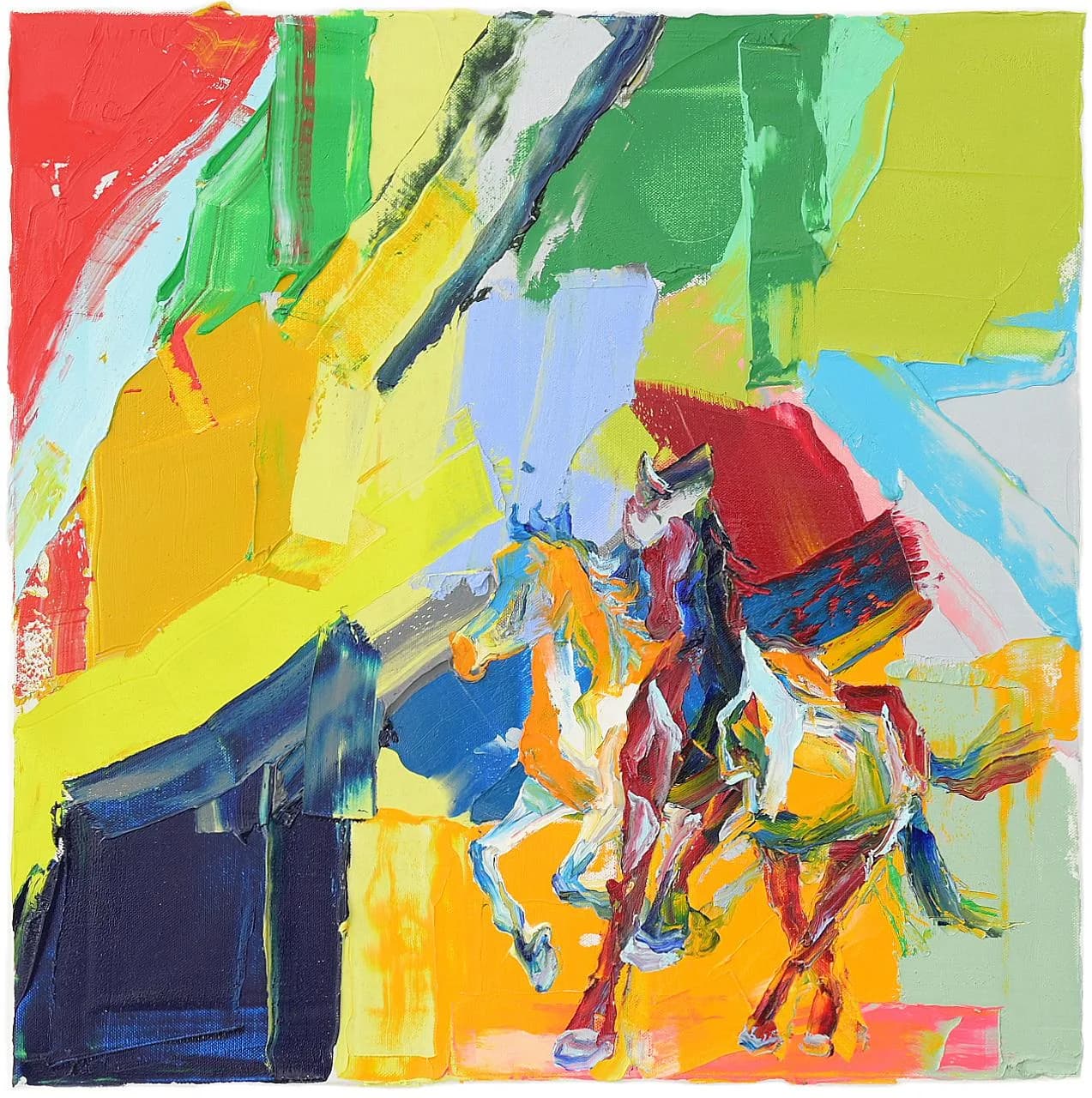
Art Gifts for Parents — A Generational Taste Guide
You can't give the same work to a parent in their early sixties as to one in their late seventies. A generational guide to gifts for parents — taste, home environment, health context.
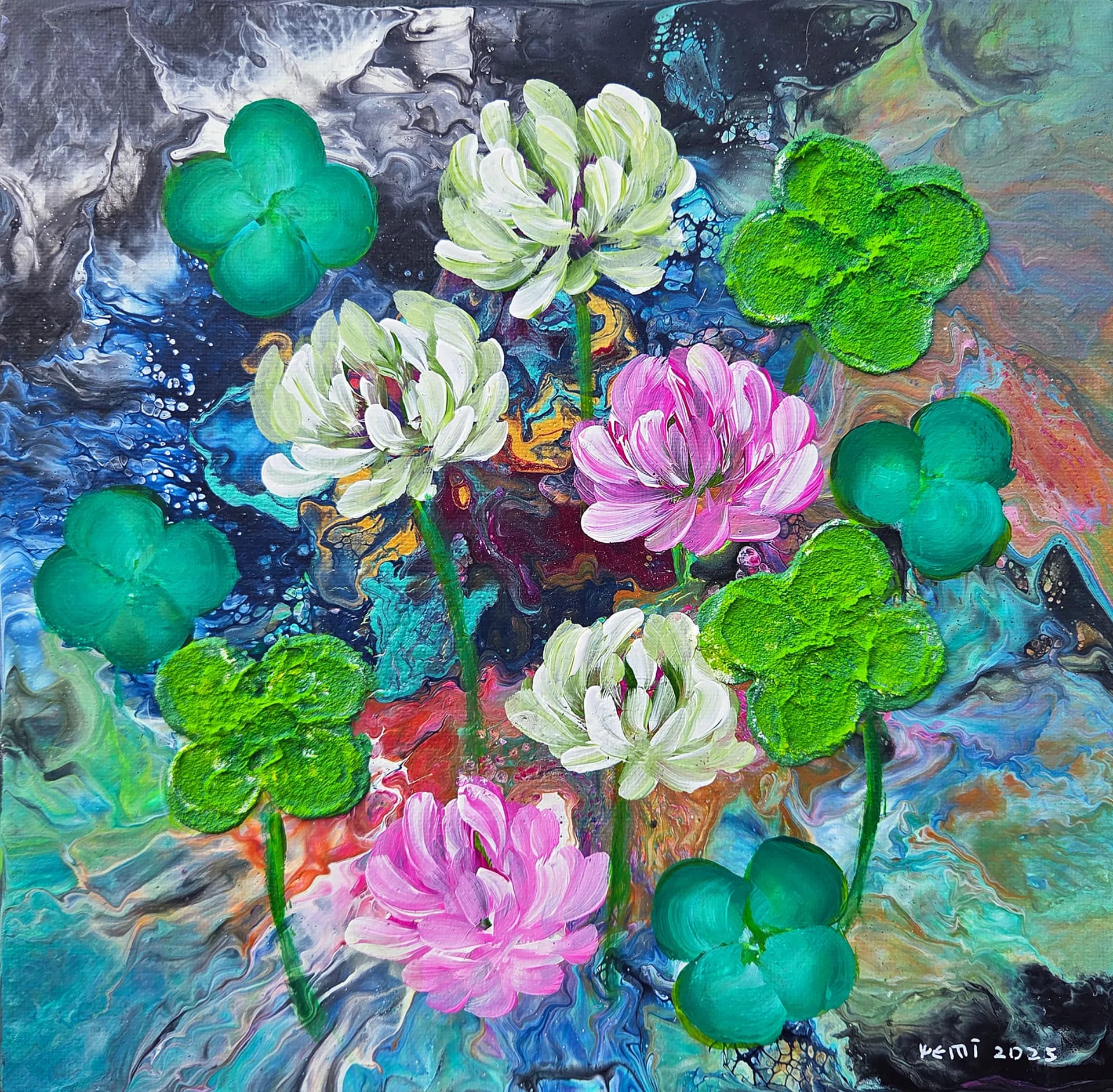
Art Gifts for Newborns and First Birthdays — A Keepsake That Grows Up Too
Baby clothes shrink in a year; toys barely make two. A gift that grows up with the child — how to choose art for newborns, 100-day celebrations, and first birthdays.
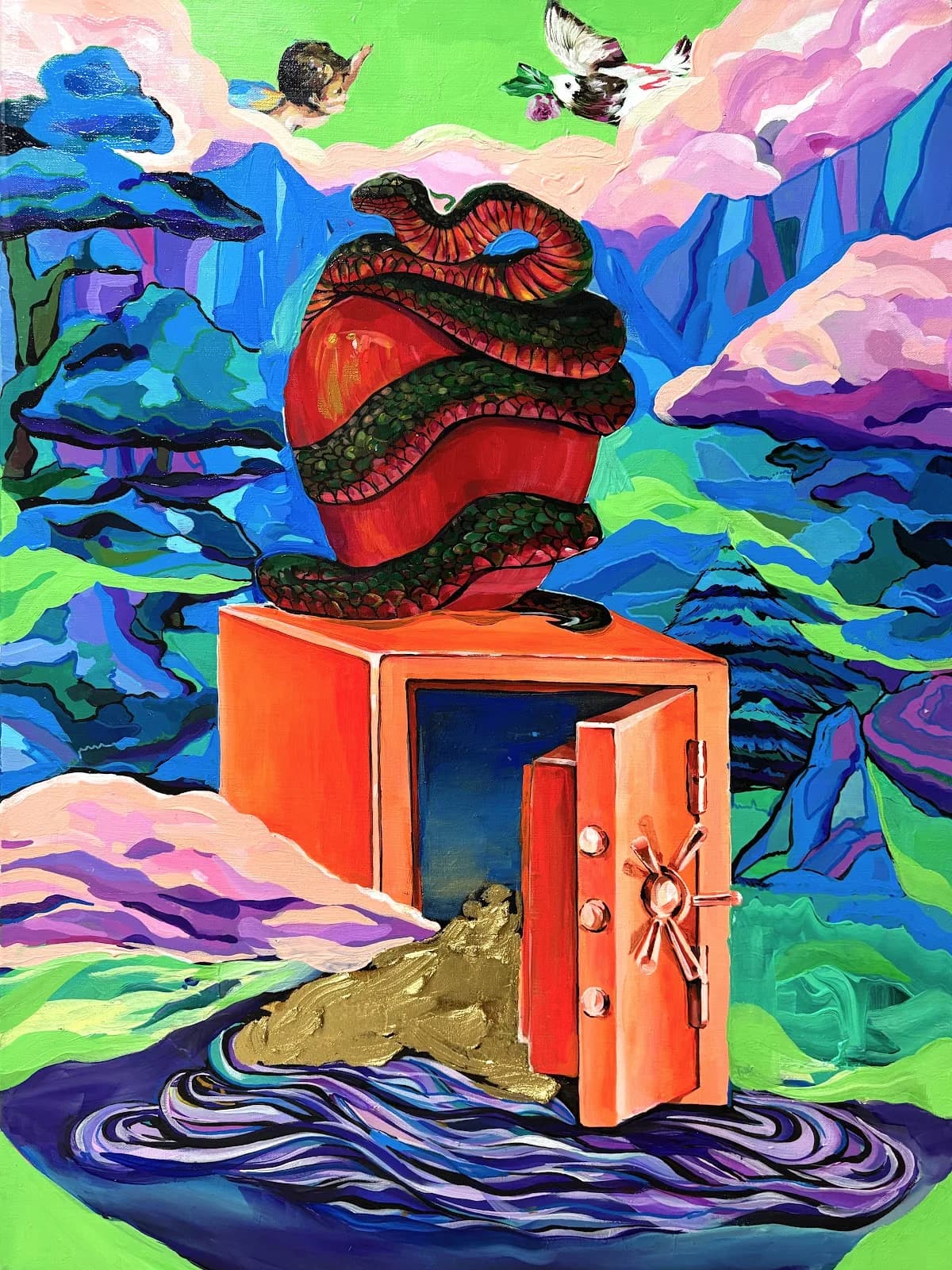
Art Gifts for Life Milestones — Promotions, Retirements, and Goodbyes
A promotion calls for the light of achievement, retirement for the texture of reflection, an overseas posting for a lining of Korea carried abroad. Different moments, different visual languages.

Art for Business Openings — Curated by Industry
A hospital needs a different artwork than a café or a law firm. How to choose the first piece for an office or commercial space — by industry, with practical notes on tax treatment.

Art as a Wedding & Housewarming Gift — A Practical Guide
Flowers fade, gift cards get forgotten. One artwork on a wall becomes a lifelong gift. How to choose a meaningful wedding or housewarming gift — by budget, motif, and etiquette.
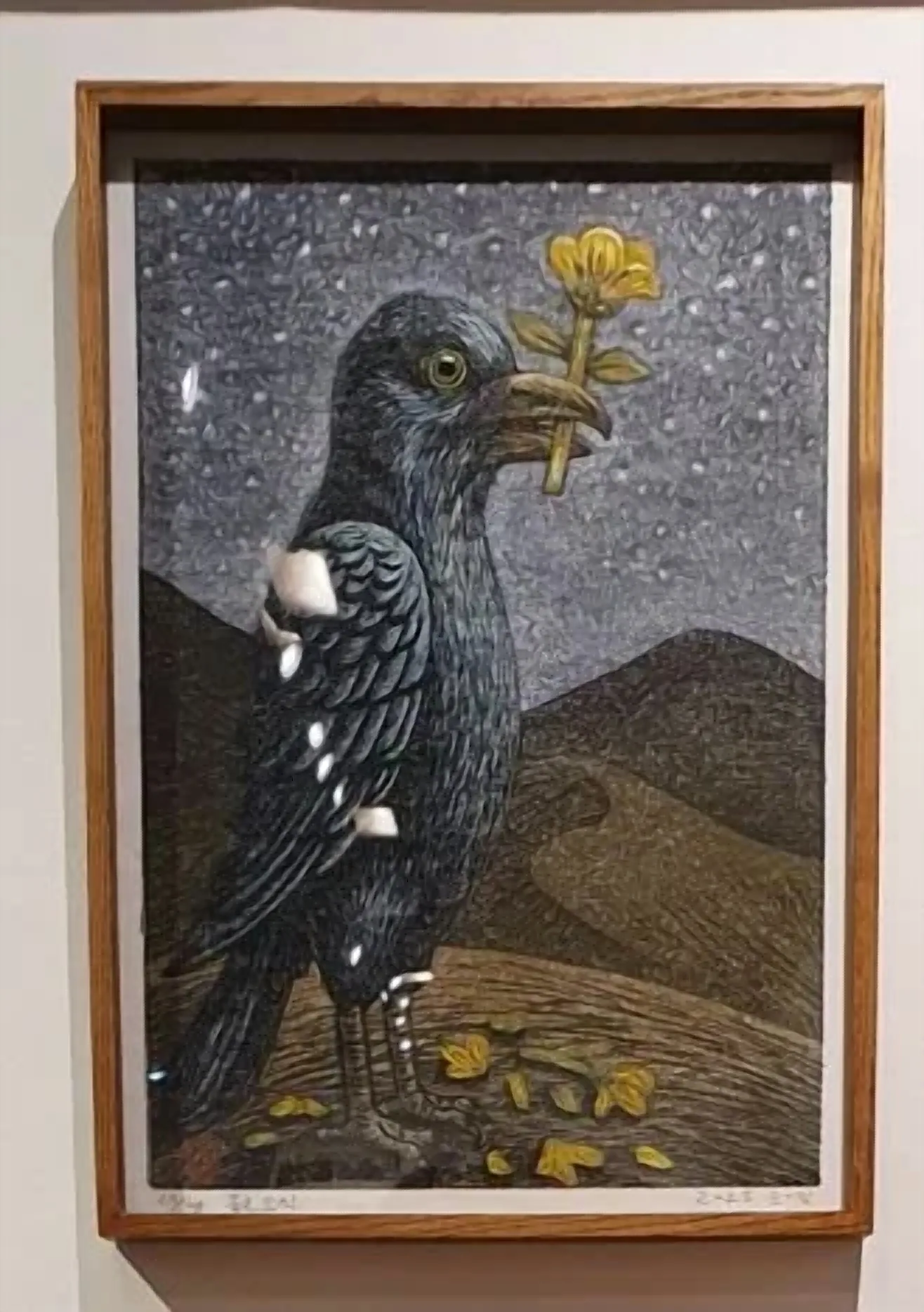
7 Mistakes First-Time Art Buyers Make (And a Post-Purchase Checklist)
Regretting your first art purchase is usually about mistakes you would have avoided if you knew. Seven of them, plus a 7-day post-purchase checklist.
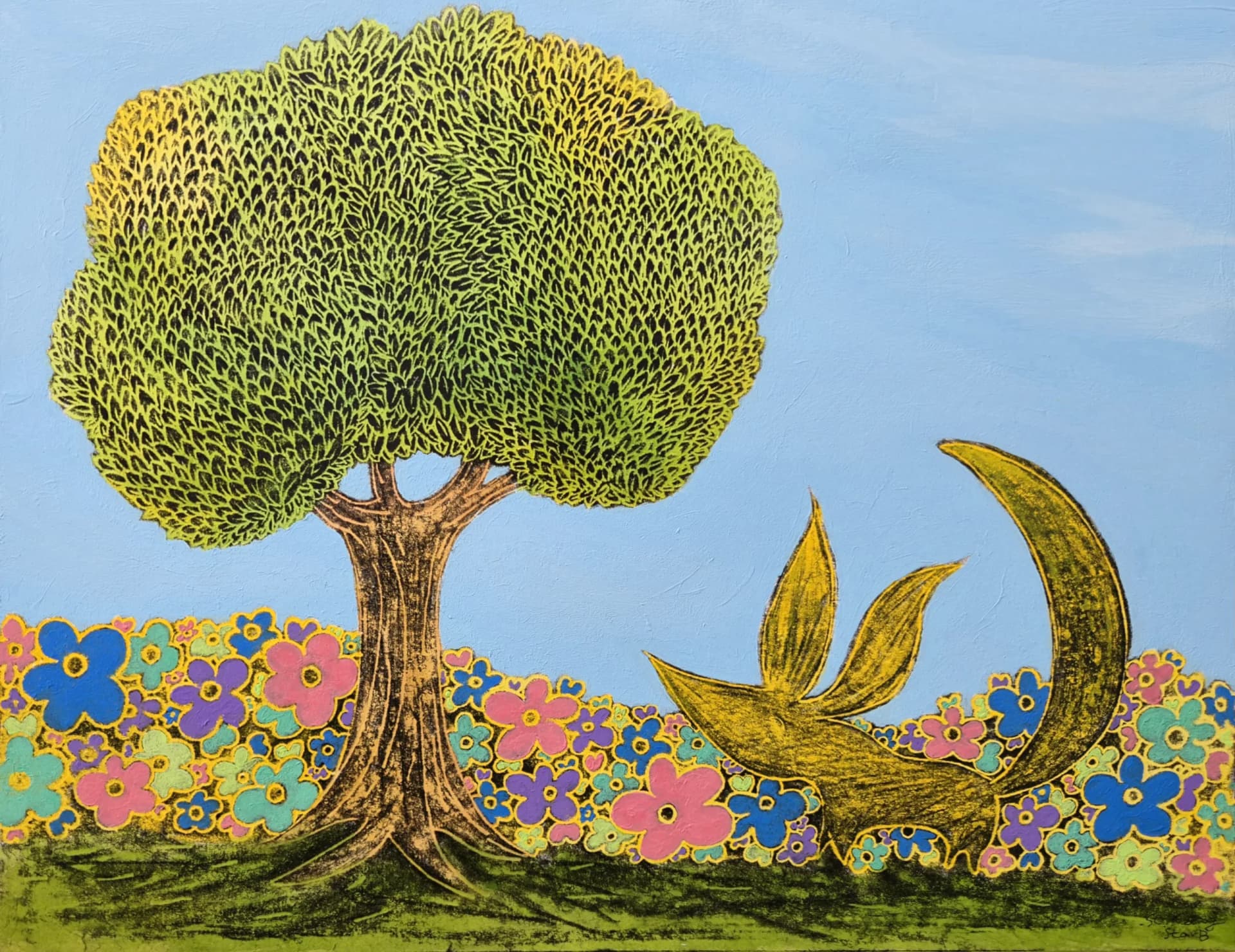
Art for Every Room — Living Room, Bedroom, Entryway, Study
Living room, bedroom, entryway, study — four rooms, four kinds of artwork. A practical guide to matching pieces to the space you already live in.
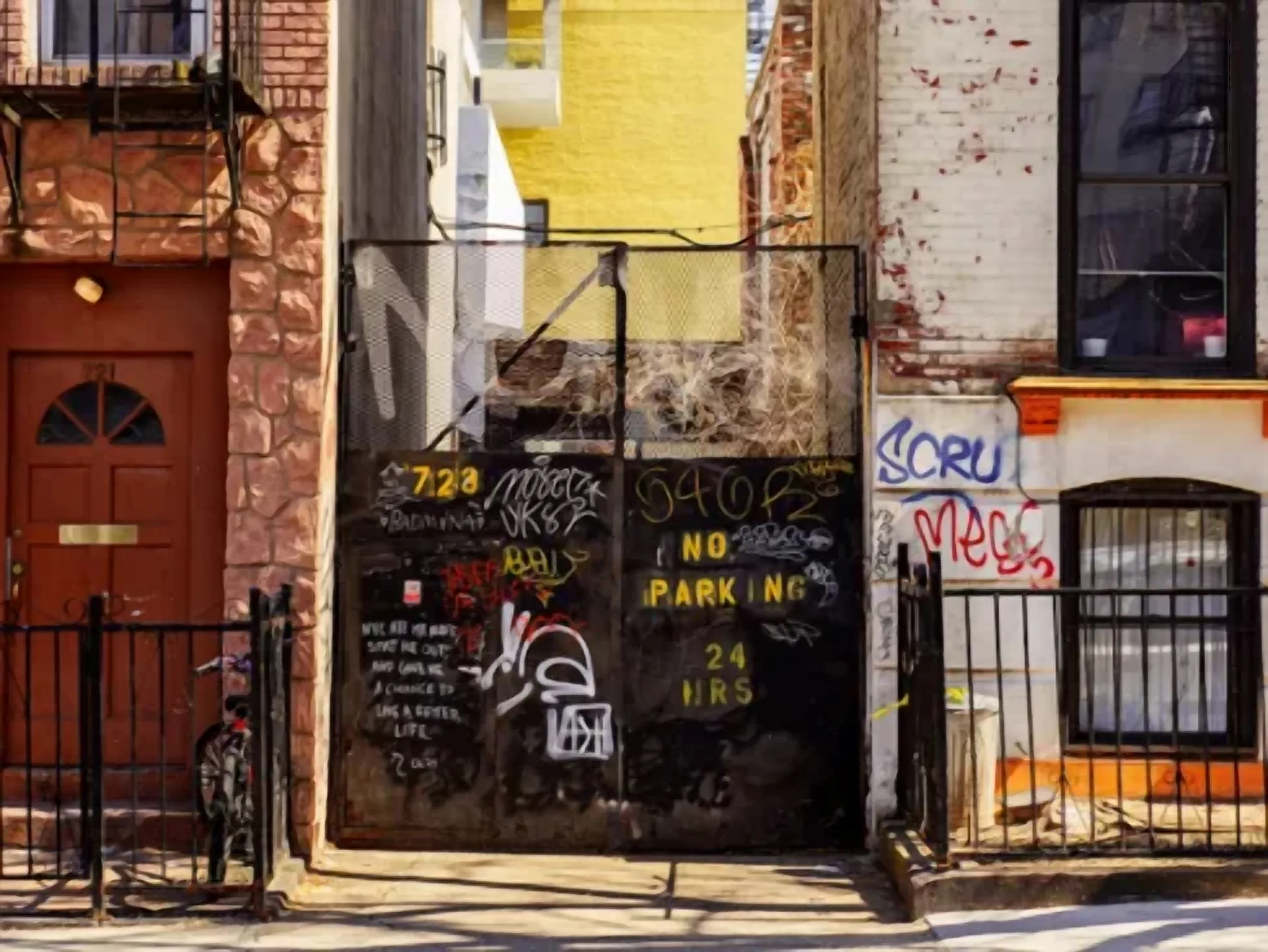
How to Choose Artwork by Medium — Oil, Acrylic, Print, Watercolor Compared
When buying art for the first time, the most confusing question is often 'what is this actually made of?' Understanding the medium changes everything. This guide breaks down all 11 categories in SAF 2026 — from oil and acrylic to printmaking and photography — and helps you find what fits your taste.
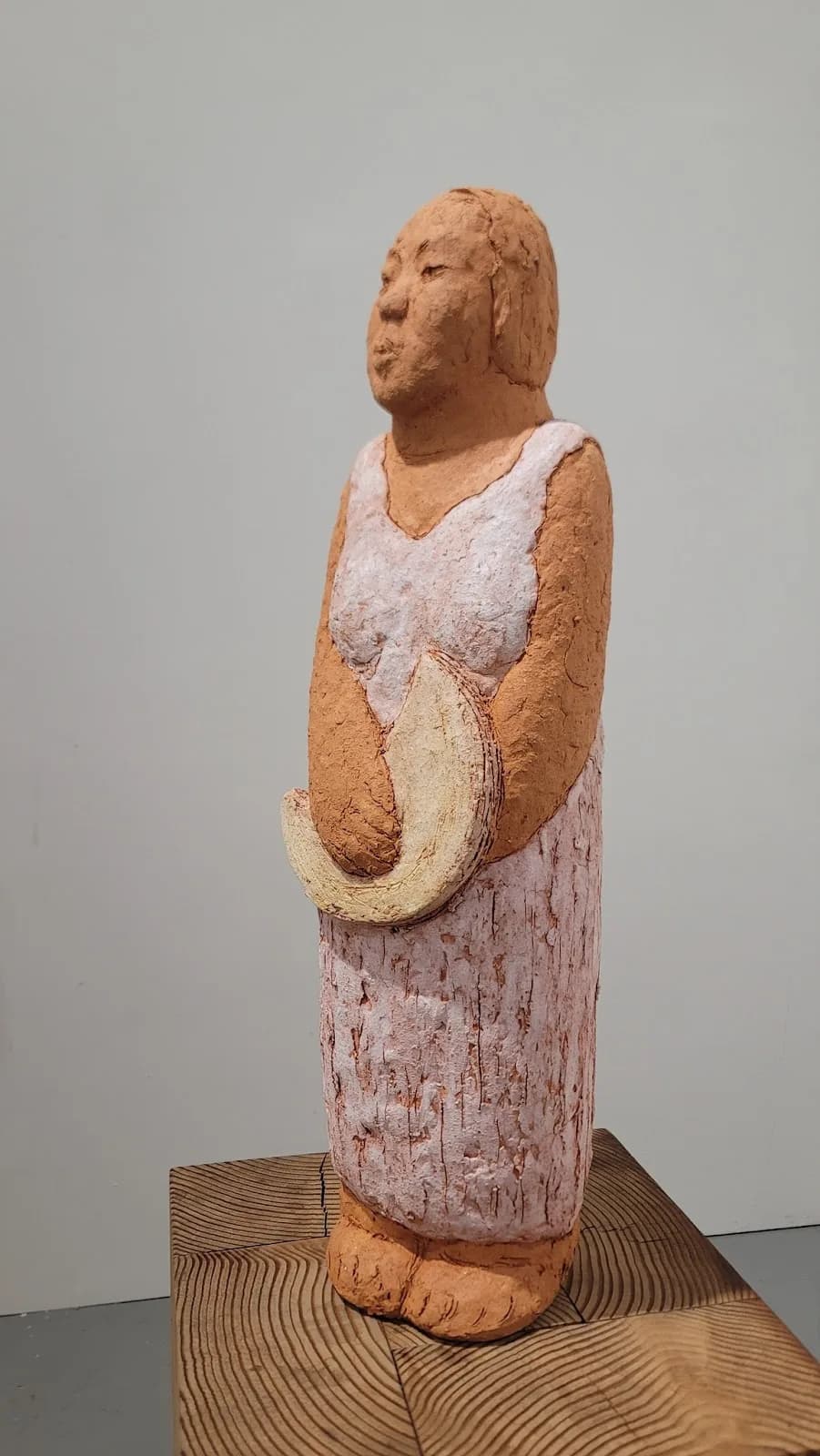
Five Criteria for Choosing Good Art
Is a gut feeling enough when choosing art? From emotional resonance and an artist's depth to technical quality, fair pricing, and the story behind the work — having clear criteria changes the way you choose, whether you're a first-time buyer or a seasoned collector.

A Beginner's Guide to the Korean Art Market in 2026
Auctions, galleries, art fairs, and online platforms — four channels exist in the Korean art market. We compare each one's strengths and barriers, then point out where a first-time collector should start. One channel turns every purchase into solidarity.
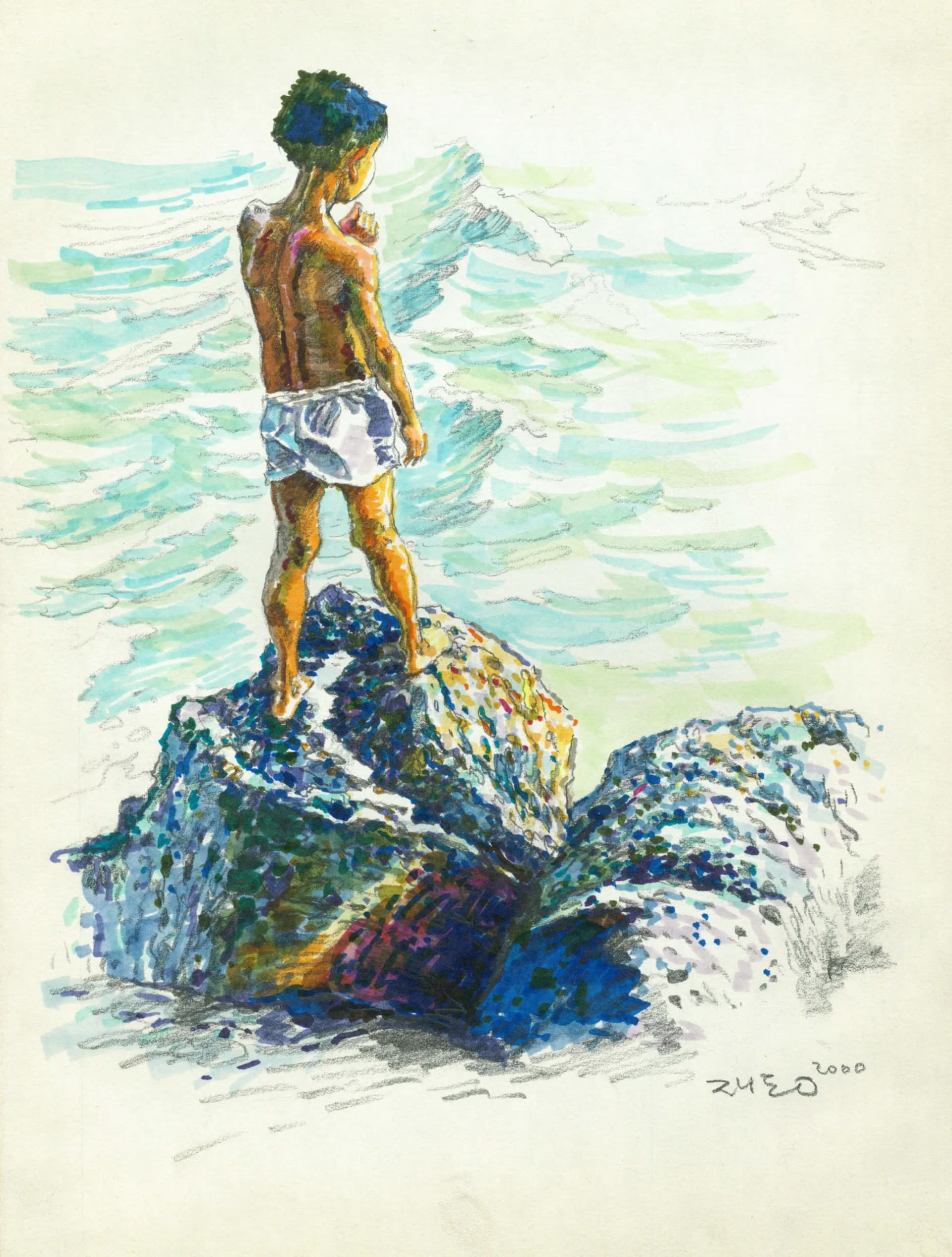
I Bought a Painting: A Complete Guide to Artwork Care
Received your first artwork and not sure what to do next? From unboxing to framing, hanging, long-term storage, and insurance — a practical guide for first-time collectors.
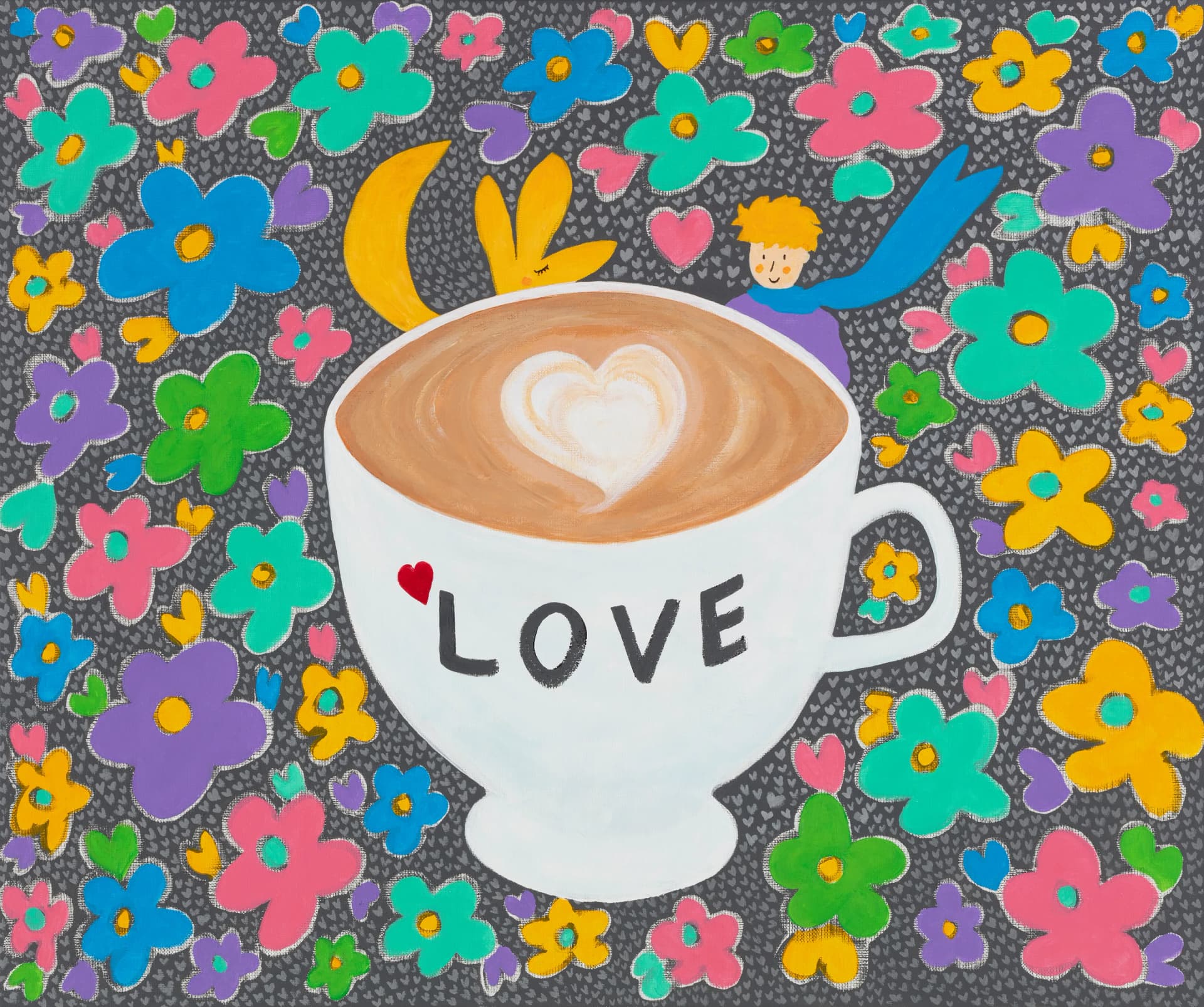
Artwork Size Guide by Room — Match Living Room, Bedroom, Hallway with Korean Ho and cm
Found a piece you love but unsure if it'll fit? Here's a room-by-room size guide for Korean apartments, with specific measurements and tips for getting it right.

How Artwork Prices Work: Understanding Value in the Art Market
A 300,000-won print and a 35,000,000-won sculpture can hang in the same exhibition. We break down the five factors behind artwork pricing using real data from SAF 2026.
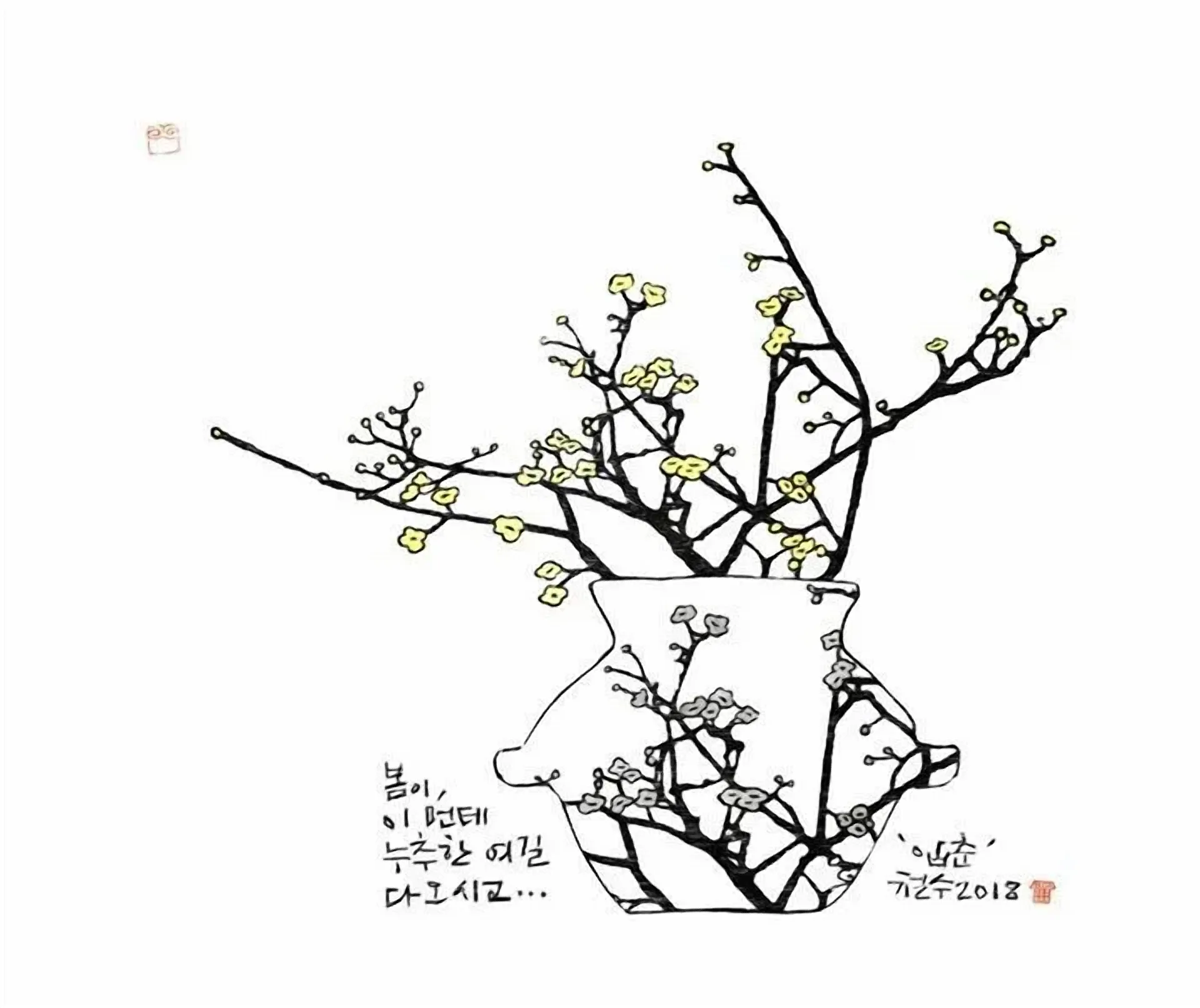
Edition Meaning Explained — 5/10, Numbering, Limited, Open Editions (Pricing Impact)
An edition number marks an artwork's print run. '5/10' means the 5th print of 10 total. Learn the differences between originals, limited editions, and open editions with real SAF 2026 artworks.
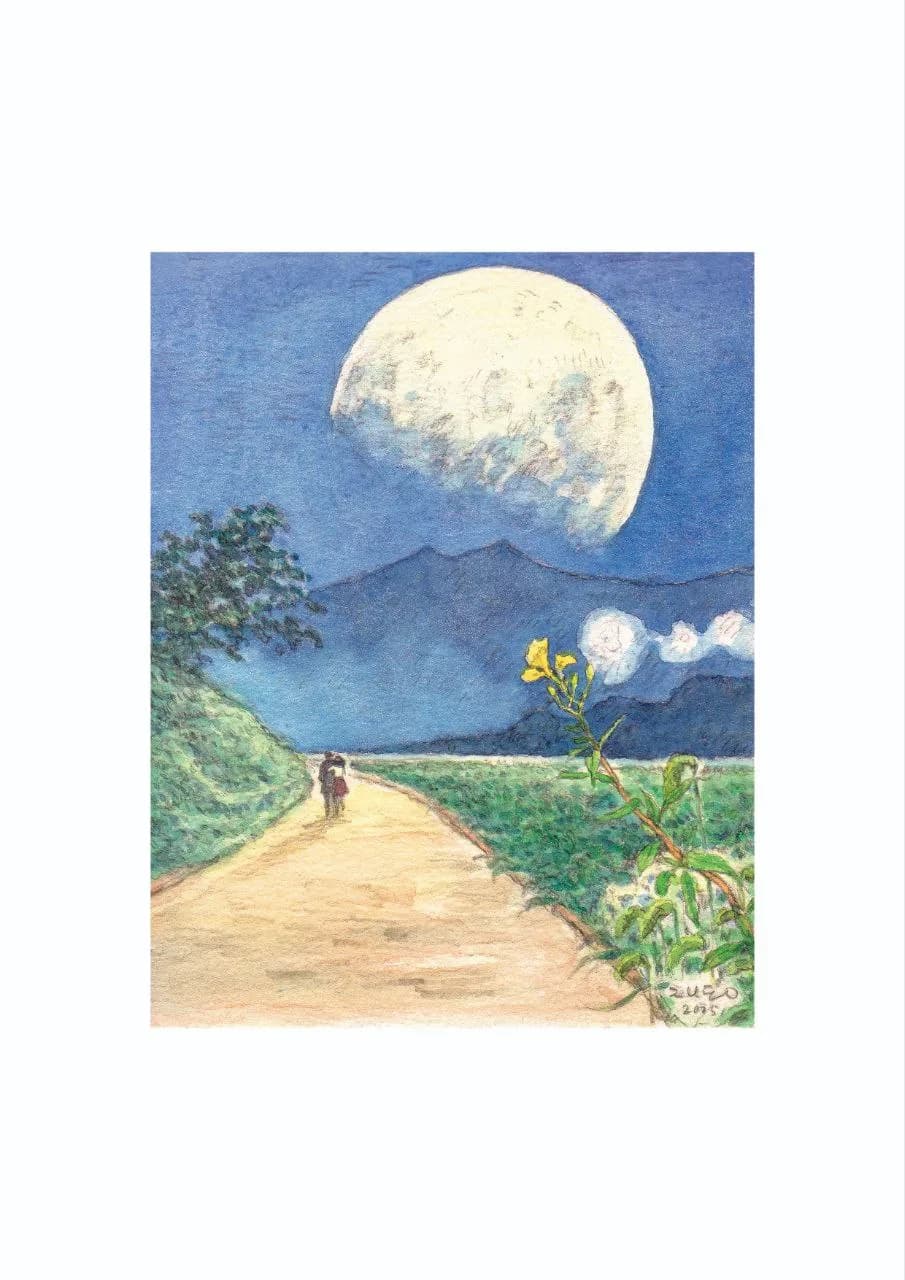
Choosing Your First Artwork — A Beginner's Guide to SAF Collecting
The hesitation of buying your first artwork is universal. SAF offers works ranging from 30,000 won art prints to 50 million won originals. Here is how to find the one that is right for you.
Total 50 stories
Frequently asked questions
Q. How much should I budget for my first artwork?
₩150,000–500,000 covers small photographs, prints, or digital art by emerging artists. ₩500,000–1,500,000 is the sweet spot for estate prints by major Korean artists or works by mid-career artists. Above ₩1,500,000 is appropriate for a living-room main piece you keep for life.
Q. What is the difference between originals, prints, and digital prints?
Originals are unique works (paintings, sculptures, some photographs). Prints are limited editions (e.g., 30/50) made from a master plate — either lifetime prints (pulled by the artist) or estate prints (printed posthumously by family/foundation). Digital prints are color-supervised limited outputs. All are real artworks with the artist’s signature, edition number, and certificate.
Q. How does framing, shipping, and care work?
Framing inclusion is noted per work. If not included, neighborhood frame shops in Korea charge ₩50,000–150,000 for small works. Shipping is a flat ₩4,000 nationwide; 7-day returns accepted. With basic care (no direct sunlight, stable humidity), works last 30–50 years.
Q. Do artworks appreciate in value? Are they an investment?
Estate prints by Korean masters tend to appreciate 1.5–2x over a decade. Emerging-artist works recover their purchase price only ~20–30% of the time within five years. The safer mindset for a first collection is "a landscape you live with" — appreciation tends to follow long ownership rather than predictive buying.
Q. Are there recommendations by space or occasion?
The buying guide series covers first artwork for newlywed homes, starting collections under ₩400,000, office and café curation, and wedding/housewarming gifts. Each guide includes 5 curated picks and placement principles by room.
Ready to start your collection?
210 artists, artworks available online.